 Peekwick
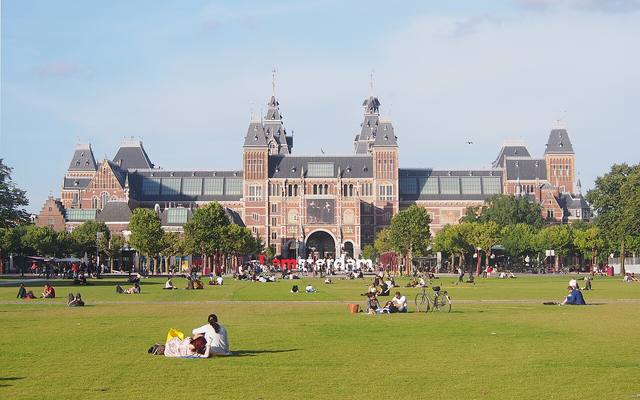
To see Amsterdam in 2 days with kids, give the first day to the centre and the canals (Dam Square, the Begijnhof, the Jordaan, a canal cruise) and the second to museums and parks (Rijksmuseum, Vondelpark, then NEMO or Artis depending on age). Book first what goes fast: the Anne Frank House, whose tickets go on sale six weeks before the visit, and the Rijksmuseum, where a booking is asked of everyone.
Amsterdam is a city on a child's scale: streets of water, narrow houses that lean, bridges to count and bikes everywhere. You can see it in two days, as long as you do not try to do everything. Here is a plan that works, with breaks.
The plan at a glance
| Time | Day 1: the centre and the canals | Day 2: museums and parks |
|---|---|---|
| Morning | Dam Square, then the Begijnhof | Rijksmuseum, at opening time |
| Midday | Break near the Jordaan | Picnic in Vondelpark |
| Afternoon | Anne Frank House, then the Jordaan | NEMO or Artis, depending on age |
| End of day | Canal cruise | Free ferry and the A'DAM tower |
Book before you leave
Three things are booked in advance. They shape everything else.
- The Anne Frank House. The ticket is sold only on the official site, with a date and a specific time slot. Every Tuesday at 10 am, tickets for a visit six weeks later go on sale, and they go very fast. Children aged 0 to 9 also need a booked ticket. Our sheet gives ten as the recommended minimum age: read the site's rule when you book.
- The Rijksmuseum. A booked time slot is asked of everyone. Entry is free for under-18s, with a free ticket that you still have to book.
- NEMO. The ticket has a start time. The museum is generally closed on Mondays, with a few Mondays open during school holidays: check the calendar. The site also suggests weekday afternoons after 2 pm, often quieter.
Day 1: the centre, the canals and the Jordaan
Morning: Dam Square. This is where it all began. Around 1270, men built a dam on the Amstel river: Amstelledamme became Amsterdam. The square is free and always open. Children look for the two stone lions flanking the monument, then the chained men on the main face.
Next, walk to the Begijnhof. A little gateway, and the noise of the city drops at once. More than a hundred women live there, in houses around a lawn. Entry is free and the courtyard is open every day except 27 April, King's Day. Warn the children: voices low, no eating in the courtyard. Look for house number 34, with its wooden facade: it dates from about 1528. After great fires, Amsterdam gradually banned building in wood.
Afternoon: Anne Frank and the Jordaan. The Anne Frank House is on Westermarkt square, not on the canal. Allow about an hour. Children can follow a free audio guide made for them, Anne's Story, which tells the story from Anne's point of view. Photos and film are forbidden, and only bags smaller than an A4 sheet are allowed. There are many steep stairs. Talk to the children before the visit: it is a true story, that of a thirteen-year-old girl hidden with seven other people. Afterwards, let them be quiet.
Then cross the Prinsengracht: the Jordaan starts just behind the Westerkerk. Wander without a fixed plan. Children enjoy the flower names of the canals, and the hofjes, hidden courtyards where people live: go in during the day, speak softly, and do not count on their opening hours.
End of day: the cruise. About an hour, with landing stages near Central Station, on the Damrak and near the Rijksmuseum. Some boats are covered, which suits any weather, but not all have toilets. Children can count the bridges: about fifteen hundred, and more than a hundred kilometres of canals. Stay seated under low bridges. At nightfall the bridges light up, including the Magere Brug, covered in about twelve hundred bulbs.
Day 2: museums, park and skyline
Morning: the Rijksmuseum. Arrive at opening time and head straight for The Night Watch on the second floor, then let the children choose: ships, dolls' houses and suits of armour captivate them. The restoration of The Night Watch takes place in public in a glass room, so the painting stays visible. Tell them its name is misleading: the scene takes place in broad daylight, and it is the varnish that darkened. Look for the girl in a light dress with a dead hen hanging from her belt. Tram 2 or 12 to the Rijksmuseum stop. Allow two and a half hours.
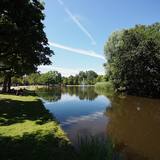
Midday: Vondelpark. A few minutes' walk away. Free entry, open day and night. Forty-seven hectares, with a large playground opposite the Groot Melkhuis. Bring a picnic. Look for the big Picasso sculpture near the Emmastraat entrance, and look up: bright green ring-necked parakeets have lived in the trees since the 1970s. Watch out for the cycle paths, where bikes go fast.
Afternoon: depending on age.
- Artis, the zoo. For the youngest. A fourteen-hectare zoo in the middle of the city, since 1838. The historic aquarium reopened on 13 June 2026. Children up to two get in free. It closes earlier from November: check the hours. Tram 14.
- NEMO. For all ages: everything is hands-on. The roof is accessible without a ticket, according to our sheet, from Tuesday to Sunday.
- The Jewish Museum and children's museum. Another indoor visit, with a space designed for children.
End of day: the ferry and A'DAM Lookout. The F3 ferry leaves from behind Central Station. The crossing is free and takes about five minutes. The tower is turned diagonally on its base. It has a swing, an extra, from 1.20 metres tall. If one of the children is afraid of heights, the indoor platform is enough.
Planning your two days
- One big visit per half day. The rest is squares, bridges and ice creams.
- On foot first. The centre is compact. Tram 2 or 12 serves the Rijksmuseum, and no tram serves Westermarkt until 2028: walk from Dam Square.
- Bikes. They go fast and do not stop. Teach the children to look before crossing a cycle path.
- Cold weather. The covered-boat cruise and the Rijksmuseum are safe bets.
- If you have one more day. Zaanse Schans, Volendam or, in spring, Keukenhof make good day trips.
Prepare your visit with Peekwick
In the Peekwick app, every place in Amsterdam has a story for adults and a story for children aged 7 to 15. On Dam Square, your child finds the lions and the chained men. At the Rijksmuseum, they look for the girl with the hen. In Vondelpark, they listen for the green parakeets. A way to see museums and streets differently.
Frequently asked questions
Are two days enough for Amsterdam with children?
Yes, for the classics. The centre is small and walkable. Two days give you one day of canals and strolls and one of museums and parks, with just one big visit per half day.
When should we book the Anne Frank House?
As soon as your trip is fixed. According to the official site, every Tuesday at 10 am, tickets for a visit six weeks later go on sale. Tickets are sold only online, for a specific time slot, children aged 0 to 9 included.
Is the Rijksmuseum free for children?
It is for under-18s, according to our sheets, but you still have to book a free ticket with a time slot. The museum is open every day. On the second floor, The Night Watch is the first stop.
Do we need a transport pass in Amsterdam?
Not necessarily. The centre is walkable. The free ferry to the north leaves from behind Central Station, and tram 2 or 12 serves the Rijksmuseum.
What can we do in Amsterdam when it rains?
The Rijksmuseum, NEMO (time-slot ticket, closed on Mondays except some Mondays), the Jewish Museum and its children's museum, or a cruise on a covered boat. Vondelpark can wait for a dry spell.
Places in this article
 Anne Frank HouseMuseums · 1 h 30Must-see
 RijksmuseumMuseums · 2 h 30Must-see
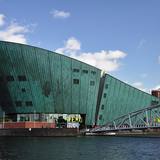 NEMO Science MuseumViews and family outings · about 2 hMust-see
 Dam Square and the National MonumentCanals, squares and markets · 45 minMust-see
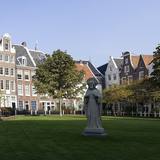 Begijnhof, the BeguinageCanals, squares and markets · 40 minMust-see
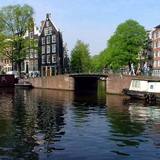 The Jordaan and Its Hidden CourtyardsCanals, squares and markets · about 1 hMust-see
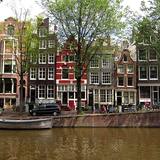 Canal CruiseViews and family outings · 1 h 15Must-see
 VondelparkParks and animals · 1 h 30Must-see

The full stories, the audio, the offline map and the challenges for kids.