 Peekwick
Istanbul
Turkey
Byzantium
Around 660 BC, Greek settlers led by a man named Byzas founded Byzantium on a point of land between two seas. The oracle of Delphi had told them to settle across from the city of the blind. They understood the riddle when they saw a colony already settled on the opposite shore: you had to be blind not to choose this far better site. Ever since, Byzantium has controlled the passage between the Black Sea and the Mediterranean.
Constantinople
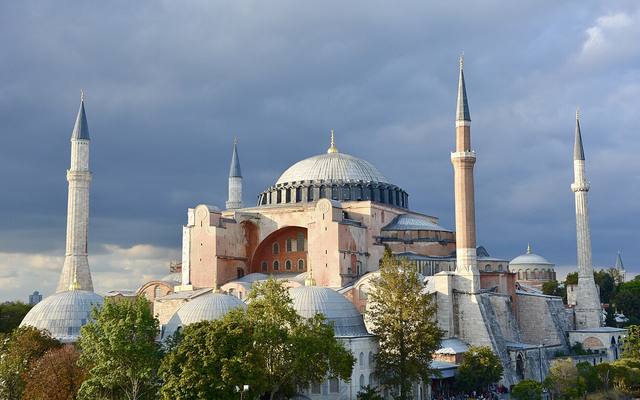
In AD 330, Emperor Constantine made it the new capital of the Roman Empire, and the city took his name: Constantinople. For more than a thousand years, it was the largest and richest Christian city in the world. Emperor Justinian had Hagia Sophia built there in the sixth century, with a dome so wide that it seems to hang from the sky. Its land walls, several kilometers long, held off invaders for centuries.
The capital of the sultans
In 1453, the Ottoman sultan Mehmed II took the city after a long siege. Istanbul became the capital of an empire stretching from the gates of Vienna to the Persian Gulf. The sultans built Topkapı Palace there and, with the architect Sinan, mosques with cascading domes. In 1923, the Turkish Republic chose Ankara as its capital, but Istanbul remains the biggest city in the country.
How to read the city
Istanbul straddles two continents, separated by the Bosphorus Strait. On the European side, a long arm of the sea called the Golden Horn separates the old city from the neighborhoods of Galata and Beyoğlu. Hagia Sophia and the bazaars stand in the old city. Across the Bosphorus, the Asian shore is more residential and peaceful. Ferries link the two shores all day long.
Two continents in one day
Can you have breakfast in Europe and an afternoon snack in Asia, on the same day, without taking a plane? In Istanbul, you can! The city is cut in two by an arm of the sea, the Bosphorus. On one side, it is Europe, on the other, Asia. Ferries make the crossing in about twenty minutes, followed by seagulls that wait for you to throw them bread.
Boats on hills
Did you know? In 1453, Sultan Mehmed II wanted to conquer the city, but a huge iron chain blocked the entrance to its harbor, the Golden Horn. He had an incredible idea: send his ships across land! His soldiers built a road of greased wooden planks and dragged dozens of boats over a hill. One morning, the defenders woke up to find the enemy fleet in the middle of their harbor.
The cat challenge
Istanbul is the city of cats. Tens of thousands live in the streets, the mosques, the shops and the cafés. The locals leave them water, cat food and even little houses. During your stay, count all the cats you meet, and give your favorite a name. In the evening, compare your score with your family's.
The quiz
In the Basilica Cistern, why are two Medusa heads placed upside down or on their side, at the foot of two columns? Answer: nobody really knows! Some people think it was to cancel the gaze of Medusa, who turned anyone who looked at her to stone. Others simply think the workers reused blocks that happened to be the right size.
Don't miss
Hagia SophiaMosques · 1 h 30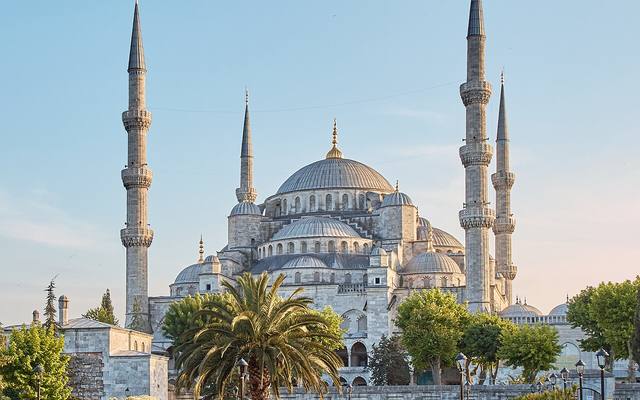 Blue Mosque, or Sultan Ahmed MosqueMosques · about 1 h
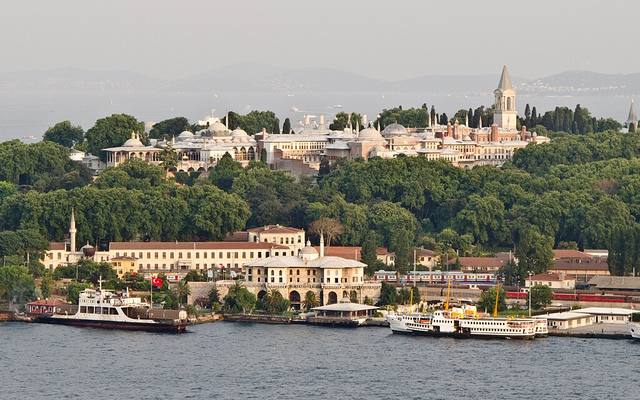 Topkapı PalacePalaces · 2 h 30
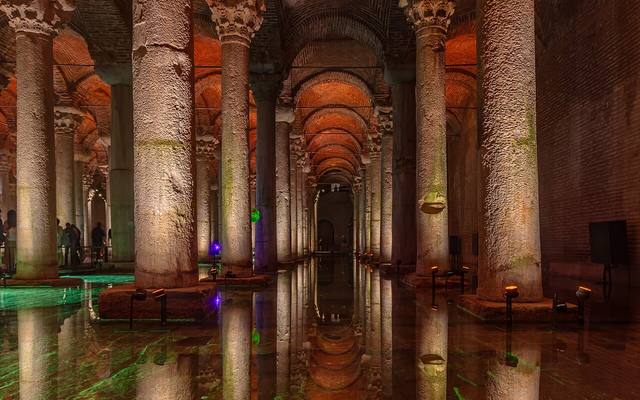 Basilica Cistern, also called Yerebatan SarnıcıMonuments and ruins · 45 min
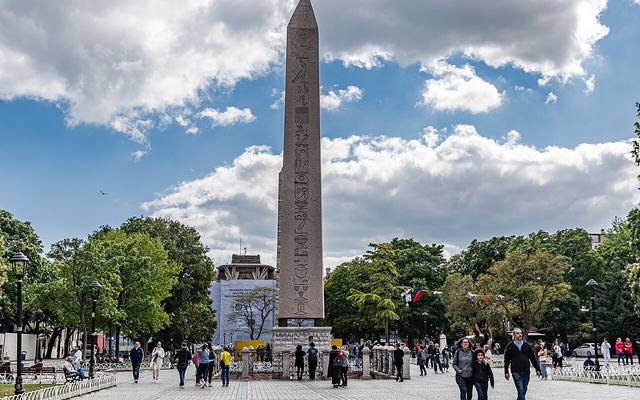 Hippodrome of ConstantinopleSquares and markets · 40 min
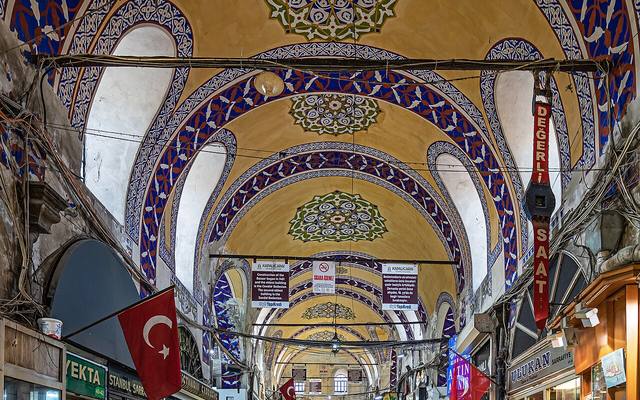 Grand Bazaar, also called KapalıçarşıSquares and markets · 1 h 30
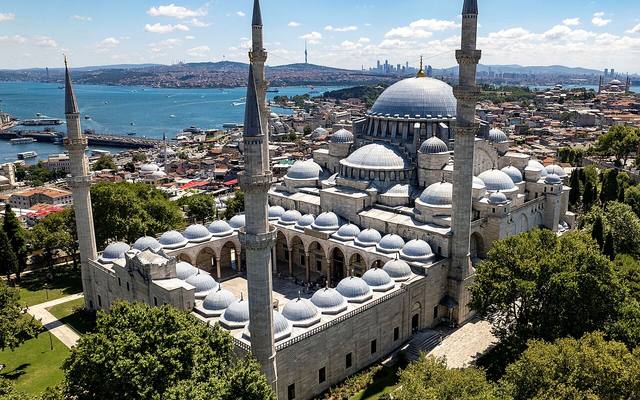 Süleymaniye MosqueMosques · about 1 h
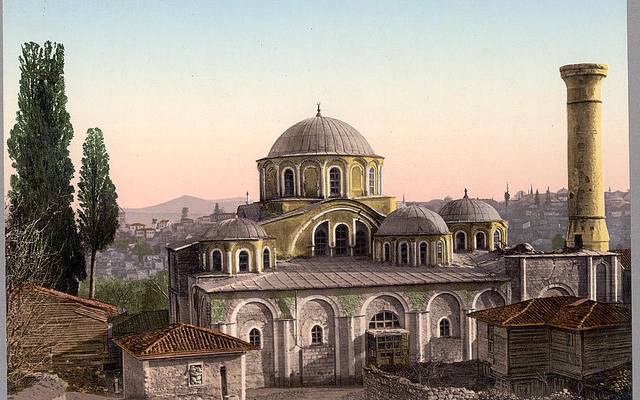 Chora Church, also called KariyeMosques · about 1 h
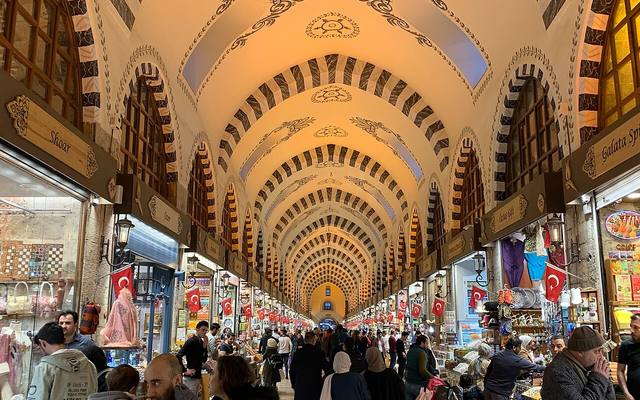 Egyptian Bazaar, or Spice BazaarSquares and markets · 45 min
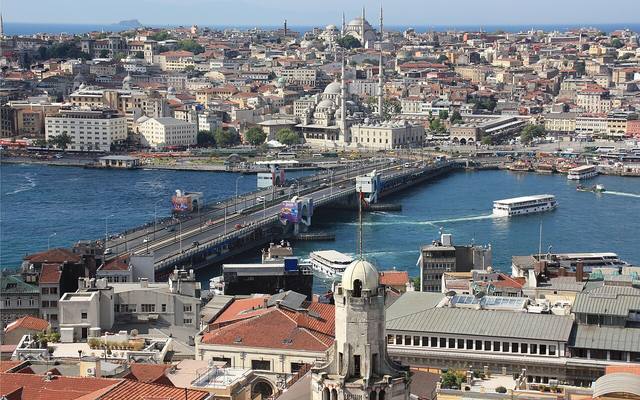 Galata BridgeMonuments and ruins · 30 min
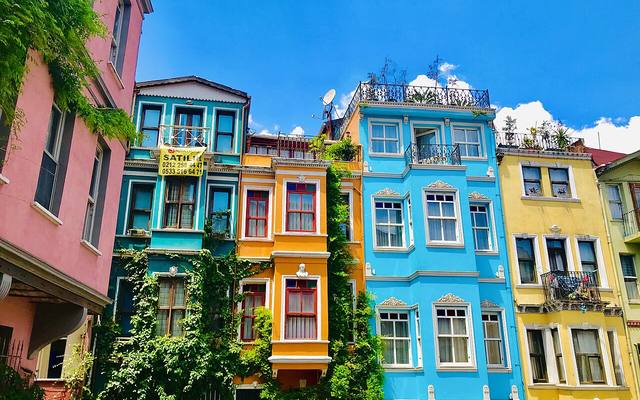 Balat DistrictNeighborhoods and views · about 1 h
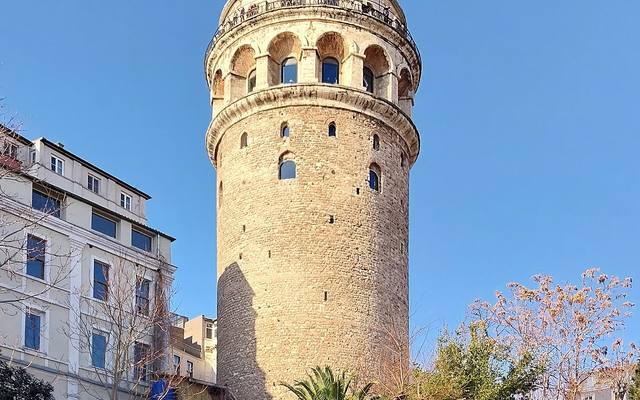 Galata TowerMonuments and ruins · 45 min
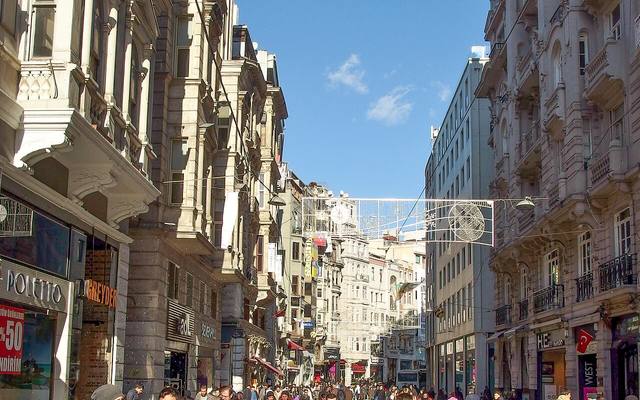 Istiklal AvenueSquares and markets · 1 h 30
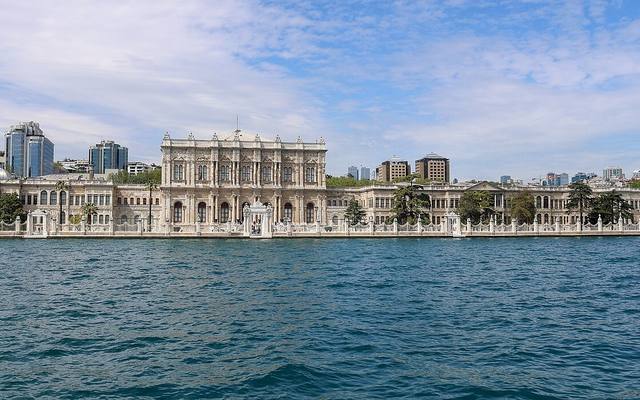 Dolmabahçe PalacePalaces · 1 h 30
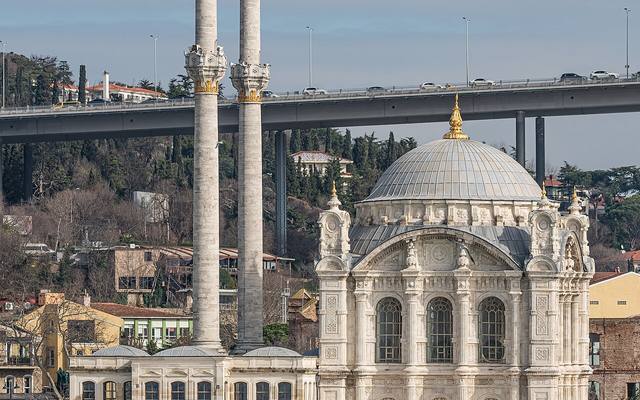 Ortaköy MosqueMosques · 30 min
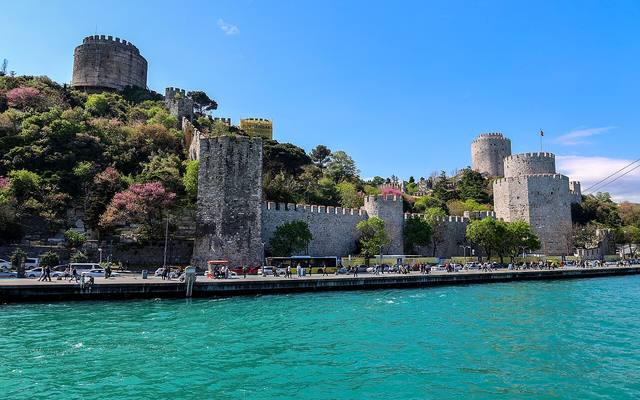 Rumeli Hisarı FortressMonuments and ruins · 45 min
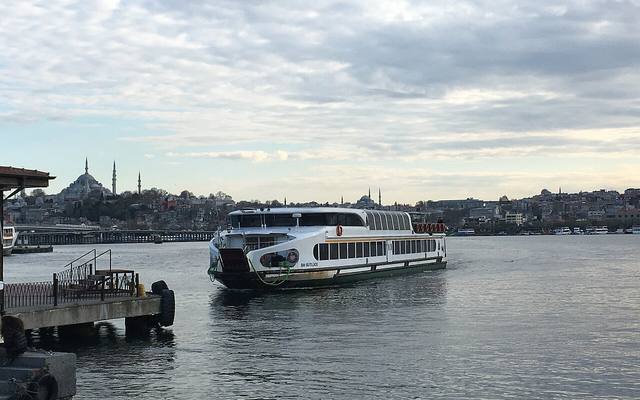 Bosphorus CruiseSquares and markets · about 2 h
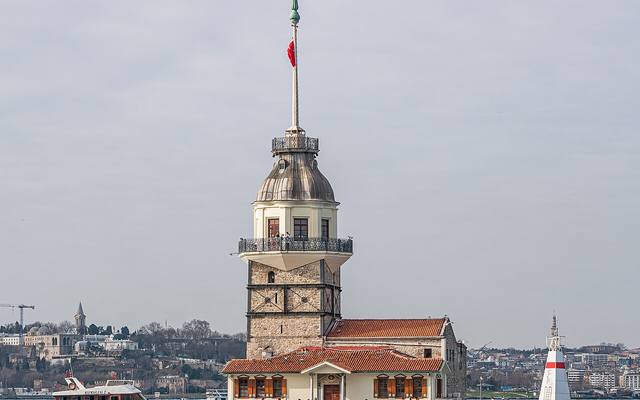 Maiden's Tower, also called Leander's TowerMonuments and ruins · 30 min
All places
Monuments and ruins
 Basilica Cistern, also called Yerebatan SarnıcıMonuments and ruins · 45 minMust-see
 German FountainMonuments and ruins · 10 min
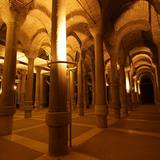 Binbirdirek CisternMonuments and ruins · 30 min
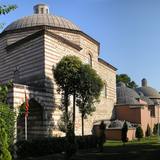 Hürrem Sultan HamamMonuments and ruins · 20 min
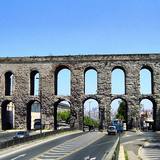 Valens AqueductMonuments and ruins · 15 min
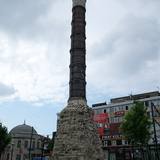 Burnt Column, also called ÇemberlitaşMonuments and ruins · 10 min
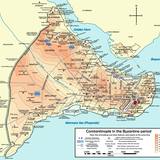 Theodosian WallsMonuments and ruins · 45 min
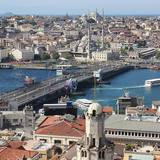 Galata BridgeMonuments and ruins · 30 minMust-see
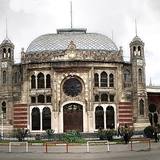 Sirkeci StationMonuments and ruins · 20 min
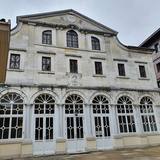 Ecumenical Patriarchate of ConstantinopleMonuments and ruins · 30 min
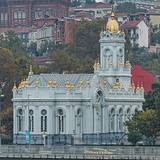 Bulgarian Church of Saint Stephen, the Iron ChurchMonuments and ruins · 20 min
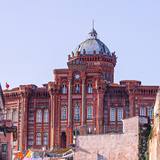 Fener Greek Orthodox CollegeMonuments and ruins · 10 min
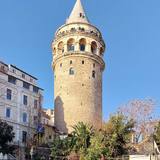 Galata TowerMonuments and ruins · 45 minMust-see
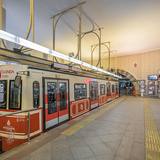 TünelMonuments and ruins · 10 min
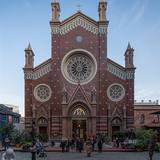 Church of Saint Anthony of PaduaMonuments and ruins · 20 min
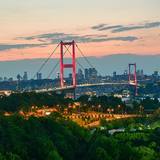 Bosphorus Bridge Seen from OrtaköyMonuments and ruins · 15 min
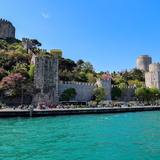 Rumeli Hisarı FortressMonuments and ruins · 45 minMust-see
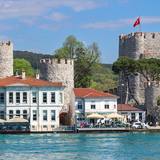 Anadolu Hisarı FortressMonuments and ruins · 30 min
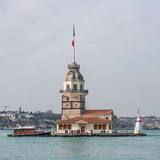 Maiden's Tower, also called Leander's TowerMonuments and ruins · 30 minMust-see
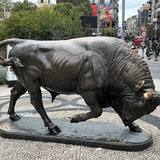 Kadıköy Bull StatueMonuments and ruins · 10 min
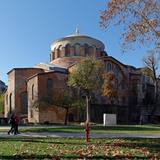 Hagia Irene ChurchMonuments and ruins · 45 min
Mosques
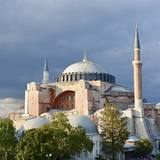 Hagia SophiaMosques · 1 h 30Must-see
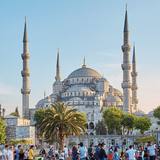 Blue Mosque, or Sultan Ahmed MosqueMosques · about 1 hMust-see
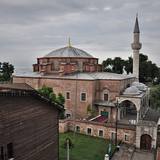 Little Hagia Sophia, also called Küçük AyasofyaMosques · 30 min
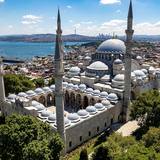 Süleymaniye MosqueMosques · about 1 hMust-see
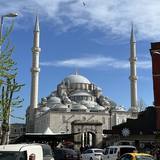 Fatih Mosque, also called the Conqueror's MosqueMosques · 45 min
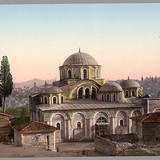 Chora Church, also called KariyeMosques · about 1 hMust-see
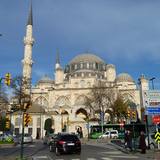 Şehzade Mosque, also called the Prince's MosqueMosques · 30 min
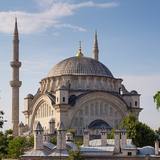 Nuruosmaniye MosqueMosques · 20 min
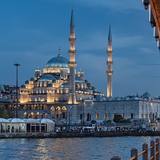 New Mosque, also called Yeni CamiiMosques · 20 min
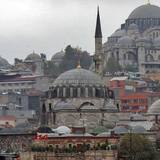 Rüstem Pasha MosqueMosques · 20 min
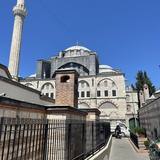 Kılıç Ali Pasha MosqueMosques · 20 min
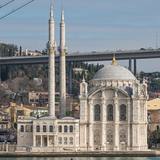 Ortaköy MosqueMosques · 30 minMust-see
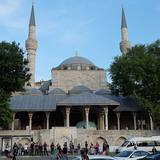 Mihrimah Sultan Mosque in ÜsküdarMosques · 20 min
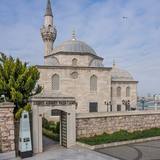 Şemsi Pasha MosqueMosques · 15 min
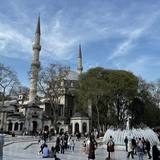 Eyüp Sultan Mosque and Pierre Loti HillMosques · about 2 h
Museums
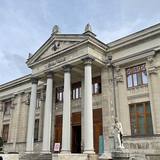 Istanbul Archaeological MuseumsMuseums · 1 h 30
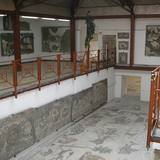 Great Palace Mosaic MuseumMuseums · 40 min
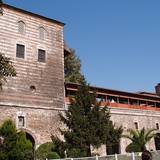 Museum of Turkish and Islamic ArtsMuseums · about 1 h
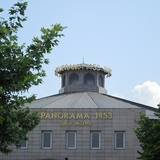 Panorama 1453 MuseumMuseums · about 1 h
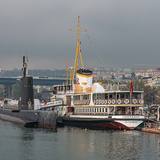 Rahmi M. Koç MuseumMuseums · 1 h 30
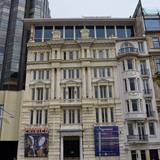 Pera MuseumMuseums · about 1 h
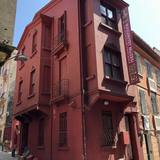 Museum of InnocenceMuseums · 30 min
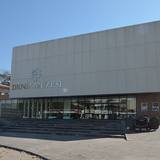 Istanbul Naval MuseumMuseums · 45 min
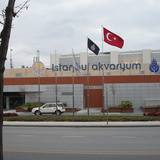 Istanbul AquariumMuseums · 1 h 30
Palaces
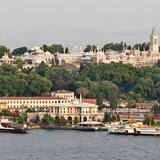
Squares and markets
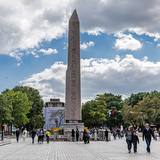 Hippodrome of ConstantinopleSquares and markets · 40 minMust-see
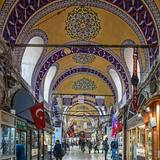 Grand Bazaar, also called KapalıçarşıSquares and markets · 1 h 30Must-see
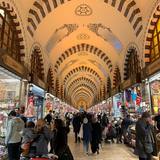 Egyptian Bazaar, or Spice BazaarSquares and markets · 45 minMust-see
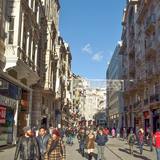 Istiklal AvenueSquares and markets · 1 h 30Must-see
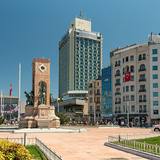 Taksim SquareSquares and markets · 20 min
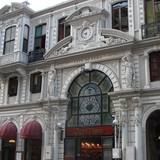 Flower Passage, Çiçek PasajıSquares and markets · 15 min
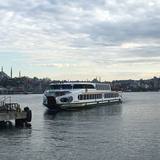 Bosphorus CruiseSquares and markets · about 2 hMust-see
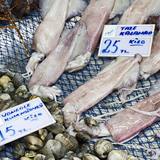 Kadıköy MarketSquares and markets · 45 min
 Bağdat AvenueSquares and markets · 30 min
Neighborhoods and views
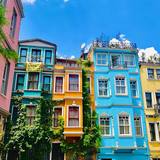 Balat DistrictNeighborhoods and views · about 1 hMust-see
 MiniatürkNeighborhoods and views · 1 h 30
 Yıldız ParkNeighborhoods and views · 45 min
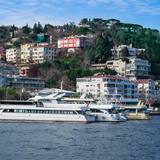 Bebek VillageNeighborhoods and views · 45 min
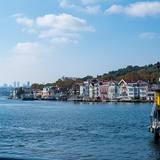 Sarıyer VillageNeighborhoods and views · 45 min
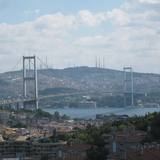 Çamlıca HillNeighborhoods and views · 45 min
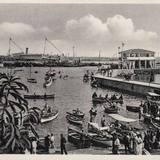 Moda DistrictNeighborhoods and views · 45 min
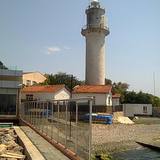 Fenerbahçe ParkNeighborhoods and views · 45 min
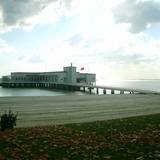 Florya PromenadeNeighborhoods and views · 45 min
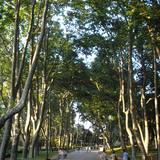 Gülhane Park and the Museum of Islamic ScienceNeighborhoods and views · 1 h 30

The full stories, the audio, the offline map and the challenges for kids.