 Peekwick
Cairo
Egypt
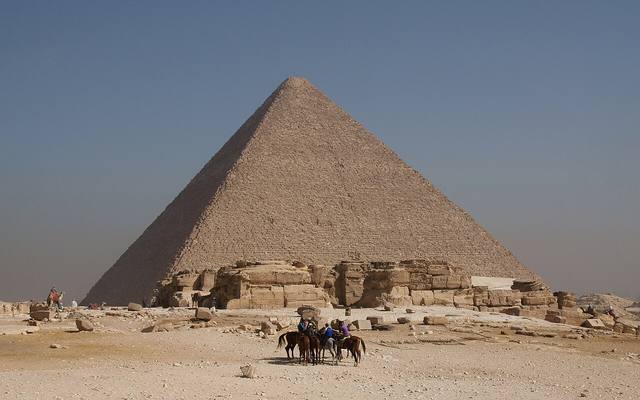
At the foot of the pyramids
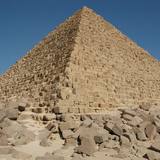
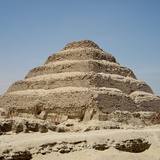
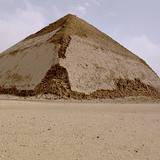
More than five thousand years ago, the pharaohs founded Memphis, their first great capital, a few kilometers from modern Cairo. On the nearby plateau, they built their tombs. First came Djoser's step pyramid at Saqqara. Then came the three great pyramids of Giza, around 2500 BC. The largest, Khufu's, stayed the tallest monument in the world for almost four thousand years.
The Victorious
In AD 641, the Arabs conquered Egypt and founded Fustat on the banks of the Nile. It stood near a Roman fortress where the Coptic Christians lived. In 969, the Fatimid dynasty founded a new city right beside it, al-Qahira, the Victorious. That name gave us Cairo. In the twelfth century, Saladin built his citadel here. Then the Mamluk sultans filled the city with mosques, minarets and caravanserais, until people called it the city of a thousand minarets.
An African megacity
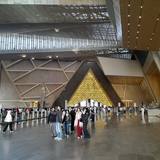
In the nineteenth century, the viceroy Muhammad Ali built the great mosque of the Citadel. Later, the khedive Ismail laid out a downtown inspired by Paris. Today, greater Cairo has more than twenty million inhabitants. It is the largest city in Africa and in the Arab world. In 2025, the Grand Egyptian Museum opened near the pyramids, with the complete treasure of Tutankhamun.
How to read the city
The Nile flows through Cairo from south to north. In the middle lies the green island of Gezira and the neighborhood of Zamalek. On the east bank you will find the modern center around Tahrir Square, medieval Islamic Cairo, and, to the south, Coptic Old Cairo. On the west bank, the city stretches to the Giza plateau, where the pyramids now rise at the edge of apartment buildings.
Two million blocks
More than two million stone blocks, some as heavy as an elephant, piled up one by one to make a perfectly pointed mountain. This is the Great Pyramid of Khufu, built four thousand five hundred years ago, with no crane and no truck. Back then, it was covered in smooth white stones that shone in the sun. For almost four thousand years, no building in the world was taller.
The child pharaoh
Did you know? Tutankhamun became pharaoh at about nine years old, around your age. He died young, at about nineteen. His tomb was found almost untouched in 1922, filled with more than five thousand objects: chariots, thrones, toys, sandals and even gloves. His solid gold mask weighs about ten kilograms. You can see all these treasures at the Grand Egyptian Museum.
The hieroglyph challenge
The ancient Egyptians wrote with pictures called hieroglyphs: birds, eyes, snakes, hands. In the museums, look for cartouches, the ovals that surround a pharaoh's name. How many can you find? At the bazaar, you can even have your name engraved in hieroglyphs on a little pendant.
The quiz
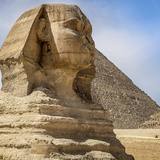
People often say that Napoleon's soldiers broke the Sphinx's nose with cannon fire. Is that true? The answer is no! Drawings made long before Napoleon arrived already show the Sphinx without a nose. Arab historians say it was broken in the Middle Ages. Poor Sphinx, Napoleon was blamed by mistake.
Don't miss
Pyramid of KhufuPyramids and Ancient Egypt · 45 min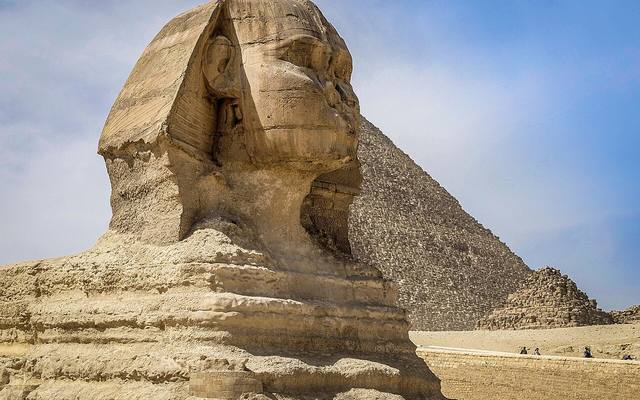 Great Sphinx of GizaPyramids and Ancient Egypt · 25 min
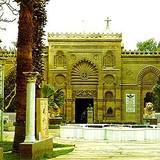
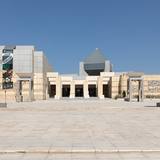
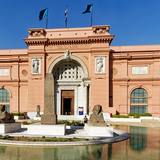
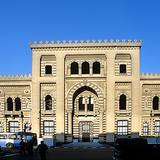
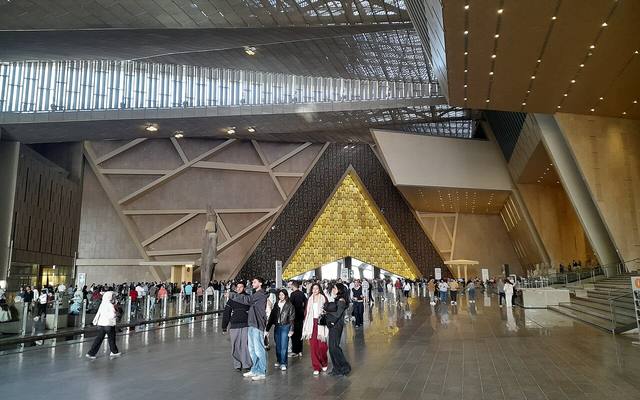 Grand Egyptian MuseumMuseums · 2 h 30
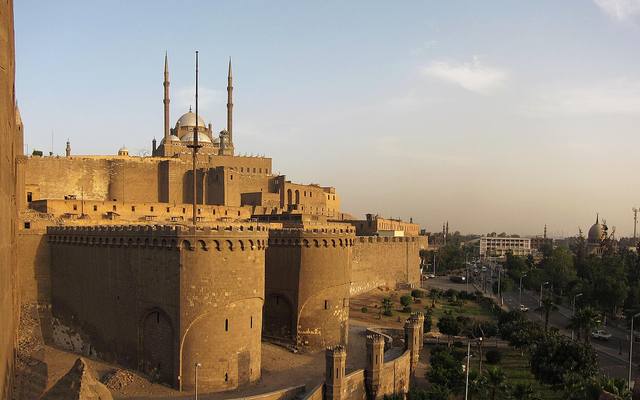 Saladin's CitadelMosques and the Citadel · 45 min
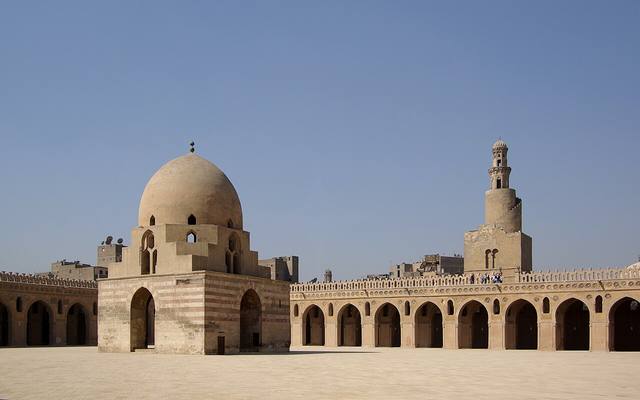 Ibn Tulun MosqueMosques and the Citadel · 30 min
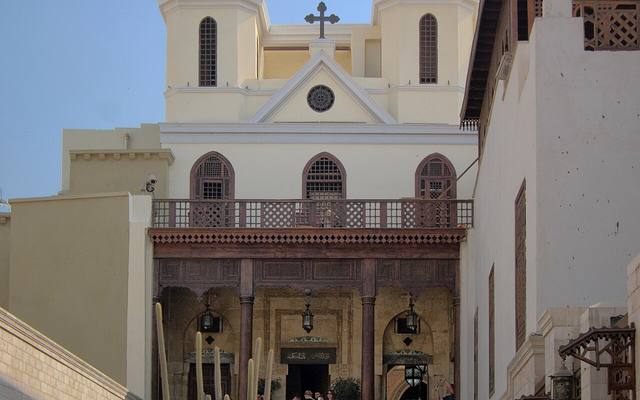 Hanging ChurchOld Cairo and Sacred Places · 30 min
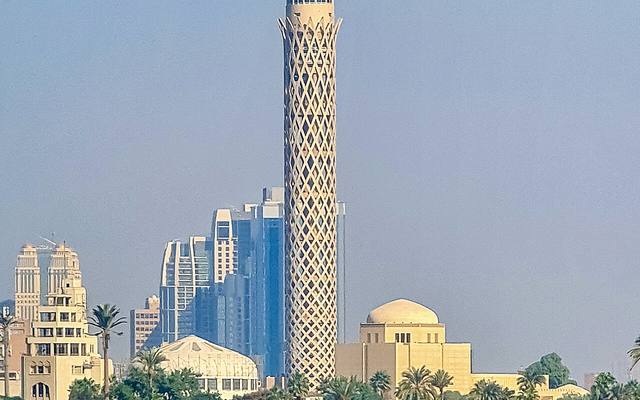 Cairo TowerNeighborhoods, Squares and Markets · 45 min
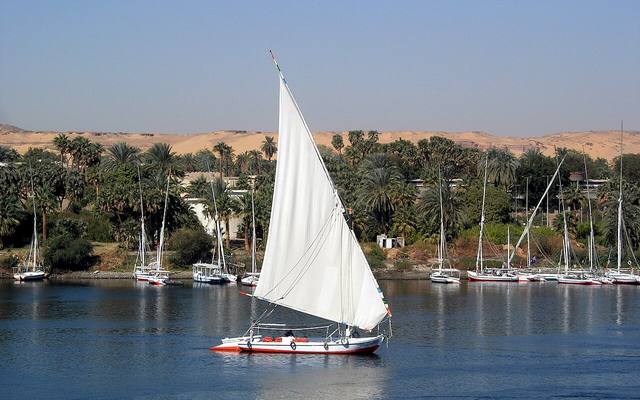 Felucca Ride on the NileNeighborhoods, Squares and Markets · 1 h 30
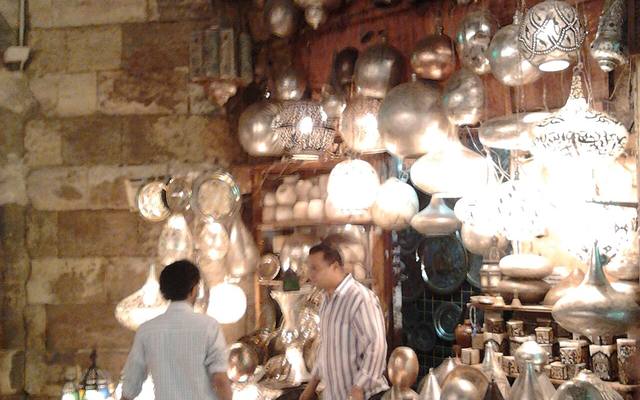 Khan el-KhaliliNeighborhoods, Squares and Markets · 1 h 30
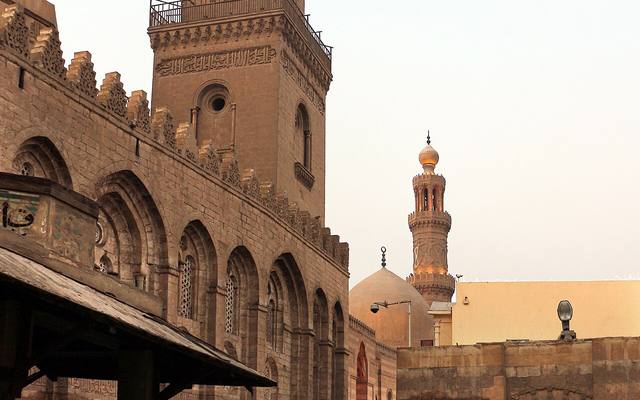 Al-Muizz StreetNeighborhoods, Squares and Markets · about 1 h
All places
Pyramids and Ancient Egypt
Museums
Old Cairo and Sacred Places
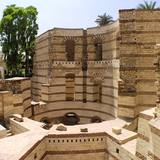 Babylon FortressOld Cairo and Sacred Places · 20 min
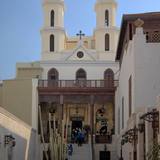 Hanging ChurchOld Cairo and Sacred Places · 30 minMust-see
 Ben Ezra SynagogueOld Cairo and Sacred Places · 20 min
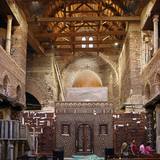 Abu Serga ChurchOld Cairo and Sacred Places · 20 min
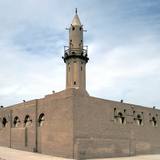 Mosque of Amr ibn al-AsOld Cairo and Sacred Places · 30 min
 Cave Church and Garbage CityOld Cairo and Sacred Places · 1 h 30
Mosques and the Citadel
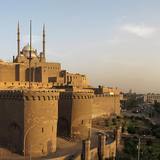 Saladin's CitadelMosques and the Citadel · 45 minMust-see
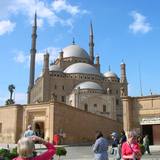 Mosque of Muhammad AliMosques and the Citadel · 30 min
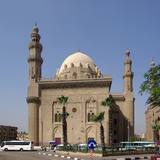 Mosque-Madrasa of Sultan HassanMosques and the Citadel · 30 min
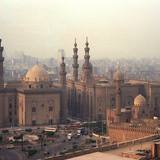 Al-Rifai MosqueMosques and the Citadel · 20 min
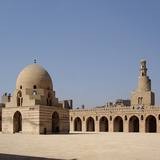 Ibn Tulun MosqueMosques and the Citadel · 30 minMust-see
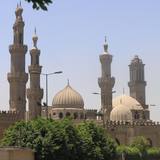 Al-Azhar Mosque and UniversityMosques and the Citadel · 30 min
Neighborhoods, Squares and Markets
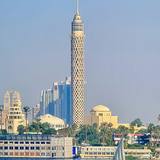 Cairo TowerNeighborhoods, Squares and Markets · 45 minMust-see
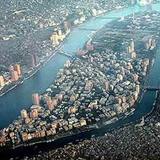 Zamalek and Gezira IslandNeighborhoods, Squares and Markets · 45 min
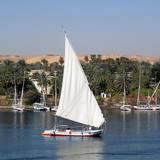 Felucca Ride on the NileNeighborhoods, Squares and Markets · 1 h 30Must-see
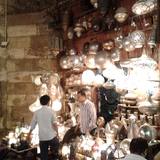 Khan el-KhaliliNeighborhoods, Squares and Markets · 1 h 30Must-see
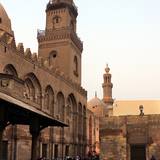 Al-Muizz StreetNeighborhoods, Squares and Markets · about 1 hMust-see
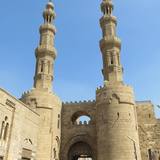 Bab ZuweilaNeighborhoods, Squares and Markets · 20 min
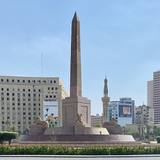 Tahrir Square and Khedival CairoNeighborhoods, Squares and Markets · 30 min
Palaces and Parks

The full stories, the audio, the offline map and the challenges for kids.