 Peekwick
Lisbon
Portugal
A city of sailors
Legend says Ulysses founded Lisbon, but the Phoenicians were probably the first to stop in this sheltered estuary. The Romans called it Olisipo. In the eighth century, the Moors settled here for more than four hundred years, and the Alfama district still follows the winding streets of their town. In 1147, Afonso Henriques, the first king of Portugal, conquered it with the help of crusaders on their way to the Holy Land.
The age of discovery
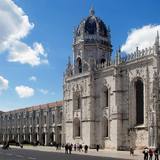
In the fifteenth and sixteenth centuries, Portuguese navigators explored the coasts of Africa. In 1498, Vasco da Gama reached India by sea. Spices, gold, and treasures from the East poured onto the docks of Lisbon, which became one of the richest cities in the world. The Jerónimos Monastery and the Belém Tower date from this golden age. Their style, called Manueline, is covered in ropes, shells, and armillary spheres.
The great earthquake
On November 1, 1755, All Saints' Day, a violent earthquake struck the city, followed by a tidal wave and fires. Much of Lisbon was destroyed. The Marquis of Pombal had it rebuilt within a few years, with straight streets and buildings with wooden frames, designed to better withstand tremors. Later, on April 25, 1974, the Carnation Revolution peacefully ended the dictatorship.
How to read the city
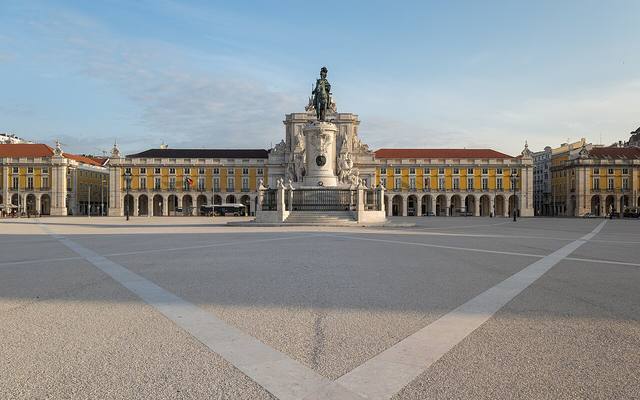
Lisbon is stacked on several hills along the Tagus, which Lisbon people call the Sea of Straw. Down below, the Baixa, rebuilt by Pombal, slopes to Commerce Square. On either side, the old districts climb the hills: the Alfama and the castle to the east, the Chiado and the Bairro Alto to the west. Belém, the district of the navigators, lies farther along toward the ocean.
Trams that climb the walls
A little yellow tram, almost a hundred years old, climbs a street so steep that it feels like it might slide backward. It brushes past the buildings so closely that you could touch the ceramic tiles on the houses. Welcome to Lisbon, the city of seven hills! Here you go up and down all the time, by tram, by funicular, or even by elevator.
The day the earth shook
Did you know? Almost three hundred years ago, on a morning of All Saints' Day, the ground shook so hard that the city collapsed. Then a giant wave rolled in from the river. To rebuild, a minister invented houses with wooden skeletons, which bend without breaking. He had models tested by making soldiers march around them, to imitate the tremors.
The tile challenge
In Lisbon, many buildings are covered in painted ceramic tiles called azulejos. Some are blue and white, some green, some yellow, with flowers, boats, or animals. During your stay, take a photo of the most beautiful one you find each day. On the last evening, hold a family vote to choose the champion tile.
The quiz
In Portuguese, a boy says obrigado to say thank you. What does a girl say? The answer: obrigada! In Portuguese, thank you changes depending on whether a boy or a girl is speaking. The word originally means "I am obliged," which is to say, "I owe you something."
Don't miss
Praça do ComércioSquares, trams, and viewpoints · 45 min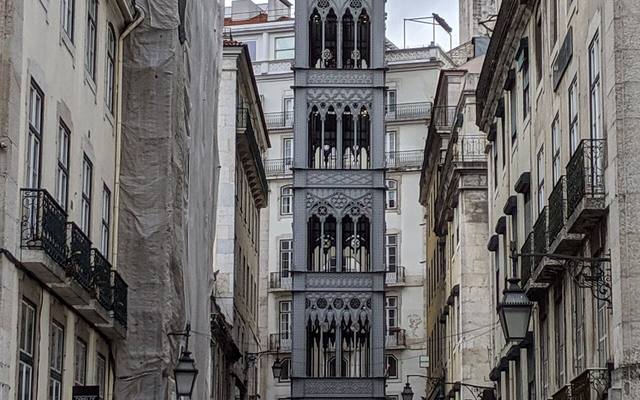 Santa Justa ElevatorMonuments · 45 min
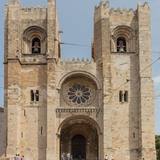
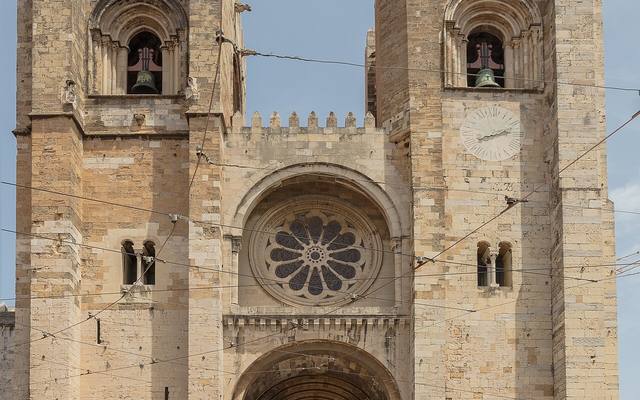 Lisbon CathedralChurches and monasteries · about 1 h
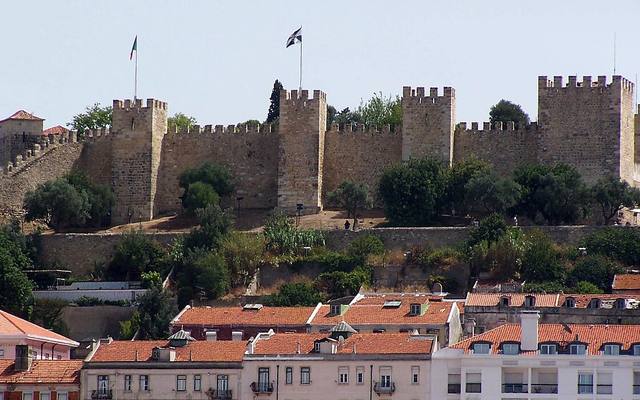 Saint George's CastleMonuments · about 2 h
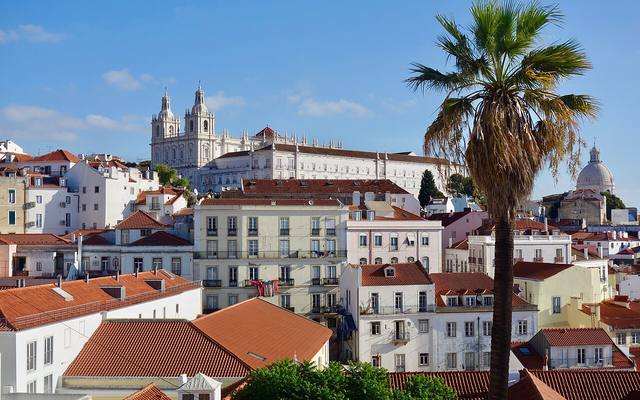 Portas do Sol ViewpointSquares, trams, and viewpoints · 30 min
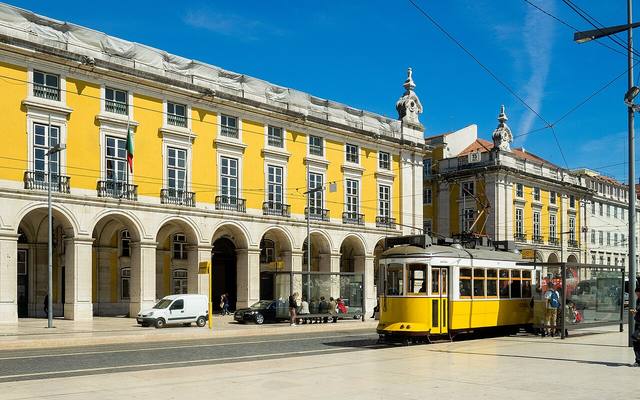 Tram 28Squares, trams, and viewpoints · about 1 h
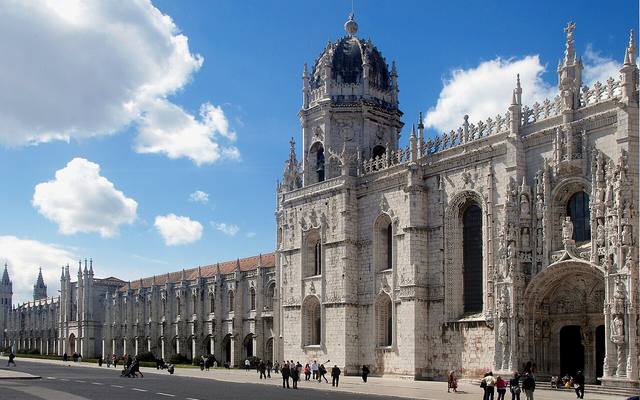 Jerónimos MonasteryChurches and monasteries · about 2 h
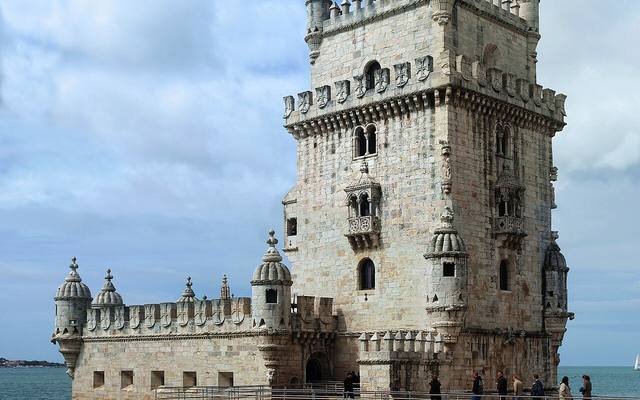 Belém TowerMonuments · 1 h 15
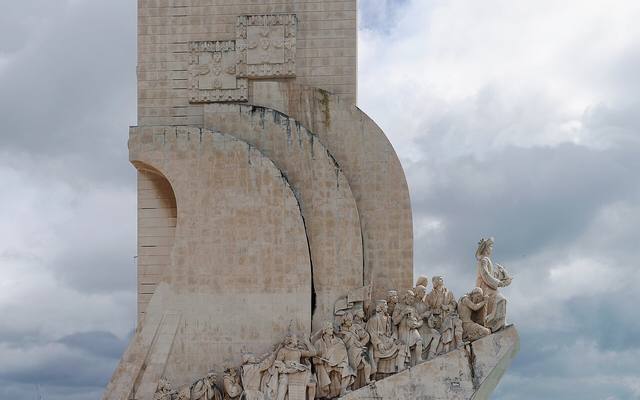 Monument to the DiscoveriesMonuments · about 1 h
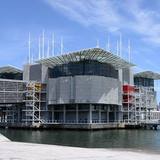
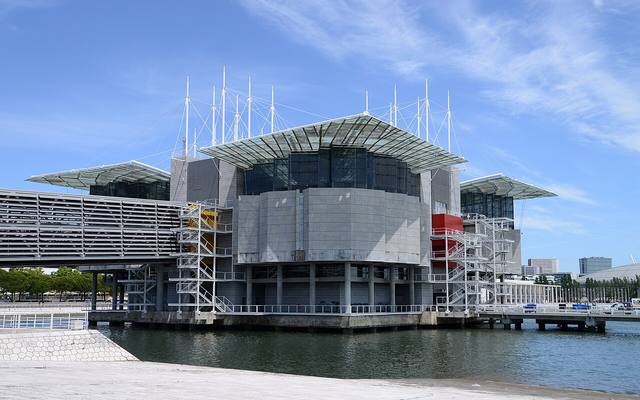 Lisbon OceanariumParks and outings · about 3 h
All places
Monuments
 Rua Augusta ArchMonuments · 30 min
 Santa Justa ElevatorMonuments · 45 minMust-see
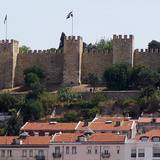 Saint George's CastleMonuments · about 2 hMust-see
 National PantheonMonuments · 45 min
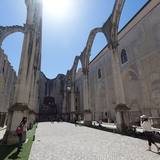 Carmo ConventMonuments · about 1 h
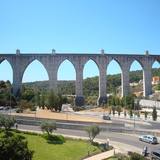 Águas Livres AqueductMonuments · about 1 h
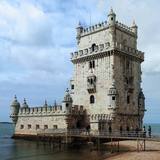 Belém TowerMonuments · 1 h 15Must-see
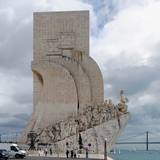 Monument to the DiscoveriesMonuments · about 1 hMust-see
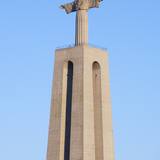 Sanctuary of Christ the King in Almada, and the Cacilhas FerryMonuments · about 4 h
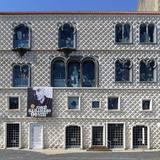 Casa dos BicosMonuments · 45 min
Museums
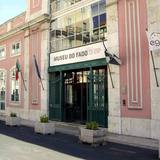 Fado MuseumMuseums · about 1 h
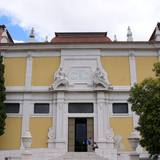 National Museum of Ancient ArtMuseums · about 2 h
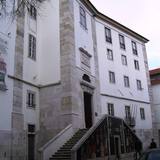 Puppet MuseumMuseums · about 1 h
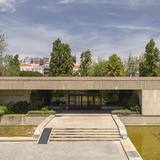 Calouste Gulbenkian MuseumMuseums · 2 h 30
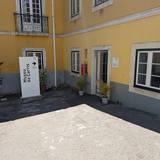 Carris MuseumMuseums · 1 h 30
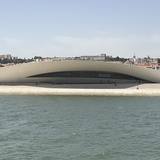 MAAT, Museum of Art, Architecture and TechnologyMuseums · 1 h 30
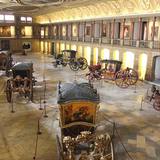 National Coach MuseumMuseums · about 1 h
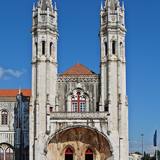 Maritime MuseumMuseums · 1 h 15
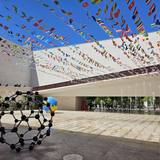 Knowledge Pavilion, Ciência VivaMuseums · 2 h 30
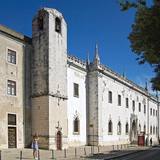 National Azulejo MuseumMuseums · 1 h 30
Churches and monasteries
Squares, trams, and viewpoints
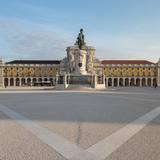 Praça do ComércioSquares, trams, and viewpoints · 45 minMust-see
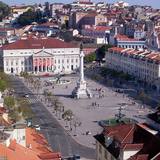 Rossio Square, Dom Pedro IV SquareSquares, trams, and viewpoints · 30 min
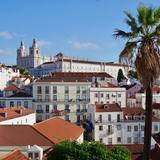 Portas do Sol ViewpointSquares, trams, and viewpoints · 30 minMust-see
 Tram 28Squares, trams, and viewpoints · about 1 hMust-see
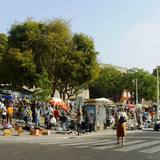 Feira da Ladra Flea MarketSquares, trams, and viewpoints · about 1 h
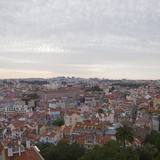 Graça ViewpointSquares, trams, and viewpoints · 30 min
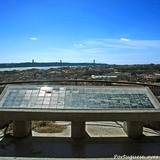 Nossa Senhora do Monte ViewpointSquares, trams, and viewpoints · 30 min
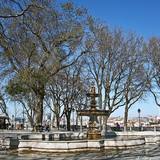 São Pedro de Alcântara ViewpointSquares, trams, and viewpoints · 30 min
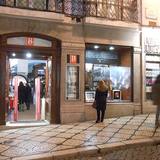 Bertrand BookshopSquares, trams, and viewpoints · 30 min
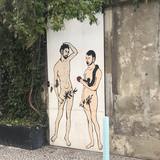 LX FactorySquares, trams, and viewpoints · 1 h 30
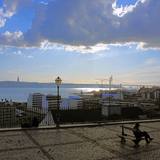 Santa Catarina ViewpointSquares, trams, and viewpoints · 45 min
Parks and outings
Day trips
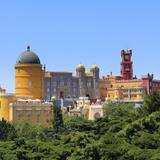 Sintra and the Pena National PalaceMonuments · about 5 hMust-see
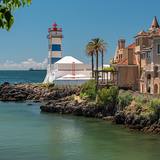 Cascais and the Boca do InfernoParks and outings · 4 h 30
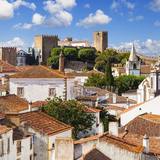 Óbidos, the Town of QueensSquares, trams, and viewpoints · about 4 h
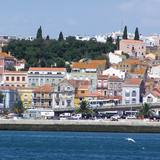 Setúbal, the Arrábida, and the Sado DolphinsParks and outings · about 7 h
 Mafra National PalaceMonuments · 3 h 30

The full stories, the audio, the offline map and the challenges for kids.