 Peekwick
Royal Tapestry Factory
Madrid · The Prado Boulevard and the Museums · Museums · about 1 h
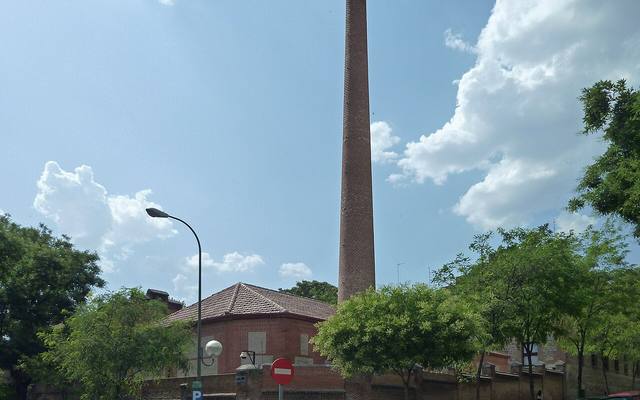
A factory for the palaces
In 1721, King Philip V founded a royal tapestry factory in Madrid. After the Treaty of Utrecht, Spain had lost Flanders and its workshops, which until then had supplied the royal palaces with wall hangings. The king brought in a weaver from Antwerp, Jacobo Vandergoten, to run the first workshops. This choice also showed the king's wish to make Spain less dependent on other countries for its luxury goods. The goal was simple. It was to weave on the spot the huge tapestries that decorate the walls of the royal residences, rather than keep importing them at great expense. The factory drew on the French model of the Gobelins.
In the app, this story goes on for 5 parts, to read or listen to, with one voice for grown-ups and another for kids.
The craftspeople's patient work
A year of work to cover a single square meter of wall: that is what it takes to weave an immense wall carpet, thread after thread. Look closely at the threads stretched on the loom. They look like the strings of a huge guitar. This is the patient work of the craftspeople of this factory, founded more than three hundred years ago. Watch the patience of each craftsperson, able to repeat the same movement thousands of times without getting tired. Here, nobody uses a machine. Everything is done by hand, as in the days of the kings of Spain.
In the app, this story goes on for 6 parts, to read or listen to, with one voice for grown-ups and another for kids.

The full stories, the audio, the offline map and the challenges for kids.