 Peekwick
Seville
Spain
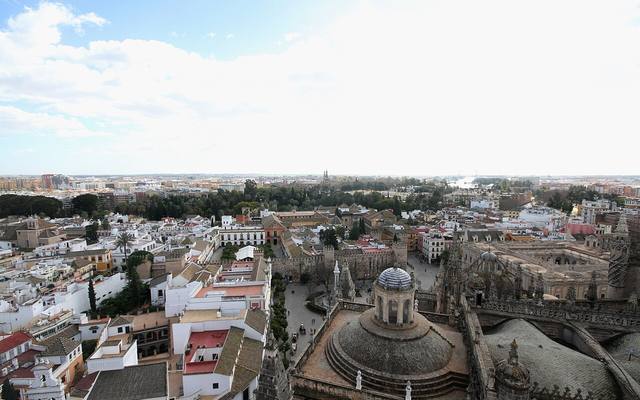
Romans and Almohads
The Romans call the city Hispalis and found Italica close by, the birthplace of the emperors Trajan and Hadrian. In the Middle Ages, Seville becomes one of the great cities of al-Andalus. At the end of the twelfth century, the Almohads, a dynasty from Morocco, build a great mosque and its minaret here. That minaret is now the Giralda, the bell tower of the cathedral. In 1248, King Ferdinand III of Castile takes the city back.
The Gateway to the Americas
After the voyages of Christopher Columbus, Seville wins the monopoly on trade with the New World. For nearly two centuries, every galleon loaded with gold and silver sails up the Guadalquivir to its docks, at the foot of the Torre del Oro. The city becomes one of the richest in Europe. It builds the largest Gothic cathedral in the world, where Columbus is buried. The records of this adventure are kept just steps away, in the Archivo de Indias.
The City of Celebration
When the harbor silts up and trade moves to Cádiz, Seville slowly falls asleep. Yet it keeps its way of life, praised by romantic travelers and by the opera Carmen. Flamenco, the Holy Week processions and the great April fair are lived here with a unique intensity. In 1929, a world's fair left the city María Luisa Park and the huge Plaza de España.
How to Read the City
The heart of Seville fits between the cathedral, the Alcázar and the white lanes of the Santa Cruz quarter. The Guadalquivir River runs along the west side of the city. Across the Triana bridge lies the neighborhood of potters and sailors, the cradle of flamenco. Everywhere, orange trees line the streets and scent the air in spring.
A Tower Without Stairs
Where are the stairs in this tower, so tall you can see it from all over the city? Nowhere. There is not a single staircase inside. Instead, thirty-five gently sloping ramps wind upward. This is the Giralda! More than eight hundred years ago, it was the minaret of a mosque. Legend says the ramps let people ride a horse all the way up. You can climb them on foot, and the view is worth it.
The Tomb Carried by Four Kings
Did you know? In Seville Cathedral, the tomb of Christopher Columbus does not rest on the ground. Four tall statues of kings carry it on their shoulders, each one representing a kingdom of Spain. Columbus sailed off to find America for the kings of Spain. For a long time, all the treasures of the New World arrived right here, by boat, up the river.
The Ceramic Bench Challenge
On the huge Plaza de España, along the curved wall, dozens of benches decorated with ceramic tiles stand in a row. Each one represents a Spanish province, with its map and a scene from its history. Your challenge: find the bench for Seville, then the one for Madrid, then the one for Barcelona. Then count the bridges that cross the canal in the square.
The quiz
Which famous movie saga filmed scenes at Plaza de España in Seville? Answer: Star Wars! In Attack of the Clones, Plaza de España becomes a palace on the planet Naboo. And for TV fans, the Alcázar gardens served as a setting for a kingdom in Game of Thrones.
Don't miss
The Santa Cruz QuarterNeighborhoods and Streets · about 1 h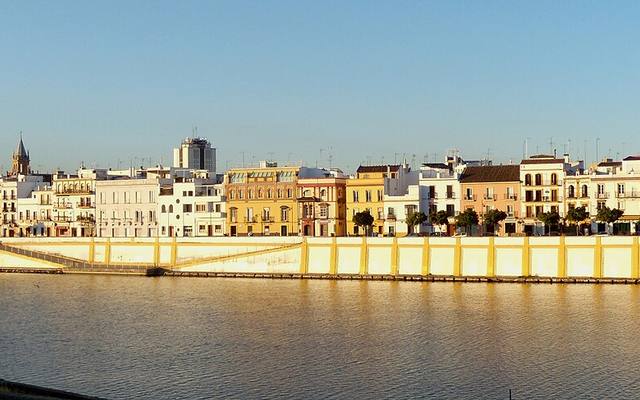 Calle Betis and the Triana QuaysNeighborhoods and Streets · 45 min
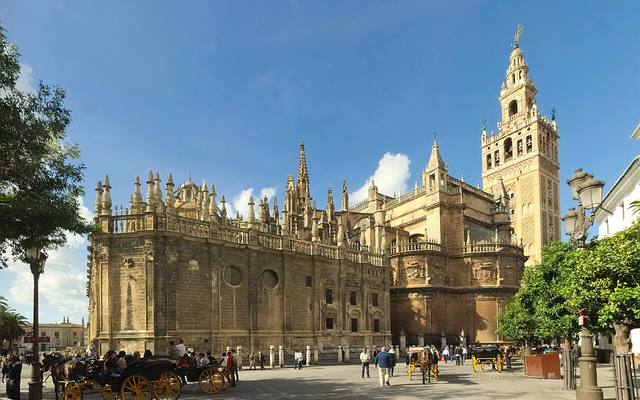 Cathedral of Saint Mary of the See and the GiraldaPalaces and Monuments · 1 h 30
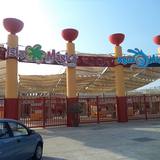
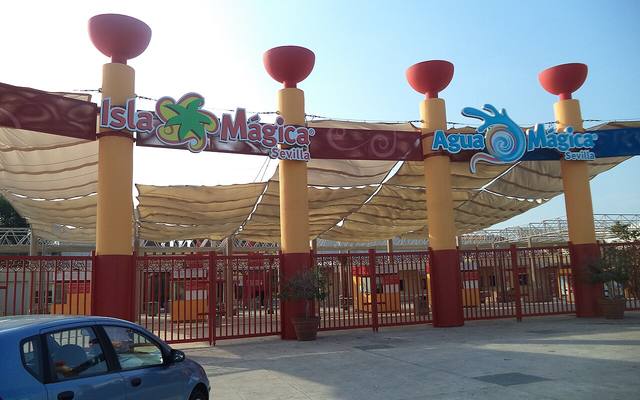 Isla MágicaFamily Adventures · about 4 h
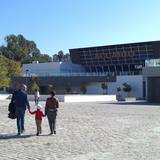
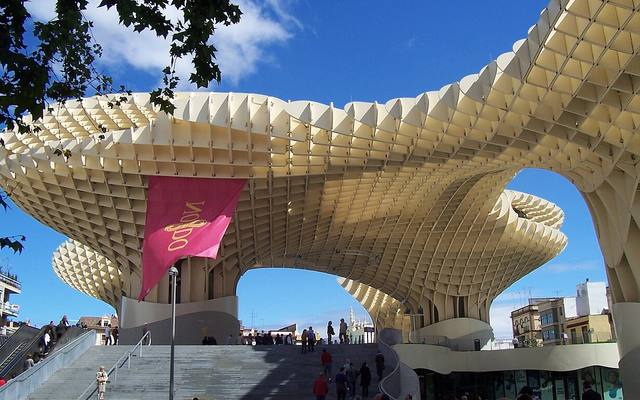 Metropol Parasol, Las SetasPalaces and Monuments · 1 h 15
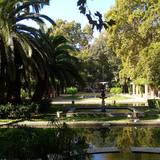
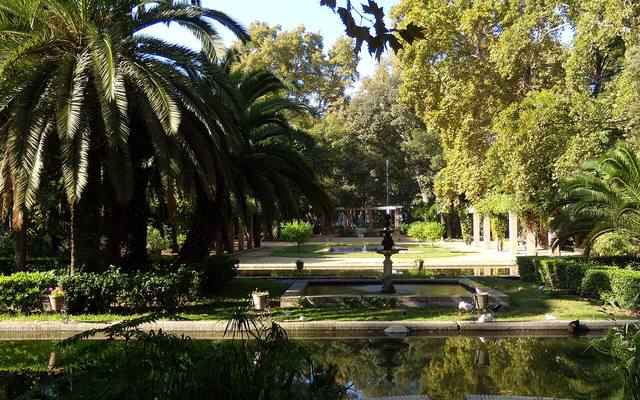 María Luisa ParkParks and Gardens · 1 h 30
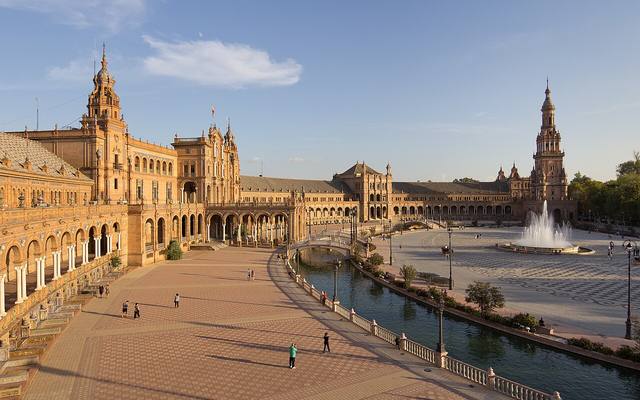 Plaza de EspañaPalaces and Monuments · about 1 h
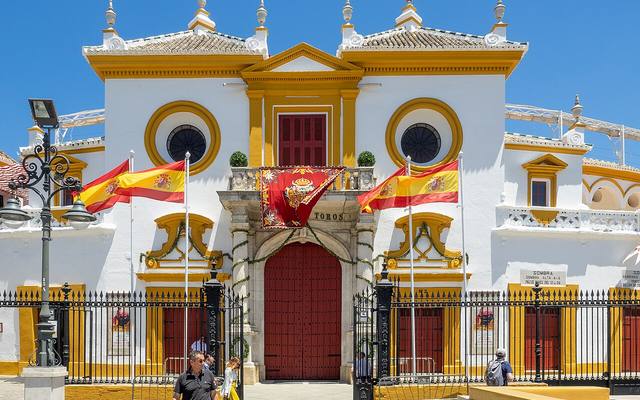 Plaza de Toros de la Real MaestranzaPalaces and Monuments · about 1 h
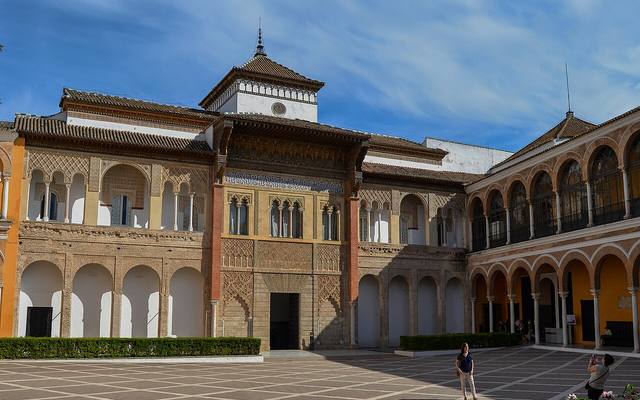 Royal Alcázar of SevillePalaces and Monuments · about 2 h
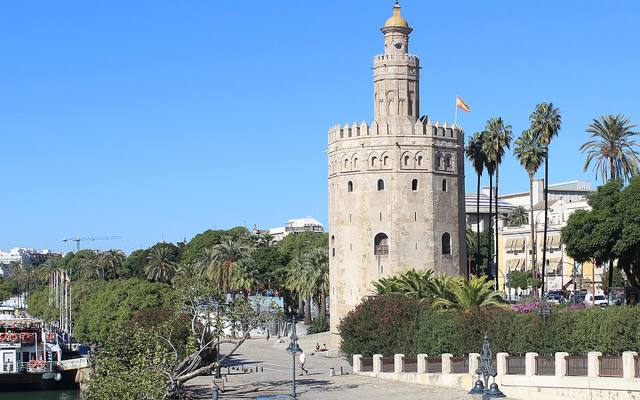 Torre del OroPalaces and Monuments · 45 min
All places
Palaces and Monuments
 General Archive of the IndiesPalaces and Monuments · 40 min
 Plaza Nueva and the City HallPalaces and Monuments · 25 min
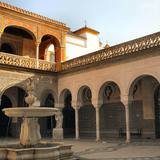 Casa de PilatosPalaces and Monuments · about 1 h
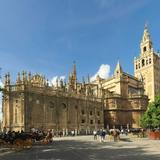 Cathedral of Saint Mary of the See and the GiraldaPalaces and Monuments · 1 h 30Must-see
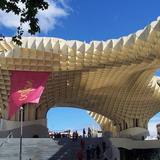 Metropol Parasol, Las SetasPalaces and Monuments · 1 h 15Must-see
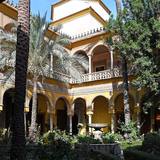 Dueñas PalacePalaces and Monuments · 45 min
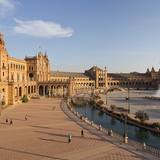 Plaza de EspañaPalaces and Monuments · about 1 hMust-see
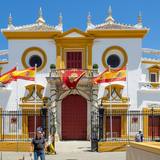 Plaza de Toros de la Real MaestranzaPalaces and Monuments · about 1 hMust-see
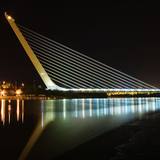 Puente del AlamilloPalaces and Monuments · 20 min
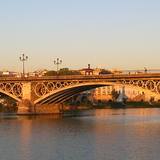 Puente de Isabel II, also called Puente de TrianaPalaces and Monuments · 30 min
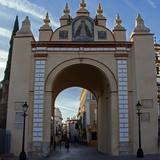 Macarena Gate and City WallsPalaces and Monuments · 20 min
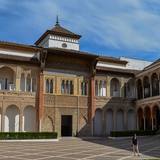 Royal Alcázar of SevillePalaces and Monuments · about 2 hMust-see
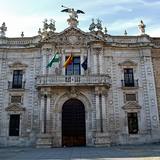 Former Royal Tobacco Factory, now the UniversityPalaces and Monuments · 30 min
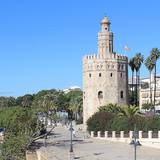 Torre del OroPalaces and Monuments · 45 minMust-see
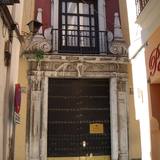 Palace of the Countess of LebrijaPalaces and Monuments · about 1 h
Neighborhoods and Streets
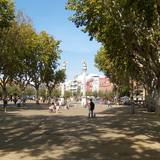
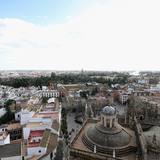
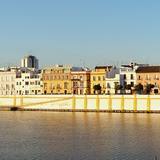
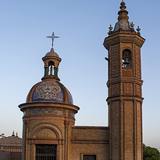
Basilicas and Churches
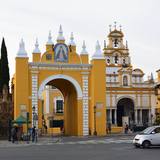 Basilica of the MacarenaBasilicas and Churches · 30 min
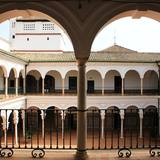 Santa Paula ConventBasilicas and Churches · 30 min
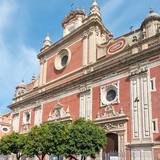 Church of El SalvadorBasilicas and Churches · 30 min
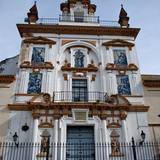 Hospital de la CaridadBasilicas and Churches · 30 min
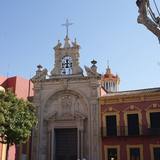 Basilica of Jesús del Gran PoderBasilicas and Churches · 30 min
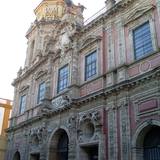 Church of San Luis de los FrancesesBasilicas and Churches · 45 min
Museums
 Triana Ceramics CenterMuseums · about 1 h
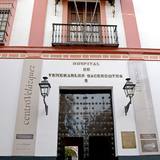 Hospital de los Venerables, Velázquez CenterMuseums · 40 min
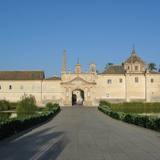 Cartuja Monastery and CAACMuseums · 1 h 30
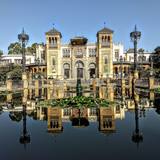 Museum of Arts and Popular CustomsMuseums · about 1 h
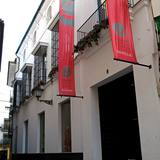 Flamenco Dance MuseumMuseums · about 1 h
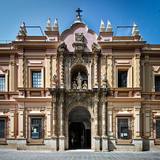 Seville Museum of Fine ArtsMuseums · 1 h 30
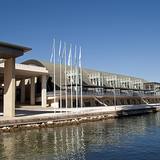 Pabellón de la NavegaciónMuseums · 1 h 30
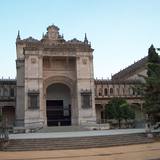 Plaza de América and the Archaeological MuseumMuseums · 1 h 15
Parks and Gardens
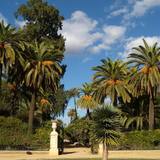
Family Adventures
Day trips
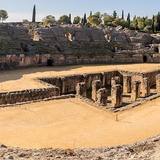 ItalicaPalaces and Monuments · about 2 h
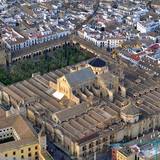 Córdoba, the Mosque-Cathedral and the Old QuarterPalaces and Monuments · about 5 hMust-see
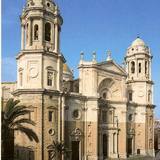 Cádiz, the City of the SeaNeighborhoods and Streets · about 6 h
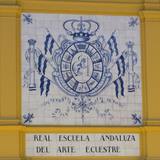 Jerez de la Frontera, the Alcázar and the Andalusian HorsesPalaces and Monuments · about 5 h
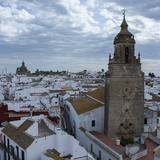 Carmona, a Roman Town on a HilltopPalaces and Monuments · about 4 h

The full stories, the audio, the offline map and the challenges for kids.