 Peekwick
Venice
Italy
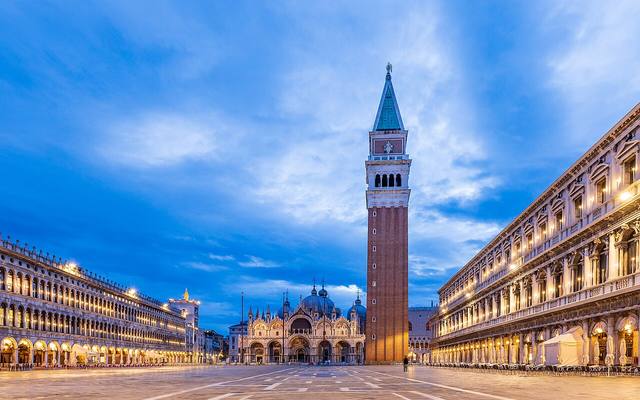
A City Born of Fear
At the end of antiquity, people on the coast fled invading armies and took refuge on the muddy islets of a lagoon, where no army could follow. Tradition dates the birth of Venice to March 25, 421. To build on the mud, they drove millions of wooden piles down to the layer of clay. Without air, the wood did not rot. It hardened. The whole city still rests on this drowned forest.
The Most Serene Republic
For more than a thousand years, Venice was an independent republic, led by a doge elected for life and watched over by many councils. Its merchants dominated trade between Europe and the East, and the Venetian Marco Polo traveled all the way to China in the thirteenth century. The Arsenal, the largest shipyard of its time, built galleys almost on an assembly line. This wealth covered the city with palaces, churches, and masterpieces by Titian, Tintoretto, and Veronese.
A Fragile City
In 1797, Napoleon ended the republic. Venice lost its power, but not its beauty. Today, on some summer days, its historic center has fewer residents than visitors. It also has to face the acqua alta, the exceptional high tides that flood its squares in autumn and winter. Since 2020, large movable barriers rise at the entrance to the lagoon to protect it.
How to Read the City
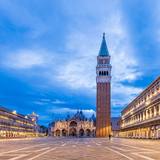
Venice spreads over more than a hundred small islands linked by nearly four hundred bridges. The Grand Canal winds through it in the shape of a reversed S. There are no cars or bicycles here. You walk or you take a boat. The streets are called calli, the squares are called campi, and only one square has the right to the name piazza, the one at St Mark's.
Millions of Trunks Under Venice
Millions of tree trunks, planted upside down in the mud. That is what Venice stands on! More than fifteen hundred years ago, families fled invaders by hiding on the islets of a lagoon. To build their houses on the mud, they drove in these trunks, a whole forest turned upside down. Underwater, with no air, the wood does not rot. It becomes as hard as stone.
The Winged Lion
Did you know? The symbol of Venice is a lion with wings, often holding an open book between its paws. It is the emblem of Saint Mark, the protector of the city. Venetian merchants supposedly stole his body from Alexandria, in Egypt, by hiding it under pork so the Muslim guards would not search their basket. Since then, the lion has been everywhere in the city.
The Lion Challenge
During your stay, count all the winged lions you spot, on buildings, flags, columns, doors, and even manhole covers. In St Mark's Square, look for the one perched on top of a tall column, facing the lagoon. In front of the Arsenal, other stone lions, brought from Greece, guard the entrance. One of them has strange writing carved on its shoulder by Viking warriors.
The Quiz
Where does the word ciao, which Italians say to greet each other, come from? Answer: from Venice! In Venetian, people used to say s'ciavo vostro, which meant I am your servant. Over time, the phrase got shorter and became ciao, and it traveled around the world.
Don't miss
St Mark's SquareSt Mark's · 30 min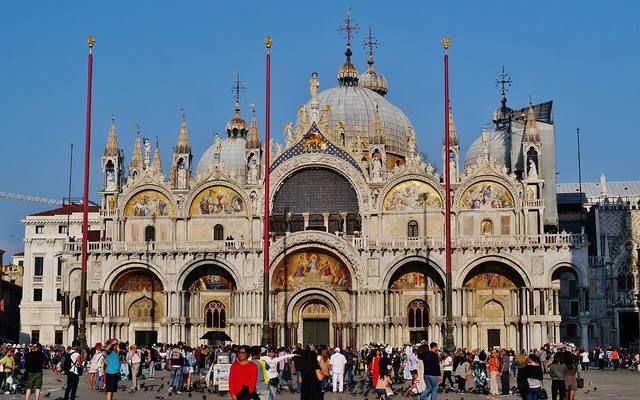 St Mark's BasilicaSt Mark's · about 1 h
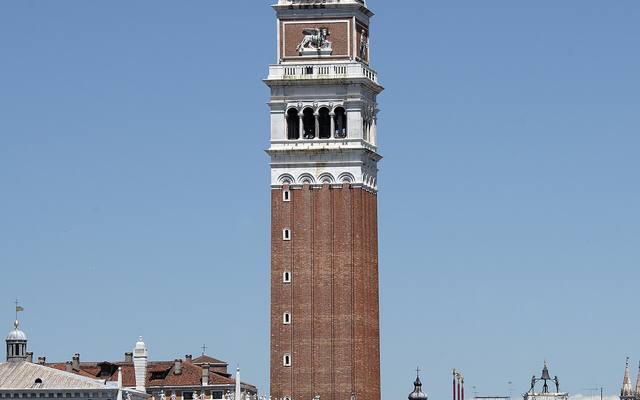 St Mark's CampanileSt Mark's · 45 min
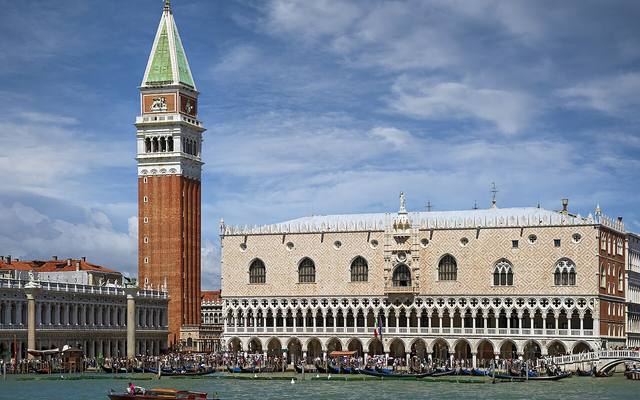 Doge's PalaceSt Mark's · about 2 h
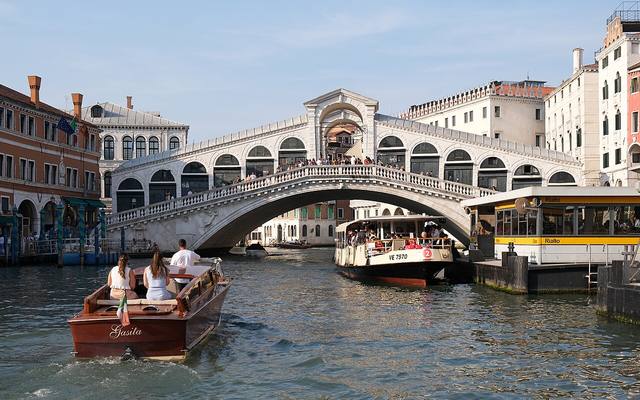 Rialto BridgeGrand Canal & Rialto · 20 min
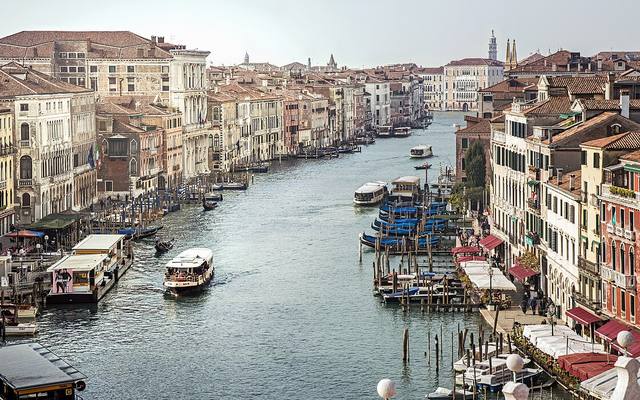 Grand Canal by VaporettoGrand Canal & Rialto · about 1 h
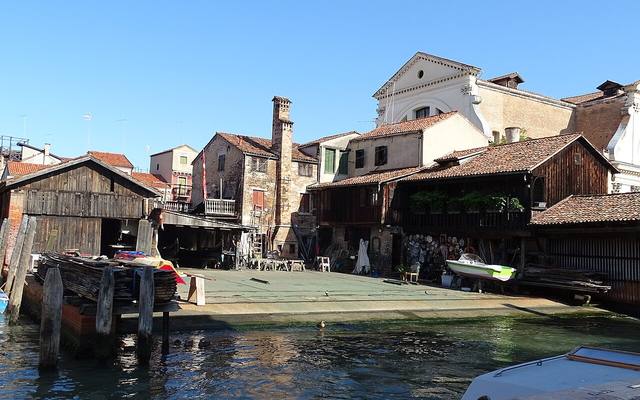 San Trovaso Gondola YardGrand Canal & Rialto · 15 min
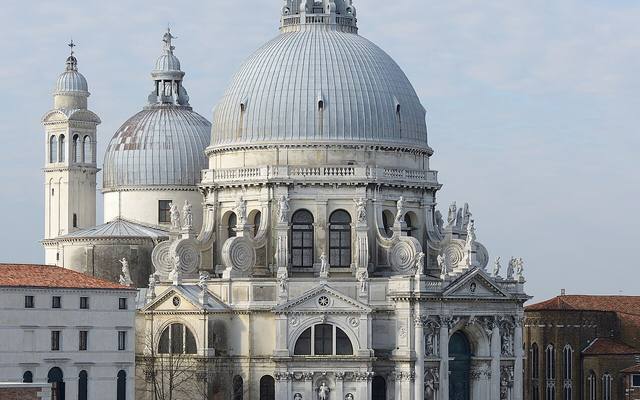 Salute BasilicaChurches & Scuole · 30 min
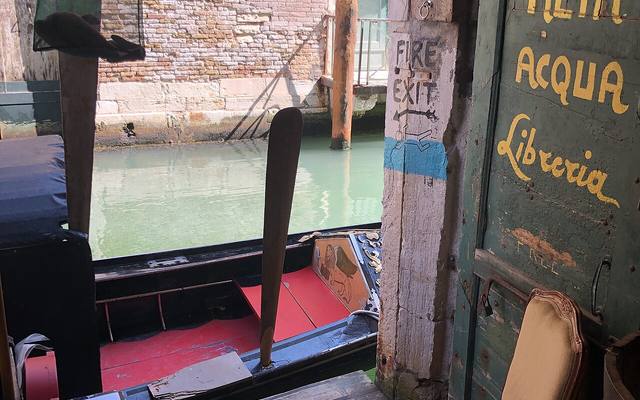 Acqua Alta BookshopPalaces & Museums · 20 min
All places
St Mark's
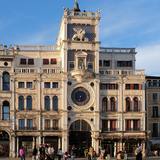
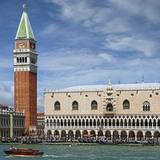
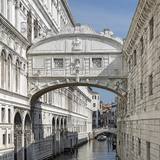
Grand Canal & Rialto
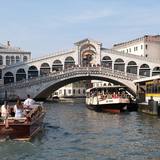 Rialto BridgeGrand Canal & Rialto · 20 minMust-see
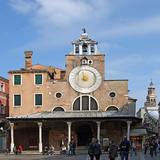 Rialto MarketGrand Canal & Rialto · 30 min
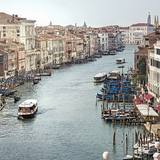 Grand Canal by VaporettoGrand Canal & Rialto · about 1 hMust-see
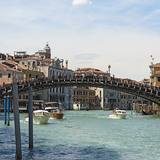 Accademia BridgeGrand Canal & Rialto · 15 min
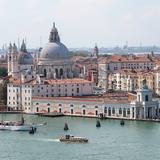 Punta della DoganaGrand Canal & Rialto · 20 min
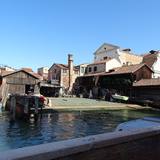 San Trovaso Gondola YardGrand Canal & Rialto · 15 minMust-see
Churches & Scuole
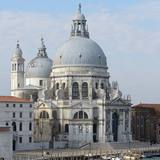 Salute BasilicaChurches & Scuole · 30 minMust-see
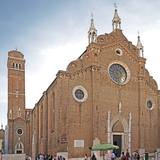 Frari BasilicaChurches & Scuole · 45 min
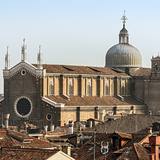 Basilica of Saints John and PaulChurches & Scuole · 45 min
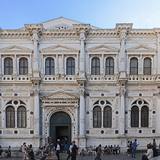 Scuola Grande di San RoccoChurches & Scuole · 45 min
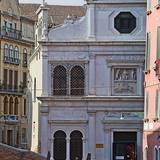 Scuola of Saint George of the DalmatiansChurches & Scuole · 30 min
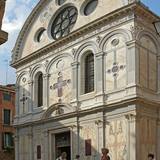 Church of the MiraclesChurches & Scuole · 20 min
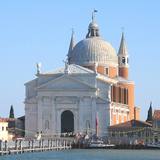 Church of the RedeemerChurches & Scuole · 45 min
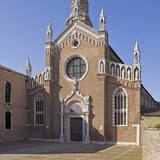 Church of the Madonna dell'OrtoChurches & Scuole · 40 min
Palaces & Museums
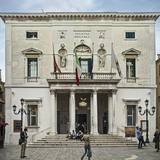 La Fenice TheaterPalaces & Museums · about 1 h
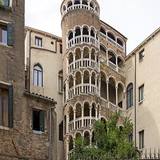 Bovolo StaircasePalaces & Museums · 30 min
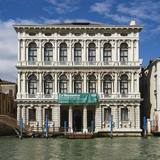 Ca' RezzonicoPalaces & Museums · about 1 h
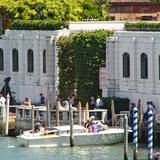 Peggy Guggenheim CollectionPalaces & Museums · about 1 h
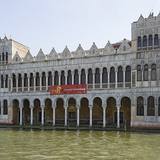 Natural History MuseumPalaces & Museums · 1 h 30
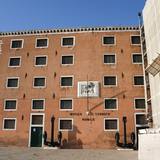 Naval MuseumPalaces & Museums · about 1 h
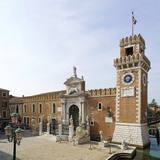 ArsenalPalaces & Museums · 20 min
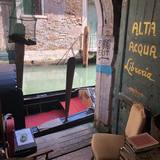 Acqua Alta BookshopPalaces & Museums · 20 minMust-see
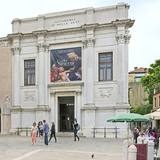 Gallerie dell'AccademiaPalaces & Museums · about 2 h
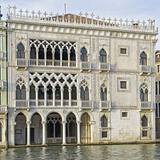 Ca' d'Oro and the Franchetti GalleryPalaces & Museums · 1 h 15
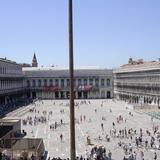 Correr Museum and Marciana LibraryPalaces & Museums · about 2 h
Squares & Neighborhoods
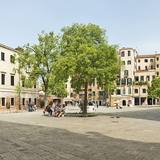 Jewish Ghetto of VeniceSquares & Neighborhoods · 45 min
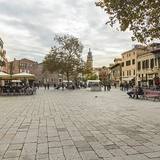 Campo Santa MargheritaSquares & Neighborhoods · 20 min
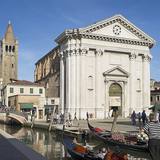 Campo San BarnabaSquares & Neighborhoods · 20 min
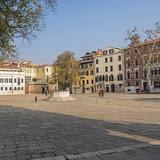 Campo San PoloSquares & Neighborhoods · 15 min
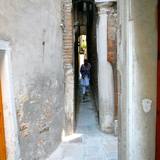 Calle VariscoSquares & Neighborhoods · 10 min
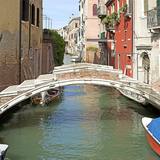 Ponte ChiodoSquares & Neighborhoods · 10 min
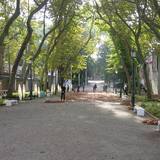 Public Gardens of CastelloSquares & Neighborhoods · 45 min
Islands of the Lagoon

The full stories, the audio, the offline map and the challenges for kids.