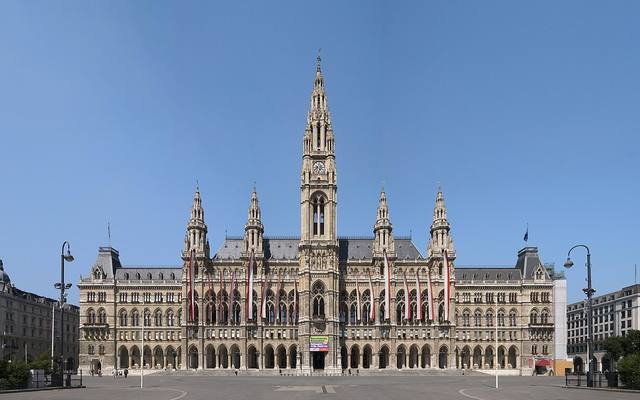
Peekwick
The Graben and the Plague Column
Vienna · Stephansdom, Graben and the old town · Squares, streets and markets · 40 min
A ditch turned luxury street
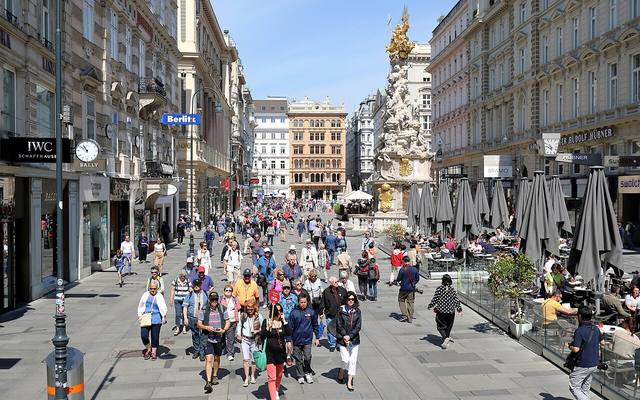
The word Graben means ditch in German, and the name is a memory. In the first century AD, the Romans built the military camp of Vindobona here and dug a defensive ditch at its foot. In the twelfth century, the Babenberg dukes enlarged the city with the money from an enormous ransom. It was paid to free King Richard the Lionheart of England, who was held prisoner in Austria. The ditch was filled in, but the name remained. In the Middle Ages it was a very busy market, selling vegetables, fruit, bread, meat and flowers. Today it is one of the most expensive streets in the city, lined with luxury shops. Since 1971 it has also been a car-free street, one of the first in Vienna.
In the app, this story goes on for 6 parts, to read or listen to, with one voice for grown-ups and another for kids.
His name was Leopold
His name was Leopold, he was emperor, and in 1679 he was very afraid. A terrible disease, the plague, was spreading through Vienna. It passed from one person to another without warning. Tens of thousands of people died. The emperor and his family left the city to take shelter. He made a vow: if the epidemic stopped, he would have a monument built to say thank you. The epidemic stopped. So Leopold kept his promise. On the Graben street today stands a gigantic monument, made of stone clouds, angels and gold.
In the app, this story goes on for 6 parts, to read or listen to, with one voice for grown-ups and another for kids.

The full stories, the audio, the offline map and the challenges for kids.