 Peekwick
Bangkok
Thailand
A capital born from a disaster
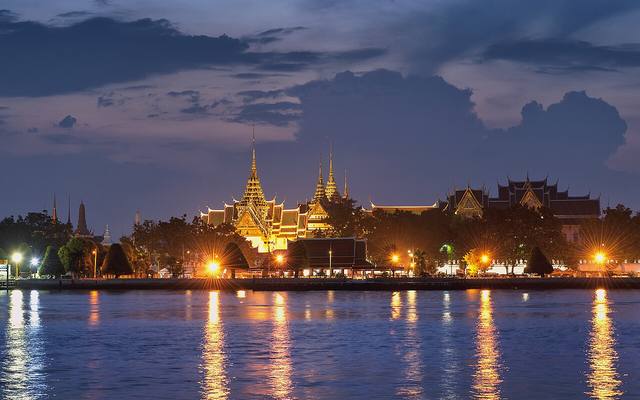
In 1767, the Burmese army destroyed Ayutthaya, the brilliant capital of the kingdom of Siam. A general named Taksin gathered the survivors and set up a new capital at Thonburi, on the west bank of the Chao Phraya River. In 1782, his successor, King Rama I, founder of the Chakri dynasty that still reigns today, crossed the river and built his capital on the opposite bank. He protected it with a network of canals and raised the Grand Palace there.
The Venice of the East
For more than a century, Bangkok lived on the water. People got around by boat on the khlongs, the canals, and many lived in floating houses. In the nineteenth century, Kings Mongkut and Chulalongkorn modernized the country and negotiated cleverly with the European powers. Siam, which took the name Thailand in 1939, was the only country in Southeast Asia never to be colonized.
A bustling megacity
In the second half of the twentieth century, most of the canals were filled in to make room for roads, and the city exploded. Today the urban area has more than ten million people. Skyscrapers stand next to golden temples, and giant shopping malls sit beside street markets. Thai people do not call their capital Bangkok. They call it Krung Thep, the city of angels.
How to read the city
The Chao Phraya River is the backbone of Bangkok. On its east bank, Rattanakosin Island holds the Grand Palace and the great temples, with Chinatown just to the south. Farther east lies the modern city, around the Siam district and Sukhumvit Road, served by the elevated train. On the west bank, old Thonburi still has canals and houses on stilts.
A name that lasts a minute
Do you know how long it takes to say the real name of Bangkok? Almost a minute! The official name of the city has more than a hundred and sixty letters. It says that this is the city of angels, the great city of the immortals, the magnificent city of nine precious gems, and much more. Thai people simply say Krung Thep, the city of angels. A popular song even helps you remember it.
The Buddha who changes clothes
Did you know? In the holiest temple in the country, Wat Phra Kaew, sits a small Buddha carved from green stone, the Emerald Buddha. Three times a year, at the start of each season, the king himself comes to change its golden clothes. There is one outfit for the hot season, one for the rainy season and one for the cool season.
The challenge of the Buddha's feet
At Wat Pho, the Reclining Buddha is forty-six meters long. Go and look at his feet. They are bigger than you and decorated with mother-of-pearl, a shiny material that comes from seashells. You can see a hundred and eight little pictures. Try to recognize a few of them, like animals, flowers and palaces. Behind the statue, listen to the clink of the coins that visitors drop into a hundred and eight bronze bowls for good luck.
The quiz
What do Thai people do in the street to celebrate the New Year in April? Answer: a huge water fight! During the Songkran festival, everyone sprays each other with buckets, hoses and water pistols. Long ago, people gently poured scented water over the hands of elders to honor them and wash away the troubles of the past year.
Don't miss
Grand PalacePalaces and royal sites · about 2 h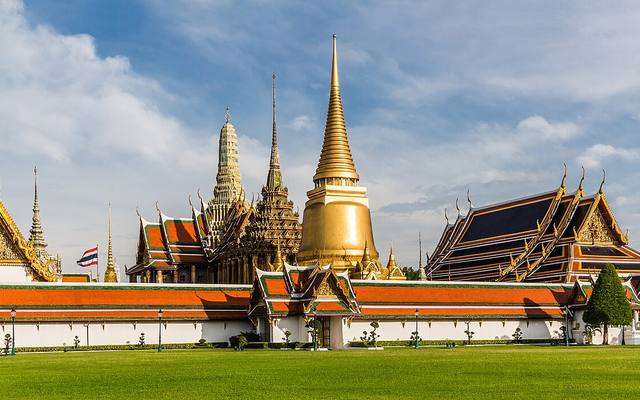 Wat Phra Kaew, the Temple of the Emerald BuddhaTemples and places of worship · 1 h 15
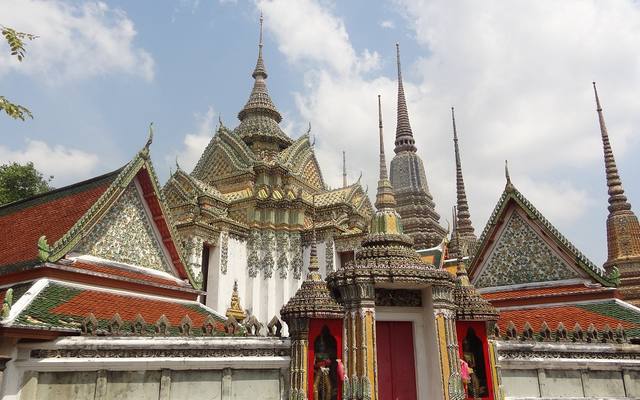 Wat Pho, the Temple of the Reclining BuddhaTemples and places of worship · 1 h 15
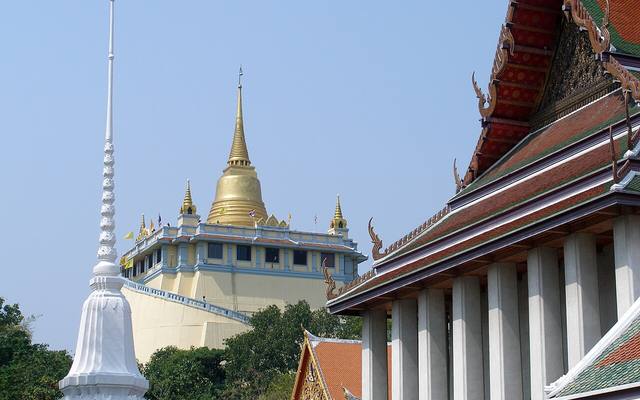 Wat Saket and the Golden MountTemples and places of worship · about 1 h
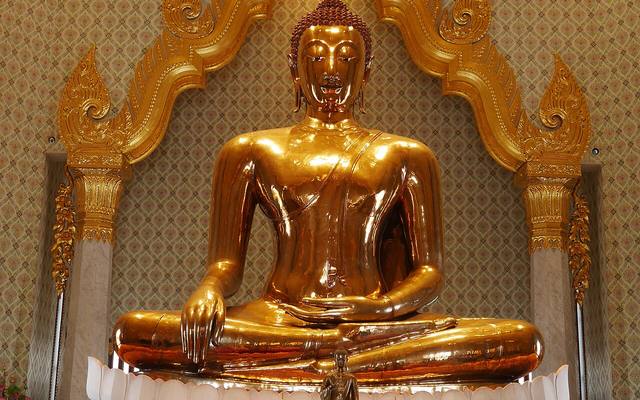 Wat Traimit, the Golden BuddhaTemples and places of worship · 45 min
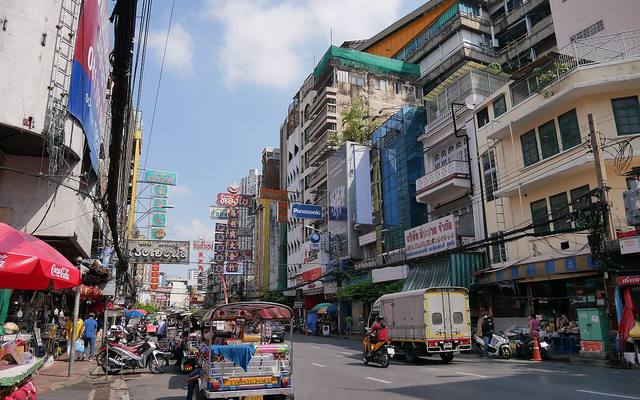 Yaowarat, the Golden Avenue of ChinatownMarkets and streets · 1 h 30
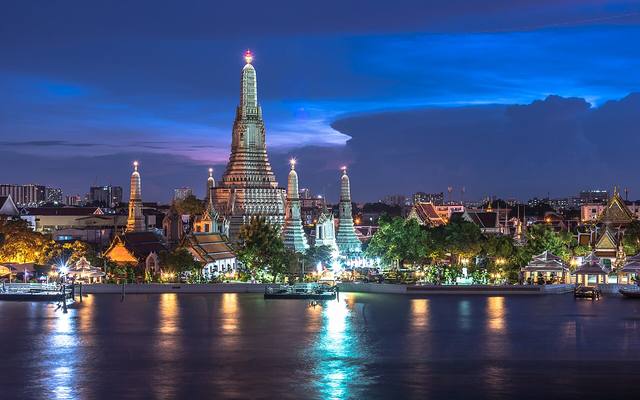 Wat Arun, the Temple of DawnTemples and places of worship · 1 h 15
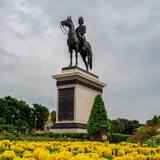
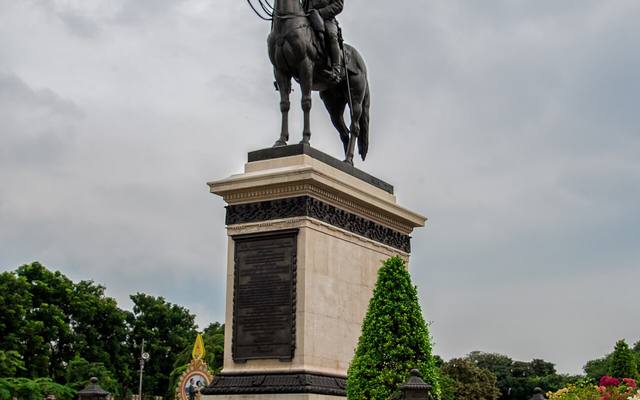 Royal Plaza and the Equestrian Statue of Rama VPalaces and royal sites · 30 min
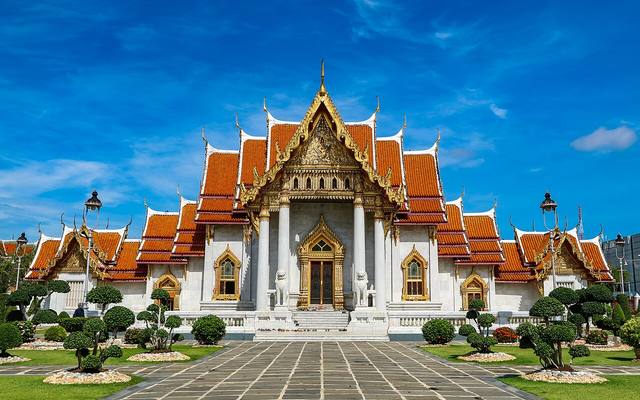 Wat Benchamabophit, the Marble TempleTemples and places of worship · 45 min
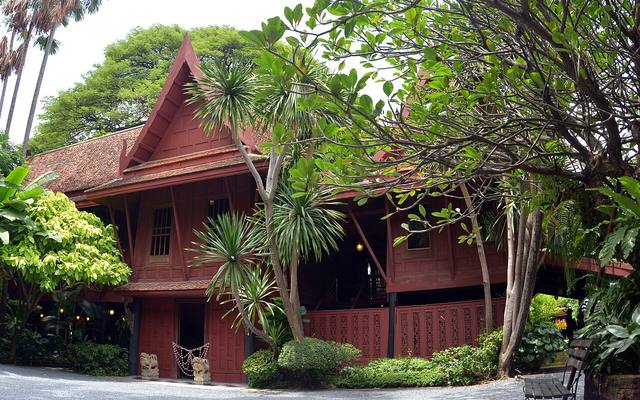 Jim Thompson HouseMuseums · 1 h 15
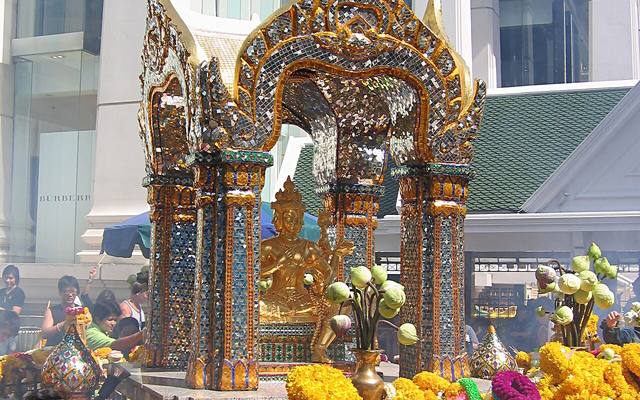 Erawan ShrineTemples and places of worship · 30 min
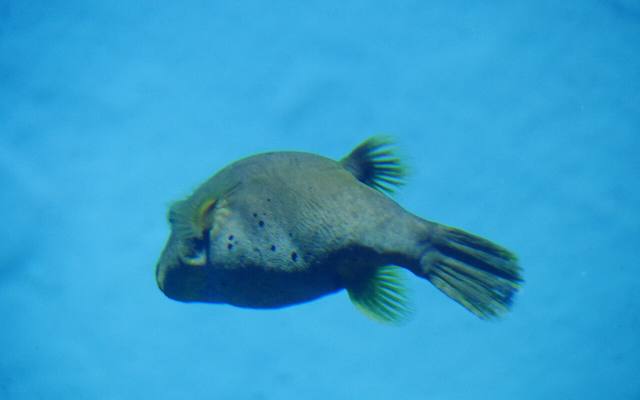 Sea Life Bangkok Ocean WorldMuseums · 1 h 30
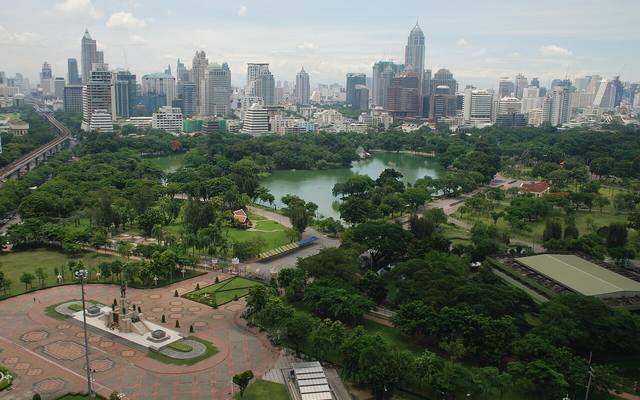 Lumphini ParkNeighborhoods, parks and viewpoints · 1 h 15
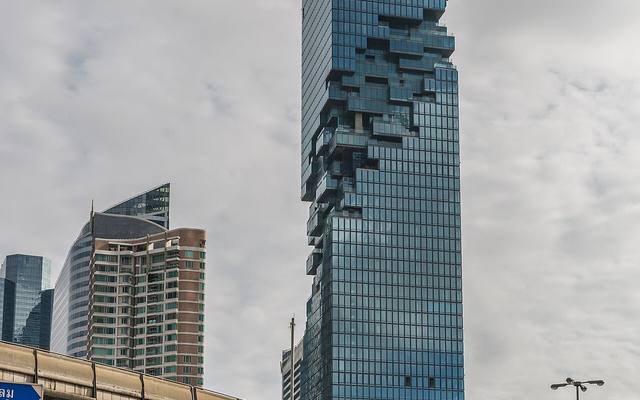 King Power Mahanakhon Observation DeckNeighborhoods, parks and viewpoints · 1 h 30
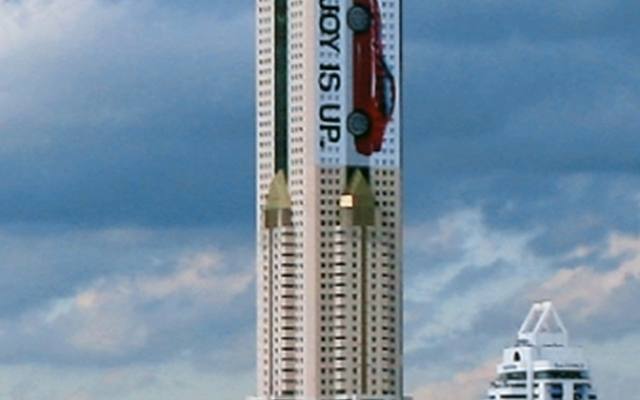 Baiyoke Tower II and Its Observation DeckNeighborhoods, parks and viewpoints · 1 h 30
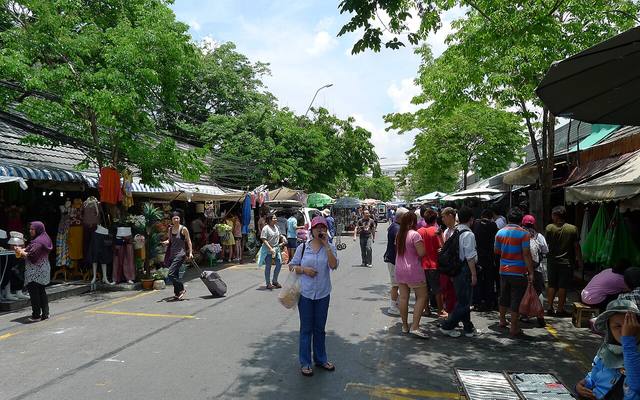 Chatuchak MarketMarkets and streets · about 2 h
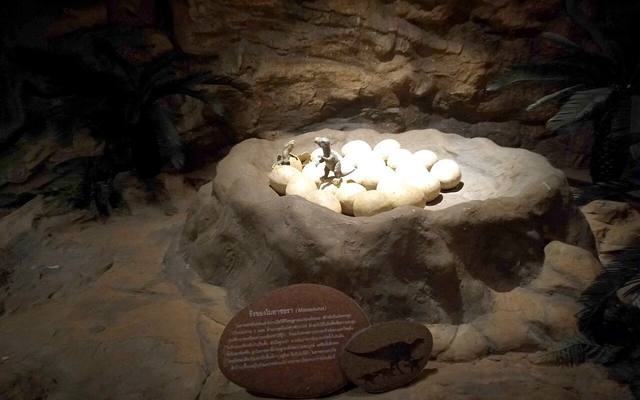 The Children's Discovery MuseumMuseums · 1 h 30
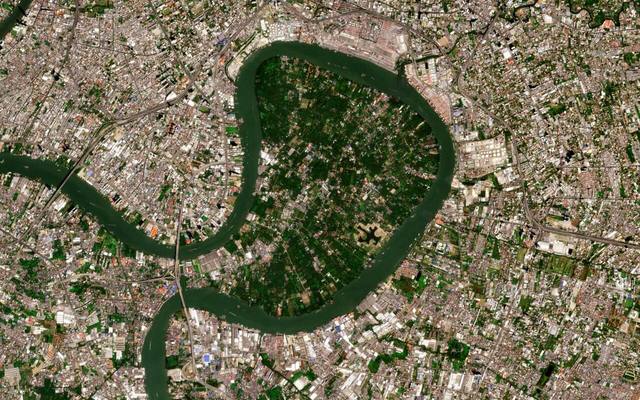 Bang Kachao, the Green Lung of BangkokNeighborhoods, parks and viewpoints · 2 h 30
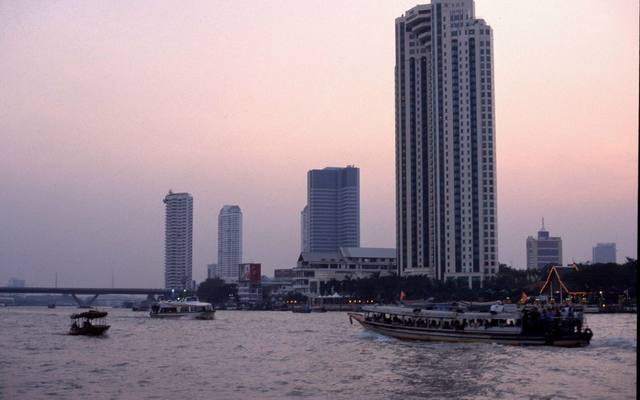 The Chao Phraya River BoatsNeighborhoods, parks and viewpoints · 1 h 30
All places
Palaces and royal sites
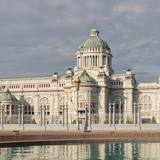
Temples and places of worship
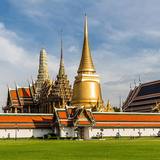 Wat Phra Kaew, the Temple of the Emerald BuddhaTemples and places of worship · 1 h 15Must-see
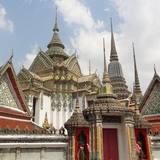 Wat Pho, the Temple of the Reclining BuddhaTemples and places of worship · 1 h 15Must-see
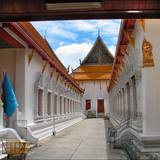 Wat MahathatTemples and places of worship · 45 min
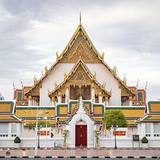 Wat Suthat and the Giant SwingTemples and places of worship · 50 min
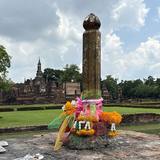 The City Pillar ShrineTemples and places of worship · 30 min
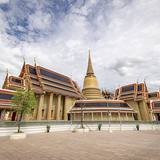 Wat RatchabophitTemples and places of worship · 40 min
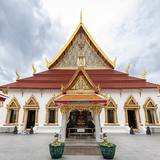 Wat Chana SongkhramTemples and places of worship · 20 min
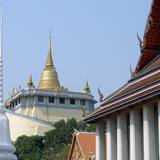 Wat Saket and the Golden MountTemples and places of worship · about 1 hMust-see
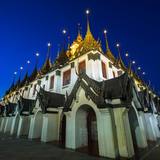 Loha Prasat, the Iron CastleTemples and places of worship · 30 min
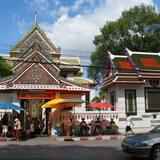 Wat BowonniwetTemples and places of worship · 25 min
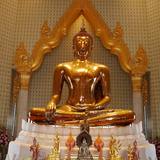 Wat Traimit, the Golden BuddhaTemples and places of worship · 45 minMust-see
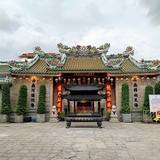 Wat Mangkon KamalawatTemples and places of worship · 30 min
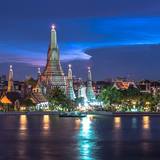 Wat Arun, the Temple of DawnTemples and places of worship · 1 h 15Must-see
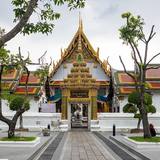 Wat RakhangTemples and places of worship · 45 min
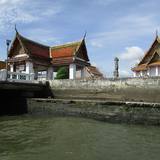 Wat KalayanamitTemples and places of worship · 40 min
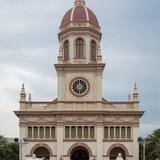 Santa Cruz ChurchTemples and places of worship · 40 min
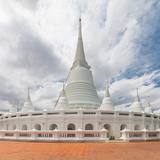 Wat Prayurawongsawat and Turtle MountainTemples and places of worship · 45 min
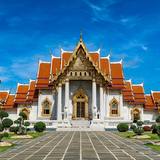 Wat Benchamabophit, the Marble TempleTemples and places of worship · 45 minMust-see
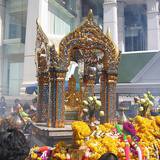 Erawan ShrineTemples and places of worship · 30 minMust-see
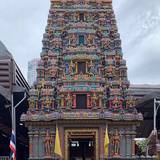 Sri Mariamman Hindu TempleTemples and places of worship · 30 min
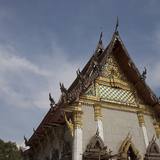 Wat Intharawihan and Its Standing BuddhaTemples and places of worship · 45 min
Markets and streets
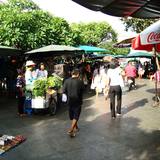 Tha Phra Chan Amulet MarketMarkets and streets · 30 min
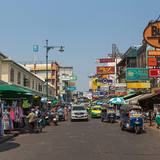 Khao San RoadMarkets and streets · about 1 h
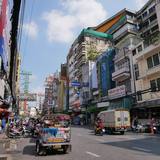 Yaowarat, the Golden Avenue of ChinatownMarkets and streets · 1 h 30Must-see
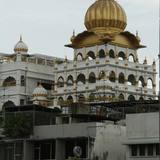 Pahurat, Bangkok's Little BombayMarkets and streets · 45 min
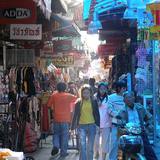 Soi SampengMarkets and streets · 40 min
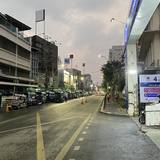 Wang Lang MarketMarkets and streets · 45 min
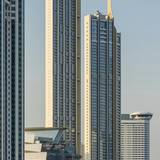 ICONSIAMMarkets and streets · 1 h 30
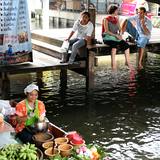 Taling Chan Floating MarketMarkets and streets · 1 h 30
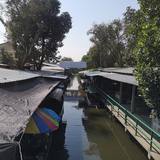 Khlong Lat Mayom Floating MarketMarkets and streets · 1 h 30
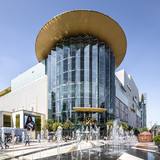 Siam Square and Siam ParagonMarkets and streets · 1 h 30
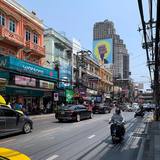 Charoen Krung, Bangkok's First AvenueMarkets and streets · about 1 h
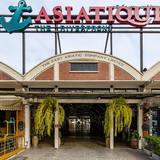 Asiatique The RiverfrontMarkets and streets · 1 h 40
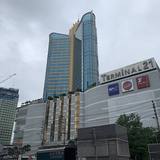 Terminal 21Markets and streets · 1 h 15
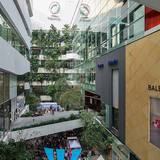 The EmQuartierMarkets and streets · about 1 h
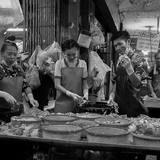 Khlong Toei MarketMarkets and streets · 30 min
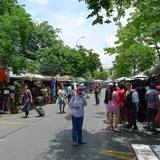 Chatuchak MarketMarkets and streets · about 2 hMust-see
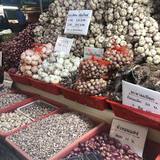 Or Tor Kor MarketMarkets and streets · about 1 h
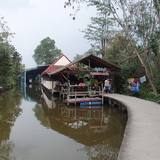 Bang Nam Phueng MarketMarkets and streets · 1 h 15
Museums
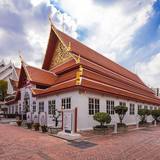 National Museum BangkokMuseums · 1 h 30
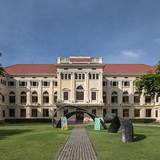 Museum SiamMuseums · 1 h 30
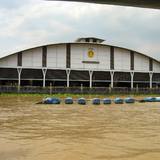 The Royal Barges MuseumMuseums · 50 min
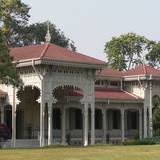 Abhisek Dusit Throne HallMuseums · 45 min
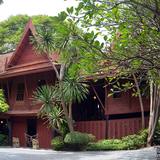 Jim Thompson HouseMuseums · 1 h 15Must-see
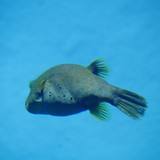 Sea Life Bangkok Ocean WorldMuseums · 1 h 30Must-see
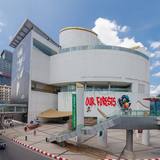 Bangkok Art and Culture CentreMuseums · 1 h 15
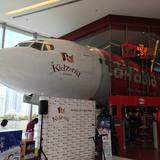 KidZania BangkokMuseums · 2 h 30
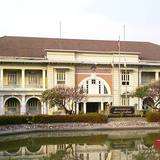 Snake Farm at the Queen Saovabha InstituteMuseums · 1 h 15The Bangkok Doll MuseumMuseums · 45 min
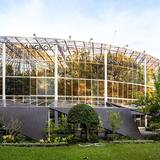 Chatuchak Butterfly GardenMuseums · about 1 h
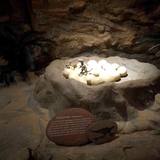 The Children's Discovery MuseumMuseums · 1 h 30Must-see
Neighborhoods, parks and viewpoints
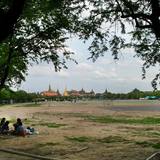 Sanam LuangNeighborhoods, parks and viewpoints · 40 min
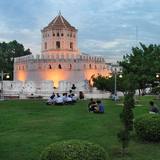 Santichaiprakan Park and Phra Sumen FortNeighborhoods, parks and viewpoints · 30 min
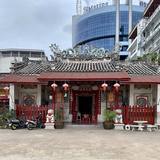 Talat NoiNeighborhoods, parks and viewpoints · about 1 h
 King Rama IX Memorial ParkNeighborhoods, parks and viewpoints · 1 h 30
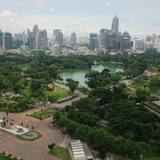 Lumphini ParkNeighborhoods, parks and viewpoints · 1 h 15Must-see
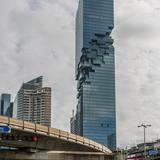 King Power Mahanakhon Observation DeckNeighborhoods, parks and viewpoints · 1 h 30Must-see
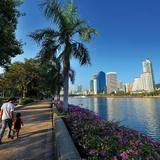 Benjakitti Forest ParkNeighborhoods, parks and viewpoints · about 1 h
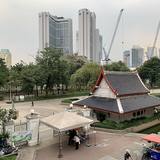 Benjasiri ParkNeighborhoods, parks and viewpoints · 30 min
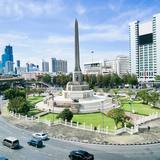 Victory MonumentNeighborhoods, parks and viewpoints · 30 min
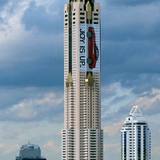 Baiyoke Tower II and Its Observation DeckNeighborhoods, parks and viewpoints · 1 h 30Must-see
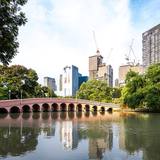 Chatuchak ParkNeighborhoods, parks and viewpoints · 45 min
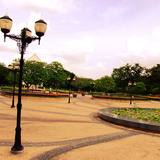 Queen Sirikit ParkNeighborhoods, parks and viewpoints · 45 min
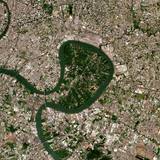 Bang Kachao, the Green Lung of BangkokNeighborhoods, parks and viewpoints · 2 h 30Must-see
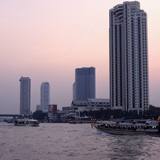 The Chao Phraya River BoatsNeighborhoods, parks and viewpoints · 1 h 30Must-see
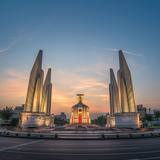 The Democracy MonumentNeighborhoods, parks and viewpoints · 30 min

The full stories, the audio, the offline map and the challenges for kids.