 Peekwick
Barcelona
Spain
From Barcino to the Mediterranean
Under Emperor Augustus, the Romans founded Barcino, a small fortified town on a hill near the sea. Its walls and a few columns from a temple still hide in the lanes of the Gothic Quarter. In the Middle Ages, Barcelona became the capital of a powerful county, then the great port of the Crown of Aragon. Its merchants traded all over the Mediterranean and paid for the Gothic churches that make the old city so beautiful today.
Catalan pride
On September 11, 1714, after a long siege, the city fell to the troops of King Philip V, who abolished the Catalan institutions. That date is now the national day of Catalonia. Barcelona is deeply attached to its language, Catalan, which you hear everywhere alongside Spanish. You will see it on every sign, and a simple thank you in Catalan always brings a smile.
Gaudí's city
In the nineteenth century, the industrial city tore down its ramparts and spread across a huge grid, the Eixample, designed by the engineer Ildefons Cerdà. The newly rich middle class built extravagant buildings there, in a style called Modernisme. Antoni Gaudí was its genius, with the Sagrada Família, Casa Batlló, La Pedrera and Park Güell. In 1992, the Olympic Games gave the city back its waterfront and its beaches.
How to read the city
Barcelona stretches between the sea and the hills. La Rambla runs down from Plaça de Catalunya to the port, with the Gothic Quarter on one side and El Raval on the other. Above it, the streets of the Eixample cross at right angles, and their crossings have cut corners that form little squares. To the south, Montjuïc hill overlooks the port. To the north, Mount Tibidabo overlooks the whole city.
A church that is never finished
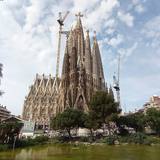
Work began in 1882, long before your great-great-grandparents were born, and it is still going on today. This is the Sagrada Família, a church that is always a construction site! Its architect, Antoni Gaudí, knew he would never see it finished. He would smile and say, "My client is not in a hurry." Its towers look like giant ears of corn. Inside, the columns open out like the branches of a forest made of stone.
The dragon of Casa Batlló
Did you know? The most popular legend in Catalonia says that Saint George, Sant Jordi in Catalan, killed a dragon to save a princess. A rose is said to have grown from the dragon's blood. Gaudí hid this story in Casa Batlló. Its wavy roof, covered in shiny tiles, is the dragon's back. The tower with a cross on top is the knight's lance. And the balconies look like masks or skulls.
The dragon challenge
Barcelona is the city of dragons. During your stay, count every one you see, on walls, doors, fountains and street lamps. There is a colorful mosaic one on the stairway in Park Güell, even though many people say it is a lizard. There is another one, made of wrought iron, guarding a gate by Gaudí. Your job is to track them down!
The quiz
What is a casteller? The answer: a member of a team that builds human towers! The strongest people form the base, then the others climb onto their shoulders, level by level. At the very top climbs a child, often six to ten years old, who raises a hand to greet the crowd before climbing down. Some towers are more than ten levels high.
Don't miss
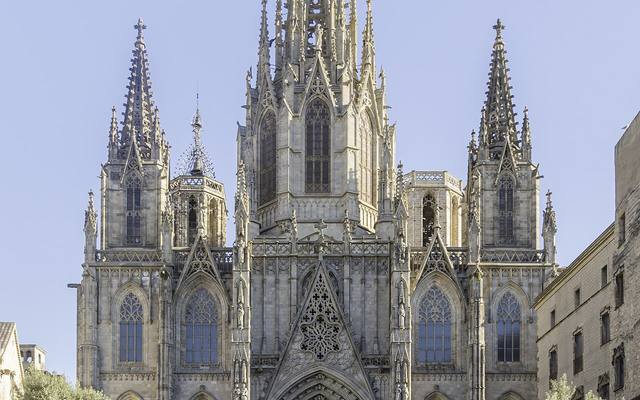
Barcelona CathedralChurches · 1 h 15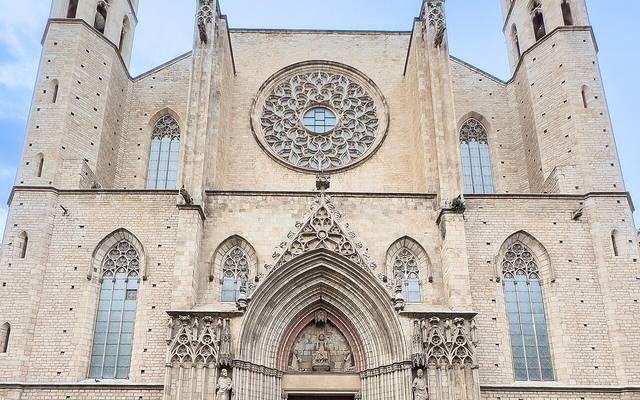 Santa Maria del Mar BasilicaChurches · about 1 h
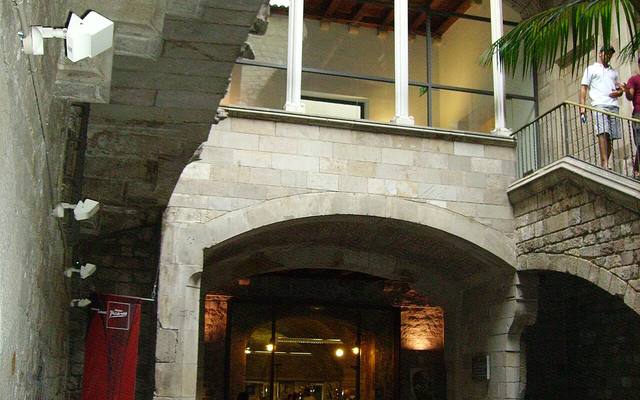 Picasso MuseumMuseums · about 2 h
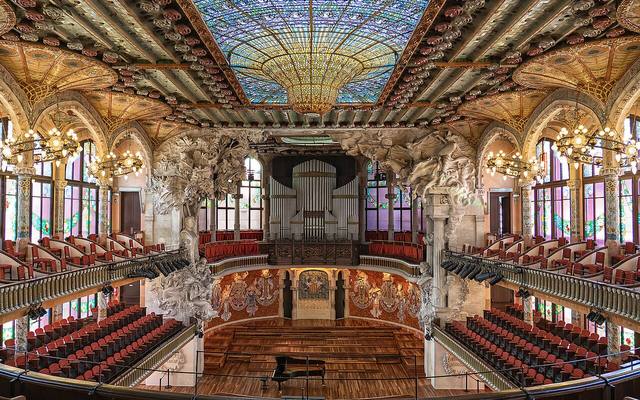 Palau de la Música CatalanaMonuments · about 1 h
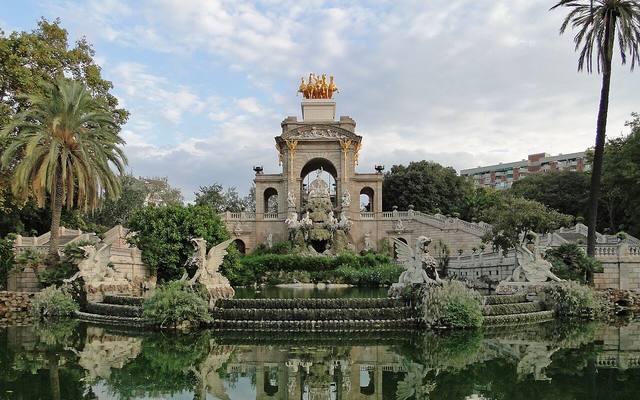 Ciutadella ParkParks and beaches · 1 h 30
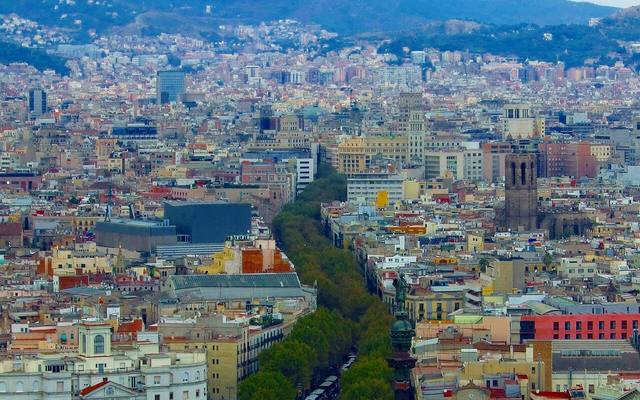 La RamblaSquares and streets · 45 min
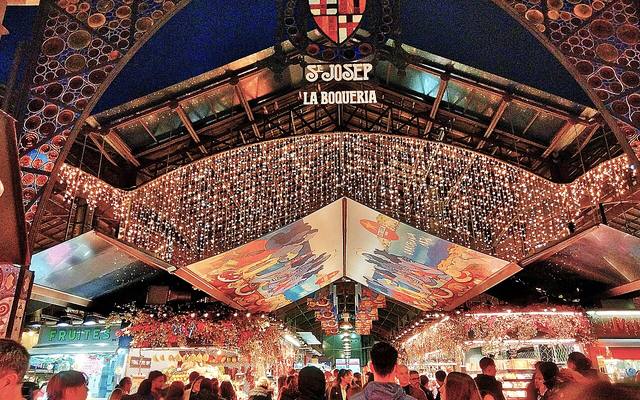 La Boqueria MarketSquares and streets · 45 min
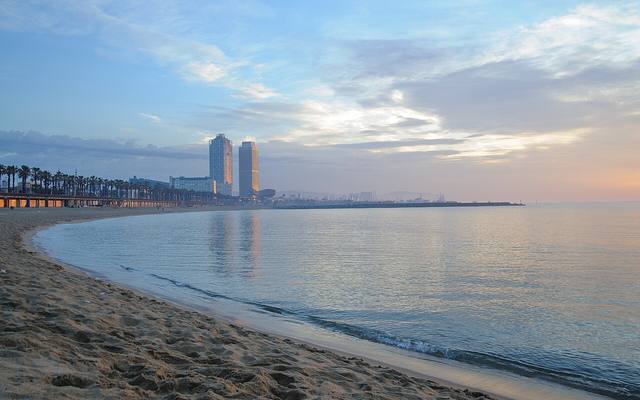 Barceloneta BeachParks and beaches · 1 h 30
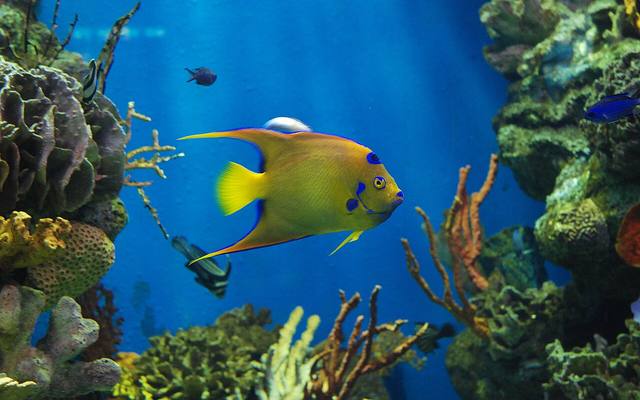 Barcelona AquariumFamily fun · about 2 h
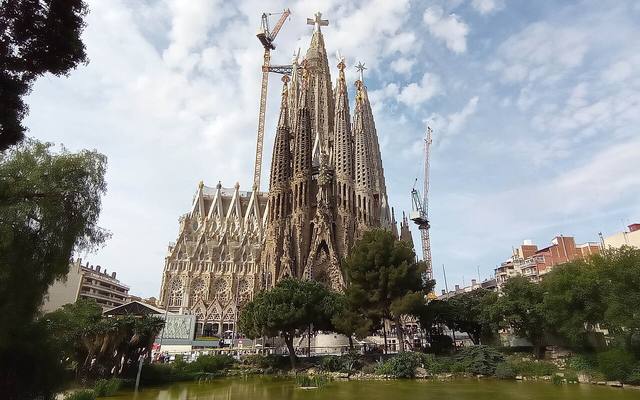 Sagrada Familia BasilicaChurches · 2 h 30
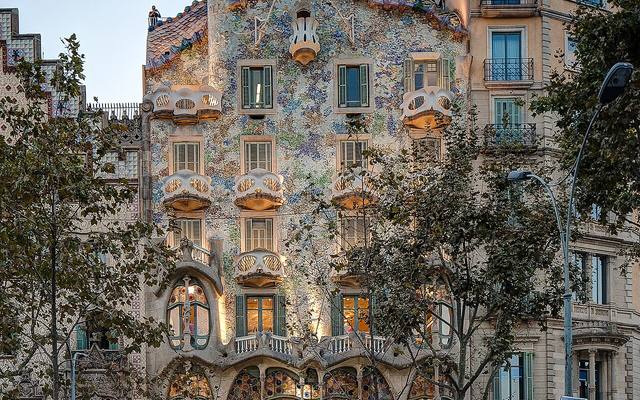 Casa BatllóMonuments · 1 h 30
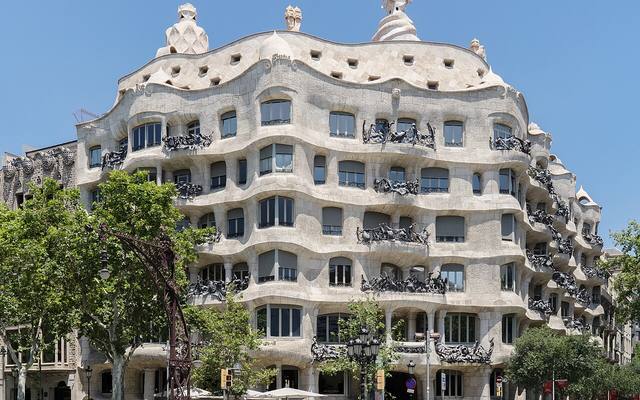 Casa Milà, La PedreraMonuments · 1 h 30
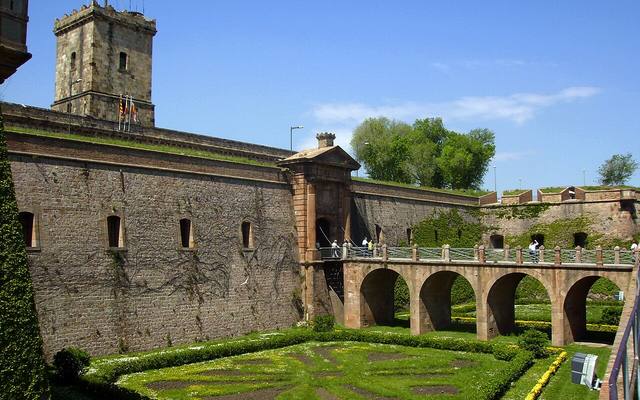 Montjuïc CastleMonuments · 1 h 15
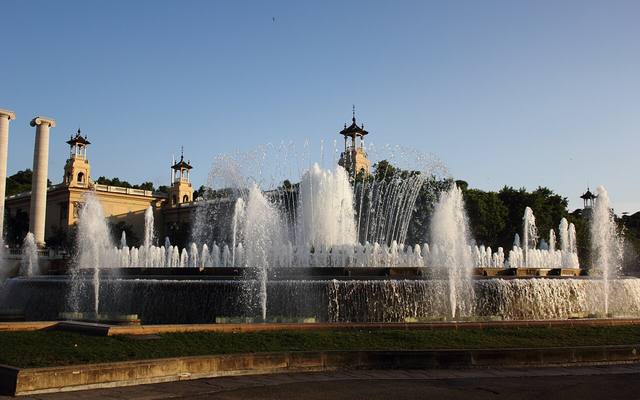 Magic Fountain of MontjuïcParks and beaches · 45 min
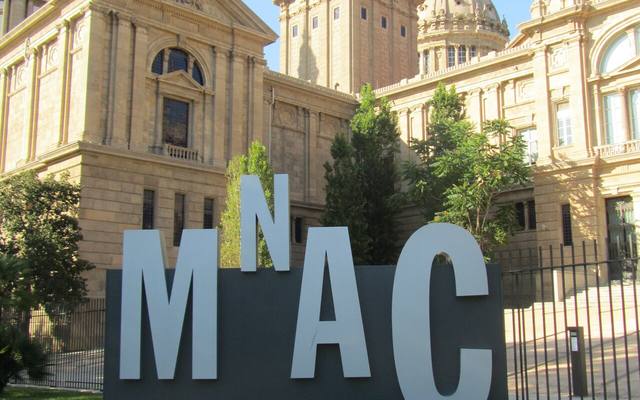 National Art Museum of CataloniaMuseums · 1 h 30
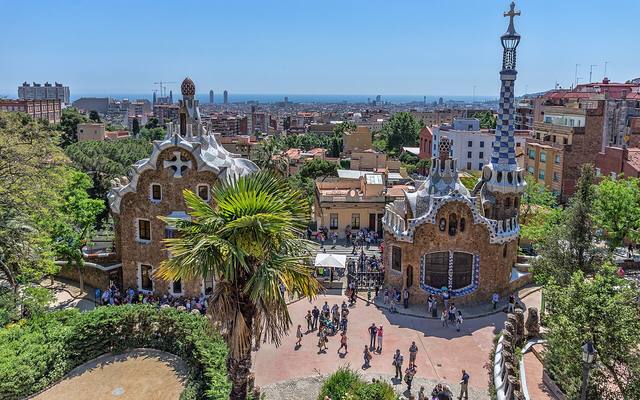 Park GüellParks and beaches · 1 h 30
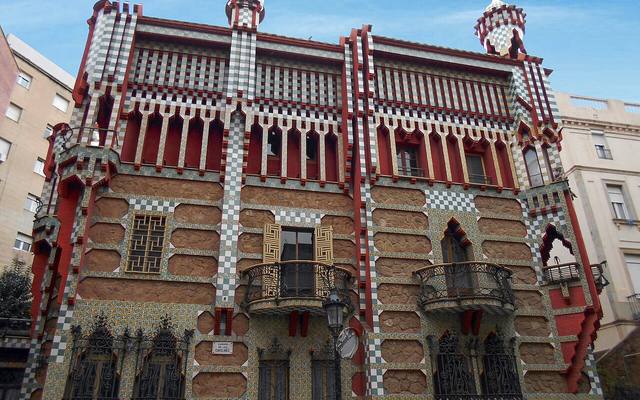 Casa VicensMonuments · about 1 h
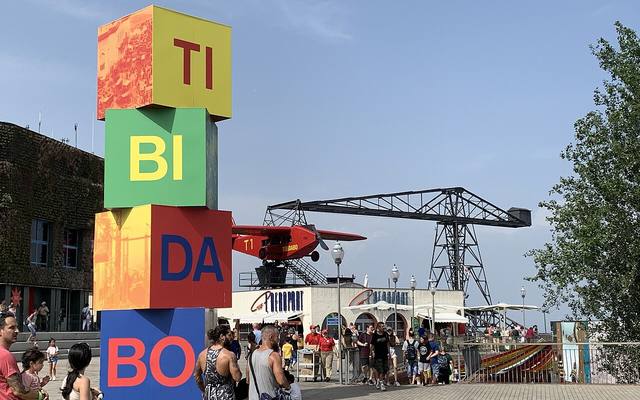 Tibidabo Amusement ParkFamily fun · 2 h 30
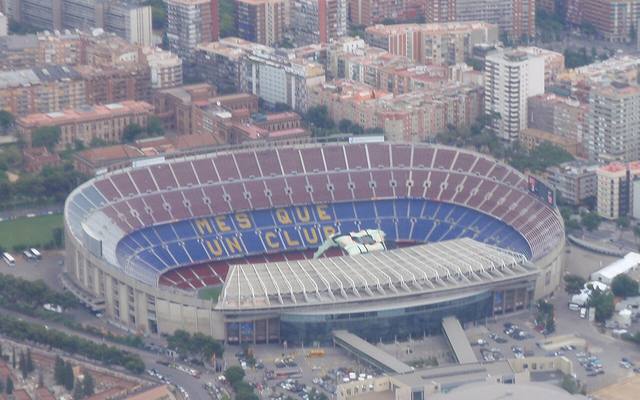 Camp Nou and the FC Barcelona MuseumFamily fun · about 2 h
All places
Monuments
 Roman Barcelona, MUHBA and Plaça del ReiMonuments · about 1 h
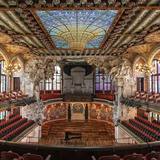 Palau de la Música CatalanaMonuments · about 1 hMust-see
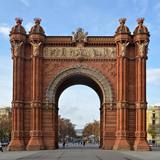 Arc de TriomfMonuments · 20 min
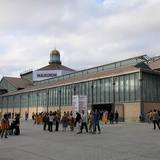 Born Centre CulturalMonuments · 45 min
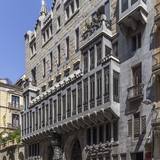 Palau GüellMonuments · about 1 h
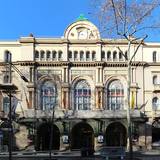 Gran Teatre del LiceuMonuments · 45 min
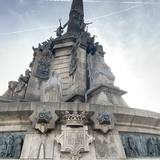 Columbus MonumentMonuments · 30 min
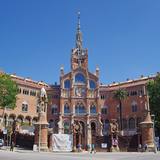 Hospital de Sant PauMonuments · 1 h 30
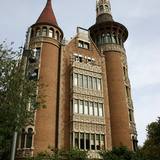 Casa de les PunxesMonuments · 30 min
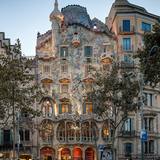 Casa BatllóMonuments · 1 h 30Must-see
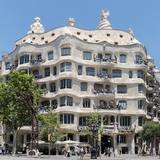 Casa Milà, La PedreraMonuments · 1 h 30Must-see
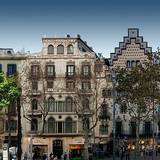 Block of Discord, Casa Amatller and Casa Lleó MoreraMonuments · 30 min
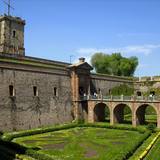 Montjuïc CastleMonuments · 1 h 15Must-see
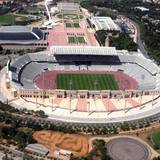 Lluís Companys Olympic StadiumMonuments · 30 min
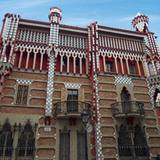 Casa VicensMonuments · about 1 hMust-see
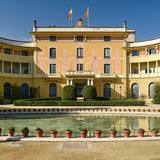 Pedralbes Royal PalaceMonuments · 45 min
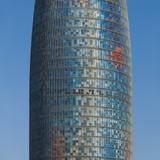 Agbar TowerMonuments · 15 min
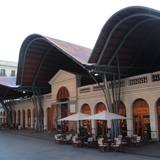 Santa Caterina MarketMonuments · 40 min
Museums
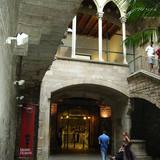 Picasso MuseumMuseums · about 2 hMust-see
 Chocolate MuseumMuseums · 45 min
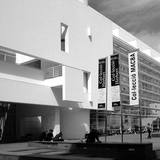 MACBA, Barcelona Museum of Contemporary ArtMuseums · about 1 h
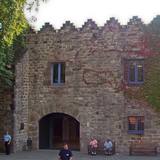 Maritime Museum, DrassanesMuseums · about 1 h
 Egyptian Museum of BarcelonaMuseums · 45 min
 Museu TàpiesMuseums · 45 min
 Joan Miró FoundationMuseums · 1 h 15
 National Art Museum of CataloniaMuseums · 1 h 30Must-see
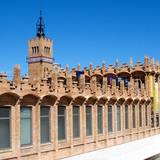 CaixaForumMuseums · about 1 h
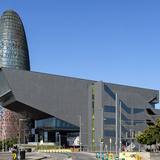 Barcelona Design MuseumMuseums · about 1 h
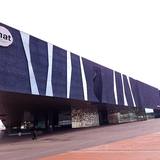 Museu BlauMuseums · about 1 h
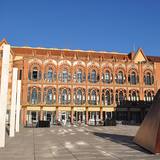 CosmoCaixaMuseums · about 3 h
 Frederic Marès MuseumMuseums · 1 h 15
Churches
Squares and streets
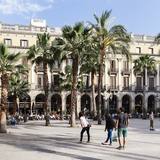 Plaça ReialSquares and streets · 30 min
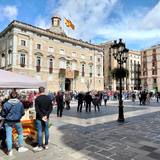 Plaça Sant JaumeSquares and streets · 20 min
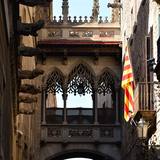 Carrer del Bisbe BridgeSquares and streets · 15 min
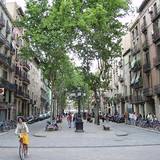 Passeig del BornSquares and streets · 20 min
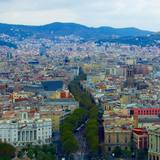 La RamblaSquares and streets · 45 minMust-see
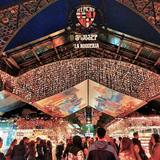 La Boqueria MarketSquares and streets · 45 minMust-see
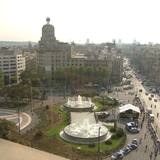 Plaça CatalunyaSquares and streets · 20 min
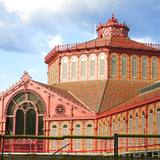 Mercat de Sant AntoniSquares and streets · 30 min
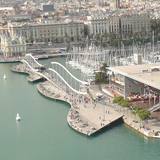 Rambla de Mar and Moll de la FustaSquares and streets · 30 min
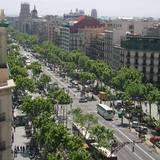 Passeig de GràciaSquares and streets · 30 min
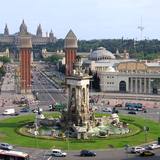 Plaça d'Espanya and Las Arenas BullringSquares and streets · 20 min
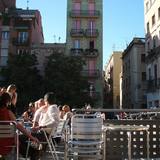 Plaça del SolSquares and streets · 20 min
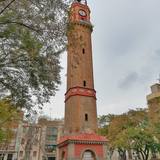 Plaça de la Vila de GràciaSquares and streets · 20 min
 Rambla del PoblenouSquares and streets · 30 min
 Plaça de Sant Felip NeriSquares and streets · 20 min
Parks and beaches
 Ciutadella ParkParks and beaches · 1 h 30Must-see
 Barceloneta BeachParks and beaches · 1 h 30Must-see
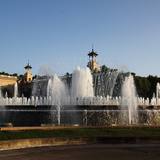 Magic Fountain of MontjuïcParks and beaches · 45 minMust-see
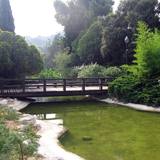 Mossèn Cinto Verdaguer GardensParks and beaches · 30 min
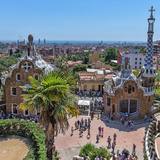 Park GüellParks and beaches · 1 h 30Must-see
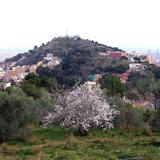 Bunkers del CarmelParks and beaches · 45 min
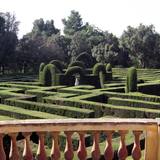 Horta Labyrinth ParkParks and beaches · about 1 h
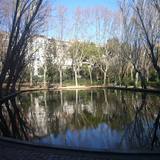 Turó ParkParks and beaches · 30 min
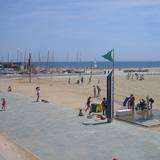 Bogatell BeachParks and beaches · about 1 h
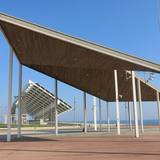 Fòrum Park and Diagonal MarParks and beaches · 45 min
Family fun
 Barcelona ZooFamily fun · 2 h 30
 Barcelona AquariumFamily fun · about 2 hMust-see
 Port Cable CarFamily fun · 30 min
 Poble EspanyolFamily fun · 1 h 30
 Montjuïc Cable CarFamily fun · 20 min
 Tibidabo Amusement ParkFamily fun · 2 h 30Must-see
 Collserola TowerFamily fun · 45 min
 Camp Nou and the FC Barcelona MuseumFamily fun · about 2 hMust-see
Day trips
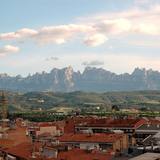 Montserrat, the mountain and its monasteryMonuments · about 6 hMust-see
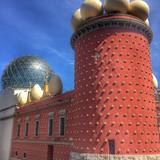 Figueres and the Dalí Theatre-MuseumMuseums · about 4 h
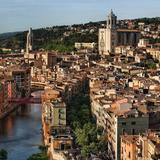 Girona, the city of colorful housesMonuments · about 5 h
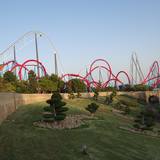 PortAventura ParkFamily fun · about 9 h
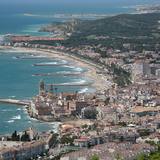 Sitges, the white town by the seaParks and beaches · about 5 h
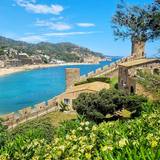 Tossa de Mar, the walled town by the waterMonuments · about 5 h
Planning Barcelona
EventsThe Three Kings Parade in Barcelona with kids: the evening of 5 January 2027Barcelona's Three Kings Parade on 5 January 2027: the Kings arrive by sea, parade from the port to Montjuïc and throw sweets. Times to confirm, plus tips for kids.November 9, 2026ItinerariesBarcelona in 3 days with kids: a day-by-day itineraryThree days in Barcelona as a family: Gaudí, Park Güell, Montjuïc and the old town, with visit times, what to book ahead and closing days to know about.November 5, 2026
The full stories, the audio, the offline map and the challenges for kids.