 Peekwick
Sitges, the white town by the sea
Barcelona · Parks and beaches · about 5 h
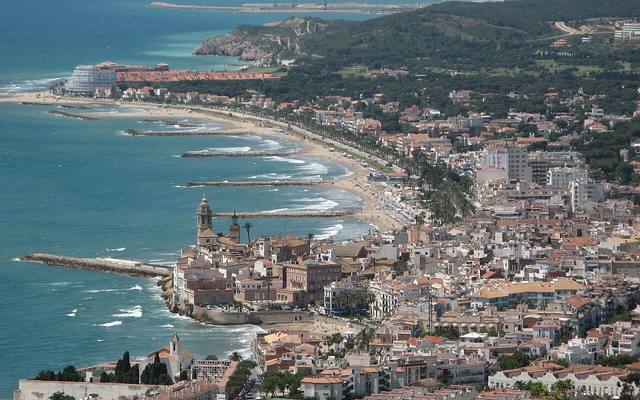
A village of silos turned resort
The name Sitges comes from an old Catalan word for underground silos used to store grain. The village first grew around these storehouses, on the Mediterranean shore, about forty kilometers south of Barcelona. In the nineteenth century, Catalans who had left to make their fortune in Cuba came back to build fine houses, with stained glass and colorful shutters. The founder of Bacardí rum, Facundo Bacardí, was born here in 1814. Today, Sitges has about thirty-two thousand inhabitants, and it welcomes many foreigners who have come to settle.
In the app, this story goes on for 7 parts, to read or listen to, with one voice for grown-ups and another for kids.
The painter who loved iron
Santiago Rusiñol collected iron. Not gold coins, but gates, keys, lanterns, and hooks, everything that blacksmiths had shaped. He filled his house in Sitges with it, the Cau Ferrat, which means roughly the iron den. It was also his painter's studio. He welcomed his artist friends there for parties, concerts, and endless discussions. Today, the house is a museum, and you can look there for the weirdest objects.
In the app, this story goes on for 7 parts, to read or listen to, with one voice for grown-ups and another for kids.

The full stories, the audio, the offline map and the challenges for kids.
Read next
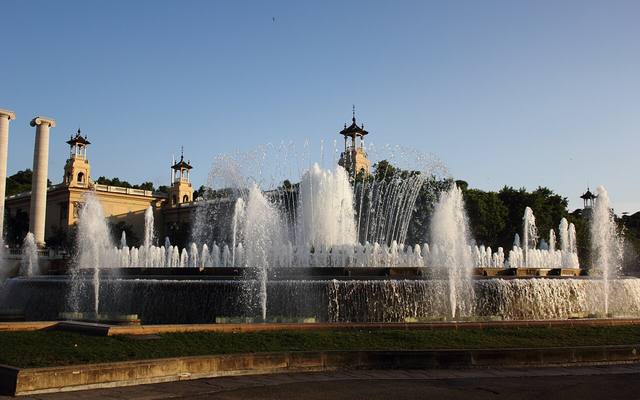 EventsThe Three Kings Parade in Barcelona with kids: the evening of 5 January 2027Barcelona's Three Kings Parade on 5 January 2027: the Kings arrive by sea, parade from the port to Montjuïc and throw sweets. Times to confirm, plus tips for kids.November 9, 2026
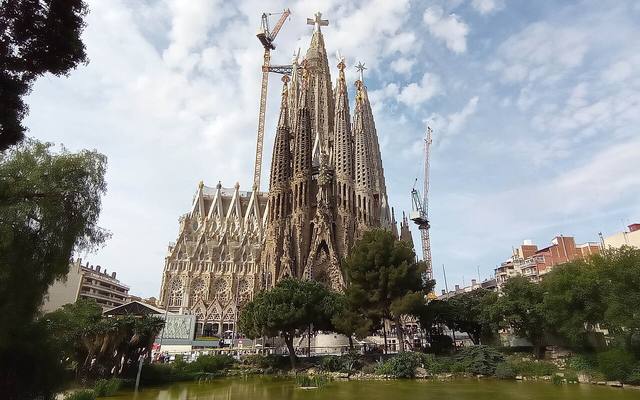 ItinerariesBarcelona in 3 days with kids: a day-by-day itineraryThree days in Barcelona as a family: Gaudí, Park Güell, Montjuïc and the old town, with visit times, what to book ahead and closing days to know about.November 5, 2026