 Peekwick
Florence
Italy
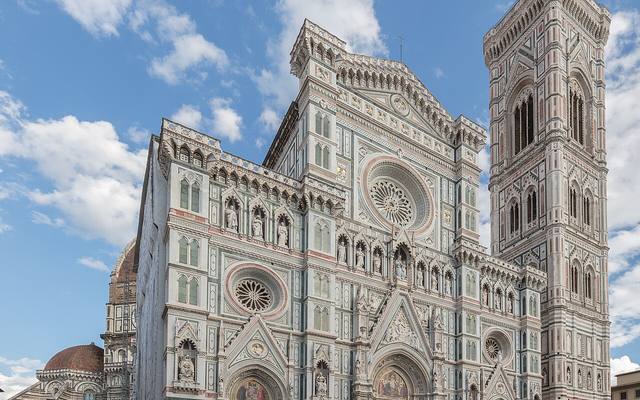
The city of flowers
Florence was born in 59 BC, when Julius Caesar settled a colony of veteran soldiers on the banks of the Arno. Its Latin name, Florentia, suggests flowering, perhaps because it was founded in spring, during the flower festivals. The red lily on a white background has remained its emblem. In the Middle Ages, the city grew rich on wool, silk and above all banking. In 1252, it struck the gold florin, which became the standard currency across all of Europe.
The cradle of the Renaissance
In the fifteenth century, Florence invented a new way of seeing the world, which we now call the Renaissance. Brunelleschi raised the cathedral dome here and discovered perspective. Donatello, Botticelli, Leonardo da Vinci and then Michelangelo revolutionized sculpture and painting. Scholars rediscovered ancient texts. Behind all this creativity stood a family of bankers, the Medici, who ruled the city and paid the artists.
From grand dukes to museum city
In the sixteenth century, the Medici became grand dukes of Tuscany and made Florence the capital of a state. From 1865 to 1871, it was even the capital of the young Kingdom of Italy. In 1966, a terrible flood of the Arno damaged thousands of works of art. Volunteers from all over the world helped save them. Today, its historic center, a World Heritage site, holds a density of masterpieces like nowhere else.
How to read the city
Florence is compact and easy to explore on foot. On the north bank of the Arno, the center is organized around two hubs, Piazza del Duomo and Piazza della Signoria, linked by Via dei Calzaiuoli. On the south bank, the Oltrarno is more working-class and full of craftspeople. It spreads around the Pitti Palace and Santo Spirito. All around, the hills of Fiesole to the north and San Miniato to the south offer the best views of the city.
A city full of geniuses
What happens when the greatest artists of all time live in the same city at the same time? In Florence, more than five hundred years ago, Leonardo da Vinci, Michelangelo, Botticelli and Donatello passed each other in the streets. They worked for the same rich families and even challenged each other to contests. Today, their masterpieces are still there, in the churches, the palaces and the museums.
The Medici ice cream
Did you know? According to a Florentine legend, one of the ancestors of our ice cream may have been invented right here. More than four hundred years ago, a jack-of-all-trades artist named Bernardo Buontalenti is said to have made a frozen cream of milk, honey and eggs for the Medici princes. Even today, many ice cream shops in Florence offer a flavor with his name, Buontalenti cream.
The lily challenge
The symbol of Florence is a red lily, a stylized flower with three petals. During your stay, look for it everywhere, on flags, on building fronts, on posts, on trash cans, on manhole covers and even on the soccer team's jerseys. Count all the ones you see each day. Who in your family will find the most?
The quiz
Which coin, made in Florence almost eight hundred years ago, was accepted all across Europe? The answer is the florin! It was a coin of pure gold, with a lily on one side and Saint John the Baptist on the other. Merchants and bankers from every country trusted it. In the Netherlands, the word florin was even used for a currency until the euro arrived.
Don't miss
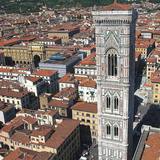
Santa Maria del Fiore Cathedral and Brunelleschi's DomeChurches · 1 h 30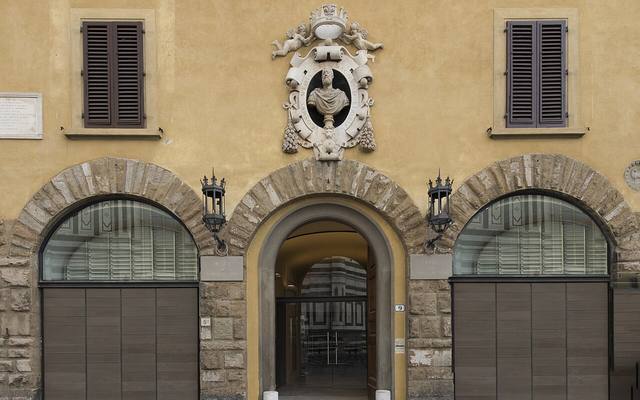 Duomo MuseumMuseums · 1 h 15
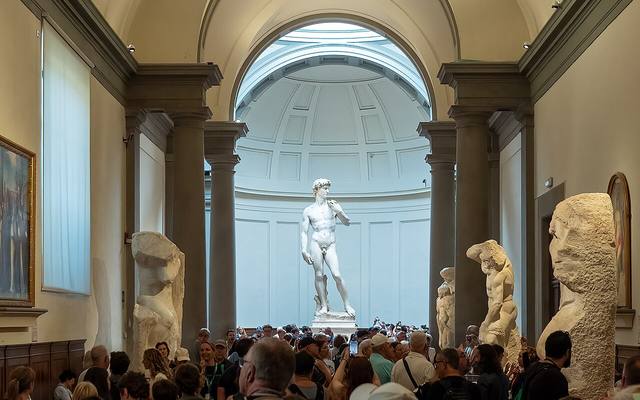 Accademia GalleryMuseums · 1 h 15
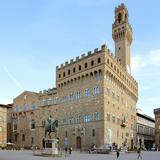
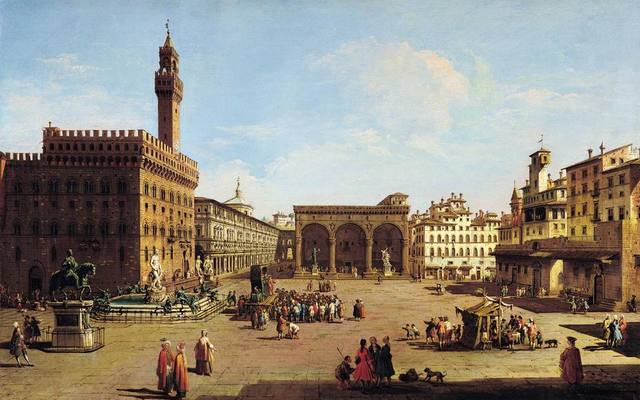 Piazza della Signoria and the Loggia dei LanziSquares and Streets · 40 min
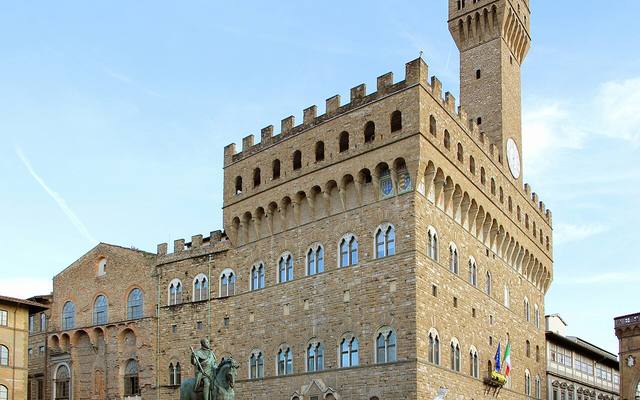 Palazzo VecchioMonuments · 1 h 30
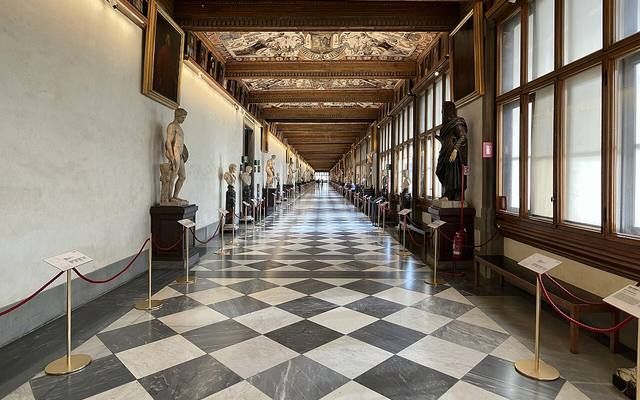 Uffizi GalleryMuseums · about 2 h
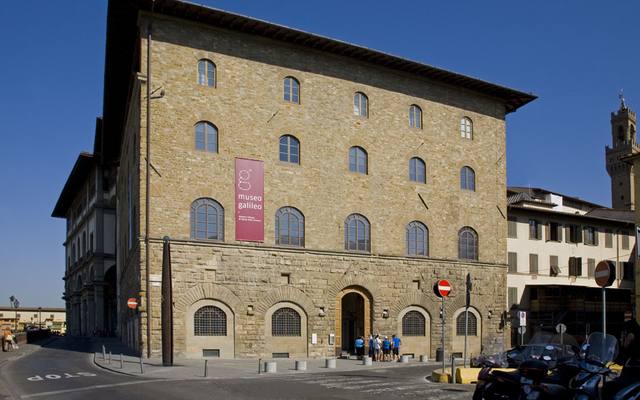 Galileo MuseumMuseums · 1 h 15
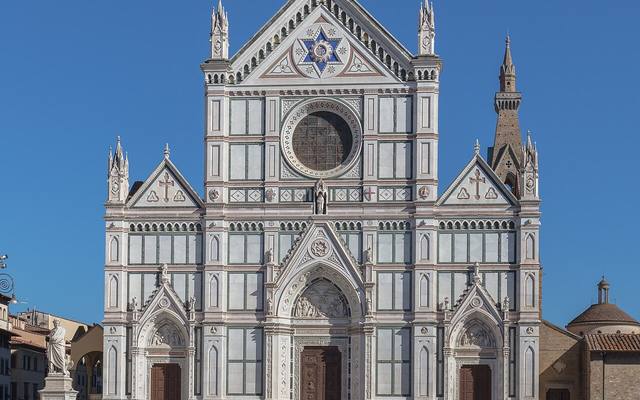 Santa Croce BasilicaChurches · 1 h 15
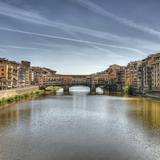
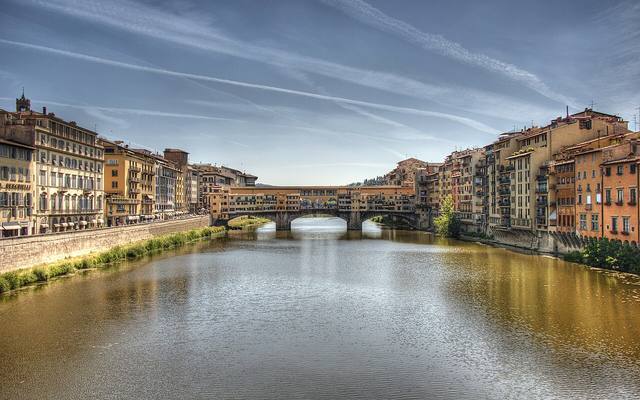 Ponte VecchioMonuments · 25 min
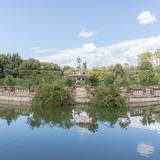
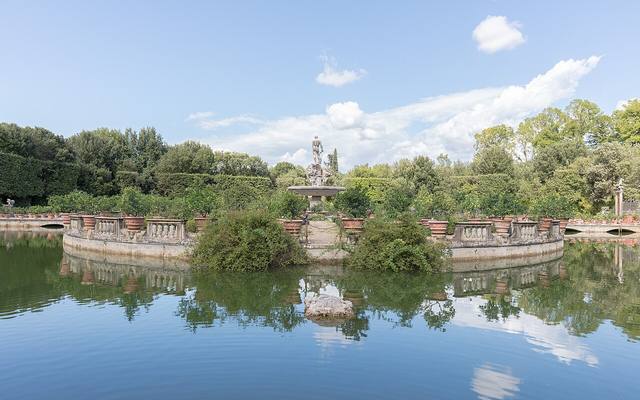 Boboli GardensGardens, Hills and Viewpoints · 1 h 30
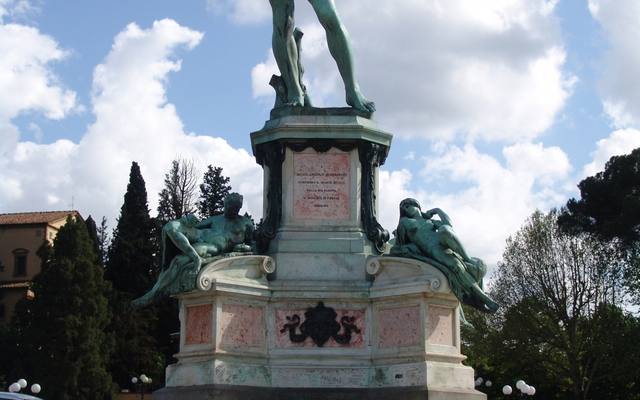 Piazzale MichelangeloGardens, Hills and Viewpoints · 30 min
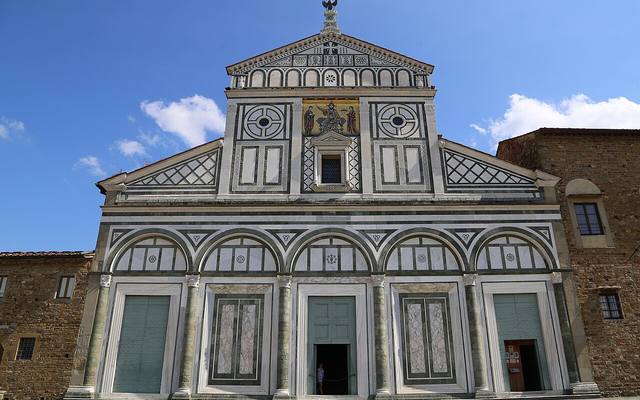 San Miniato al Monte BasilicaChurches · 45 min
All places
Monuments
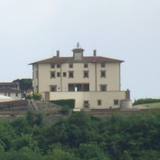
Museums
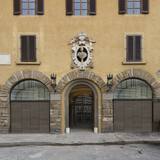 Duomo MuseumMuseums · 1 h 15Must-see
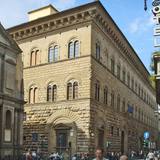
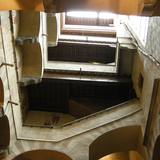 Palazzo DavanzatiMuseums · about 1 h
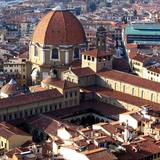 Medici ChapelsMuseums · about 1 h
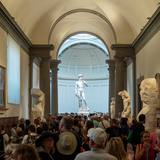 Accademia GalleryMuseums · 1 h 15Must-see
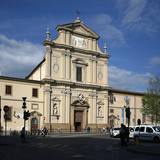 San Marco MuseumMuseums · about 1 h
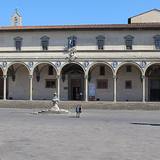 Hospital of the InnocentsMuseums · 1 h 15
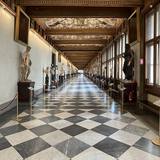 Uffizi GalleryMuseums · about 2 hMust-see
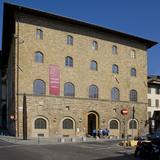 Galileo MuseumMuseums · 1 h 15Must-see
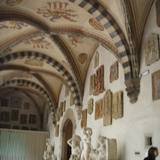 Bargello National MuseumMuseums · 1 h 15
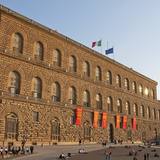 Pitti Palace and the Palatine GalleryMuseums · 1 h 30
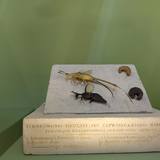 La Specola MuseumMuseums · 1 h 30
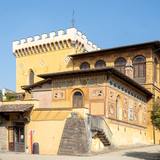 Stibbert MuseumMuseums · 1 h 30
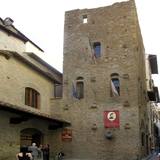 Casa di Dante MuseumMuseums · about 1 h
Squares and Streets
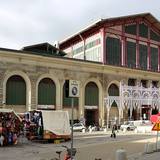
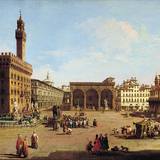
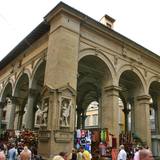
Churches
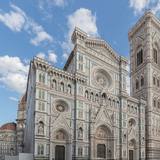 Santa Maria del Fiore Cathedral and Brunelleschi's DomeChurches · 1 h 30Must-see
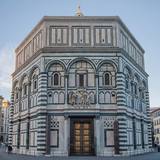 Baptistery of Saint JohnChurches · 30 min
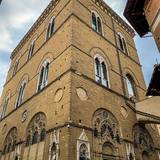 Orsanmichele ChurchChurches · 30 min
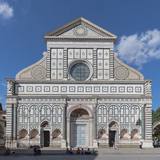 Santa Maria Novella BasilicaChurches · 1 h 15
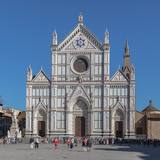 Santa Croce BasilicaChurches · 1 h 15Must-see
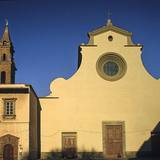 Santo Spirito Basilica and SquareChurches · 40 min
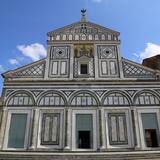 San Miniato al Monte BasilicaChurches · 45 minMust-see
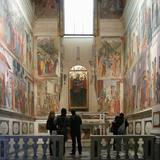 Brancacci ChapelChurches · 45 min
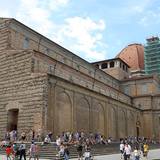 San Lorenzo Basilica and the Laurentian LibraryChurches · 1 h 15
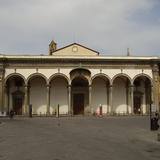 Santissima Annunziata BasilicaChurches · 45 min
Gardens, Hills and Viewpoints
Day trips
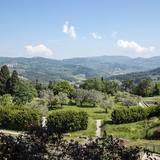 Fiesole and Its Roman TheaterGardens, Hills and Viewpoints · about 3 h
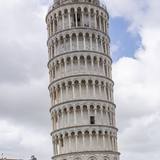 Pisa and the Square of MiraclesMonuments · about 4 hMust-see
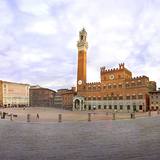 Siena and Piazza del CampoSquares and Streets · about 5 hMust-see
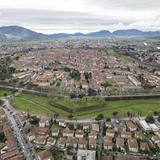 Lucca and Its WallsGardens, Hills and Viewpoints · about 5 h
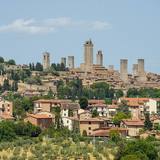 San Gimignano, the Town of TowersGardens, Hills and Viewpoints · about 4 h
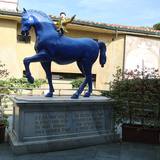 Pinocchio Park in CollodiGardens, Hills and Viewpoints · about 4 h

The full stories, the audio, the offline map and the challenges for kids.