 Peekwick
Gold Reef City
Johannesburg · South: gold mines and apartheid memory · Outings and Fun · about 5 h
The Gold Rush of 1886
To understand Gold Reef City, you have to go back to 1886. That year, a prospector, George Harrison, discovered the main reef of Witwatersrand gold on the Langlaagte farm. Sources place this discovery in July 1886. Two years earlier, in 1884, Jan Bantjes had already found gold on another neighboring farm. The news went around the world. Within a few weeks, a camp of tents appeared, and the settlement was named Johannesburg on October 3, 1886. One year after the discovery, the town already had about three thousand inhabitants. The government of the South African Republic opened the area to mining. That is how Johannesburg was born, a city built on gold, which would become the largest city in southern Africa within a few decades.
In the app, this story goes on for 6 parts, to read or listen to, with one voice for grown-ups and another for kids.
A Man and a Stone
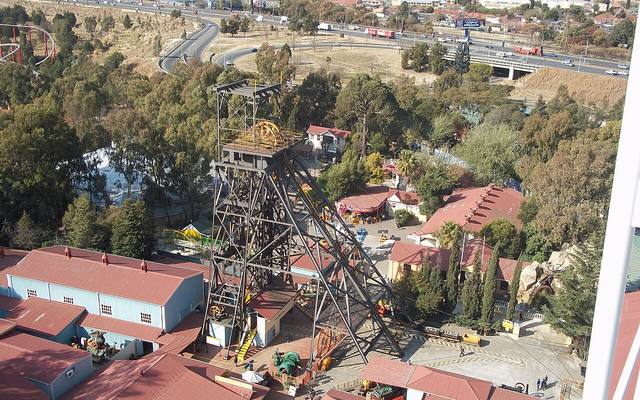
His name was George Harrison, and in 1886 he made a discovery that changed South Africa. He was a prospector, a gold seeker. On a farm called Langlaagte, he found a rock that contained gold. Very quickly, thousands of people arrived with pickaxes and tents. Within a few weeks, a camp was born, then a whole city: Johannesburg. That is why the city is sometimes called Egoli, a Zulu word that means the city of gold. Zulu is one of the most widely spoken African languages in the country. Today, you can visit a real gold mine at Gold Reef City.
In the app, this story goes on for 6 parts, to read or listen to, with one voice for grown-ups and another for kids.

The full stories, the audio, the offline map and the challenges for kids.