 Peekwick
Johannesburg
South Africa
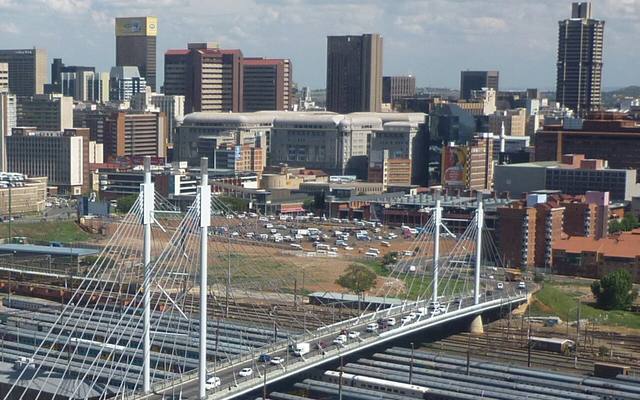
The City of Gold
Johannesburg was born in 1886, when gold was found on a farm on the Witwatersrand ridge. Within ten years, a camp of tents had grown into a city of more than a hundred thousand people. South Africans still call it Egoli, the city of gold, or simply Jozi. It was not built beside a river or a harbor, but on one of the richest gold reefs in the world. A few yellow hills of mine waste still mark its landscape.
The Apartheid Years
To keep the mines running, the city drew in Black workers, who were housed far from the center. From 1948 to 1994, apartheid separated people by the color of their skin, by law. Soweto, to the southwest, became the most famous of the townships. On June 16, 1976, schoolchildren marched there, and their revolt changed the country. Nelson Mandela lived in Soweto. He also worked as a lawyer in Johannesburg, and he was locked up in the old fort, now Constitution Hill.
A City of Today
Johannesburg is the largest city in South Africa, with nearly five million people in the 2022 census, and far more if you count the neighboring cities. It is not the capital, but it is the economic heart of the country. It has about ten million trees, planted by its residents, which makes it a very green city. People sometimes call it the largest urban forest in the world, but that title is unproven. It is also very high, at about seventeen hundred and fifty meters above sea level, which makes the sun stronger and the air cooler.
How to Read the City
Johannesburg is a city of distances, with no real walking center. The old center and Newtown tell the beginning of the story, while Braamfontein and Constitution Hill tell the struggle for freedom. To the north, Sandton, Rosebank and Melville are neighborhoods of gardens, shopping malls and cafes. To the south, the Apartheid Museum sits beside the old mines. Soweto lies to the southwest, half an hour by road or more, depending on traffic. You get from place to place by car or by ride-hailing taxi.
A Shining Rock
The story goes that in 1886, a gold prospector stumbled on a shining rock on a farm near here. It was gold, and the news went around the world. Within months, thousands of people arrived with their pickaxes. In ten years, a field had turned into a big city: Johannesburg, which the locals call Jozi.
The City on the Gold Mountain
Did you know? Johannesburg is built on one of the richest gold reefs in the world, and miners dug very deep tunnels under the city. It is also very high, more than seventeen hundred meters above sea level. In your first days, you may get out of breath when you run, and the sun stings harder than at the beach. Keep your hat and your water bottle.
The Challenge for the Whole Trip
Here is your challenge for all your days here: learn one local word each day, and say it to someone. Start with Sawubona, which means hello in Zulu. You will find the others in the words section. In October and November, you can also look for trees with purple flowers: those are jacarandas, and they color the streets.
The Quiz
In Johannesburg, what do you call a traffic light? Answer: a robot! When the robot turns green, the car goes. If you take a ride-hailing taxi, ask your driver how many robots he has passed today. Try saying the word at every light.
Don't miss
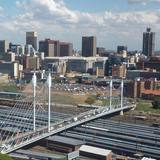
Nelson Mandela BridgeMonuments and Views · 30 min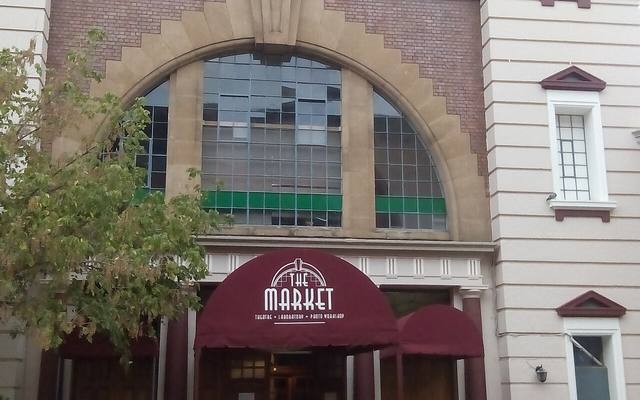 Newtown, Market Theatre and Mary Fitzgerald SquareNeighborhoods, Markets and Street Art · about 2 h
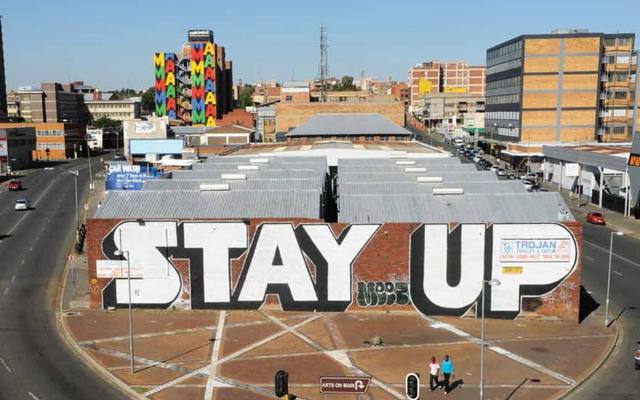 Maboneng and Arts on MainNeighborhoods, Markets and Street Art · about 2 h
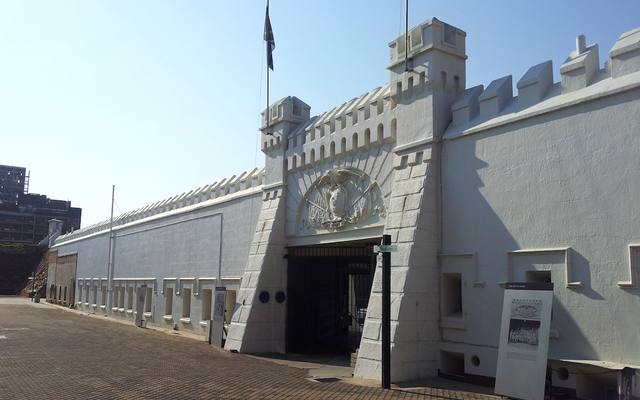 Constitution HillMemory and History · 2 h 30
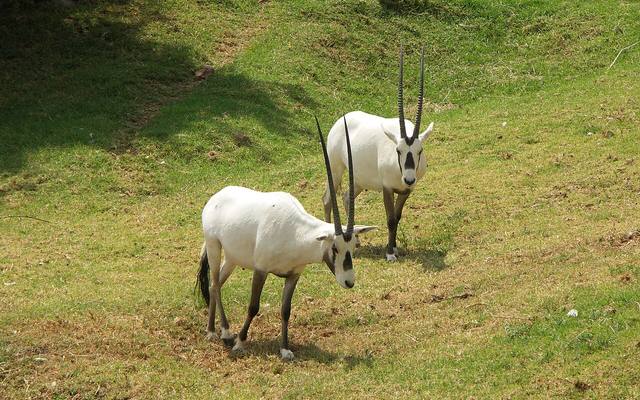 Johannesburg ZooParks and Animals · about 3 h
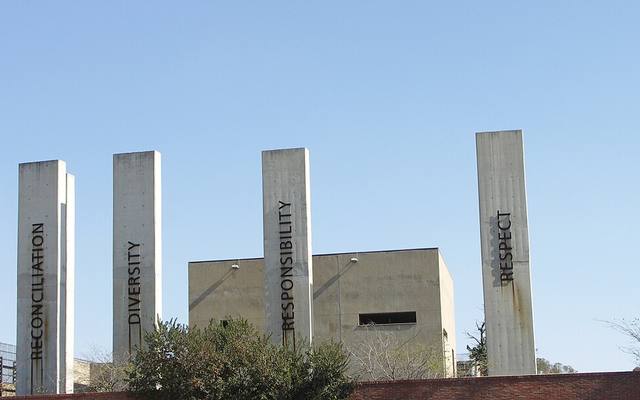 Apartheid MuseumMemory and History · about 3 h
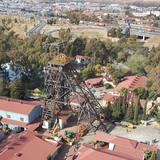
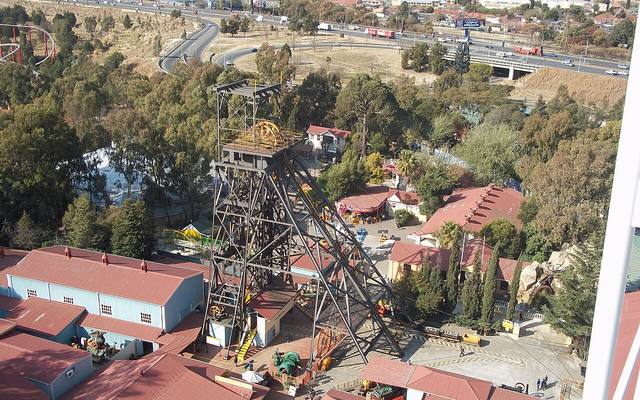 Gold Reef CityOutings and Fun · about 5 h
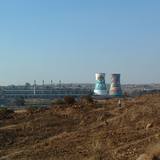
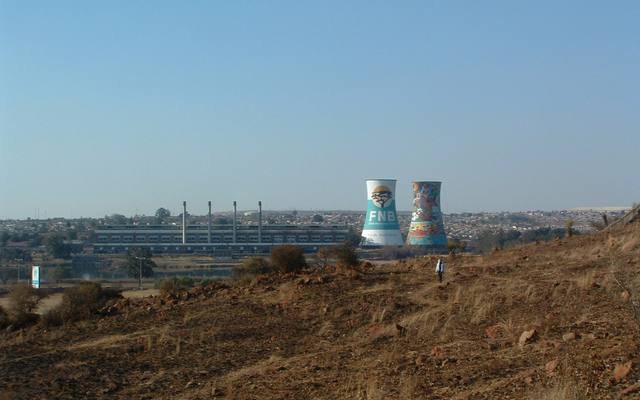 Orlando TowersOutings and Fun · about 2 h
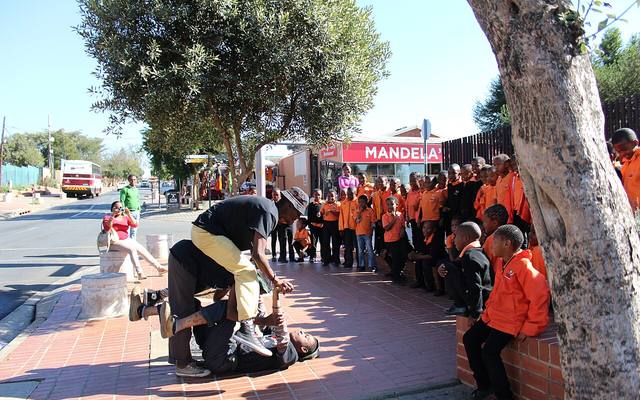 Vilakazi StreetMemory and History · 1 h 30
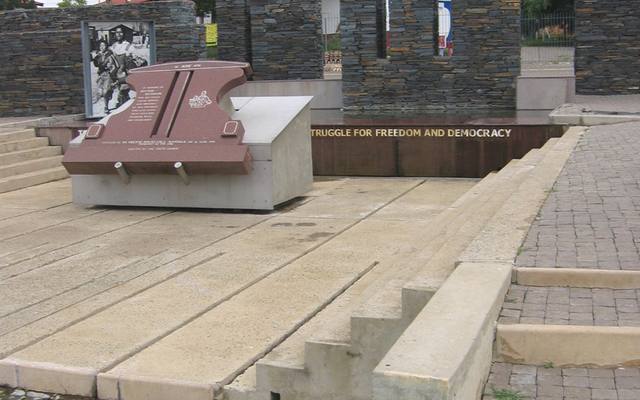 Hector Pieterson Memorial and MuseumMemory and History · 1 h 15
All places
Memory and History
 Gandhi SquareMemory and History · 30 min
 Constitution HillMemory and History · 2 h 30Must-see
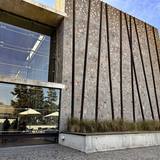 Johannesburg Holocaust and Genocide CentreMemory and History · 1 h 30
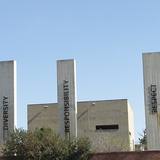 Apartheid MuseumMemory and History · about 3 hMust-see
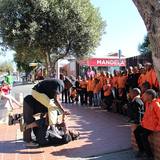 Vilakazi StreetMemory and History · 1 h 30Must-see
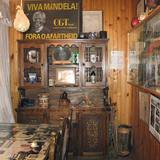 Mandela House, SowetoMemory and History · about 1 h
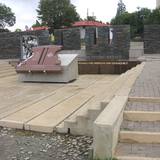 Hector Pieterson Memorial and MuseumMemory and History · 1 h 15Must-see
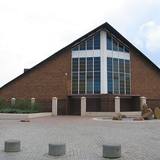 Regina Mundi ChurchMemory and History · 45 min
Museums and Galleries
Monuments and Views
Neighborhoods, Markets and Street Art
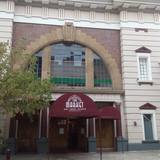 Newtown, Market Theatre and Mary Fitzgerald SquareNeighborhoods, Markets and Street Art · about 2 hMust-see
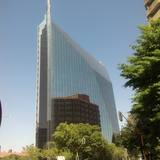 Diagonal StreetNeighborhoods, Markets and Street Art · 45 min
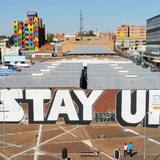 Maboneng and Arts on MainNeighborhoods, Markets and Street Art · about 2 hMust-see
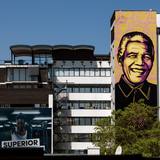 Braamfontein and Its Street ArtNeighborhoods, Markets and Street Art · about 2 h
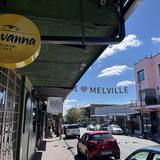 Melville and Seventh StreetNeighborhoods, Markets and Street Art · about 2 h
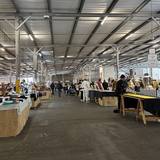 Rosebank Rooftop MarketNeighborhoods, Markets and Street Art · about 2 h
Parks and Animals
Outings and Fun
Day trips
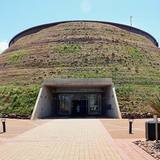 Cradle of Humankind, Maropeng and SterkfonteinMuseums and Galleries · about 6 h
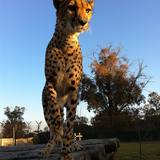 Lion and Safari ParkParks and Animals · about 4 h
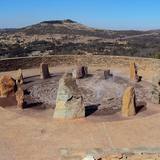 Pretoria, Freedom ParkMemory and History · about 4 h
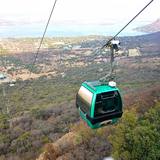 Hartbeespoort, the Cable Car and the DamOutings and Fun · about 4 h
 Dinokeng Game Reserve, Big Five SafariParks and Animals · about 7 h

The full stories, the audio, the offline map and the challenges for kids.