 Peekwick
Cradle of Humankind, Maropeng and Sterkfontein
Johannesburg · Museums and Galleries · about 6 h
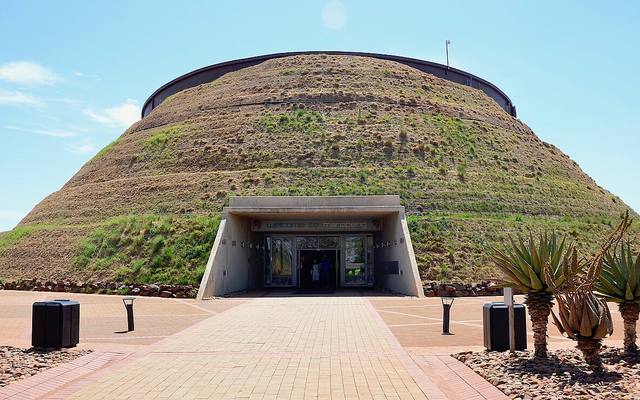
A UNESCO World Heritage Site
About fifty kilometers from Johannesburg, grass-covered hills hide one of the most precious sites in the world for understanding our origins. It is called the Cradle of Humankind. It was added in 1999 to the UNESCO World Heritage list, along with other fossil sites in South Africa. It covers about forty-seven thousand hectares. On these hills, dozens of caves have yielded bones of human ancestors, extinct animals and stone tools. Some are more than three million years old. Few places in the world have given so many fossils of our distant cousins, the australopithecines.
In the app, this story goes on for 7 parts, to read or listen to, with one voice for grown-ups and another for kids.
Where Your Ancestors Lived
Do you know where the most distant ancestors of humanity lived? Not in a castle, or in a city. They lived on the savanna, very close to here. More than three million years ago, they walked on two feet, climbed trees and hid from leopards. Today, researchers come to find them in caves. Welcome to the Cradle of Humankind.
In the app, this story goes on for 6 parts, to read or listen to, with one voice for grown-ups and another for kids.

The full stories, the audio, the offline map and the challenges for kids.