 Peekwick
Old Trafford
Manchester · Old Trafford and Trafford Park · Football and Outings · 2 h 30
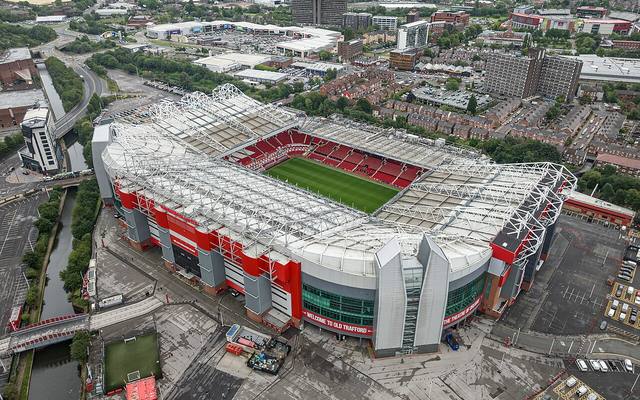
A Stadium Born in 1910
Manchester United was born in 1878 under the name Newton Heath, in the working world of the railways. In 1902, the club is on the verge of bankruptcy. A brewer, John Henry Davies, becomes its chairman and saves it, and the club then takes the name Manchester United. Davies dreams of a stadium worthy of his ambitions. He entrusts the plans to the Scottish architect Archibald Leitch, who designed several other great British stadiums. The site chosen is in Old Trafford, very close to the Trafford Park industrial estate and the Bridgewater Canal. The plan calls for one hundred thousand places, then the cost forces the capacity down to about eighty thousand. The stadium opens on February 19, 1910, against Liverpool. United lose four goals to three, but the crowds come back. The attendance record dates from 1939: nearly seventy-seven thousand spectators for an FA Cup semifinal between Wolverhampton and Grimsby. Manchester United were not even playing that day.
In the app, this story goes on for 7 parts, to read or listen to, with one voice for grown-ups and another for kids.
A Theater Without Actors
Do you know why this stadium is called the Theatre of Dreams? There is no red curtain here and no actors. Yet every match feels like a big show, with its heroes, its songs and its twists. This nickname is credited to Bobby Charlton, one of the greatest English players of all time. It means that at Old Trafford, the dreams of players and fans can come true. The stadium has been around since 1910: it is more than a hundred years old! About seventy-four thousand people can sit in it. That is more people than live in many small cities.
In the app, this story goes on for 7 parts, to read or listen to, with one voice for grown-ups and another for kids.

The full stories, the audio, the offline map and the challenges for kids.