 Peekwick
Manchester
United Kingdom
Mamucium, the Roman Fort
Around the year 79, the Romans built a fort near the meeting point of the Irwell and the Medlock, in today's Castlefield district. Roman sources give the name Mamucium, or Mancunium, perhaps taken from a Celtic word for a breast-shaped hill. Local people kept the name: they are the Mancunians. In the Middle Ages, Manchester was just a market town, known for its cloth.
The First Industrial City
At the end of the eighteenth century, steam-powered cotton mills changed everything. The city filled with chimneys, canals and warehouses, and it was nicknamed Cottonopolis, the cotton city. In 1819, at St Peter's Field, cavalry charged a crowd of more than sixty thousand people demanding voting reform. At least eighteen people died. The massacre was called Peterloo, a mocking nod to Waterloo. In 1830, the first passenger railway between two major cities linked Manchester to Liverpool.
A Port, a Computer, a Decline
In 1894, a ship canal almost sixty kilometers long opened the city to oceangoing ships. On June 21, 1948, at the university, a computer nicknamed the Baby ran the first program ever stored in an electronic memory. Alan Turing came to work there the same year. Then the mills closed, and the docks followed in 1982. Between 1931 and 1981, the city lost more than a third of its people.
How to Read the City
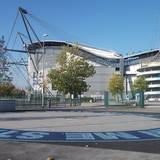
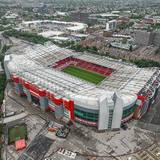
On June 15, 1996, a bomb planted by the Irish Republican Army devastated the center. Thanks to an evacuation, nobody died. Rebuilding began the city's revival. To understand Manchester, start with its emblem, the worker bee, a symbol of labor in the mills. After the Manchester Arena attack in 2017, it became a symbol of solidarity. Proud and direct, Mancunians live for two rival clubs, United and City, and for music that gave the world Joy Division, the Smiths and Oasis. Salford, across the Irwell, is a separate city, and Old Trafford stadium lies in the neighboring borough of Trafford.
The City of Firsts
About a billion times less memory than your parents' phone: that is what the Baby had, the first computer able to remember a program. It ran right here in Manchester, in 1948, and it filled an entire room. Manchester loves firsts. Its steam-powered cotton mills made it the first industrial city in the world. And in 1830, the first passenger train between two major cities linked it to Liverpool.
The Giant Knight of Castlefield
They say that in the days of King Arthur, a giant and cruel knight named Tarquin lived in a castle in Castlefield. He locked every knight he beat in his dungeons. According to an old song, Lancelot, the most famous of the Knights of the Round Table, came to challenge him. After a long fight, he defeated the giant and freed sixty-four prisoners. It is only a legend. But in Castlefield, you will see the very real remains of a Roman fort, partly rebuilt.
The Bee Challenge
Since 1842, bees have decorated Manchester's coat of arms, and the bee has become the symbol of the city. It reminds us of the factory workers, who worked nonstop, like bees in a hive. Throughout your stay, count the bees you come across. Look for them on the trash cans and little posts on the sidewalks of the center, on building fronts, in mosaics, on wall paintings and even on passersby's tattoos. Every evening, the family compares scores. Bonus: the yellow buses and trams are called the Bee Network.
The Quiz
What do you call the people of Manchester? Answer: Mancunians. The name comes from Mancunium, one of the names of the Roman fort. Among themselves, they often call themselves Mancs, for short. Listen to them talk: they have their own words, like mint, which means great. By the end of the trip, you will know a few of them.
Don't miss
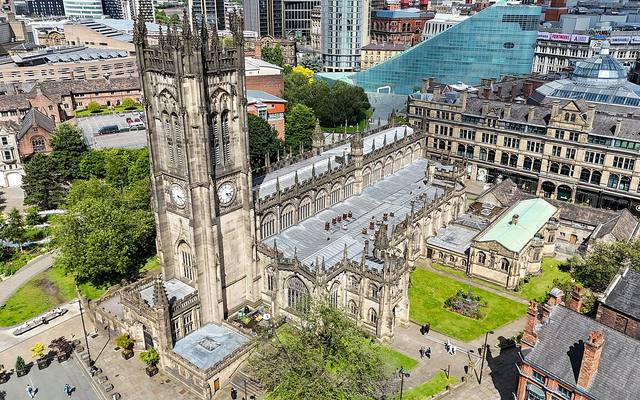
Manchester CathedralLandmarks and Libraries · about 1 h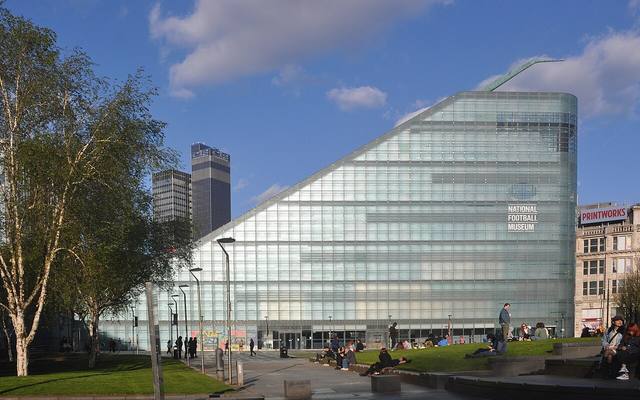 National Football MuseumMuseums · about 2 h
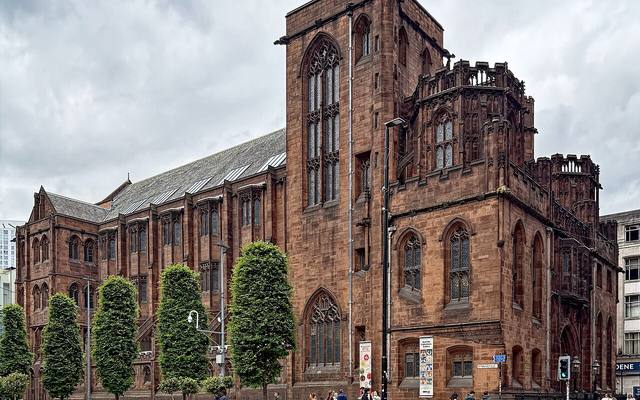 John Rylands LibraryLandmarks and Libraries · about 1 h
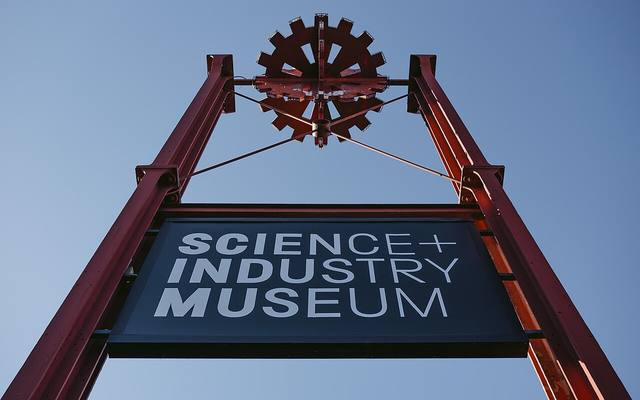 Science and Industry MuseumMuseums · 2 h 30
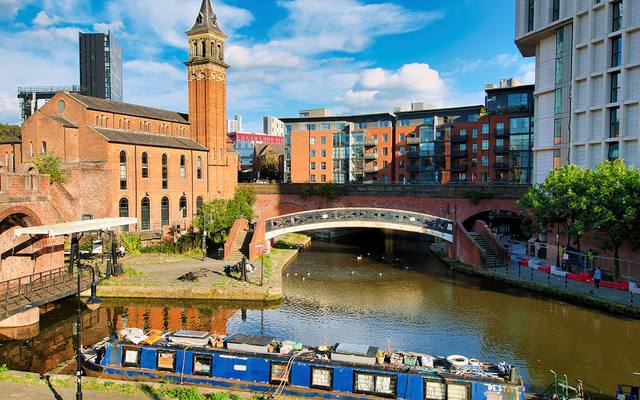 Castlefield, the Roman Fort and the CanalsNeighborhoods, Squares and Streets · 1 h 15
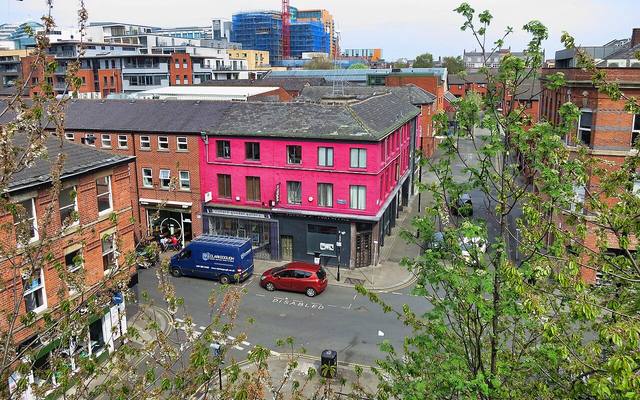 Northern QuarterNeighborhoods, Squares and Streets · 1 h 30
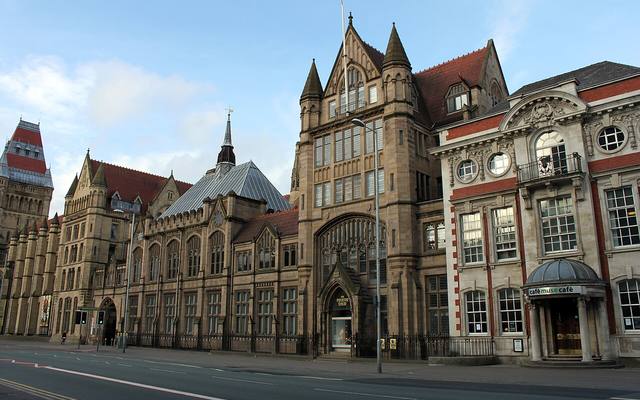 Manchester MuseumMuseums · 2 h 30
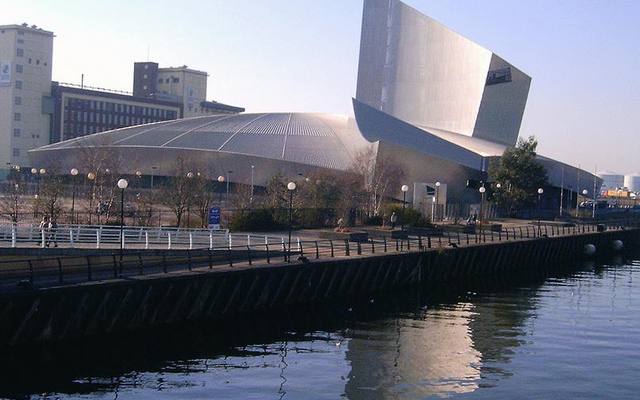 Imperial War Museum NorthMuseums · about 2 h
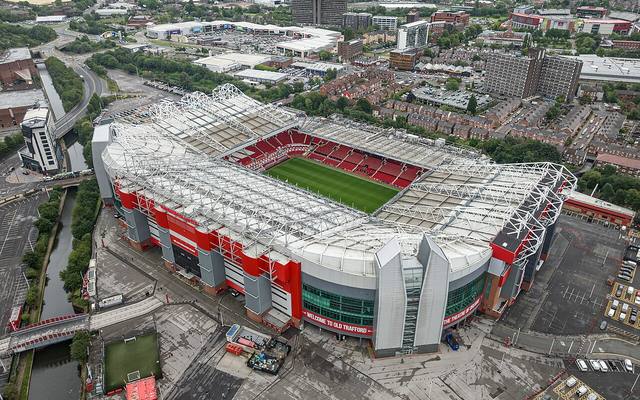 Old TraffordFootball and Outings · 2 h 30
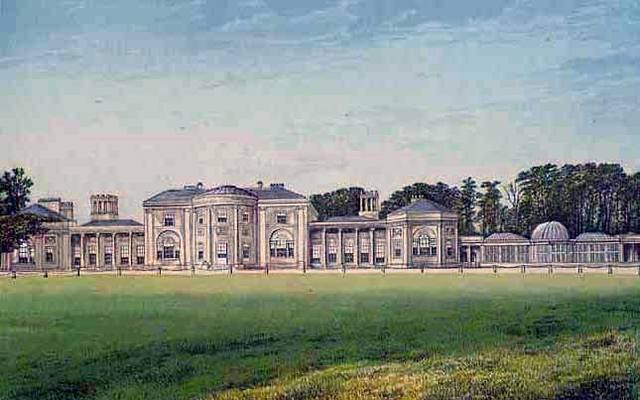 Heaton ParkParks and Gardens · about 3 h
All places
Landmarks and Libraries
 Manchester CathedralLandmarks and Libraries · about 1 hMust-see
 Chetham's LibraryLandmarks and Libraries · 1 h 15
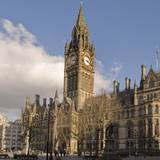 Town Hall and Albert SquareLandmarks and Libraries · 20 min
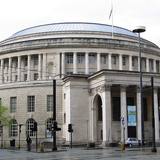 Central Library and St Peter's SquareLandmarks and Libraries · about 1 h
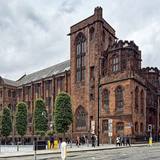 John Rylands LibraryLandmarks and Libraries · about 1 hMust-see
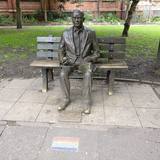 Alan Turing MemorialLandmarks and Libraries · 30 min
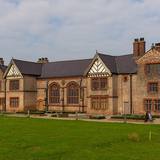 Ordsall HallLandmarks and Libraries · 1 h 15
Museums
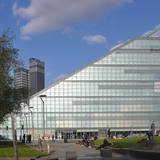 National Football MuseumMuseums · about 2 hMust-see
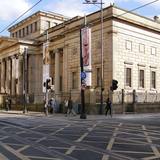 Manchester Art GalleryMuseums · 1 h 15
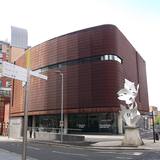 People's History MuseumMuseums · 1 h 30
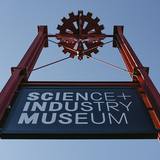 Science and Industry MuseumMuseums · 2 h 30Must-see
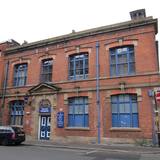 Greater Manchester Police MuseumMuseums · about 1 h
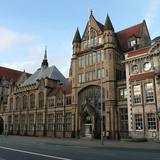 Manchester MuseumMuseums · 2 h 30Must-see
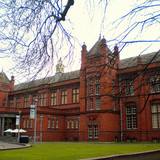 The WhitworthMuseums · 1 h 15
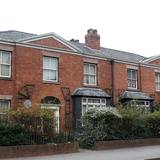 Pankhurst CentreMuseums · about 1 h
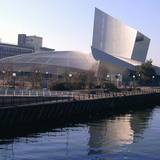 Imperial War Museum NorthMuseums · about 2 hMust-see
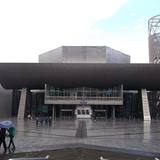 The Lowry and MediaCityUKMuseums · about 2 h
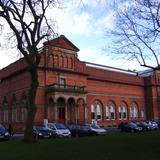 Salford Museum and Art GalleryMuseums · 1 h 15
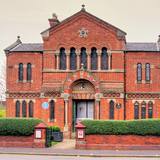 Manchester Jewish MuseumMuseums · 1 h 15
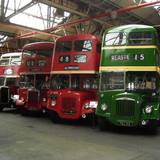 Museum of TransportMuseums · 1 h 30
Neighborhoods, Squares and Streets
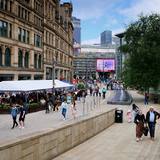 Exchange Square and the ShamblesNeighborhoods, Squares and Streets · 30 min
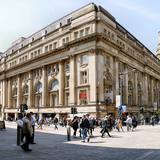 St Ann's Square and the Royal ExchangeNeighborhoods, Squares and Streets · 45 min
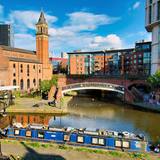 Castlefield, the Roman Fort and the CanalsNeighborhoods, Squares and Streets · 1 h 15Must-see
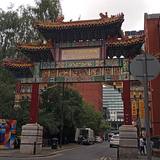 ChinatownNeighborhoods, Squares and Streets · 45 min
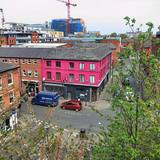 Northern QuarterNeighborhoods, Squares and Streets · 1 h 30Must-see
Parks and Gardens
Football and Outings

The full stories, the audio, the offline map and the challenges for kids.