 Peekwick
Crandon Park Beach
Miami · Virginia Key and Key Biscayne · Parks, Beaches, and Nature · 2 h 30
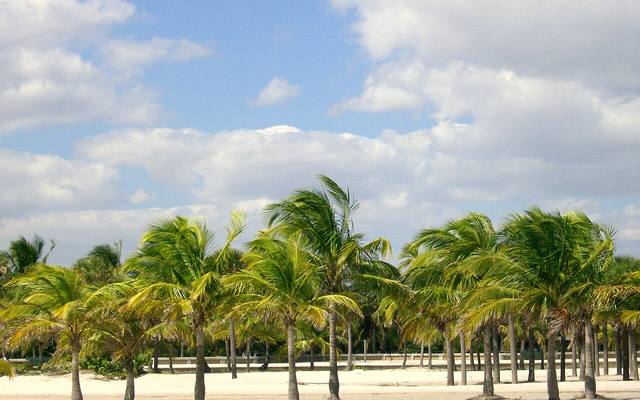
A coconut plantation
Before it was a public beach, this shore belonged to the largest coconut plantation in the continental United States. It covered the northern two thirds of Key Biscayne and belonged to the family of William John Matheson. In September 1926, the Miami hurricane crossed the island, destroyed or badly damaged most of the buildings, and wiped out half the coconut palms. Matheson died in 1930, and his children inherited the island. The plan for a bridge to the island, launched during Florida's great real estate boom, had collapsed along with that boom. It took until the end of World War II for a road to finally link it to Miami.
In the app, this story goes on for 6 parts, to read or listen to, with one voice for grown-ups and another for kids.
The island's coconut palms
Look behind the beach: do you see rows of coconut palms? In the first half of the twentieth century, the northern two thirds of this island were covered by an immense coconut plantation, the biggest on the continental mainland. In 1926, a hurricane wiped out half of the coconut palms. The owner, William John Matheson, died in 1930. In 1940, his children gave this land to the county to make a park, on condition that it stay public. In exchange, the county built the long road over the bay: you drove on it to get here.
In the app, this story goes on for 6 parts, to read or listen to, with one voice for grown-ups and another for kids.

The full stories, the audio, the offline map and the challenges for kids.