 Peekwick
Miami
United States
A City Born of a Train
For about two thousand years, the Tequesta lived along the shores of Biscayne Bay. The first Spaniards landed in the region around 1566, but settlers stayed few for a long time. Everything changed with Julia Tuttle, a citrus grower from Cleveland, Ohio. The freezes of the winter of 1894 and 1895 destroyed crops farther north, but the Miami area was spared. Julia Tuttle then convinced railroad tycoon Henry Flagler to extend his line down here. The first train arrived in April 1896. A few months later, on July 28, the city of Miami was officially founded.
The Boom and Art Deco
In the 1920s, Florida went through a real estate rush. Between 1920 and 1930, Miami grew from about thirty thousand people to more than one hundred ten thousand. Miami Beach became a fashionable seaside resort. In 1926, a category four hurricane finished off the boom. Even so, in the 1930s, South Beach filled with Art Deco buildings with rounded lines. Their pastel colors date from the 1980s. This neighborhood, added to the National Register of Historic Places in 1979, has more than eight hundred historic buildings.
Cuban Exiles and Haitians
After Fidel Castro came to power in Cuba in 1959, hundreds of thousands of Cubans went into exile in Miami. This is how the neighborhood of Little Havana got its name. In the 1980s, Haitians seeking refuge gave rise to Little Haiti. Today, about seven out of ten city residents speak Spanish at home. Hurricanes are part of the story too: in 1992, Andrew devastated the south of the region.
How to Read the City
To understand Miami, remember three words: young, tropical, and bilingual. The city is just over a century old, with palm trees everywhere and two languages on the street. It feels like a collection of very different villages, from South Beach to Little Havana, from Wynwood to Coral Gables. Water ties them together: the bay, the river, the canals, and the big bridges. So plan on a change of atmosphere every single day.
An Almost Brand-New City
Just over a hundred twenty years ago, the city of Miami did not exist. There was mostly forest, marsh, and mosquitoes. For centuries, the Tequesta lived off fishing in the bay. Today, millions of people live in the region. During your stay, you will hear English, Spanish, and sometimes Haitian Creole. Miami is a very young and very mixed city.
The Legend of the Orange Blossoms
They say Julia Tuttle, known as the mother of Miami, brought the train here with a bouquet. In the winter of 1894 and 1895, a terrible cold froze almost all the orange trees in northern Florida. Julia supposedly sent a branch of orange blossoms to Henry Flagler, the railroad king. She wanted to prove to him that the cold had not reached this far. Flagler then had his railroad built all the way to Miami. In real life, historians think Flagler sent two employees to check on the spot, and that Julia offered him land. But the legend stuck.
Trip Challenge
Miami speaks many languages, and your challenge is to catch them. Every day, write down one new Spanish word you heard or read, on a sign, a menu, or a poster. Also look for a Haitian Creole word, one of the languages of Haiti, especially in the Little Haiti neighborhood. At the end of the trip, say thank you to your family in three languages: thank you, gracias, and mèsi. How many words did you collect?
The Quiz
Where does the name Miami come from? The answer: a Native American word, Mayaimi! It was the name of a very big lake, Lake Okeechobee, farther north inland, and of the people who lived around it. The Miami River took that name, and then the city ended up carrying it.
Don't miss
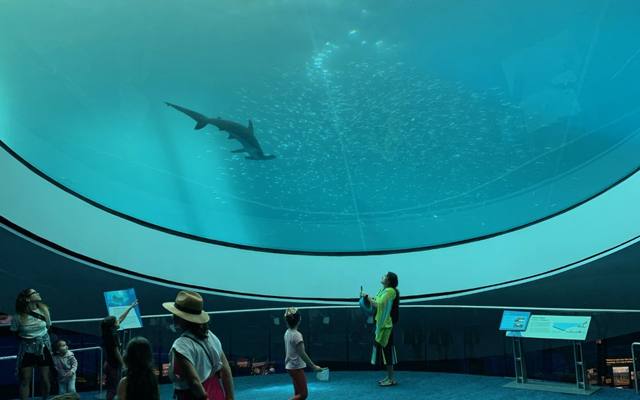
Phillip and Patricia Frost Museum of ScienceMuseums · about 3 h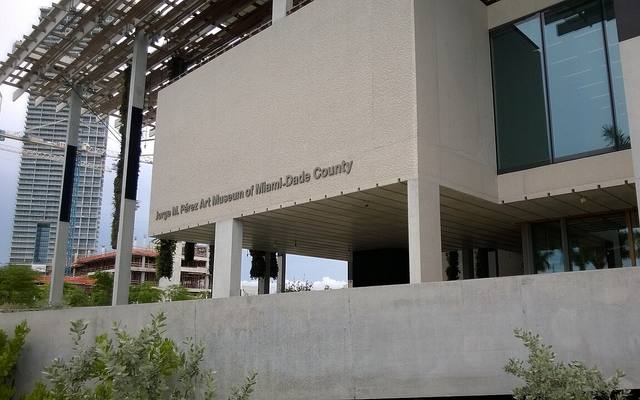 Pérez Art Museum MiamiMuseums · 1 h 30
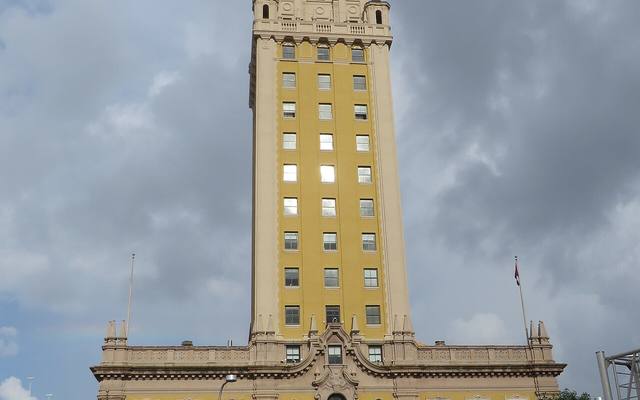 Freedom TowerMonuments and Architecture · about 1 h
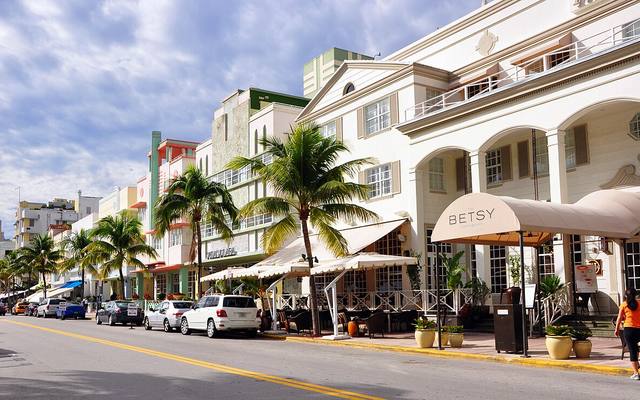 Ocean Drive, Art Deco, and the South Beach BeachNeighborhoods, Streets, and Views · about 2 h
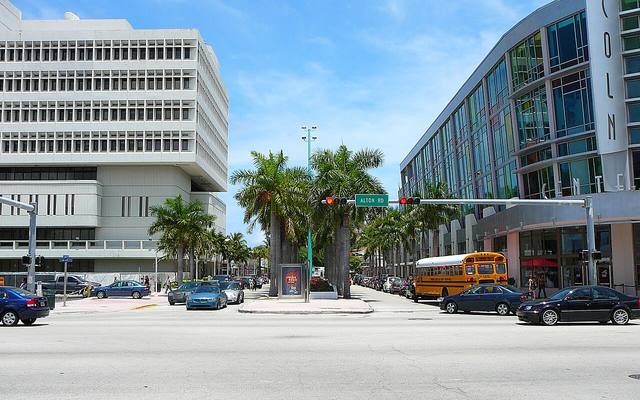 Lincoln RoadNeighborhoods, Streets, and Views · 1 h 30
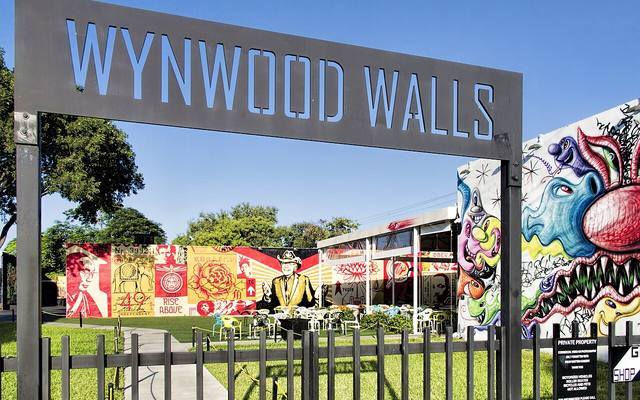 Wynwood WallsNeighborhoods, Streets, and Views · 1 h 30
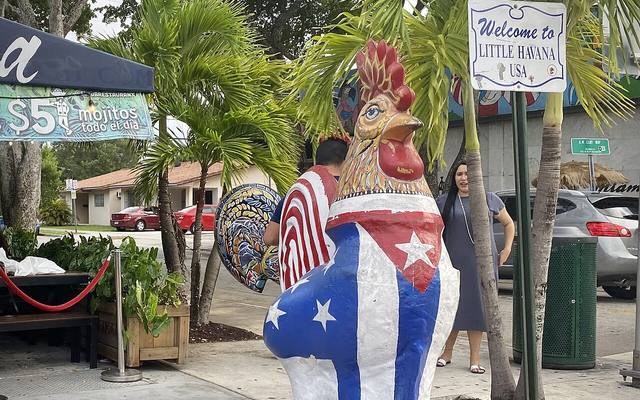 Calle Ocho, the Heart of Little HavanaNeighborhoods, Streets, and Views · about 2 h
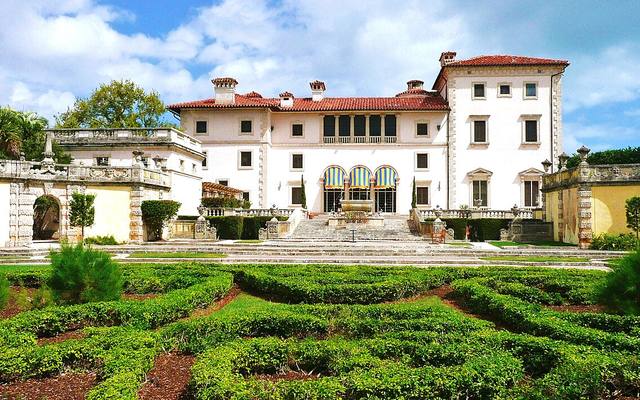 Vizcaya Museum and GardensMonuments and Architecture · about 3 h
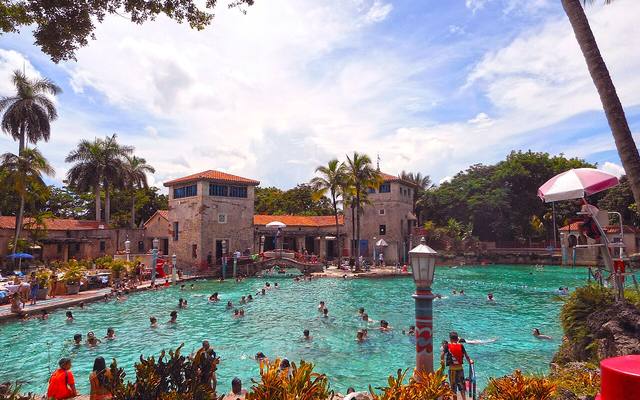 Venetian PoolMonuments and Architecture · about 2 h
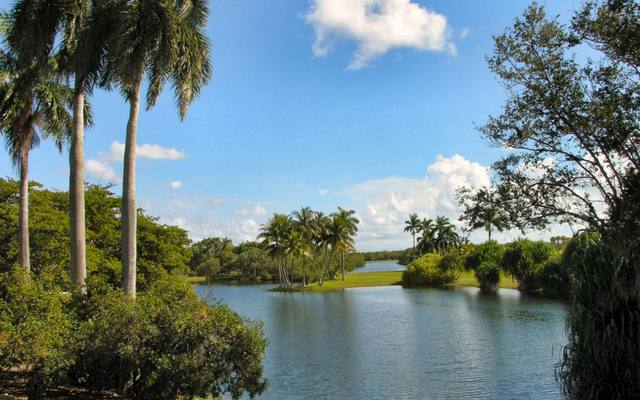 Fairchild Tropical Botanic GardenParks, Beaches, and Nature · about 3 h
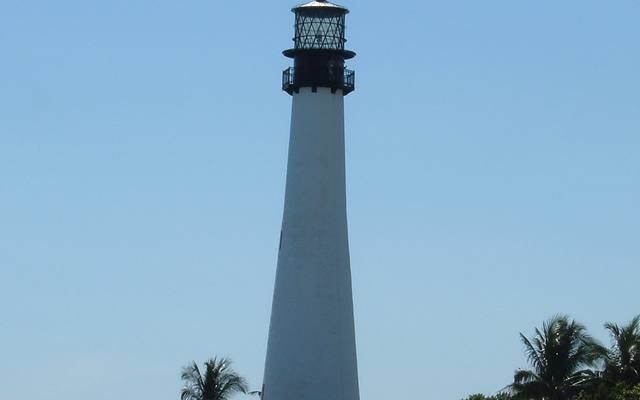 Bill Baggs Cape Florida State ParkParks, Beaches, and Nature · 2 h 30
All places
Monuments and Architecture
 Freedom TowerMonuments and Architecture · about 1 hMust-see
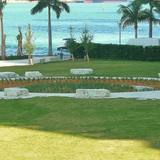 Miami Circle, the Circle of the TequestaMonuments and Architecture · 30 min
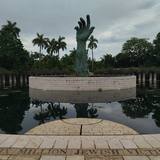 Miami Beach Holocaust MemorialMonuments and Architecture · 45 min
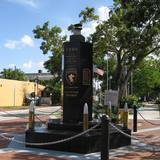 Cuban Memorial Boulevard and the Brigade 2506 MemorialMonuments and Architecture · 45 min
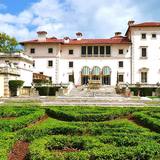 Vizcaya Museum and GardensMonuments and Architecture · about 3 hMust-see
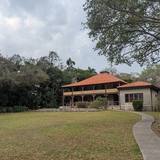 The Barnacle Historic State ParkMonuments and Architecture · about 1 h
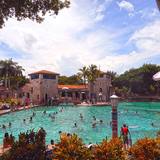 Venetian PoolMonuments and Architecture · about 2 hMust-see
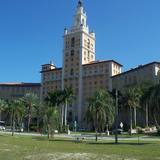 Biltmore HotelMonuments and Architecture · 1 h 30
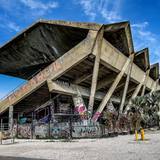 Miami Marine StadiumMonuments and Architecture · 30 min
Museums
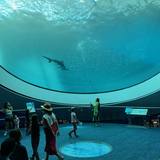 Phillip and Patricia Frost Museum of ScienceMuseums · about 3 hMust-see
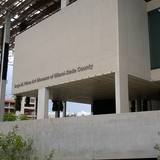 Pérez Art Museum MiamiMuseums · 1 h 30Must-see
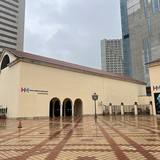 Museum of Miami, formerly the HistoryMiami MuseumMuseums · 1 h 30
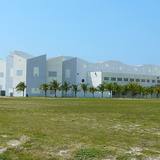 Miami Children's MuseumMuseums · about 2 h
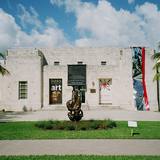 Bass Museum of ArtMuseums · 1 h 15
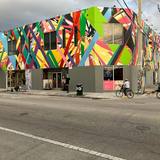 Museum of GraffitiMuseums · 1 h 15
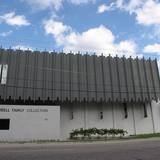 Rubell MuseumMuseums · 1 h 30
Parks, Beaches, and Nature
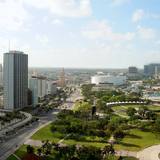 Bayfront ParkParks, Beaches, and Nature · about 1 h
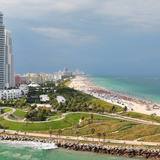 South Pointe ParkParks, Beaches, and Nature · 1 h 15
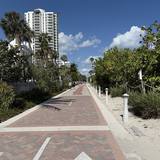 Miami Beach BoardwalkParks, Beaches, and Nature · 1 h 30
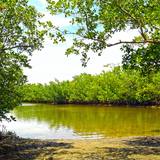 Oleta River State ParkParks, Beaches, and Nature · about 4 h
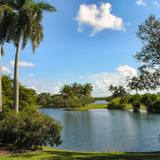 Fairchild Tropical Botanic GardenParks, Beaches, and Nature · about 3 hMust-see
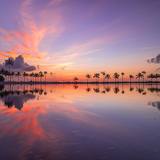 Matheson Hammock ParkParks, Beaches, and Nature · 1 h 30
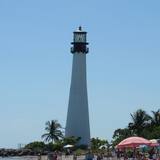 Bill Baggs Cape Florida State ParkParks, Beaches, and Nature · 2 h 30Must-see
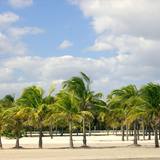 Crandon Park BeachParks, Beaches, and Nature · 2 h 30
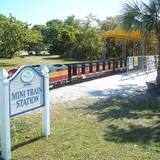 Virginia Key Beach ParkParks, Beaches, and Nature · 1 h 30
Neighborhoods, Streets, and Views
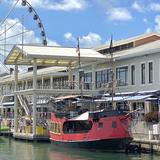 Bayside Marketplace and Boat Rides on the BayNeighborhoods, Streets, and Views · 1 h 30
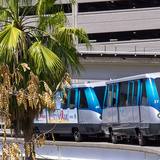 Metromover, the Little Driverless Train of DowntownNeighborhoods, Streets, and Views · about 1 h
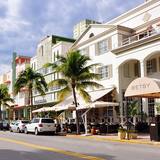 Ocean Drive, Art Deco, and the South Beach BeachNeighborhoods, Streets, and Views · about 2 hMust-see
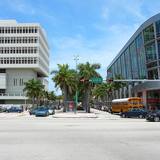 Lincoln RoadNeighborhoods, Streets, and Views · 1 h 30Must-see
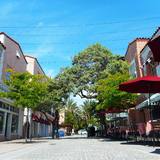 Española WayNeighborhoods, Streets, and Views · 45 min
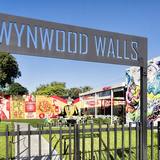 Wynwood WallsNeighborhoods, Streets, and Views · 1 h 30Must-see
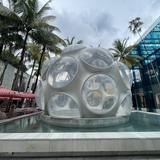 Miami Design DistrictNeighborhoods, Streets, and Views · 1 h 15
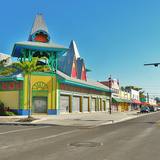 Little Haiti Cultural ComplexNeighborhoods, Streets, and Views · about 1 h
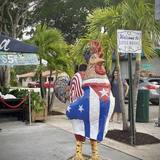 Calle Ocho, the Heart of Little HavanaNeighborhoods, Streets, and Views · about 2 hMust-see
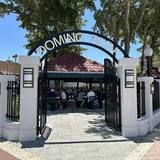 Domino Park, Máximo Gómez ParkNeighborhoods, Streets, and Views · 30 min
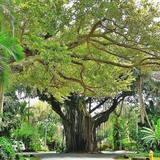 Coconut Grove: the Village, Peacock Park, and Dinner KeyNeighborhoods, Streets, and Views · 1 h 30
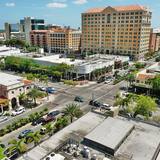 Miracle Mile, Giralda Plaza, and the Gates of Coral GablesNeighborhoods, Streets, and Views · 1 h 30

The full stories, the audio, the offline map and the challenges for kids.