Peekwick
Pinacoteca di Brera
Milan · Brera · Museums · 1 h 30
From the Jesuits to Napoleon
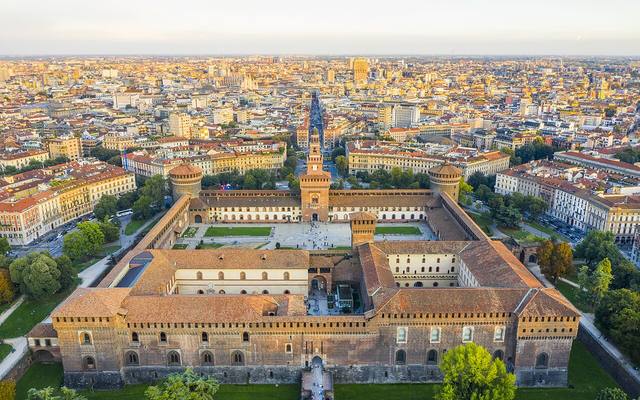
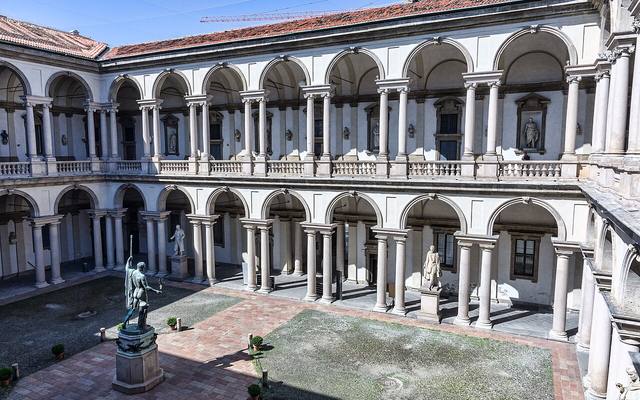
The Brera palace was first a convent. In the thirteenth century, the Humiliati, religious brothers who worked wool, settled here on a meadow called braida in old Lombard. In 1572, the Jesuits took over and opened a college. The architect Francesco Maria Richini designed the present great palace for them starting in 1615. In 1773, the Jesuit order was suppressed. Empress Maria Theresa of Austria then turned the palace into a city of knowledge: library, observatory, botanical garden, then the Academy of Fine Arts in 1776. Everything changed with Napoleon. Milan became the capital of his Kingdom of Italy. Convents were closed by the hundreds, and their paintings were gathered at Brera. The painter Giuseppe Bossi, secretary of the Academy, organized this great move. The museum was inaugurated on August 15, 1809, Napoleon's birthday, and opened to the public in 1810.
In the app, this story goes on for 5 parts, to read or listen to, with one voice for grown-ups and another for kids.
A museum born in crates
Giuseppe Bossi is a painter, and in 1809, he has some tidying to do. Huge paintings, rolled up or nailed in crates, arrive here by cart from everywhere. Napoleon rules northern Italy, and he has closed hundreds of convents and churches. Everything is dropped off in the old Jesuit college, and Bossi runs between the crates to put it all away. The museum opens on August 15, the emperor's birthday. Today, you climb the same grand staircase to see these rescued paintings.
In the app, this story goes on for 6 parts, to read or listen to, with one voice for grown-ups and another for kids.

The full stories, the audio, the offline map and the challenges for kids.