 Peekwick
Milan
Italy
In the middle of the plain
The Celts founded the city in the middle of the great Po plain, and the Romans conquered it at the end of the third century BC. Its Latin name, Mediolanum, probably means the place in the middle. At the end of the Empire, Milan became the capital of the Roman West. In 313, Emperor Constantine proclaimed freedom of worship for Christians here. A few years later, its bishop, Saint Ambrose, became one of the most powerful men in Christendom.
The dukes and Leonardo
At the end of the Middle Ages, the Visconti and then the Sforza families ruled the duchy and built the huge castle that still bears their name. Ludovico Sforza, known as the Moor, brought Leonardo da Vinci to his court, and Leonardo stayed nearly twenty years in Milan. Here he painted The Last Supper on a convent dining hall wall, designed war machines, and worked on the locks of the canals, the Navigli.
The economic capital
The Duomo, begun in 1386, was only finished in the nineteenth century, on Napoleon's orders. In the meantime, Milan passed under Spanish and then Austrian rule, before joining a unified Italy. It became Italy's capital of industry, finance, fashion, and design. In 2026, it hosted the Winter Olympics together with Cortina d'Ampezzo.
How to read the city
Milan is built in circles around the Duomo, like the rings of a tree. The first circle follows the line of the old medieval walls, the second one the Spanish ramparts. The big streets leave the center like the spokes of a wheel. The city reveals itself more slowly than Rome or Venice. Its treasures often hide behind plain facades, in courtyards and inner gardens.
A forest on the roof
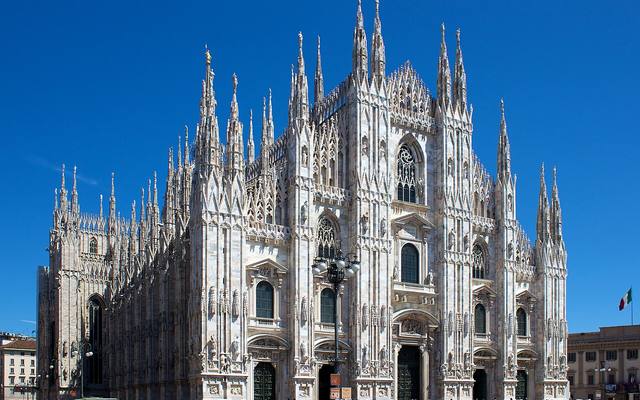
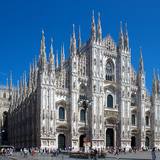
More than three thousand statues! Saints, animals, monsters, and even a boxer and a tennis player, carved much more recently. They are hiding on the roof of the Duomo, Milan's cathedral. You can walk up there, among a forest of white spires, with a statue watching you from each one. It took almost six centuries to finish this cathedral.
The little golden Madonna
Did you know? At the very top of the highest spire of the Duomo shines a golden statue of the Virgin Mary, which Milanese people call the Madonnina. For a long time, a rule said that no building in the city could be taller than her. When the first skyscrapers went up, people found a trick. They placed a copy of the Madonnina on top of each one. That way, she is always the tallest.
The bull challenge
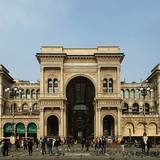
In the big covered arcade near the Duomo, look on the floor for a mosaic of a bull. Tradition says you put your heel on it and spin around once for good luck. So many visitors have done it that the mosaic is worn down at that spot. Around the bull, the other floor mosaics show the coats of arms of four Italian cities. Can you find the she-wolf of Rome?
The quiz
Which genius lived almost twenty years in Milan, where he painted a famous meal on a convent wall? Answer: Leonardo da Vinci! His painting is called The Last Supper. It shows the last meal of Jesus with his apostles. In Milan, Leonardo also imagined flying machines, armored vehicles, and locks for the canals.
Don't miss
Duomo of MilanChurches · about 2 h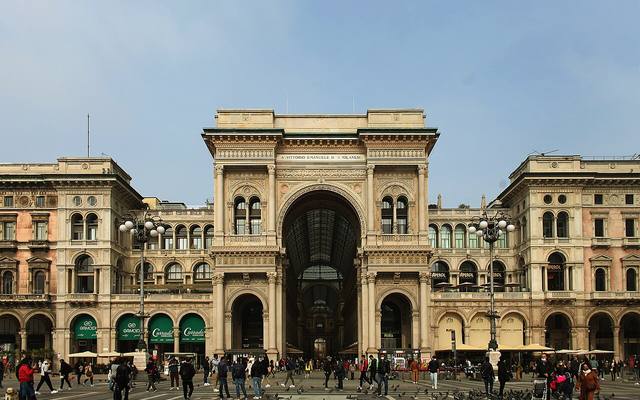 Galleria Vittorio Emanuele IISquares and arcades · 30 min
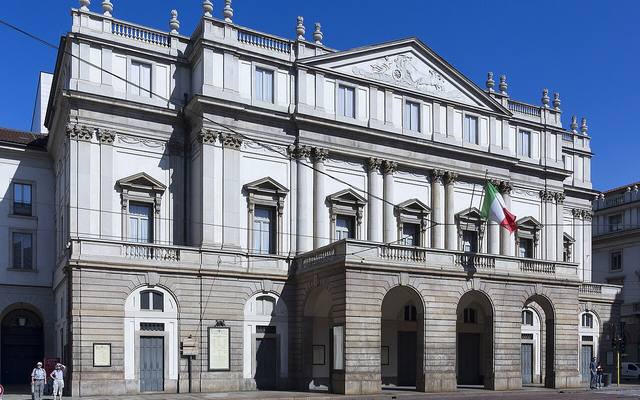 Teatro alla Scala and its museumMonuments · about 1 h
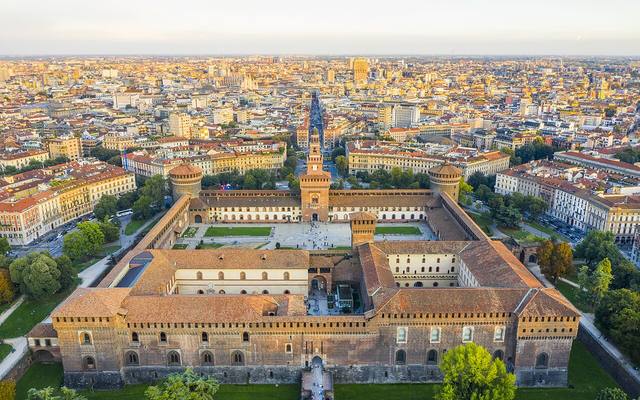 Sforza CastleMonuments · about 2 h
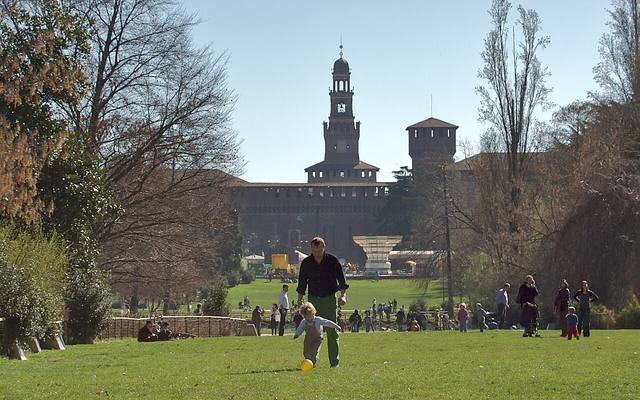 Sempione Park and the Arch of PeaceNeighborhoods, parks, and views · 1 h 30
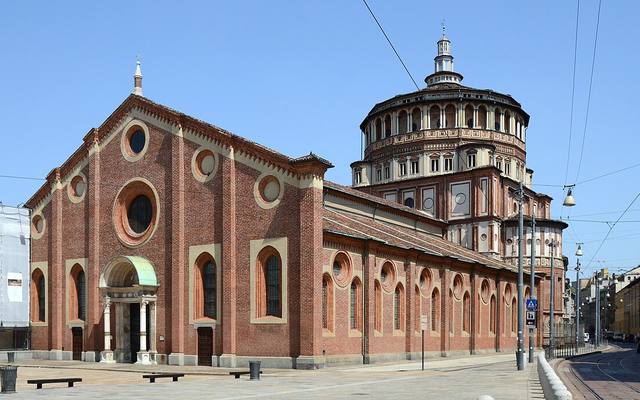 Santa Maria delle Grazie and The Last SupperMonuments · 45 min
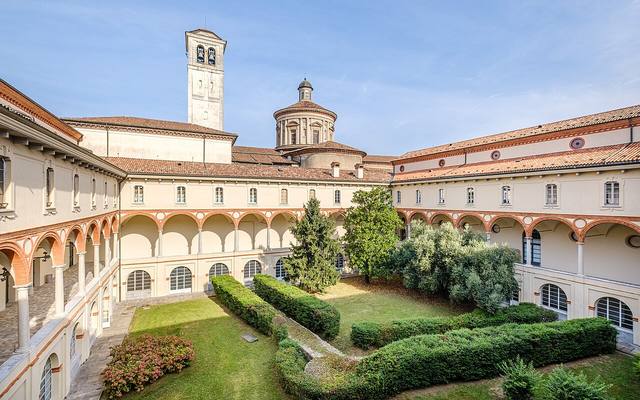 Leonardo da Vinci National Museum of Science and TechnologyMuseums · 2 h 30
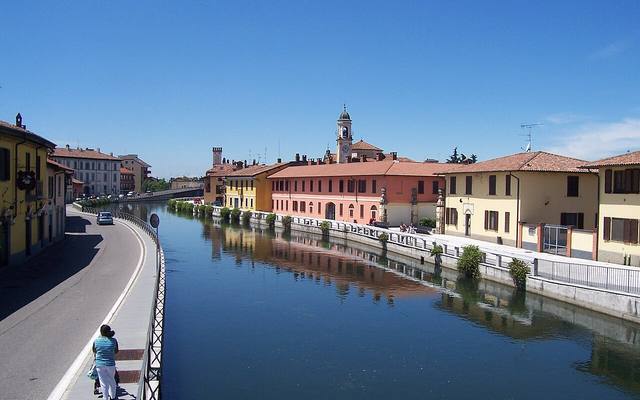 Navigli and DarsenaNeighborhoods, parks, and views · 1 h 30
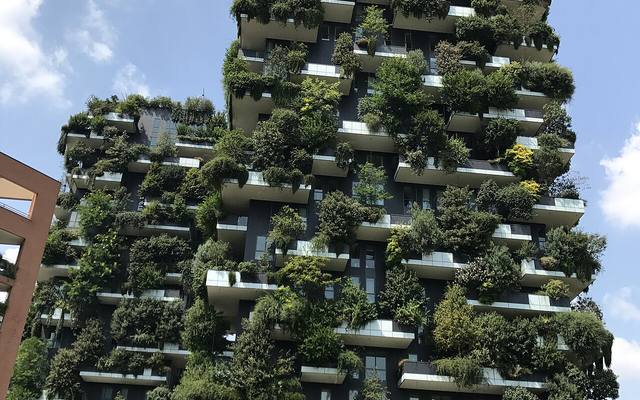 Bosco Verticale and Piazza Gae AulentiNeighborhoods, parks, and views · about 1 h
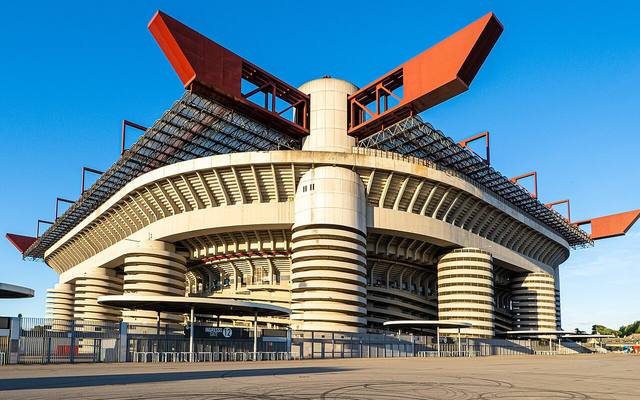 San Siro Stadium and MuseumMonuments · 1 h 30
All places
Monuments
 Teatro alla Scala and its museumMonuments · about 1 hMust-see
 Ca' Granda, the former Great HospitalMonuments · 30 min
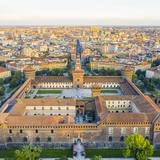 Sforza CastleMonuments · about 2 hMust-see
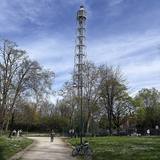 Torre BrancaMonuments · 30 min
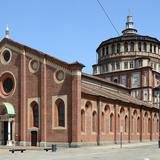 Santa Maria delle Grazie and The Last SupperMonuments · 45 minMust-see
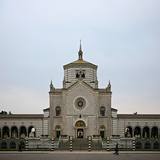 Monumental CemeteryMonuments · about 1 h
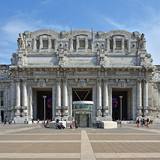 Central Station and the PirelloneMonuments · 30 min
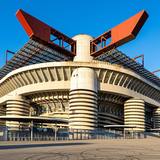 San Siro Stadium and MuseumMonuments · 1 h 30Must-see
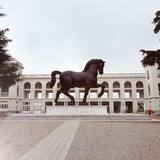 Leonardo's HorseMonuments · 30 min
Museums
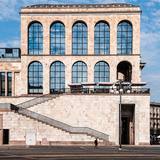 Museo del NovecentoMuseums · 1 h 15
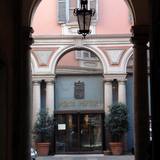 Museo Poldi PezzoliMuseums · about 1 h
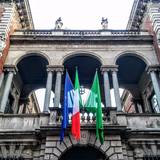 Museo Bagatti ValsecchiMuseums · about 1 h
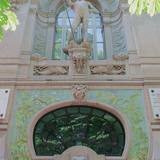 Acquario CivicoMuseums · about 1 h
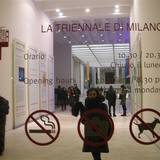 Triennale and the Design MuseumMuseums · about 1 h
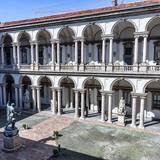 Pinacoteca di BreraMuseums · 1 h 30
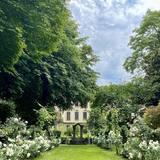 Leonardo's VineyardMuseums · 40 min
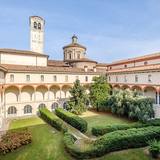 Leonardo da Vinci National Museum of Science and TechnologyMuseums · 2 h 30Must-see
 MUDEC, the Museum of CulturesMuseums · 1 h 15
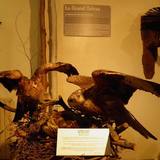 Natural History MuseumMuseums · 1 h 30
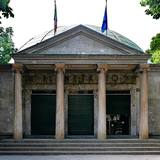 Ulrico Hoepli PlanetariumMuseums · about 1 h
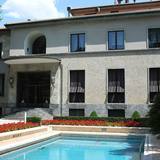 Villa Necchi CampiglioMuseums · about 1 h
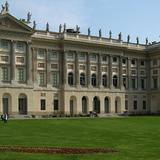 Villa Reale and Gallery of Modern ArtMuseums · about 1 h
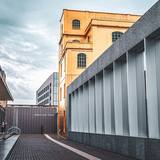 Fondazione PradaMuseums · 1 h 15
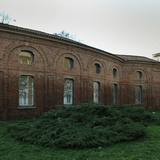 MUBA, the Children's MuseumMuseums · 1 h 30
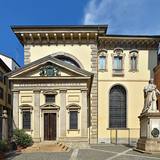 Ambrosian Library and Art GalleryMuseums · 1 h 30
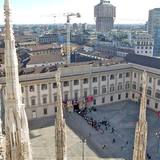 Duomo MuseumMuseums · 1 h 15
Squares and arcades
Churches
 Duomo of MilanChurches · about 2 hMust-see
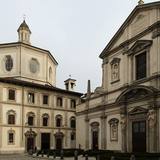 San Bernardino alle OssaChurches · 20 min
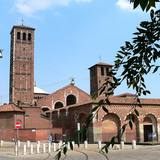 Basilica of Sant'AmbrogioChurches · 45 min
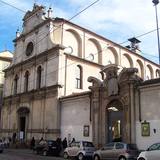 San Maurizio al Monastero MaggioreChurches · 40 min
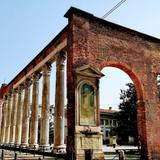 Columns of San Lorenzo and the BasilicaChurches · 40 min
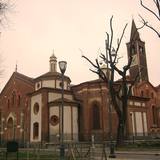 Sant'Eustorgio and the Portinari ChapelChurches · 45 min
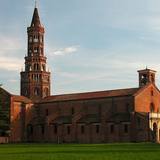 Chiaravalle AbbeyChurches · 1 h 15
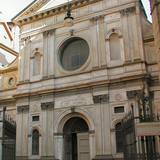 Santa Maria presso San Satiro and its false choirChurches · 30 min
Neighborhoods, parks, and views
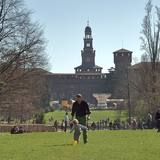 Sempione Park and the Arch of PeaceNeighborhoods, parks, and views · 1 h 30Must-see
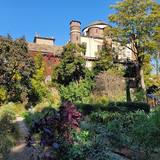 Brera District and Botanical GardenNeighborhoods, parks, and views · about 1 h
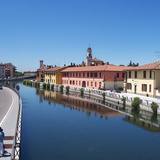 Navigli and DarsenaNeighborhoods, parks, and views · 1 h 30Must-see
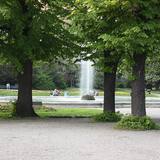 Indro Montanelli GardensNeighborhoods, parks, and views · about 1 h
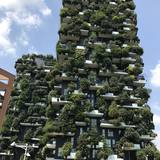 Bosco Verticale and Piazza Gae AulentiNeighborhoods, parks, and views · about 1 hMust-see
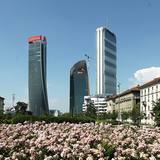 CityLife and the Three TowersNeighborhoods, parks, and views · about 1 h
Day trips
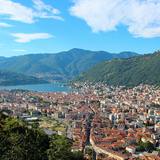 Como and its lakeNeighborhoods, parks, and views · about 5 hMust-see
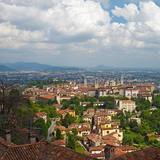 Bergamo, the Upper TownNeighborhoods, parks, and views · 4 h 30
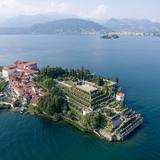 Borromean Islands on Lake MaggioreNeighborhoods, parks, and views · about 5 hMust-see
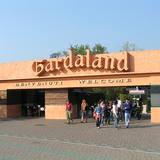 GardalandNeighborhoods, parks, and views · about 8 h
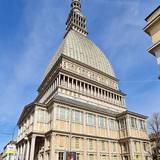 Turin, the Egyptian Museum and the MoleMuseums · about 7 h

The full stories, the audio, the offline map and the challenges for kids.