 Peekwick
Dharavi, a City Within the City
Mumbai · Bandra and Dharavi · Streets, markets and views · 2 h 30
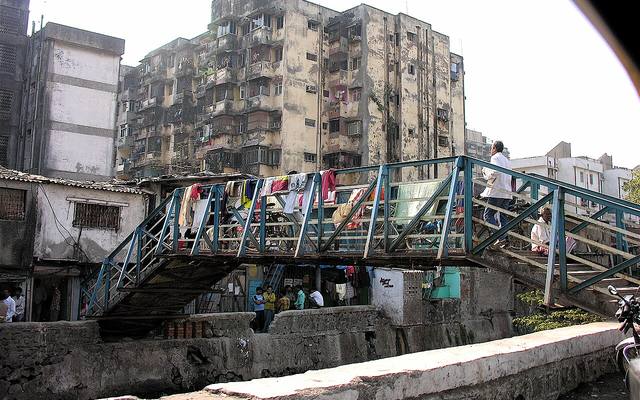
A District Born on the Marshes
In the eighteenth century, Dharavi was an island covered in mangroves, with a small Koli fishing village called Koliwada. The Kolis still live on the western edge of the district. In the late nineteenth century, Bombay grew fast and the authorities moved polluting activities away from the center. The first tannery settled in Dharavi in 1887. Kumbhar potters from Gujarat obtained from the colonial administration a ninety-nine-year lease on land, in 1895 or in 1932 depending on the source. Embroiderers from Uttar Pradesh launched the clothing trade. The district's first Hindu temple, the Ganesh Mandir, dates from 1883, and its oldest mosque, the Badi Masjid, from 1887.
In the app, this story goes on for 6 parts, to read or listen to, with one voice for grown-ups and another for kids.
A City Within the City
Have you ever seen a neighborhood where almost every little room is a workshop? In Dharavi, in the heart of Mumbai, families make clay pots, leather goods, clothes, bread, and soap. Others recycle plastic so it can be used again. There are thousands of workshops, often set up in a single room. People live here, work here, and send their children to school here. It is a small city in the middle of the big one, with its streets, its trades, and its festivals.
In the app, this story goes on for 7 parts, to read or listen to, with one voice for grown-ups and another for kids.

The full stories, the audio, the offline map and the challenges for kids.