 Peekwick
Mumbai
India
Seven Islands and a Goddess
Before it was a metropolis, Mumbai was a cluster of seven islands, home to fishing people called the Kolis. They prayed to the goddess Mumbadevi. The city's name comes from hers, Mumba, and from the Marathi word aai, which means mother. The Portuguese took control from 1534. In 1661, the islands passed to England as part of the dowry of Catherine of Braganza, wife of Charles II. In 1668 the king handed them to the English East India Company, for ten pounds a year.
Port, Cotton and Railway
The British turned Bombay into a great port. Between 1784 and 1845, huge building projects filled in the channels and joined the seven islands into a single landmass. India's first train ran in 1853, from Bombay to Thane, about thirty-four kilometers. The first cotton mill opened the next year. Then the American Civil War pushed up demand for Indian cotton. In 1869, the Suez Canal brought the port closer to Europe.
A City of Migrants
The port and the factories drew people from all over India: Gujaratis, Marathis, Parsis, Jews, Muslims and Christians. Mumbai has the largest Parsi community in the world. After independence in 1947, the city stayed the capital of Bombay State. On May 1, 1960, that state was divided, and Bombay became the capital of Maharashtra. In 1995 it was renamed Mumbai, a name confirmed by a law in 1996. It is also the capital of Hindi-language cinema, nicknamed Bollywood.
How to Read the City
Mumbai is a city won from the sea, built by migrants. More than twelve million people live here, and more than twenty million in the wider urban area. In the south, Victorian Gothic palaces and Art Deco buildings stand side by side with bazaars and working-class neighborhoods. UNESCO added these groups of buildings to the World Heritage list in 2018. The suburban trains are the city's arteries: they carry more than six million passengers a day.
Seven Islands Become a City
Today, you can cross Mumbai from south to north without ever taking a boat. Yet at the start of the nineteenth century, the city was not in one piece: it was seven islands separated by the sea. The Koli fishing people had lived there for a very long time and prayed to the goddess Mumbadevi, whose name gave the city its own. For dozens of years, workers filled in the channels. By 1845, the seven islands had become one.
The Lunchbox Carriers
Every day, thousands of delivery men dressed in white, with a white cap on their heads, deliver lunchboxes prepared at home. They are the dabbawalas. The boxes travel by bicycle, by train, then from hand to hand, and arrive in offices at lunchtime. How do they find their way? Each box carries letters, numbers and colors that say where it starts and where it is going. This service has existed since 1890 and delivers more than a hundred thousand boxes a day.
Challenge for the Whole Trip
Here is your challenge for the whole trip: the Bombay word hunt. Since 1995, the city has been called Mumbai, but many old names have not changed. Look for the word Bombay on signs, boards and shops. The Bombay Natural History Society kept it in its name. Write down every place where you find it. At the end of the trip, compare your score with the rest of the family.
The Quiz
Where does the word Bollywood come from? Answer: it mixes Bombay and Hollywood! Bombay is the old name of Mumbai, the city where Hindi films are made, and Hollywood is the American capital of movies. These films are often full of songs and dances.
Don't miss
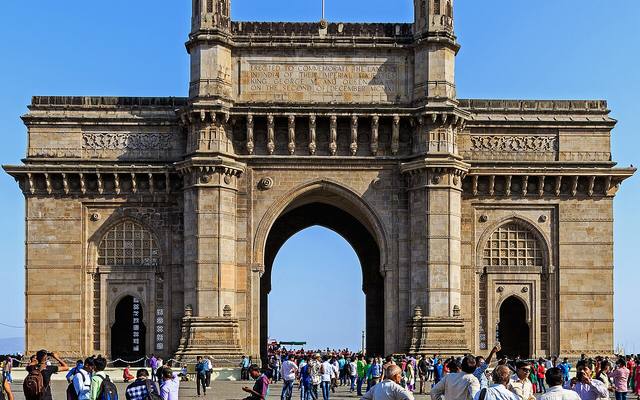
Gateway of IndiaMonuments and heritage · 45 min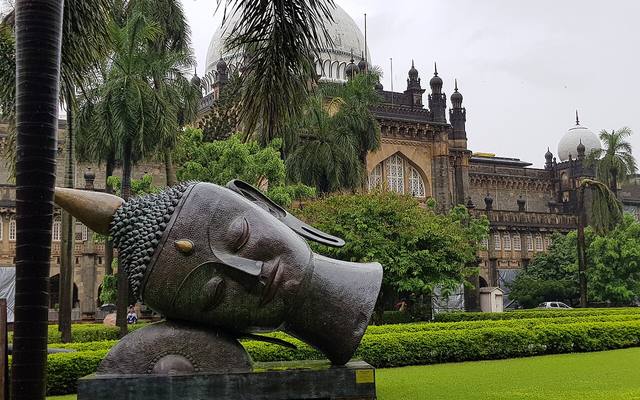 Chhatrapati Shivaji Maharaj Vastu Sangrahalaya MuseumMuseums and science · 2 h 30
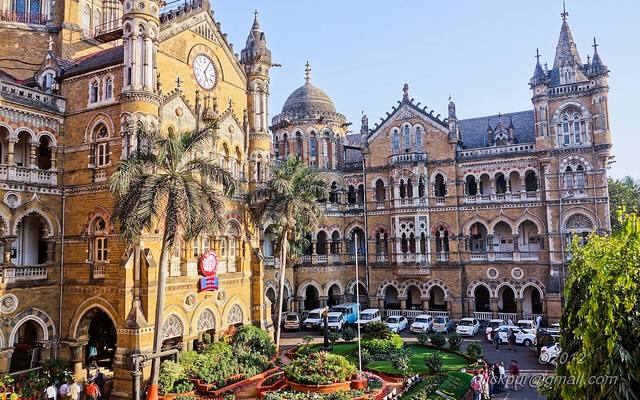 Chhatrapati Shivaji Maharaj Terminus StationMonuments and heritage · about 1 h
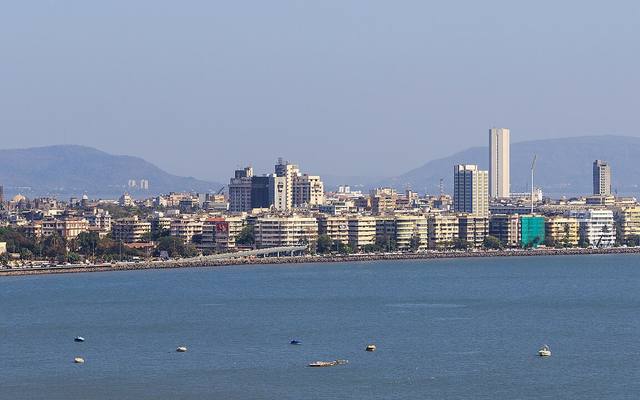 Marine Drive, the Queen's NecklaceStreets, markets and views · about 1 h
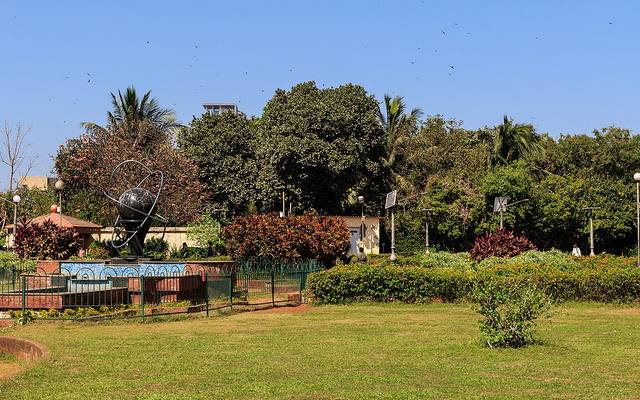 Hanging Gardens and Kamala Nehru ParkBeaches, parks and animals · 1 h 15
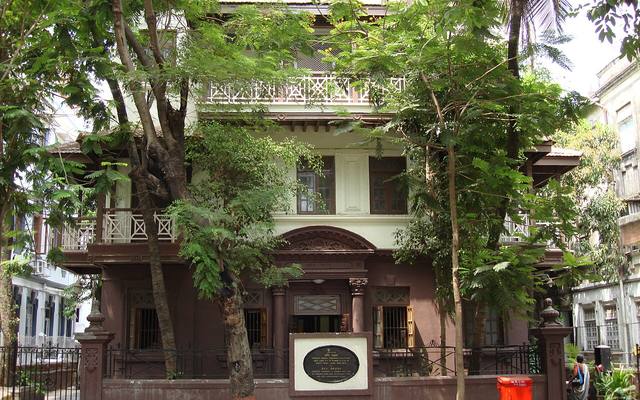 Mani Bhavan, Gandhi's HouseMuseums and science · about 1 h
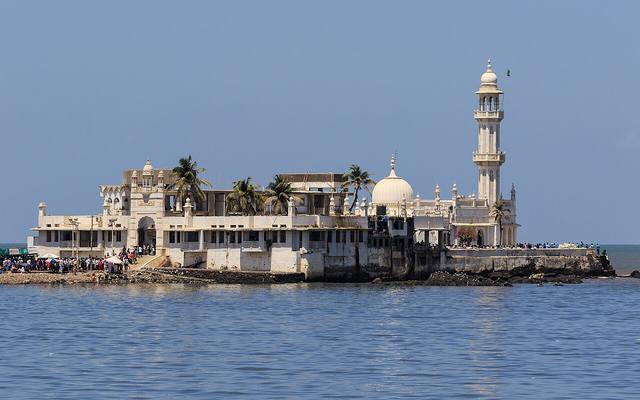 Haji Ali DargahTemples, mosques and churches · about 1 h
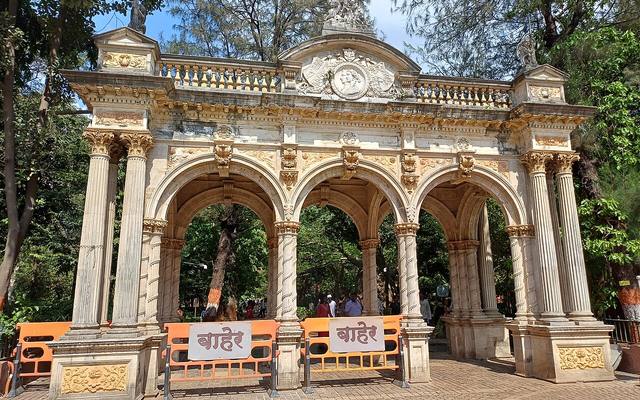 Byculla Zoo, Veermata Jijabai Bhosale UdyanBeaches, parks and animals · 2 h 30
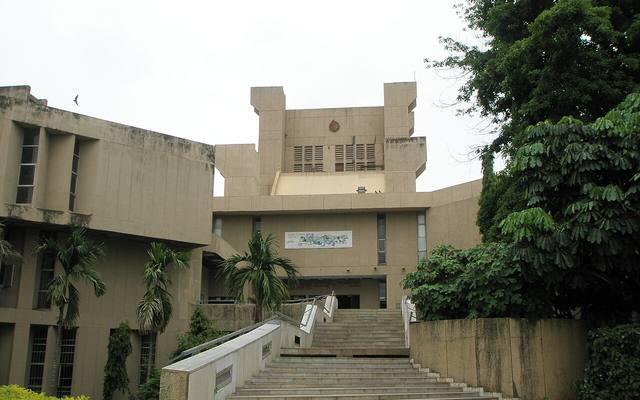 Nehru Science CentreMuseums and science · about 3 h
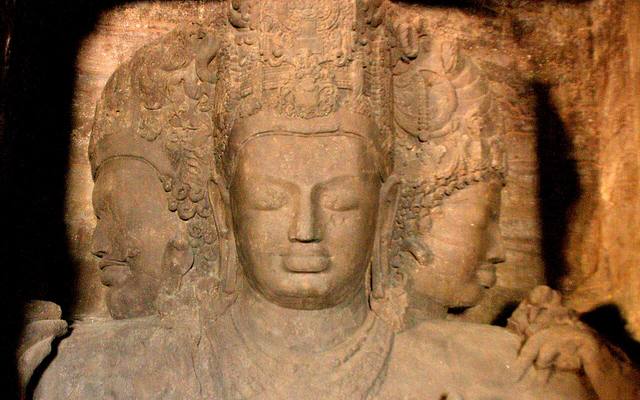 Elephanta CavesMonuments and heritage · about 5 h
All places
Monuments and heritage
 Gateway of IndiaMonuments and heritage · 45 minMust-see
 Taj Mahal Palace HotelMonuments and heritage · 30 min
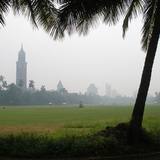 Oval Maidan, Rajabai Tower and the High CourtMonuments and heritage · about 1 h
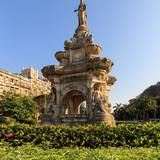 Flora Fountain and Hutatma ChowkMonuments and heritage · 20 min
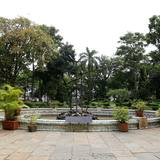 Horniman Circle and the Town HallMonuments and heritage · 40 min
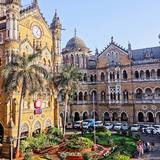 Chhatrapati Shivaji Maharaj Terminus StationMonuments and heritage · about 1 hMust-see
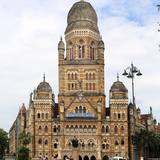 Mumbai Municipal Corporation HeadquartersMonuments and heritage · 45 min
 Bandstand and Bandra FortMonuments and heritage · about 1 h
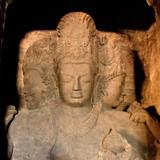 Elephanta CavesMonuments and heritage · about 5 hMust-see
Museums and science
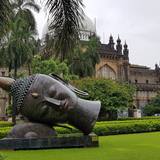 Chhatrapati Shivaji Maharaj Vastu Sangrahalaya MuseumMuseums and science · 2 h 30Must-see
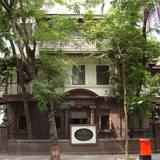 Mani Bhavan, Gandhi's HouseMuseums and science · about 1 hMust-see
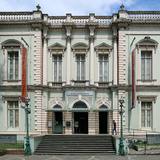 Bhau Daji Lad MuseumMuseums and science · 1 h 15
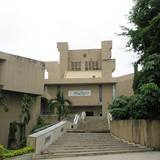 Nehru Science CentreMuseums and science · about 3 hMust-see
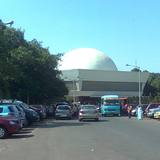 Nehru PlanetariumMuseums and science · 1 h 15
Temples, mosques and churches
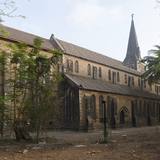 Afghan Church of ColabaTemples, mosques and churches · 30 min
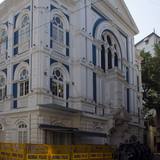 Keneseth Eliyahoo SynagogueTemples, mosques and churches · 25 min
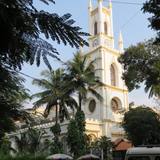 Saint Thomas CathedralTemples, mosques and churches · 30 min
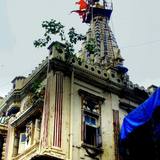 Mumba Devi Temple and the Kalbadevi BazaarsTemples, mosques and churches · 1 h 15
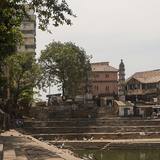 Banganga TankTemples, mosques and churches · 45 min
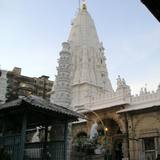 Babulnath TempleTemples, mosques and churches · 30 min
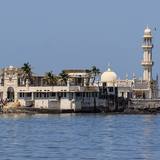 Haji Ali DargahTemples, mosques and churches · about 1 hMust-see
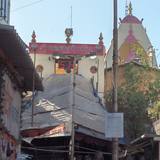 Mahalaxmi TempleTemples, mosques and churches · 30 min
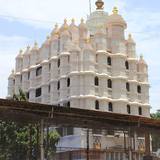 Siddhivinayak TempleTemples, mosques and churches · 45 min
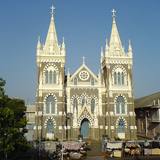 Basilica of Our Lady of the MountTemples, mosques and churches · 40 min
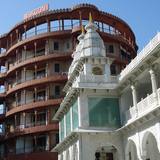 ISKCON Temple, JuhuTemples, mosques and churches · 40 min
Beaches, parks and animals
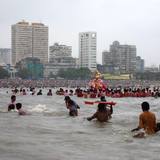 Girgaum Chowpatty BeachBeaches, parks and animals · about 1 h
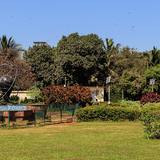 Hanging Gardens and Kamala Nehru ParkBeaches, parks and animals · 1 h 15Must-see
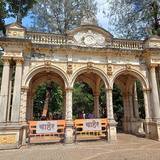 Byculla Zoo, Veermata Jijabai Bhosale UdyanBeaches, parks and animals · 2 h 30Must-see
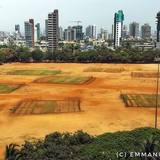 Shivaji ParkBeaches, parks and animals · 45 min
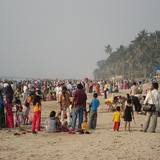 Juhu BeachBeaches, parks and animals · 1 h 15
Streets, markets and views
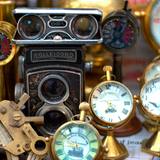 Colaba Causeway, the Street of StallsStreets, markets and views · about 1 h
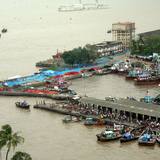 Sassoon Docks, the Fishermen's PortStreets, markets and views · 45 min
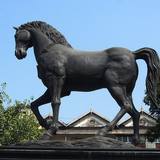 Kala Ghoda, the Arts DistrictStreets, markets and views · about 1 h
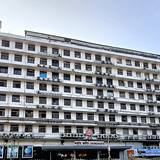 Churchgate Station and the DabbawalasStreets, markets and views · 45 min
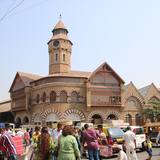 Crawford MarketStreets, markets and views · about 1 h
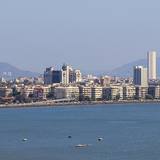 Marine Drive, the Queen's NecklaceStreets, markets and views · about 1 hMust-see
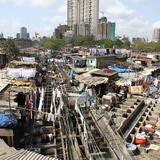 Mahalaxmi Dhobi GhatStreets, markets and views · 30 min
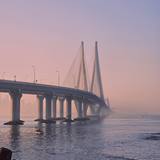 Worli Seafront and the Sea Link BridgeStreets, markets and views · 1 h 15
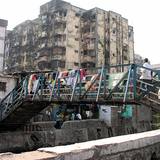 Dharavi, a City Within the CityStreets, markets and views · 2 h 30
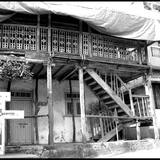 Ranwar and Chapel Road, the Murals of BandraStreets, markets and views · about 1 h
Day trips
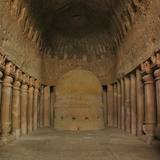 Sanjay Gandhi National Park and Kanheri CavesBeaches, parks and animals · about 5 h
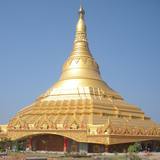 Global Vipassana PagodaTemples, mosques and churches · about 2 h
 Alibaug and Kolaba FortMonuments and heritage · 3 h 30
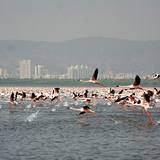 Flamingos of Thane CreekBeaches, parks and animals · about 3 h
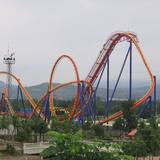 Imagicaa Amusement ParkBeaches, parks and animals · about 7 h

The full stories, the audio, the offline map and the challenges for kids.