 Peekwick
Madras Crocodile Bank and DakshinaChitra
Pondicherry · Beaches, Parks and Nature · about 6 h
Three Crocodiles to Save
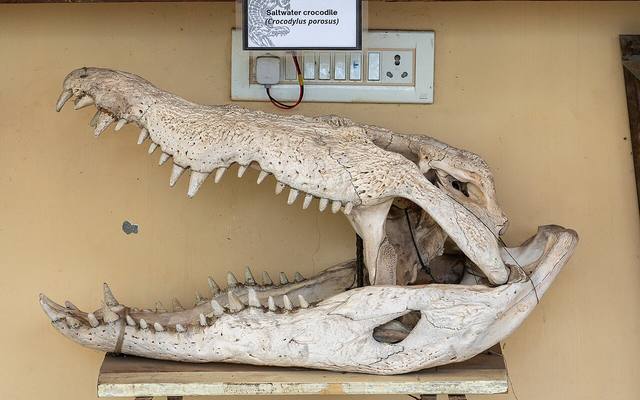
The Madras Crocodile Bank Trust was founded on August 26, 1976, by the herpetologist Romulus Whitaker, with his wife Zai and other enthusiasts. The first funds came from wedding presents, help from family and the sale of a few objects. It is located at Vadanemmeli, on the coast road, about forty kilometers south of Chennai. It was originally meant to save three crocodile species of India: the mugger crocodile, the saltwater crocodile and the gharial. At that time, hunting for skins and habitat loss had caused their numbers to plunge. The center is recognized as a zoo by the authorities and counts among the largest reptile zoos in the world.
In the app, this story goes on for 6 parts, to read or listen to, with one voice for grown-ups and another for kids.
A Zoo Like No Other
Here we are in one of the biggest reptile zoos in the world. No lions or giraffes here: crocodiles, turtles, snakes and lizards. The center was founded in 1976 by Romulus Whitaker and his wife Zai. Their goal was to save three kinds of Indian crocodiles that were becoming rarer and rarer. Since then, more than five thousand crocodiles have been born here. Today nearly four hundred crocodiles and cousins lounge in the sun here, according to the 2026 press. A keeper calls the mugger crocodiles, and they come toward him, because they recognize his voice.
In the app, this story goes on for 6 parts, to read or listen to, with one voice for grown-ups and another for kids.

The full stories, the audio, the offline map and the challenges for kids.