 Peekwick
Pondicherry
India
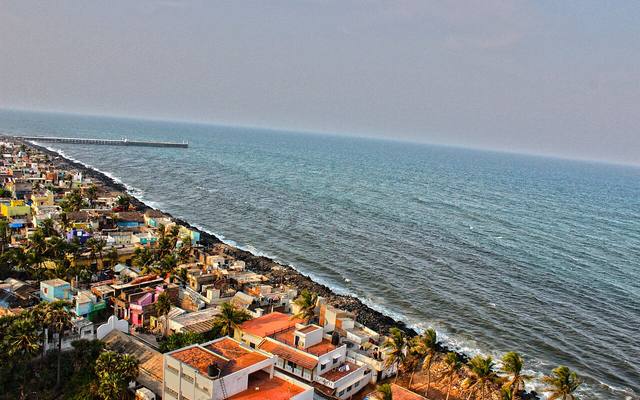
A Name, a Trading Post
Puducherry, the Tamil name of the city, official since 2006, means "new village." Long before the Europeans, a merchant port thrived at Arikamedu, a few kilometers to the south. Excavations there turned up Roman amphoras and tableware: people traded with Rome here nearly two thousand years ago. In 1521, the Portuguese set up a textile trade here. The Danes and the Dutch followed in the seventeenth century.
The Company Town
In 1674, the French East India Company founded a trading post under the leadership of François Martin. The Dutch took the town in 1693 and gave it back in 1699. The town prospered and was fortified. Under Governor Dupleix, from 1742 to 1754, it held off a British siege in 1748. The British seized it in 1761 and razed it. Returned to France in 1765, it changed hands several more times during the wars. The Treaty of Paris of 1814 provided for its return, but the handover only took place in 1816.
From Trading Post to India
Pondicherry was the capital of the five French trading posts in India. In 1910, the Indian philosopher Sri Aurobindo took refuge here. He was later joined by Mirra Alfassa, a Parisian known as the Mother. Their ashram, a spiritual community, took shape in 1926, and the Mother founded Auroville in 1968. On November 1, 1954, after a vote by local elected officials, Pondicherry passed in practice to India. In 1962, France ratified the treaty signed in 1956, which sealed the transfer in law.
One City, Two Faces
To understand Pondicherry, remember one canal. On the sea side, White Town, the former French quarter, is laid out on a grid. Its streets have French names, and its yellow or pastel facades are covered in bougainvillea. On the other side, the Tamil Quarter bustles around its temples, its markets and its narrow lanes. Tamil, French and English live side by side, and a few thousand residents have kept French nationality. Many police officers still wear the red kepi, a legacy of the French era.
A Roman Ship at Arikamedu
Imagine it is two thousand years ago. On the shore at Arikamedu, very close to Pondicherry, a big ship from the Roman Empire drops anchor. The sailors unload amphoras, those big jars with two handles, then sail off with Indian pearls and cloth. This scene is imagined, but it rests on digs. Archaeologists found jars just like those, with traces of wine. They prove that India and Rome were already trading.
One City, Many Flags
Later, the Portuguese, the Danes, the Dutch, the French and the British came in turn. The French stayed the longest, from 1674 to 1954, with a few breaks. The Tamil name of the city, Puducherry, means new village. Since 2006 it has been the official name, and many people simply say Pondy. On October 18, 1954, elected officials voted: one hundred seventy votes to join India, and eight against. But the French past stayed everywhere. Look at the police officers' heads: many wear a red kepi, a round cap with a visor left over from the French era.
Challenge of the Trip
All through your trip, count the red kepis you see on police officers' heads. Also note the French names you read on street signs, shop signs and bakeries. In the evening, compare your list with your family's. Whoever found the most kepis and French words wins.
The Quiz
What does Puducherry, the Tamil name of the city, mean? Answer: new village. Today people speak Tamil, French and English here, and you can eat a dosa crepe for breakfast and a croissant for an afternoon snack.
Don't miss
Promenade Beach, the SeafrontStreets, Markets and Views · 1 h 15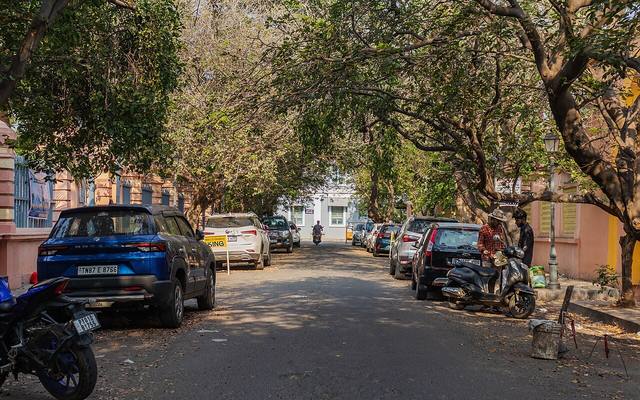 White Town, Streets and Yellow HousesStreets, Markets and Views · about 2 h
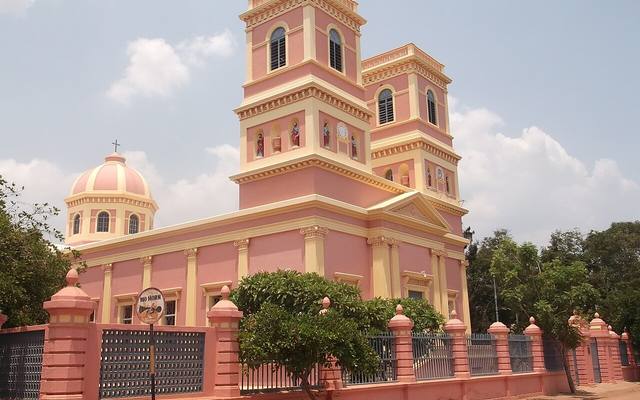 Our Lady of the Angels ChurchTemples, Churches and Mosque · 40 min
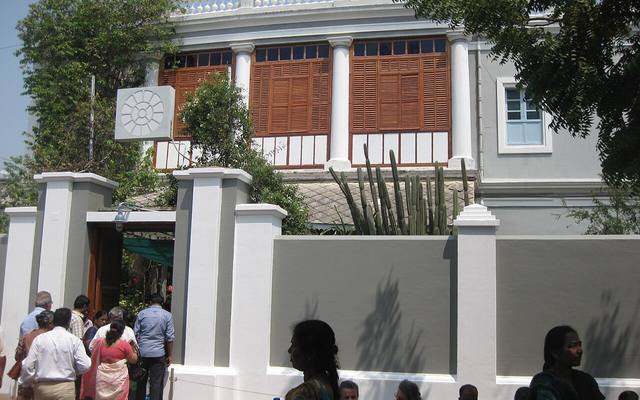 Sri Aurobindo AshramTemples, Churches and Mosque · 45 min
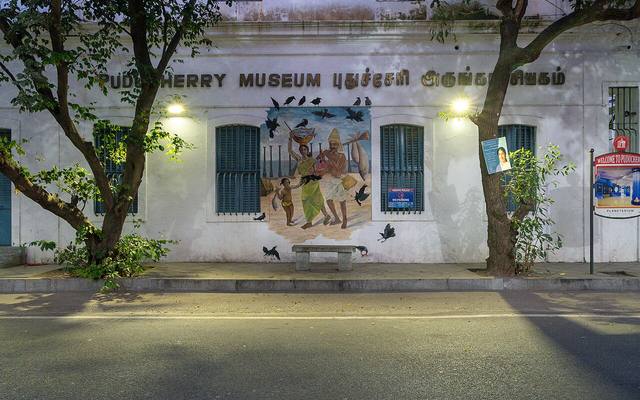 Pondicherry MuseumMuseums and Science · 1 h 15
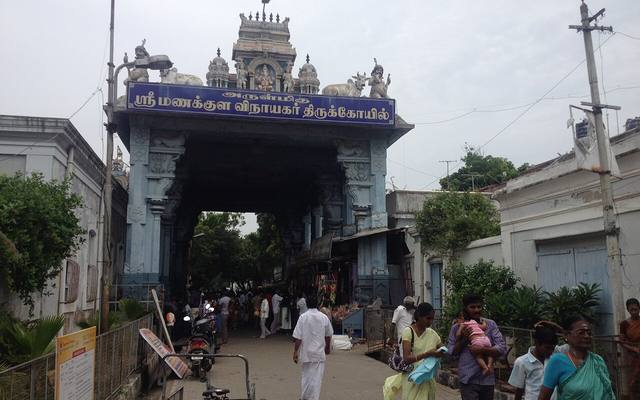 Manakula Vinayagar TempleTemples, Churches and Mosque · 40 min
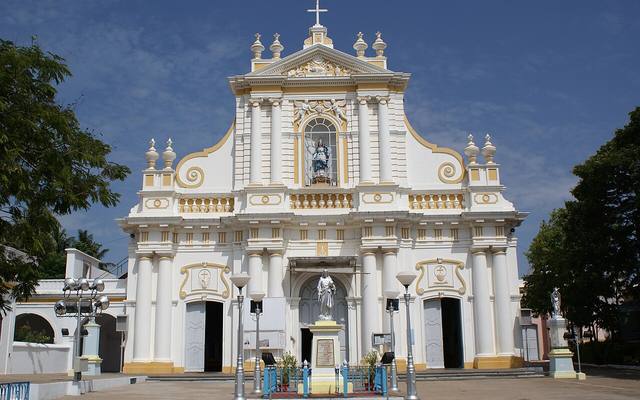 Immaculate Conception CathedralTemples, Churches and Mosque · 40 min
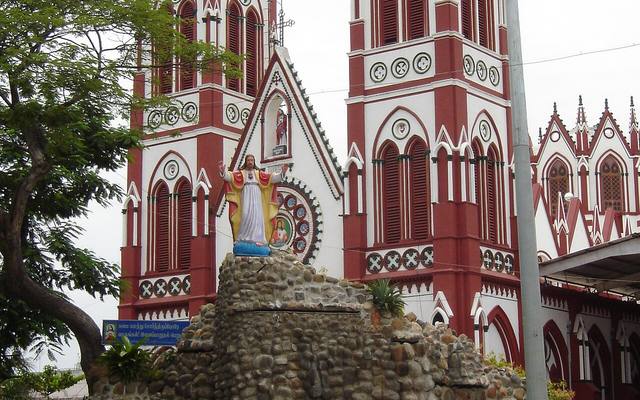 Sacred Heart BasilicaTemples, Churches and Mosque · 40 min
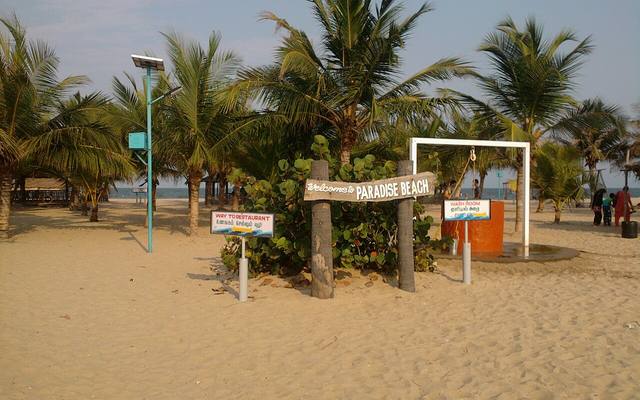 Chunnambar and Paradise BeachBeaches, Parks and Nature · about 3 h
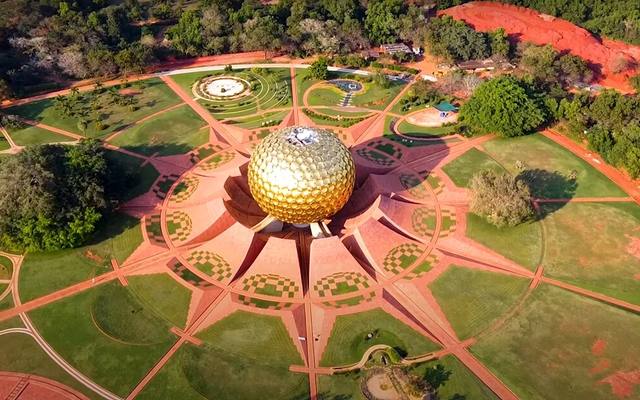 The MatrimandirTemples, Churches and Mosque · 1 h 30
All places
History and Heritage
 Gandhi Statue and War MemorialHistory and Heritage · 30 min
 Dupleix StatueHistory and Heritage · 30 min
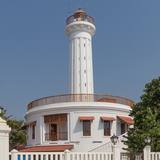 The Pondicherry LighthouseHistory and Heritage · 30 min
 The Town HallHistory and Heritage · 30 min
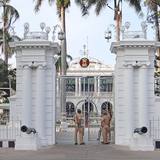 Raj Nivas, Now Lok NiwasHistory and Heritage · 20 min
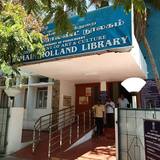 Romain Rolland LibraryHistory and Heritage · 30 min
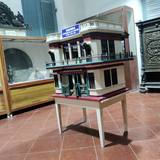 Ananda Ranga Pillai's HouseHistory and Heritage · 40 min
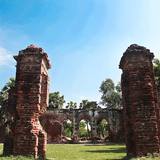 Arikamedu, the Roman Trading PostHistory and Heritage · 45 min
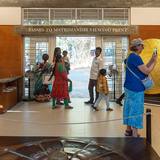 Auroville Visitors Center and Bharat NivasHistory and Heritage · about 2 h
Museums and Science
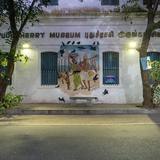
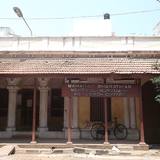
Temples, Churches and Mosque
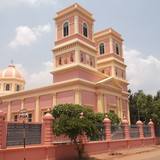 Our Lady of the Angels ChurchTemples, Churches and Mosque · 40 minMust-see
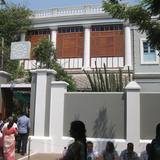 Sri Aurobindo AshramTemples, Churches and Mosque · 45 minMust-see
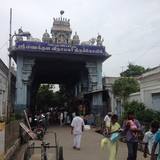 Manakula Vinayagar TempleTemples, Churches and Mosque · 40 minMust-see
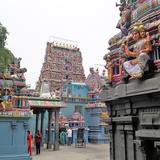 Vedapureeswarar TempleTemples, Churches and Mosque · 40 min
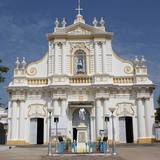 Immaculate Conception CathedralTemples, Churches and Mosque · 40 minMust-see
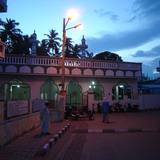 The Great Mosque of PondicherryTemples, Churches and Mosque · 30 min
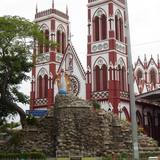 Sacred Heart BasilicaTemples, Churches and Mosque · 40 minMust-see
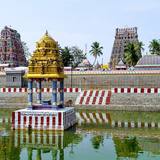 Kameeswarar Temple, VillianurTemples, Churches and Mosque · 45 min
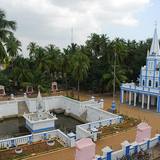 Our Lady of Lourdes Shrine, VillianurTemples, Churches and Mosque · 40 min
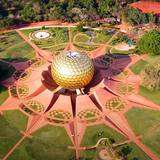 The MatrimandirTemples, Churches and Mosque · 1 h 30Must-see
Beaches, Parks and Nature
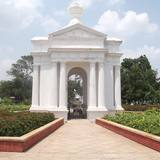 Bharathi Park and Aayi MandapamBeaches, Parks and Nature · about 1 h
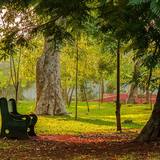 Pondicherry Botanical GardenBeaches, Parks and Nature · 1 h 15
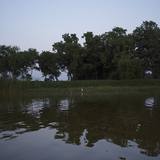 Ousteri LakeBeaches, Parks and Nature · 1 h 30
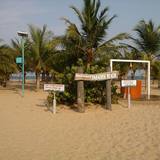 Chunnambar and Paradise BeachBeaches, Parks and Nature · about 3 hMust-see
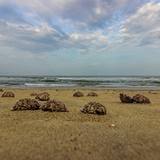 Eden BeachBeaches, Parks and Nature · about 2 h
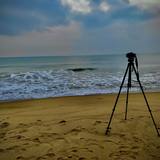 Auroville Beach, Repos SideBeaches, Parks and Nature · about 2 h
Streets, Markets and Views
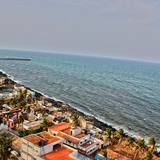 Promenade Beach, the SeafrontStreets, Markets and Views · 1 h 15Must-see
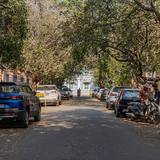 White Town, Streets and Yellow HousesStreets, Markets and Views · about 2 hMust-see
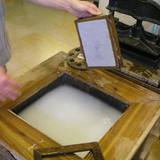 The Ashram's Handmade Paper WorkshopStreets, Markets and Views · 45 min
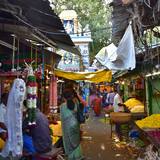 The Grand Bazaar and the Goubert MarketStreets, Markets and Views · about 1 h
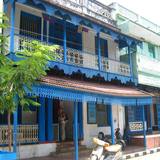 The Tamil Quarter and Its Verandah HousesStreets, Markets and Views · 1 h 30
Day trips
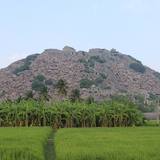 Gingee FortHistory and Heritage · about 4 h
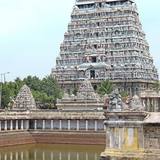 Chidambaram, Nataraja TempleTemples, Churches and Mosque · 2 h 30
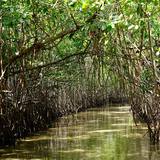 Pichavaram MangroveBeaches, Parks and Nature · 2 h 30
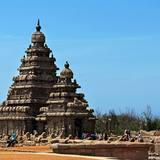 Mahabalipuram, Temples and ReliefsHistory and Heritage · about 5 h
 Madras Crocodile Bank and DakshinaChitraBeaches, Parks and Nature · about 6 h

The full stories, the audio, the offline map and the challenges for kids.