 Peekwick
Prague
Czechia
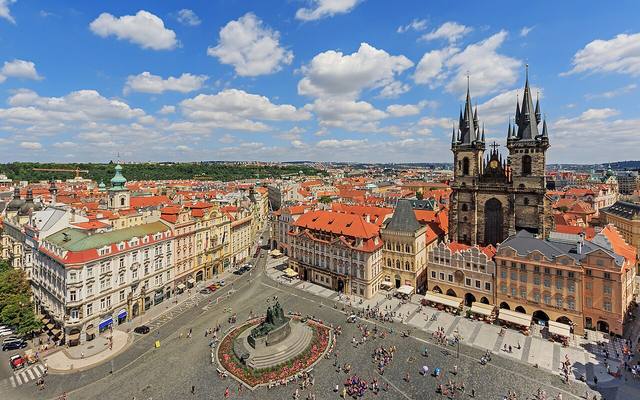
The prophecy of Libuše
According to legend, Princess Libuše, standing on a rock above the Vltava, saw in a dream a city whose glory would touch the stars. Her descendants, the Přemyslids, founded a castle on the hill around the end of the ninth century. That castle has never stopped growing. Today it is one of the largest castle complexes in the world, and it still houses the president of the Czech Republic.
The golden age of Charles IV
In the fourteenth century, King Charles IV became emperor and made Prague the capital of the Holy Roman Empire. In 1348 he founded one of the oldest universities in central Europe, laid out a new town, and began the bridge that bears his name. In 1618, Protestant nobles threw representatives of the emperor out of a castle window. This defenestration set off the Thirty Years' War, which ravaged Europe.
A city spared
Unlike many cities in central Europe, Prague came out of the wars of the twentieth century almost intact. It lived through the Nazi occupation, then forty years of communist rule. In 1989, the Velvet Revolution overthrew the regime without violence. Four years later, Czechoslovakia split peacefully into two countries, and Prague became the capital of the Czech Republic.
How to read the city
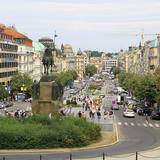
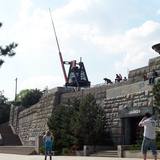
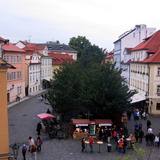
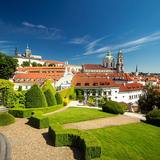
The Vltava cuts Prague in two. On the right bank lie the Old Town, with its astronomical clock, the old Jewish quarter, and the New Town, built around Wenceslas Square. Charles Bridge leads across to the left bank, to the Malá Strana quarter, at the foot of the castle. Above it, Petřín Hill offers gardens and the best view of the red roofs and the hundred spires of the city.
A living clock
Every hour, on the wall of a tower, a skeleton pulls a rope and rings a bell. Two little windows open, and the twelve apostles file past one after another. To finish, a golden rooster crows. This clock is more than six hundred years old. The astronomical clock of Prague also shows the position of the Sun and the Moon. It is the oldest clock of its kind still working in the world.
The clay giant
Did you know? A legend says that a very long time ago, a rabbi of Prague shaped a giant out of river clay. He woke it up by slipping a piece of paper with a secret word into its mouth. This giant, the Golem, protected the people of the Jewish quarter. One day, grown too strong and out of control, it was put to sleep forever. They say it still rests in the attic of an old synagogue.
The bridge statue challenge
On Charles Bridge stand thirty statues of saints. Count them as you cross. Then look for the one of Saint John of Nepomuk. Under it, a bronze plaque shines like gold, because thousands of visitors touch it. Tradition says this brings good luck and makes you come back to Prague. Also notice which other parts of the statues shine.
The quiz
Work on Charles Bridge began on July 9, 1357, at 5:31 in the morning. Why did the emperor choose this exact moment? Answer: write the digits one after another, 1 3 5 7 9 7 5 3 1. They climb up and then back down, like a staircase! The astrologers of the time thought this magic number would make the bridge indestructible. And it is still standing.
Don't miss
Old Town SquareSquares and Streets · 30 min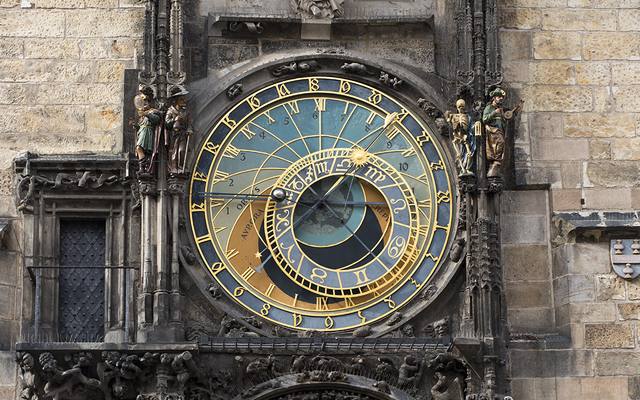 Astronomical Clock and Old Town HallMonuments · 45 min
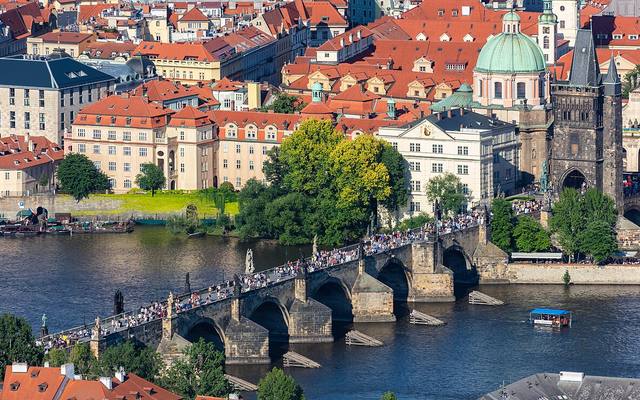 Charles BridgeMonuments · 45 min
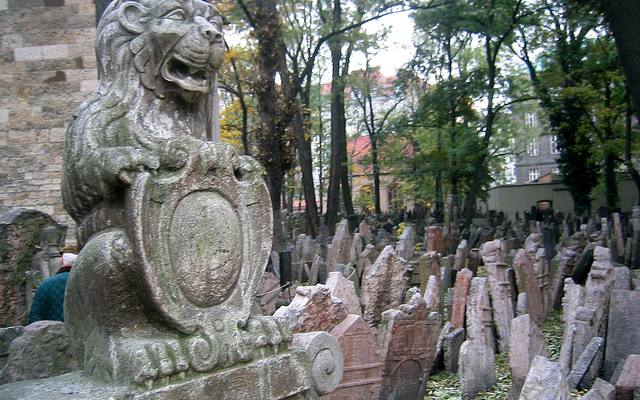 Old Jewish CemeteryPlaces of Worship · 45 min
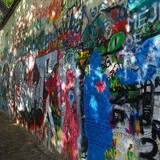
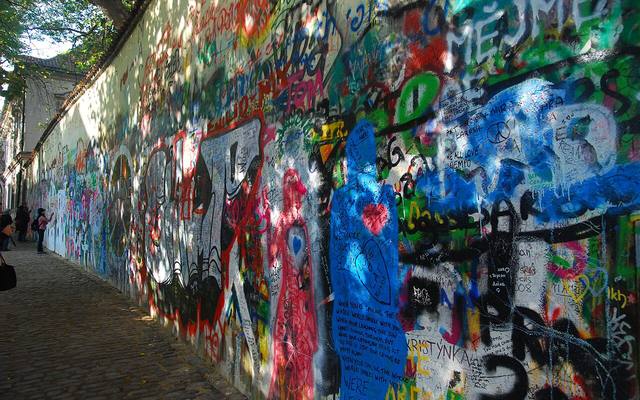 John Lennon WallSquares and Streets · 20 min
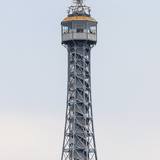
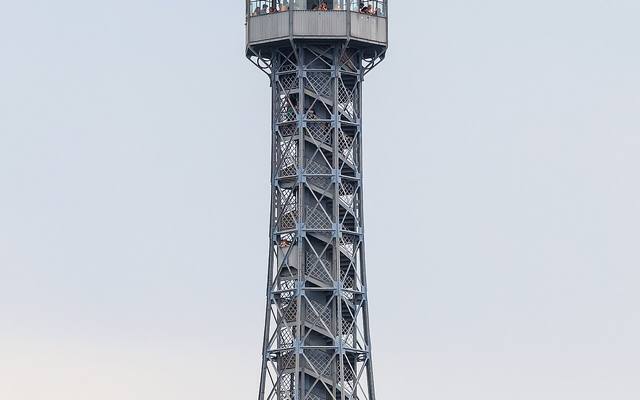 Petřín Hill and TowerParks, Hills and Views · about 2 h
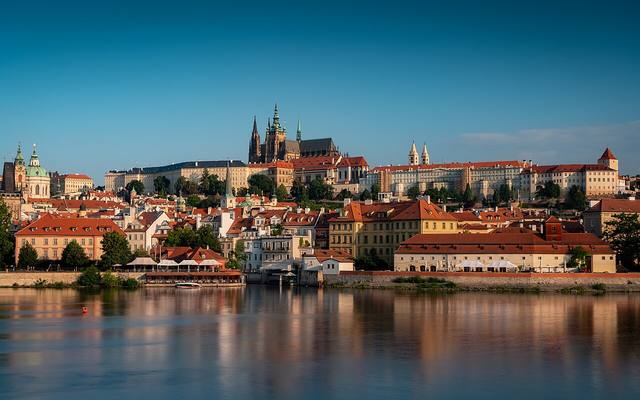 Prague CastleMonuments · about 1 h
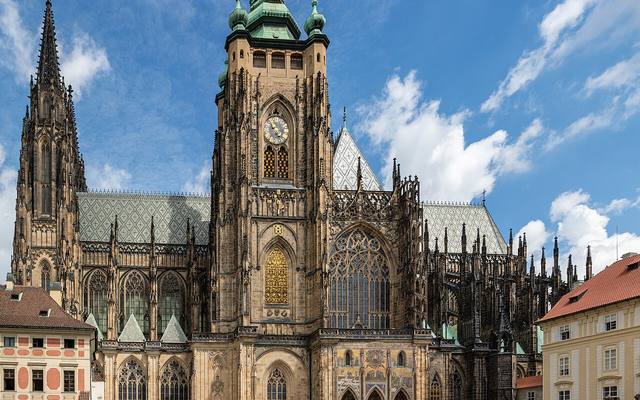 Saint Vitus CathedralPlaces of Worship · 45 min
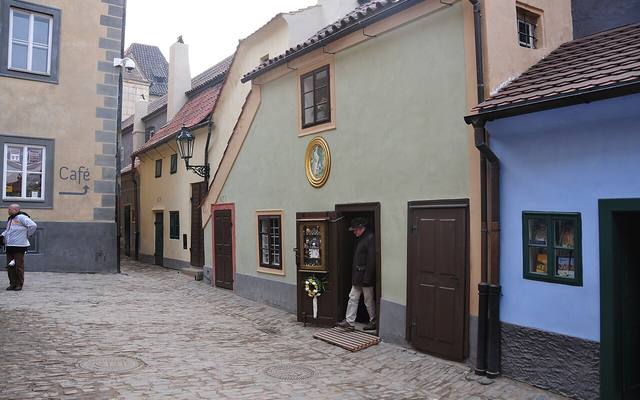 Golden LaneMonuments · 30 min
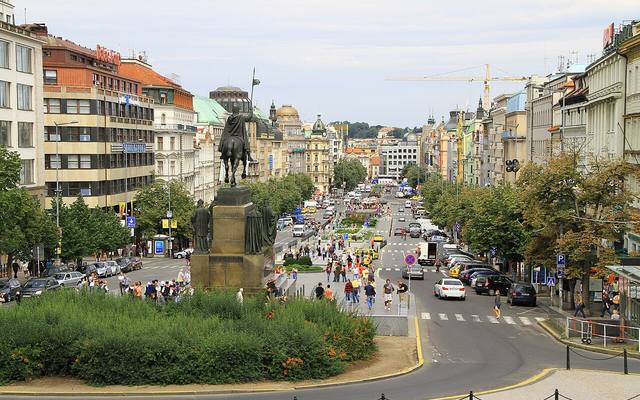 Wenceslas SquareSquares and Streets · 20 min
All places
Monuments
 Astronomical Clock and Old Town HallMonuments · 45 minMust-see
 Charles BridgeMonuments · 45 minMust-see
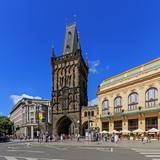 Municipal House and Powder TowerMonuments · 30 min
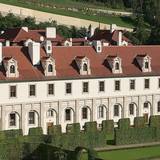 Wallenstein Palace and GardensMonuments · 45 min
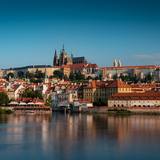 Prague CastleMonuments · about 1 hMust-see
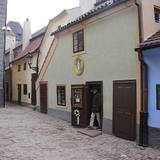 Golden LaneMonuments · 30 minMust-see
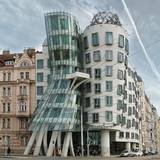 Dancing HouseMonuments · 15 min
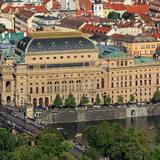 National TheaterMonuments · 20 min
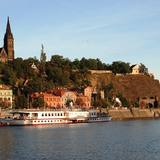 Vyšehrad FortressMonuments · 1 h 30
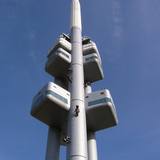 Žižkov Television TowerMonuments · 45 min
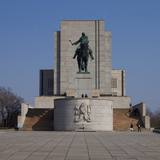 Vítkov National MonumentMonuments · 1 h 15
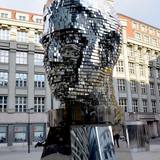 Franz Kafka's Rotating HeadMonuments · 20 min
Museums
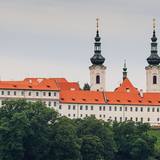
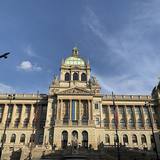
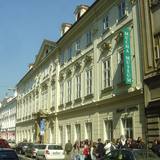
Squares and Streets
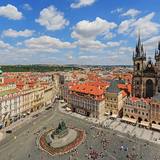
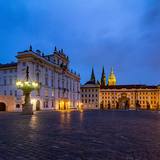
Places of Worship
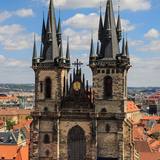 Church of Our Lady before TýnPlaces of Worship · 20 min
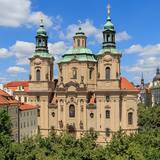 Saint Nicholas Church in the Old TownPlaces of Worship · 15 min
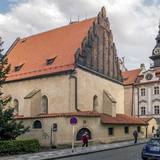 Old New SynagoguePlaces of Worship · 30 min
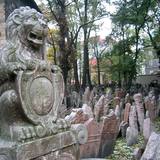 Old Jewish CemeteryPlaces of Worship · 45 minMust-see
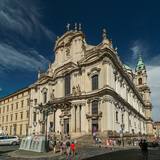 Saint Nicholas Church in Malá StranaPlaces of Worship · 45 min
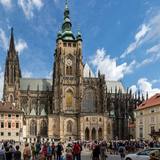 Saint Vitus CathedralPlaces of Worship · 45 minMust-see
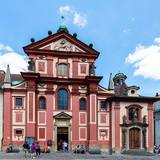 Saint George's BasilicaPlaces of Worship · 20 min
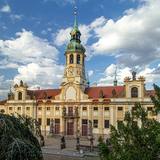 LoretaPlaces of Worship · 45 min
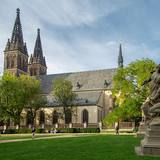 Saints Peter and Paul BasilicaPlaces of Worship · 20 min
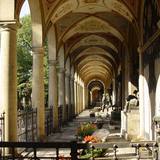 Vyšehrad CemeteryPlaces of Worship · 30 min
Parks, Hills and Views
Planning Prague
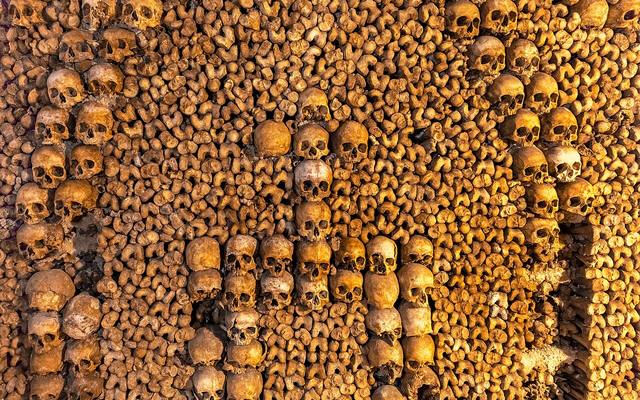 Ideas and tipsCatacombs and underground sights in Europe to visit with kids: Rome, Paris, Vienna, PragueCatacombs in Rome and Paris, the sewers, an underground lake near Vienna, the Kutná Hora ossuary: which underground visits suit kids, and how to prepare them.November 12, 2026EventsPrague at Christmas with kids: what to do over the 2026-2027 holidaysPrague Christmas markets, St Nicholas on 5 December, the castle and the zoo: what to do with kids over the holidays, and what closes from 24 December on.November 6, 2026EventsChristmas markets with kids 2026: 9 cities, dates and tipsVienna, Prague, Brussels, Zagreb, Copenhagen, London: the 2026 dates of Europe's big Christmas markets and festivals, and what kids enjoy in each city.October 13, 2026

The full stories, the audio, the offline map and the challenges for kids.