 Peekwick
Estádio do Maracanã
Rio de Janeiro · Maracanã and São Cristóvão · Monuments and history · about 2 h
A stadium for 1950
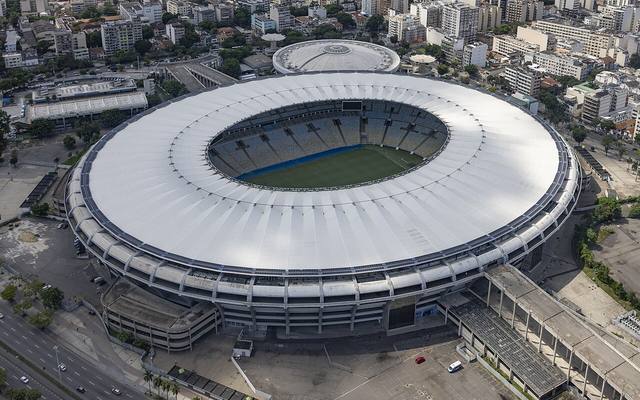
In 1946 Brazil won the right to host the football World Cup, the first since the war. It needed a stadium worthy of its ambition. Work began in 1948, in the north zone of Rio, near the small Maracanã river. The name comes from Tupi, the language of the first inhabitants, and is said to mean a small green parrot. A team of young Brazilian architects, including Raphael Galvão and Miguel Feldman, drew an immense ellipse of concrete. The stadium opened on 16 June 1950 under the name Municipal Stadium. Its official capacity was 155,000 seats, the largest in the world at the time. Yet the finishing work was only completed in 1965. In 1966 it was named after Mário Filho, the sports journalist who had argued so hard for its construction. For the Cariocas, the people of Rio, it will always be the Maraca.
In the app, this story goes on for 6 parts, to read or listen to, with one voice for grown-ups and another for kids.
The day of silence
Sunday, sixteenth of July, 1950. In the brand new Maracanã stadium, tens of thousands of people are already singing about victory. Brazil only needs a draw to become world champion. The newspapers have even prepared their headlines. But at the end of the match, the whole stadium goes quiet. This silence became famous in the whole history of football.
In the app, this story goes on for 6 parts, to read or listen to, with one voice for grown-ups and another for kids.

The full stories, the audio, the offline map and the challenges for kids.