 Peekwick
Rio de Janeiro
Brazil
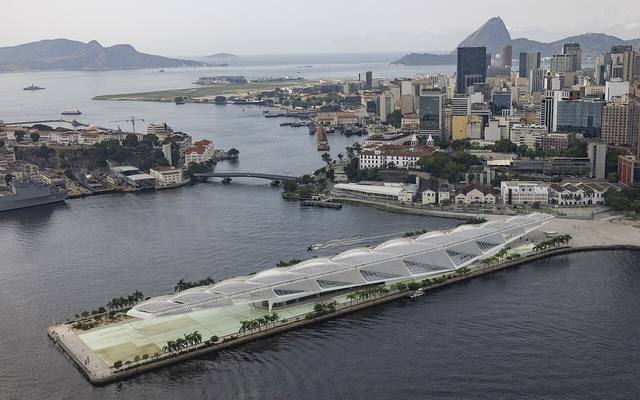
A river that does not exist
On January 1, 1502, Portuguese navigators sail into an immense bay. They think they have found the mouth of a river and call it Rio de Janeiro, the January River. Yet there is no river at all. The name stuck. In 1565, Estácio de Sá founds the city at the foot of Sugarloaf Mountain, Pão de Açúcar in Portuguese. His aim is to hold the bay against the French, who had settled there.
Two centuries as a capital
In the eighteenth century, gold from the mines of the interior passes through the port. In 1763, Rio becomes the capital of Portuguese Brazil. In 1808, the Portuguese court, fleeing Napoleon, settles there and transforms the city. In 1822, Pedro I proclaims independence, and the empire lasts until 1889. Rio then remains the capital of the republic until Brasília is inaugurated in 1960. Its port also received hundreds of thousands of enslaved Africans, a memory the city now presents at the Valongo site.
The mountain and the sea
Rio is squeezed between the ocean and granite hills. Corcovado and Sugarloaf Mountain plunge into the sea, and the Tijuca Forest covers the heart of the city. So the neighborhoods stretch along the hollows, linked by tunnels. The locals, the cariocas, live outdoors: beach, soccer, samba and long conversations. In 2012, UNESCO listed this landscape between sea and mountain.
How to read the city
The Centro and the Port keep the history. The South Zone, from Botafogo to Leblon, lines up the beaches and gardens. The North Zone is home to the Maracanã stadium. Barra da Tijuca, to the west, runs along an immense beach. Always keep the mountain as a landmark: it tells you where you are.
A river nobody can find
A city called the January River, but with no river at all: does that sound possible to you? Yet that is Rio de Janeiro! In January 1502, Portuguese sailors entered a big bay. They thought they were at the mouth of a river and gave it that name. It was a mistake, but the name has stuck for more than five hundred years.
The giant of Corcovado
On Corcovado mountain, a giant made of stone opens its arms over the city. Christ the Redeemer was inaugurated in 1931. He is 30 meters tall, not counting his base, and his arms stretch 28 meters wide. His skin is made of millions of little soapstone tiles, stuck on like a mosaic over concrete. From up there, he watches over the bay, the beaches and Sugarloaf Mountain.
Your challenge for the trip
All through your stay, play Christ hunter. You can see him from very far away: from the beaches, the lagoon or the hills. Write down every place where you spot him, and try to find five different ones. On cloudy days, he disappears. If you guess where he hides behind the fog, you win one extra point.
The quiz
Why is Rio de Janeiro named after a river when there is none? Answer: the Portuguese sailors of 1502 mistook the bay for the mouth of a river. They arrived in January, which is where the name comes from: the January River.
Don't miss
Museu do AmanhãMuseums and culture · about 2 h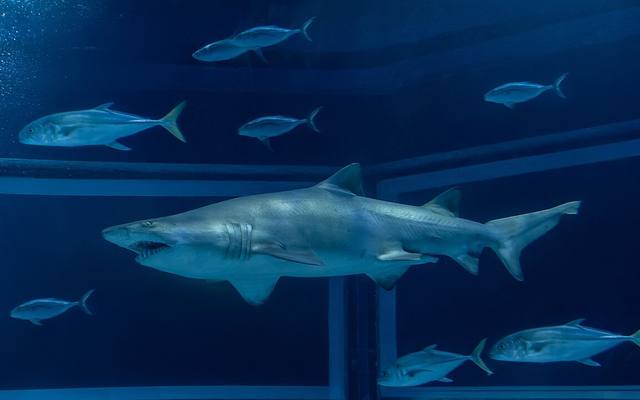 AquaRioNature and viewpoints · 2 h 30
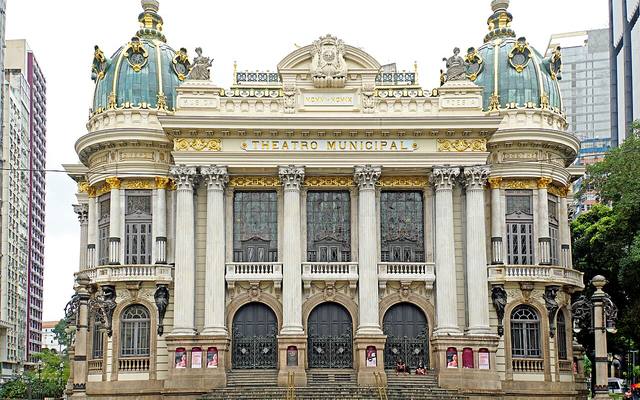 Theatro MunicipalMonuments and history · 1 h 30
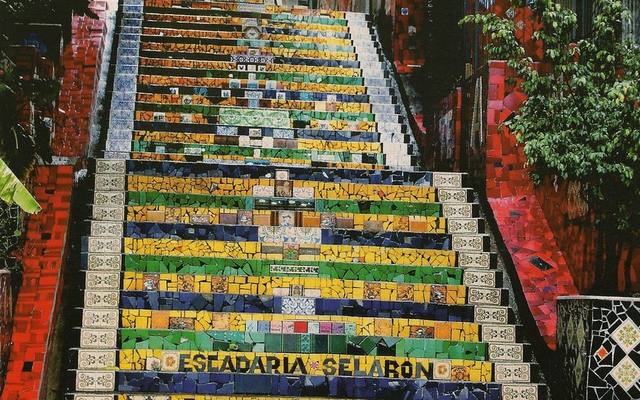 Escadaria SelarónNeighborhoods, markets and atmosphere · 35 min
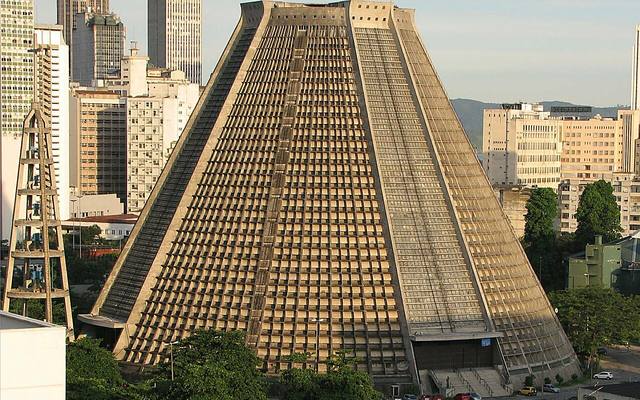 Catedral Metropolitana de São SebastiãoMonuments and history · 40 min
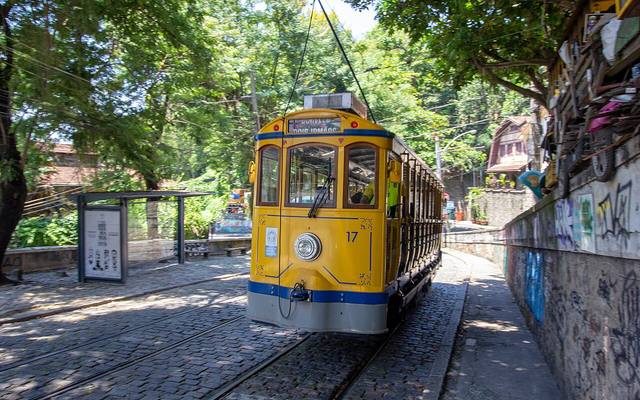 The Santa Teresa streetcar, the BondeNeighborhoods, markets and atmosphere · about 2 h
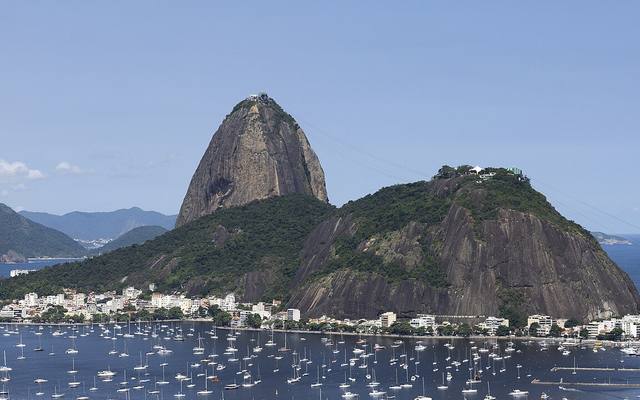 Pão de Açúcar and cable carNature and viewpoints · about 3 h
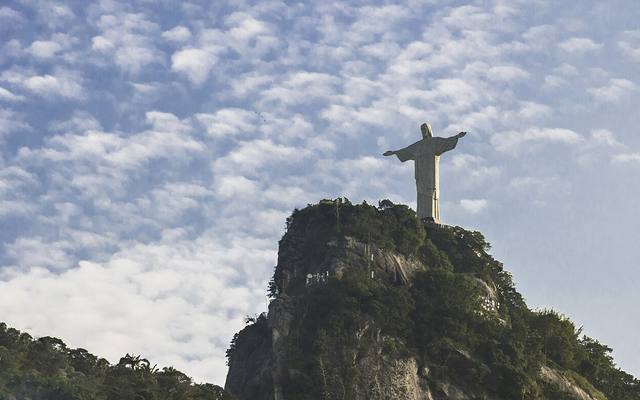 Cristo RedentorMonuments and history · 3 h 30
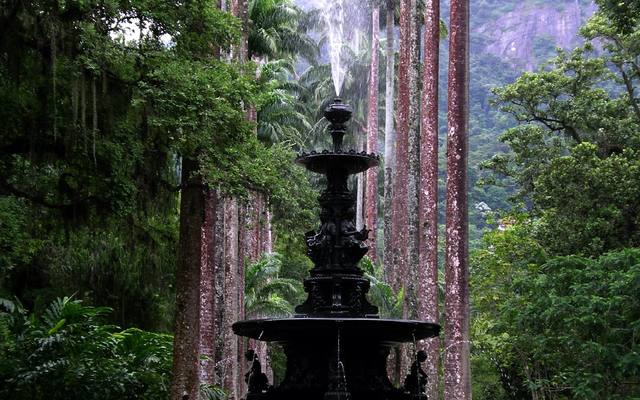 Jardim Botânico do Rio de JaneiroNature and viewpoints · 2 h 30
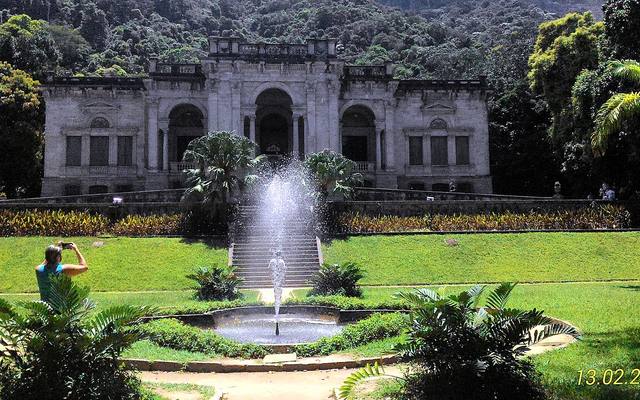 Parque LageNature and viewpoints · about 2 h
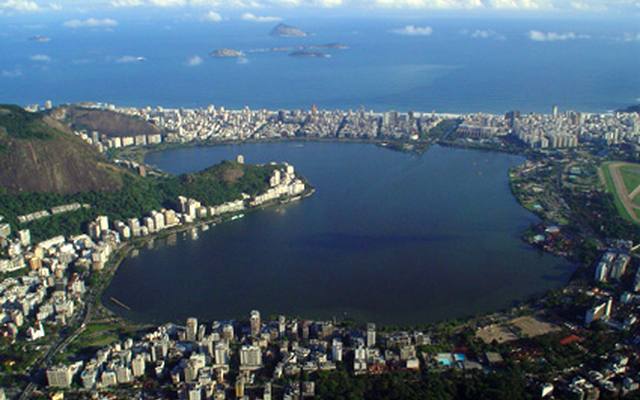 Lagoa Rodrigo de FreitasNature and viewpoints · about 2 h
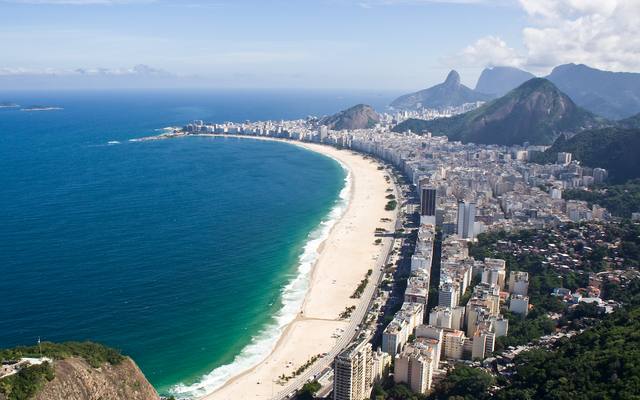 Praia de CopacabanaBeaches and seafront walks · about 2 h
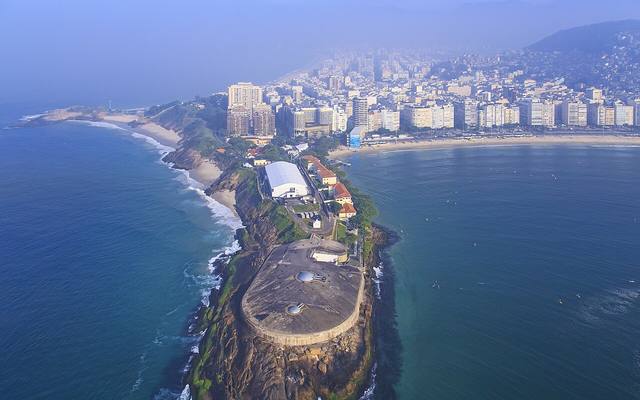 Forte de CopacabanaMonuments and history · 1 h 30
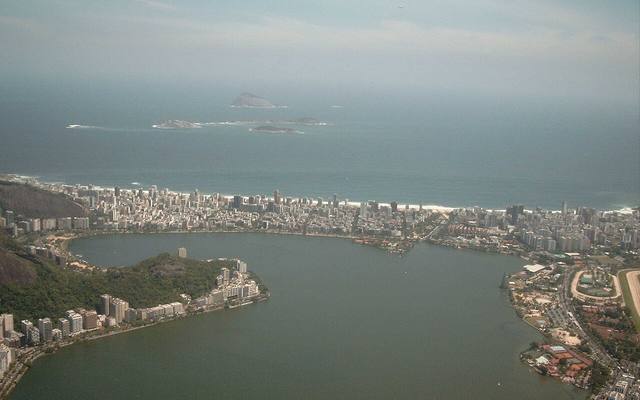 Praia de IpanemaBeaches and seafront walks · about 3 h
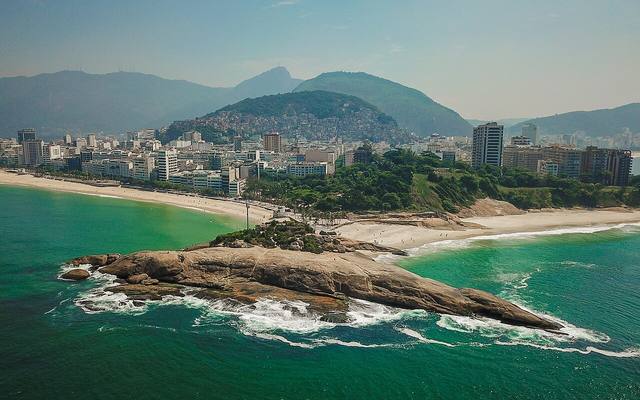 ArpoadorNature and viewpoints · 1 h 30
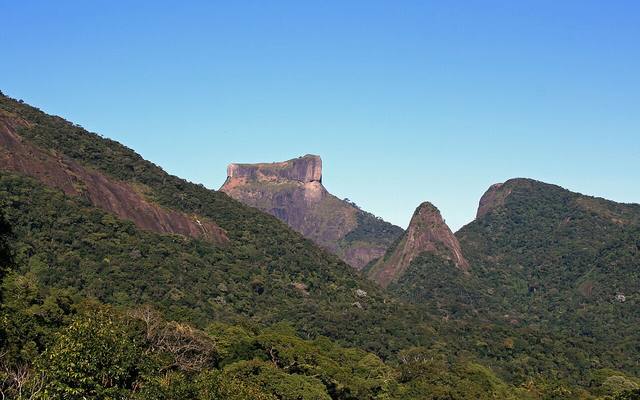 Tijuca National ParkNature and viewpoints · about 4 h
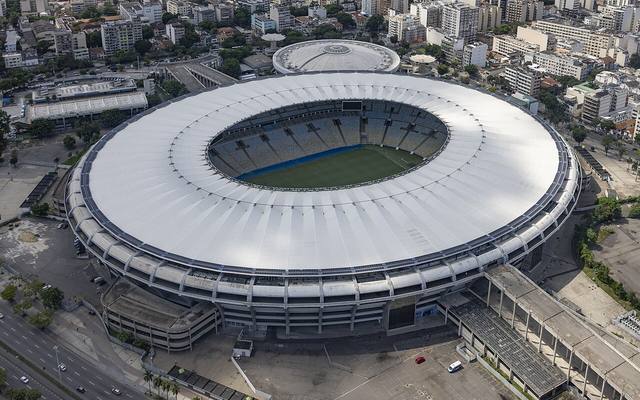 Estádio do MaracanãMonuments and history · about 2 h
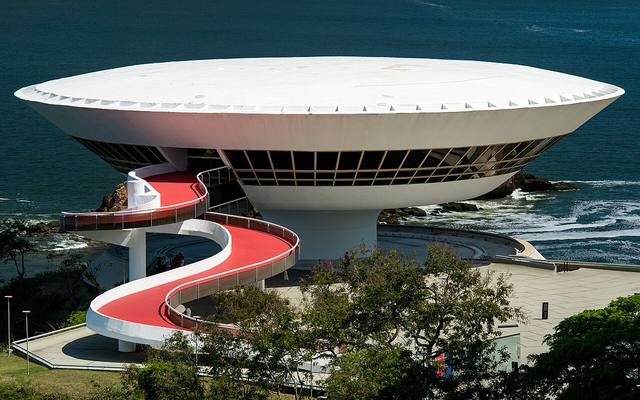 Niterói Contemporary Art MuseumMuseums and culture · about 2 h
All places
Monuments and history
 Cais do ValongoMonuments and history · about 1 h
 Praça XV de Novembro and Paço ImperialMonuments and history · 1 h 30
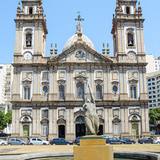 Igreja da CandeláriaMonuments and history · 30 min
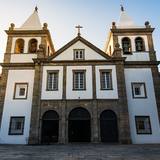 Mosteiro de São BentoMonuments and history · 45 min
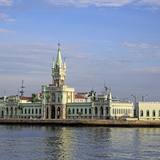 Ilha FiscalMonuments and history · 1 h 45
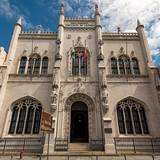 Real Gabinete Português de LeituraMonuments and history · 45 min
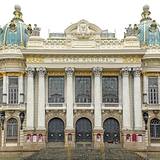 Theatro MunicipalMonuments and history · 1 h 30Must-see
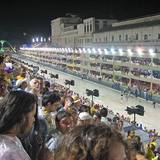 Sambódromo da Marquês de SapucaíMonuments and history · about 1 h
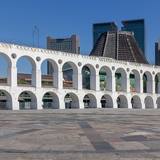 Arcos da LapaMonuments and history · 25 min
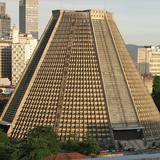 Catedral Metropolitana de São SebastiãoMonuments and history · 40 minMust-see
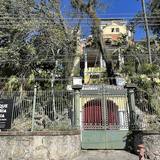 Parque das RuínasMonuments and history · 45 min
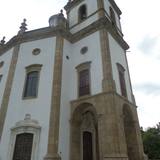 Igreja Nossa Senhora da Glória do OuteiroMonuments and history · 45 min
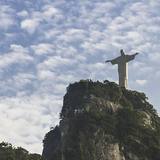 Cristo RedentorMonuments and history · 3 h 30Must-see
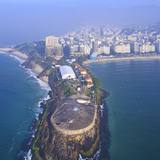 Forte de CopacabanaMonuments and history · 1 h 30Must-see
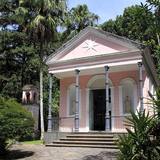 Mayrink ChapelMonuments and history · 30 min
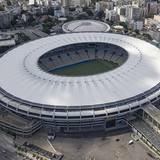 Estádio do MaracanãMonuments and history · about 2 hMust-see
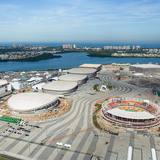 Parque Olímpico da BarraMonuments and history · 2 h 30
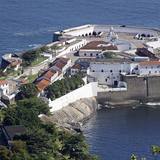 Santa Cruz da Barra FortressMonuments and history · about 2 h
Museums and culture
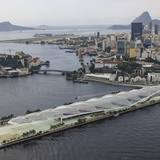 Museu do AmanhãMuseums and culture · about 2 hMust-see
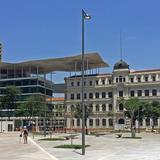 Museu de Arte do RioMuseums and culture · 1 h 30
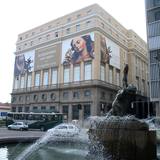 CCBB RioMuseums and culture · about 2 h
 Espaço Cultural da MarinhaMuseums and culture · 1 h 30
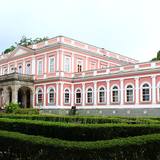
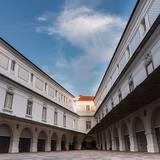 Museu Histórico NacionalMuseums and culture · 1 h 30
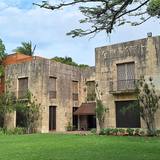 Museu da Chácara do CéuMuseums and culture · 1 h 30
 MAM Rio, Museu de Arte ModernaMuseums and culture · about 2 h
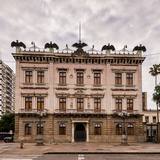 Palácio do Catete and Museu da RepúblicaMuseums and culture · about 2 h
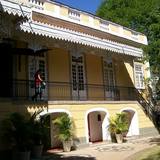 Museu do ÍndioMuseums and culture · 1 h 15
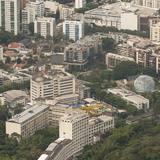 Planetário da Gávea and Museu do UniversoMuseums and culture · about 2 h
 Museu da Imagem e do SomMuseums and culture · about 1 h
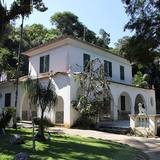 Museu do Açude, temporarily closedMuseums and culture · 1 h 30
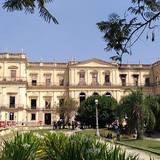 Quinta da Boa Vista and the National MuseumMuseums and culture · 2 h 30
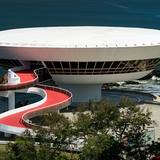 Niterói Contemporary Art MuseumMuseums and culture · about 2 hMust-see
Nature and viewpoints
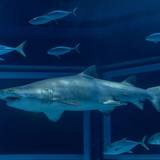 AquaRioNature and viewpoints · 2 h 30Must-see
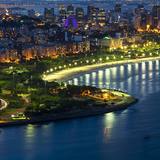 Aterro do FlamengoNature and viewpoints · about 2 h
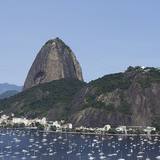 Pão de Açúcar and cable carNature and viewpoints · about 3 hMust-see
 Pista Cláudio Coutinho and Praia VermelhaNature and viewpoints · 1 h 15
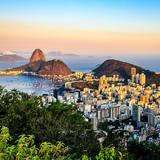 Mirante Dona MartaNature and viewpoints · about 1 h
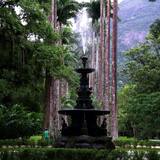 Jardim Botânico do Rio de JaneiroNature and viewpoints · 2 h 30Must-see
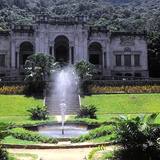 Parque LageNature and viewpoints · about 2 hMust-see
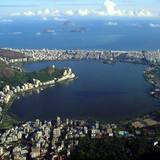 Lagoa Rodrigo de FreitasNature and viewpoints · about 2 hMust-see
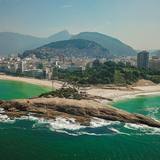 ArpoadorNature and viewpoints · 1 h 30Must-see
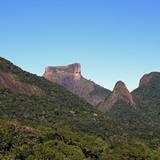 Tijuca National ParkNature and viewpoints · about 4 hMust-see
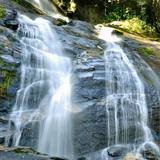 Cascatinha TaunayNature and viewpoints · 45 min
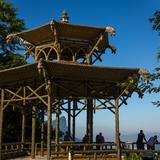 Vista ChinesaNature and viewpoints · 40 min
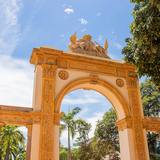 BioParque do RioNature and viewpoints · about 3 h
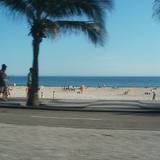 Praia do PepinoNature and viewpoints · 1 h 30
Beaches and seafront walks
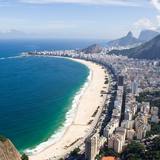 Praia de CopacabanaBeaches and seafront walks · about 2 hMust-see
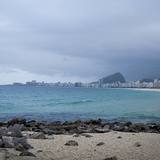 Praia do Leme and Forte do LemeBeaches and seafront walks · about 2 h
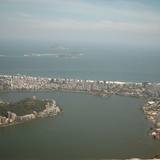 Praia de IpanemaBeaches and seafront walks · about 3 hMust-see
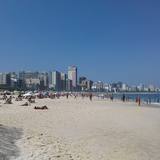 Praia do Leblon and Mirante do LeblonBeaches and seafront walks · about 2 h
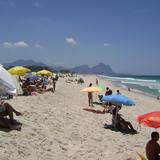 Praia da Barra da TijucaBeaches and seafront walks · about 3 h
Neighborhoods, markets and atmosphere
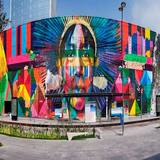 Boulevard OlímpicoNeighborhoods, markets and atmosphere · 1 h 30
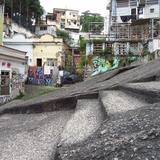 Pedra do SalNeighborhoods, markets and atmosphere · about 1 h
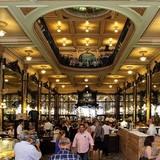 Confeitaria ColomboNeighborhoods, markets and atmosphere · about 1 h
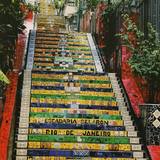 Escadaria SelarónNeighborhoods, markets and atmosphere · 35 minMust-see
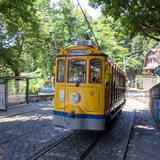 The Santa Teresa streetcar, the BondeNeighborhoods, markets and atmosphere · about 2 hMust-see
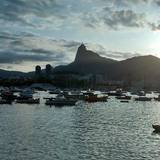 Mureta da UrcaNeighborhoods, markets and atmosphere · 1 h 30
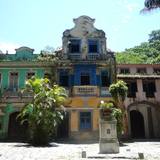 Largo do BoticárioNeighborhoods, markets and atmosphere · 40 min
 Copacabana PalaceNeighborhoods, markets and atmosphere · 30 min
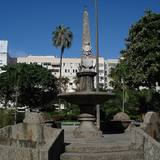 Feira Hippie de IpanemaNeighborhoods, markets and atmosphere · 1 h 30
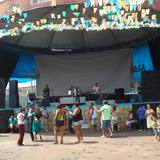 Feira de São CristóvãoNeighborhoods, markets and atmosphere · 2 h 30
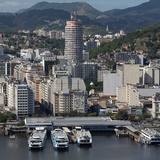 The Rio Niterói ferriesNeighborhoods, markets and atmosphere · 1 h 30


The full stories, the audio, the offline map and the challenges for kids.