Peekwick
Trevi Fountain
Rome · Historic Center · Squares & Streets · 20 min
The water of the Virgin
It all begins in 19 BC, when Marcus Agrippa had an aqueduct built to supply his baths near the Pantheon. The Aqua Virgo draws on springs about twenty kilometers east of Rome and runs almost entirely underground, which protected the aqueduct from destruction. It is the only ancient aqueduct that has never stopped flowing. Its name comes, according to the engineer Frontinus, from a young girl who is said to have shown the spring to thirsty soldiers. In the Middle Ages, the aqueduct ended at a simple three-basin fountain at the crossing of three streets, the tre vie, which gave Trevi its name. In 1453, Pope Nicholas V had it renovated by the architect Alberti, but it remained modest.
In the app, this story goes on for 6 parts, to read or listen to, with one voice for grown-ups and another for kids.
A palace turned waterfall
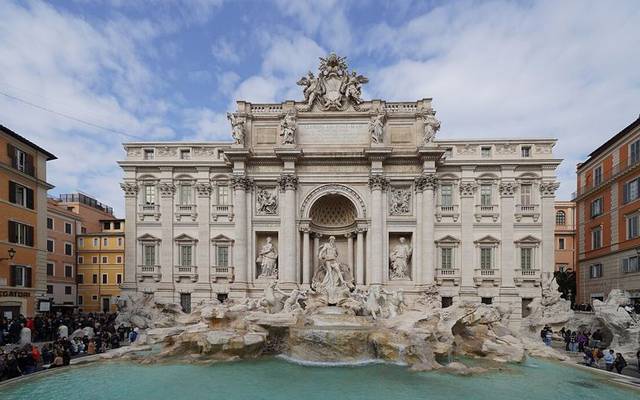
In a narrow alley, full of people, a roar of water grows louder and louder. You turn the corner, and there, a whole palace turns into a waterfall: rocks, horses, a giant coming out of the facade. This is the Trevi Fountain. The water flowing in front of you comes from springs far to the east of Rome. It arrives through a tunnel built two thousand years ago by the engineers of Emperor Augustus. It has never stopped flowing since, even during wars and invasions.
In the app, this story goes on for 6 parts, to read or listen to, with one voice for grown-ups and another for kids.

The full stories, the audio, the offline map and the challenges for kids.