 Peekwick
Rome
Italy
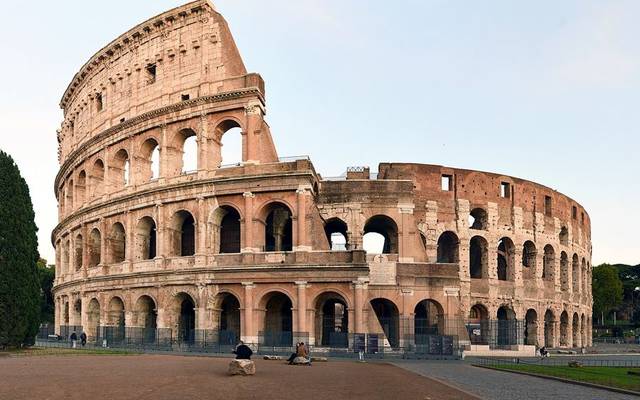
Three thousand years of history
Legend says Romulus founded Rome in 753 BC, on the Palatine Hill, after killing his brother Remus. Archaeologists really have found traces of huts on that hill from that time. Within a few centuries, this village of shepherds on the banks of the Tiber became the capital of an empire stretching from Britain to Egypt. In the second century AD, Rome probably had close to a million people. No city in Europe reached that number again until London, in the early nineteenth century.
The city of the popes
After the Western Empire fell in 476, the city emptied. In the Middle Ages, only a few tens of thousands of people lived there, lost among the ruins. The popes brought it back to life. In the Renaissance and then the Baroque era, they invited Michelangelo, Raphael, Bernini and Borromini. They laid out wide, straight streets and raised Egyptian obelisks in the middle of squares. The Rome you walk through today is largely theirs: Baroque churches built on ancient ruins.
A very young capital
Rome only became the capital of Italy in 1871. A few months earlier, Italian troops had entered the city through a breach in the wall, near the Porta Pia. The pope then withdrew behind the walls of the Vatican. Since 1929, that territory has been an independent state, the smallest in the world, with less than fifty hectares. So you will cross the border into another country when you step into St Peter's Square, without showing any papers.
How to read the city
In Rome, each era reused the one before. The Pantheon is a temple that became a church, Castel Sant'Angelo is a tomb that became a fortress, and Piazza Navona still has the exact shape of an ancient stadium. In two thousand years, the ground has risen by several meters, through floods and rebuilding. That is why so many ruins lie below street level. Keep that idea in mind, and the city reads like a book whose pages have been stacked on top of one another.
A city in layers
Rome is like a layer cake: every layer is a different time in history. Under your feet, there is often a medieval street, and below it, an ancient one. Some churches even have three levels: today's church, a much older church underneath, and way down at the bottom, a Roman temple where an underground river still flows. During your stay, you will walk on two thousand years of history.
Twins and a she-wolf
It all starts with a strange story. Two baby twins, Romulus and Remus, are left in a basket on the Tiber River. The basket washes up on the bank, and a she-wolf feeds them like her own cubs. When they grow up, the brothers want to found a city, but they argue. Romulus marks out the borders of his city, Remus jumps over them to make fun of him, and Romulus kills him. The city takes his name: Rome. The she-wolf became the symbol of the city, and you will spot her all over the place.
The four-letter challenge
Throughout your stay, look for these four letters: S, P, Q, R. In Latin, they stand for the Senate and the Roman people. The Romans carved them on their monuments two thousand years ago, and the city still writes them everywhere today. Look at manhole covers, fountains, trash cans and street lamps. Count how many you find in one day. The family record is there to be beaten every evening.
The quiz
How many different countries will you visit when you go to Rome? Answer: two! In the middle of Rome hides a whole country, the Vatican. It is the smallest country in the world. It has its own leader, the pope, its own stamps, its Swiss Guards in yellow and blue striped uniforms, and even its own little train station. Yet you walk in on foot, with no passport, just by crossing St Peter's Square.
Don't miss
ColosseumAncient Rome · about 2 h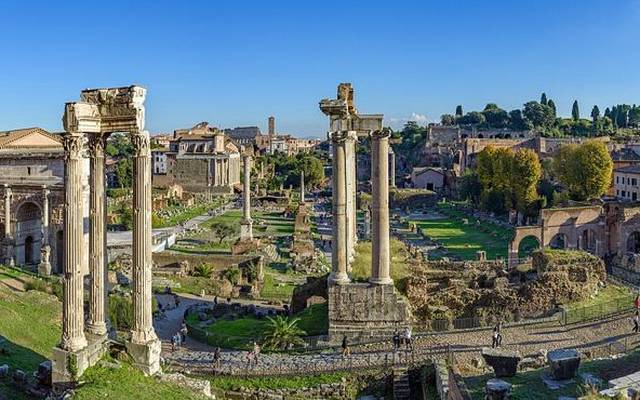 Roman ForumAncient Rome · 1 h 30
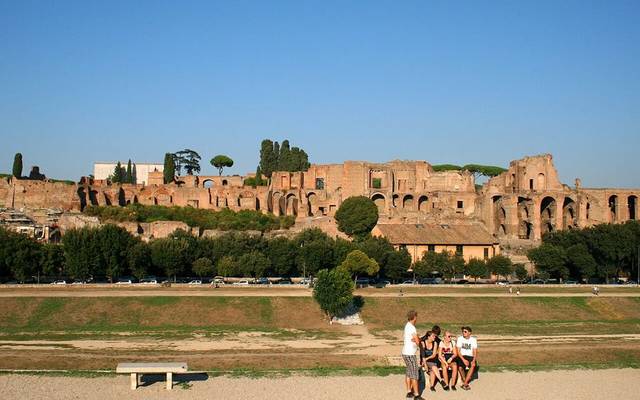 Palatine HillAncient Rome · about 1 h
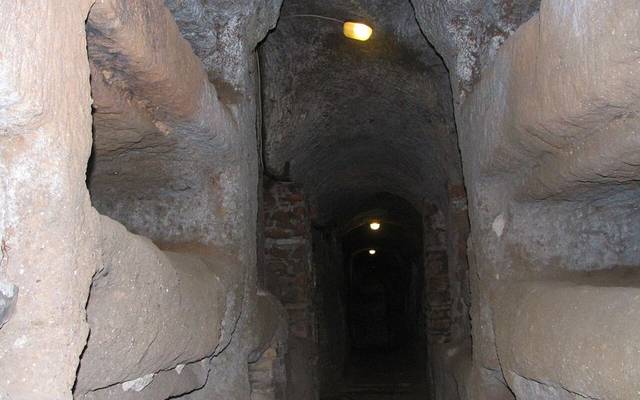 Catacombs of Saint CallixtusAncient Rome · 45 min
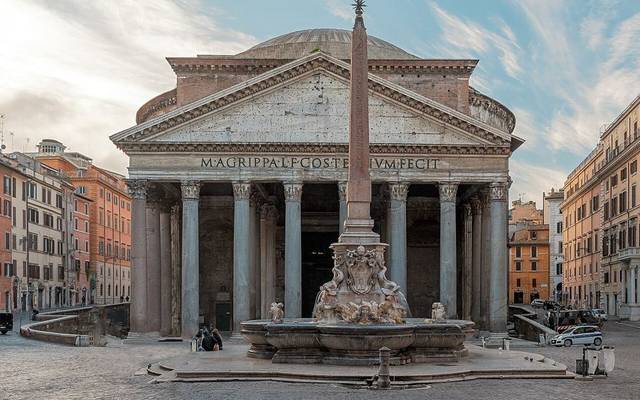 PantheonSquares & Streets · 45 min
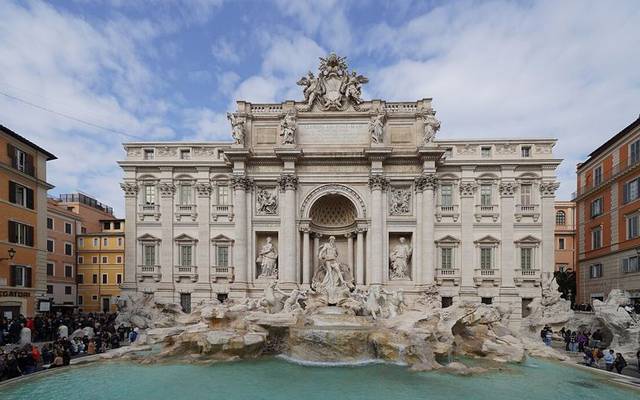 Trevi FountainSquares & Streets · 20 min
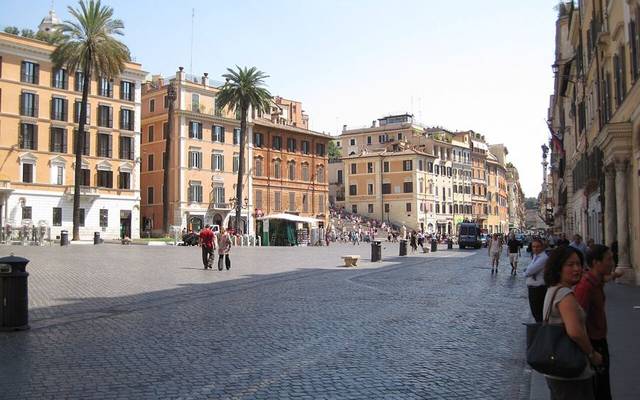 Piazza di SpagnaSquares & Streets · 30 min
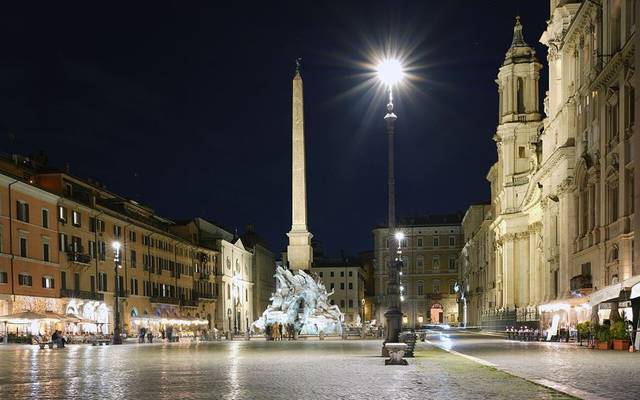 Piazza NavonaSquares & Streets · 30 min
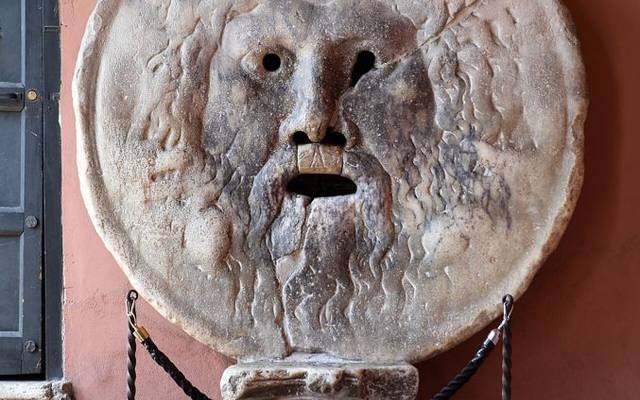 Mouth of TruthChurches & Secrets · 20 min
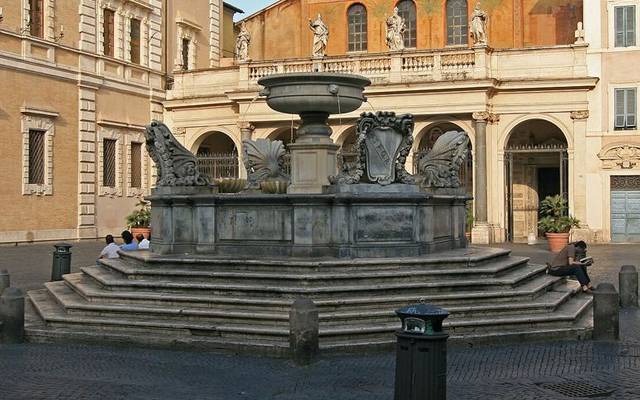 TrastevereNeighborhoods & views · about 1 h
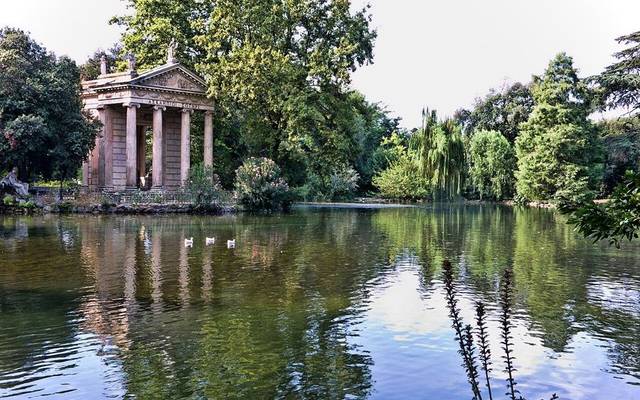 Villa BorgheseNeighborhoods & views · 1 h 30
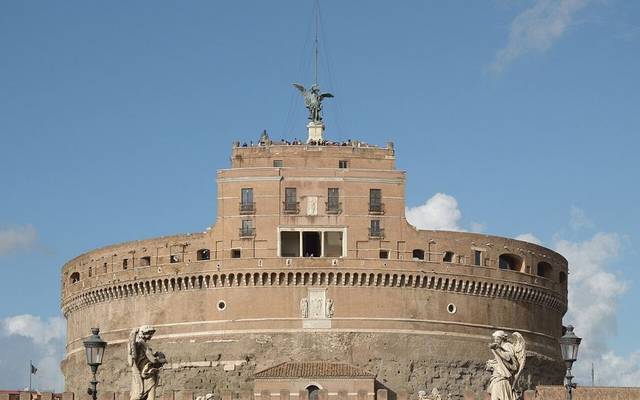 Castel Sant'AngeloVatican · 1 h 15
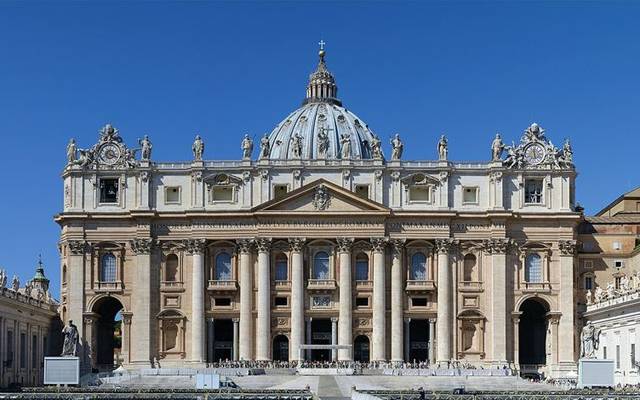 Saint Peter's BasilicaVatican · 1 h 30
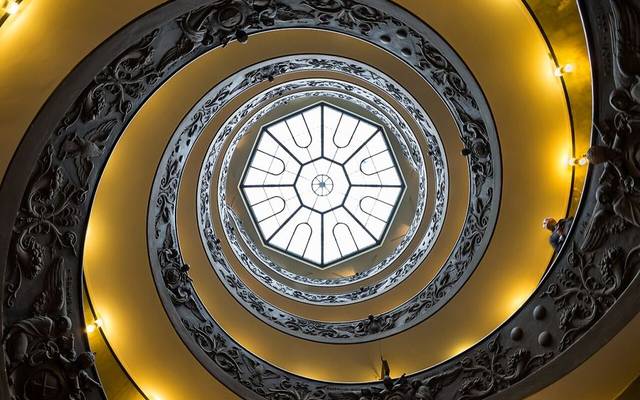 Vatican Museums and Sistine ChapelVatican · about 3 h
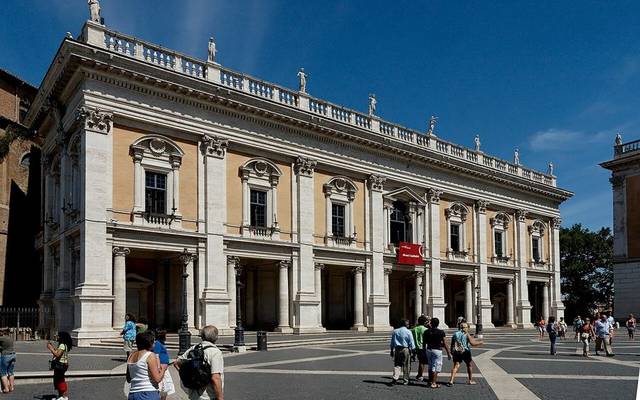 Capitoline MuseumsMuseums · about 2 h
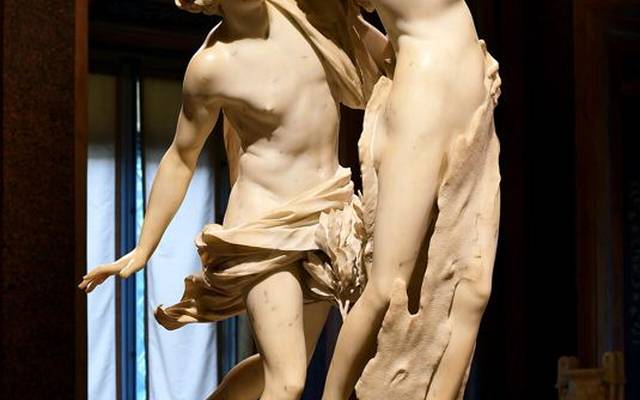 Borghese GalleryMuseums · about 2 h
All places
Ancient Rome
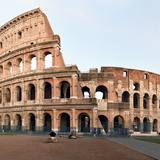 ColosseumAncient Rome · about 2 hMust-see
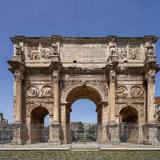 Arch of ConstantineAncient Rome · 15 min
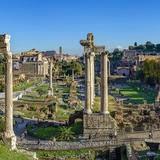 Roman ForumAncient Rome · 1 h 30Must-see
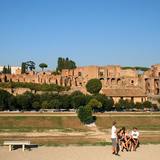 Palatine HillAncient Rome · about 1 hMust-see
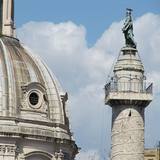 Trajan's Column and MarketsAncient Rome · 45 min
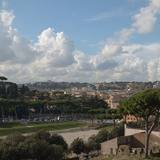 Circus MaximusAncient Rome · 30 min
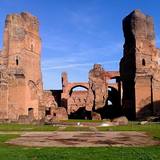 Baths of CaracallaAncient Rome · about 1 h
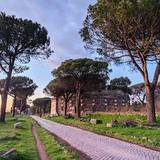 Appian WayAncient Rome · about 2 h
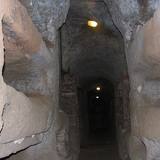 Catacombs of Saint CallixtusAncient Rome · 45 minMust-see
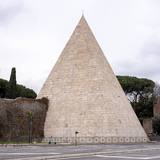 Pyramid of CestiusAncient Rome · 20 min
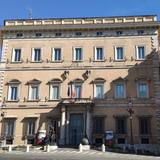 Roman Domus under Palazzo ValentiniAncient Rome · 1 h 15
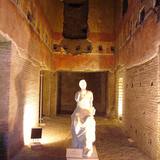 Domus AureaAncient Rome · 1 h 15
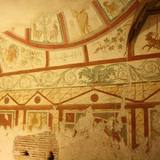 Roman Houses of the Caelian HillAncient Rome · about 1 h
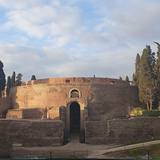 Mausoleum of AugustusAncient Rome · 15 min
 Gladiator SchoolAncient Rome · about 2 h
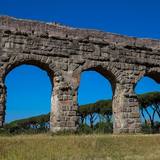 Aqueducts ParkAncient Rome · 1 h 30
 Baths of DiocletianAncient Rome · 1 h 30
Vatican
Museums
 Capitoline MuseumsMuseums · about 2 hMust-see
 Ara Pacis, the Altar of PeaceMuseums · 45 min
 Borghese GalleryMuseums · about 2 hMust-see
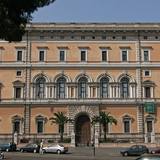 Palazzo Massimo, National Roman MuseumMuseums · 1 h 30
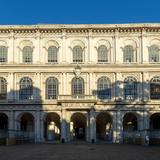 Palazzo Barberini, National Gallery of Ancient ArtMuseums · 1 h 30
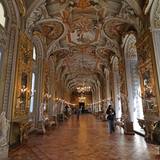 Doria Pamphilj GalleryMuseums · 1 h 30
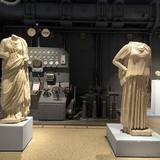 Centrale MontemartiniMuseums · 1 h 15
 Explora, the Children's MuseumMuseums · about 2 h
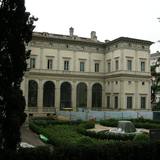 Villa FarnesinaMuseums · about 1 h
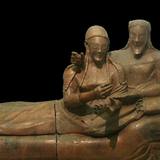 Villa Giulia, the Etruscan MuseumMuseums · 1 h 30
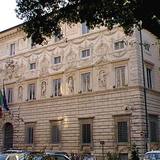 Palazzo SpadaMuseums · about 1 h
Squares & Streets
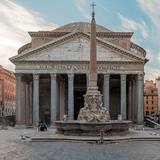 PantheonSquares & Streets · 45 minMust-see
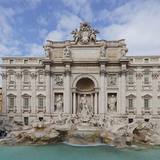 Trevi FountainSquares & Streets · 20 minMust-see
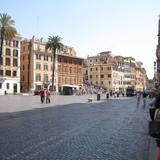 Piazza di SpagnaSquares & Streets · 30 minMust-see
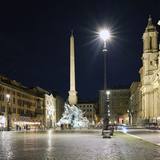 Piazza NavonaSquares & Streets · 30 minMust-see
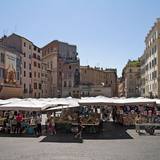 Campo de' FioriSquares & Streets · 20 min
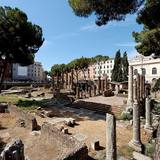 Largo di Torre ArgentinaSquares & Streets · 20 min
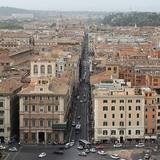 Via del CorsoSquares & Streets · 45 min
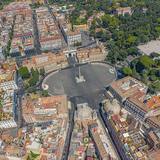 Piazza del PopoloSquares & Streets · 30 min
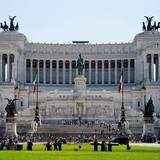 Piazza Venezia and the VittorianoSquares & Streets · 30 min
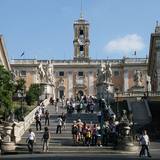 Capitoline HillSquares & Streets · 40 min
 Quirinal Square and PalaceSquares & Streets · 40 min
Churches & Secrets
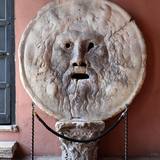 Mouth of TruthChurches & Secrets · 20 minMust-see
 Aventine Hill: Keyhole and Orange GardenChurches & Secrets · 30 min
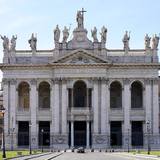 Basilica of St John LateranChurches & Secrets · 40 min
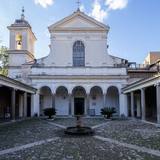 Basilica of San ClementeChurches & Secrets · 45 min
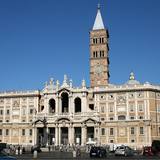 Basilica of Saint Mary MajorChurches & Secrets · 40 min
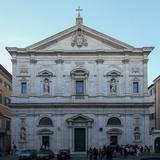 Saint Louis of the FrenchChurches & Secrets · 30 min
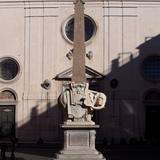 Santa Maria sopra Minerva and Bernini's ElephantChurches & Secrets · 30 min
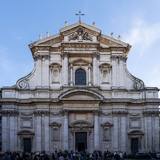 Church of Saint Ignatius and Its False DomeChurches & Secrets · 30 min
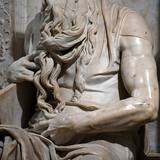 Saint Peter in Chains and Michelangelo's MosesChurches & Secrets · 30 min
 Capuchin CryptChurches & Secrets · 45 min
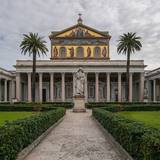 Saint Paul Outside the Walls BasilicaChurches & Secrets · about 1 h
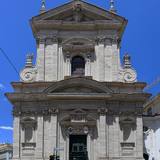 Santa Maria della VittoriaChurches & Secrets · 30 min
Neighborhoods & views
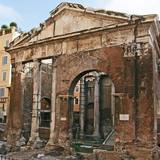 Jewish Ghetto and the Portico of OctaviaNeighborhoods & views · 30 min
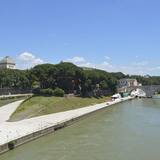 Tiber IslandNeighborhoods & views · 20 min
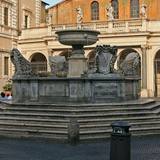 TrastevereNeighborhoods & views · about 1 hMust-see
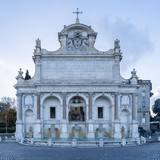 Janiculum HillNeighborhoods & views · 40 min
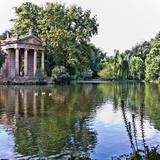 Villa BorgheseNeighborhoods & views · 1 h 30Must-see
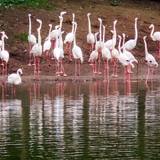 Bioparco, the Rome ZooNeighborhoods & views · about 3 h
 Monti, the Oldest NeighborhoodNeighborhoods & views · 1 h 30
 Testaccio, Its Market and the Hill of AmphoraeNeighborhoods & views · 1 h 30
 Villa Doria PamphiljNeighborhoods & views · about 2 h
 Villa Torlonia and the House of the OwlsNeighborhoods & views · about 2 h
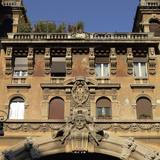 Coppedè QuarterNeighborhoods & views · 45 min
Day trips
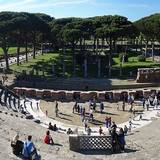 Ostia AnticaAncient Rome · about 4 hMust-see
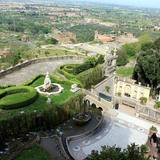 Villa d'Este in TivoliNeighborhoods & views · 2 h 30Must-see
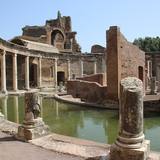 Hadrian's Villa in TivoliAncient Rome · about 3 hMust-see
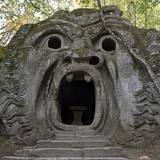 Bomarzo Monster ParkNeighborhoods & views · 2 h 30
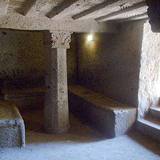 Etruscan Necropolis of CerveteriAncient Rome · about 2 h
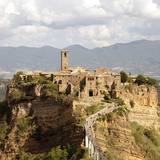 Civita di BagnoregioNeighborhoods & views · 2 h 30
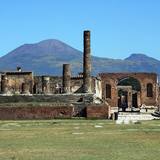 PompeiiAncient Rome · about 4 hMust-see
Planning Rome
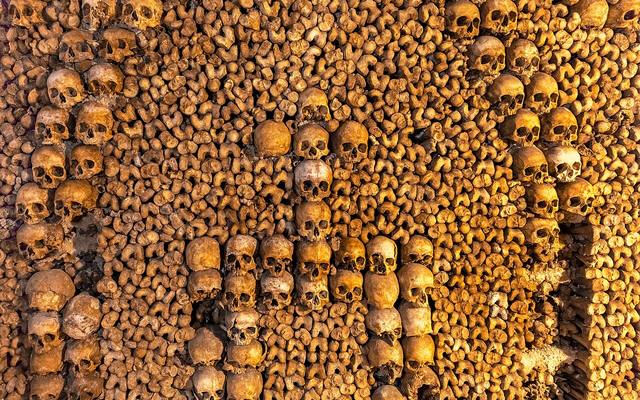 Ideas and tipsCatacombs and underground sights in Europe to visit with kids: Rome, Paris, Vienna, PragueCatacombs in Rome and Paris, the sewers, an underground lake near Vienna, the Kutná Hora ossuary: which underground visits suit kids, and how to prepare them.November 12, 2026
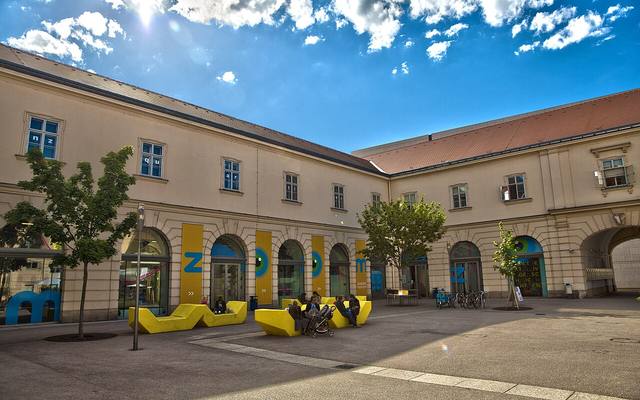 Ideas and tipsThe best museums for kids in Europe's big citiesWhere can children touch, play and experiment? Our pick of kid-friendly museums in Rome, Paris, London, Berlin, Vienna and Amsterdam, sorted by age group.October 29, 2026
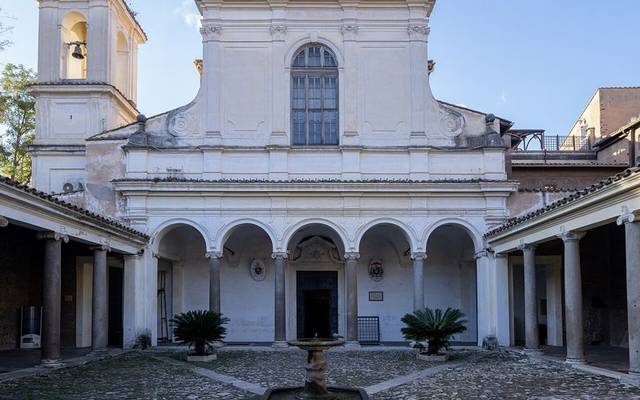 With kidsRome in the rain with kids: 10 indoor visitsRainy day in Rome? Ten indoor visits that kids enjoy: underground ruins, surprising museums, a painted dome and a children's museum, with what to book ahead.October 13, 2026

The full stories, the audio, the offline map and the challenges for kids.