 Peekwick
Alcatraz
San Francisco · Fisherman's Wharf, the piers and Alcatraz · Monuments and history · about 3 h
A Bird's Name
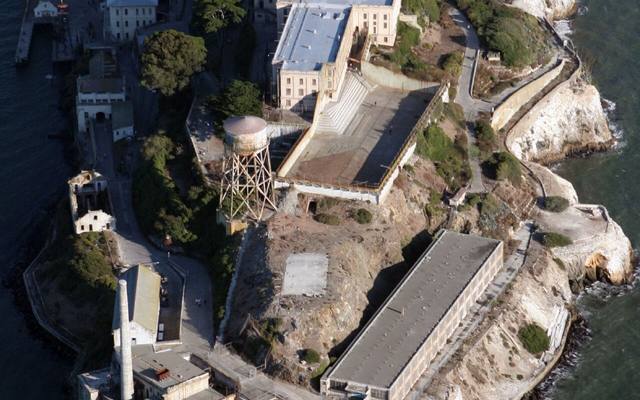
Alcatraz comes from an old Spanish word for a seabird, most often translated as pelican. In 1775, the Spanish explorer Juan Manuel de Ayala mapped San Francisco Bay. He called another island Isla de los Alcatraces, the island of the pelicans, which is now named Yerba Buena, meaning good herb. Later, a British naval officer, Frederick Beechey, gave that name to the rock we know. The island is about five hundred meters long, one hundred eighty meters wide and forty-one meters high at its highest point. It covers about nine hectares, two kilometers from the city, in the middle of cold waters and strong currents. The Native American peoples of the bay, including the Ohlone, no doubt knew this rock long before the Spanish. According to their oral memory, people mostly gathered bird eggs and seafood there.
In the app, this story goes on for 7 parts, to read or listen to, with one voice for grown-ups and another for kids.
The Pelican Mystery
Do you know why this island is called Alcatraz? The word comes from old Spanish and means a big seabird, most often a pelican. Yet the Spanish explorer who gave this name in 1775 was thinking of another island in the bay, the one the Bay Bridge crosses today. It was a British officer who later stuck the name on this rock. Today, mostly gulls and cormorants nest on its cliffs. This little rock full of birds became, over the years, a fortress, then one of the most famous prisons in the world. A note for you and your parents: the island is closed to visitors from October twenty-sixth to November eighteenth, 2026, while the boat dock is repaired.
In the app, this story goes on for 7 parts, to read or listen to, with one voice for grown-ups and another for kids.

The full stories, the audio, the offline map and the challenges for kids.