 Peekwick
Embu das Artes and Its Crafts Fair
São Paulo · Neighborhoods, markets, and views · about 3 h
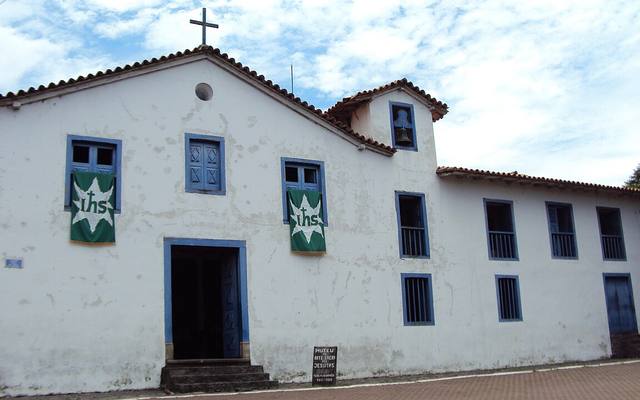
A Jesuit Mission Called Mboy
Before the town, there were Indigenous peoples, Tupiniquim and Guarani, and Jesuit missionaries. The name Embu comes from Mboy, the name of their village. In Tupi, this word is said to come from mboîa, the snakes, or from mboî'y, the river of snakes. Around 1690, the Jesuit Father Belchior de Pontes moved the mission to the town's present site. He began building the church of Nossa Senhora do Rosário, Our Lady of the Rosary, around 1700. The residence of the religious, attached to the church, was finished around 1740. In 1759, the Marquis of Pombal, minister of Portugal, expelled the Jesuits from all Portuguese territories, and the village declined.
In the app, this story goes on for 6 parts, to read or listen to, with one voice for grown-ups and another for kids.
A Snake Hidden in the Name
Look for a snake in the name of this town. It is hidden there! Embu comes from Mboy, a Tupi word that means, according to one explanation, river of snakes. The village was called that in the time of the Jesuit missionaries, who lived here with Tupiniquim and Guarani families. Today, it is artists you find everywhere. The town is now called Embu das Artes, Embu of the Arts.
In the app, this story goes on for 7 parts, to read or listen to, with one voice for grown-ups and another for kids.

The full stories, the audio, the offline map and the challenges for kids.