 Peekwick
São Paulo
Brazil
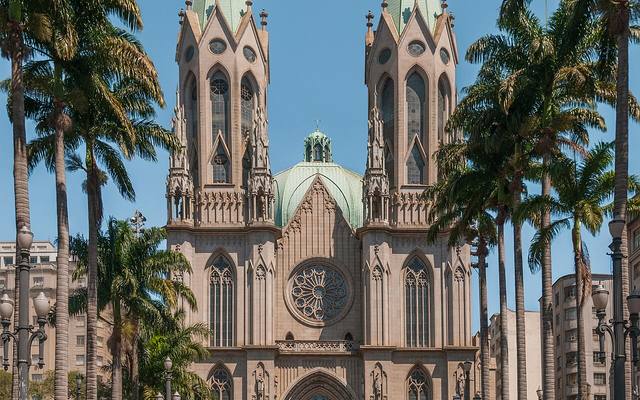
A College on a Hill
Before the Portuguese, the Piratininga plateau is home to Indigenous peoples, notably the Tupiniquin and the Guaianá. On January 25, 1554, the Jesuits Manuel da Nóbrega and José de Anchieta found a college there, on a hill between two rivers. On that day, the Church celebrates the conversion of the apostle Paul, hence the name of the city. For three centuries, São Paulo remains a small town. The bandeirantes, explorers and slave hunters, set out from it toward the interior of the country. They search for gold and capture Indigenous people.
Coffee and Immigrants
In the nineteenth century, coffee makes the region's fortune. A railroad links the city to the port of Santos in 1867. Slavery is abolished in 1888, but from the 1880s, the authorities pay part of the travel costs of European workers. Italians arrive in huge numbers, then Portuguese and Spanish. The first Japanese land in 1908, and Lebanese and Syrians settle too. From the 1950s, migrants from the Nordeste, the dry region of the country's northeast, join the factories.
A Metropolis in One Century
In 1872, the city has barely more than thirty thousand people. In 1922, the Modern Art Week, at the Municipal Theater, launches Brazilian modernism. In 1932, São Paulo rises up against the government of Getúlio Vargas: this is the Constitutionalist Revolution. In 1954, for its fourth centennial, the city inaugurates Ibirapuera Park. Industry then makes the population explode, to almost four million in 1960. Today it tops eleven million, and more than twenty million with the neighboring towns.
How to Understand the City
São Paulo was made by its immigrants. There are few famous landscapes here. The city is discovered through its neighborhoods, its museums, and its tables. Liberdade bears the mark of the Japanese, Bixiga that of the Italians. On Sunday, Paulista Avenue closes to cars, and Ibirapuera Park fills with walkers, athletes, and families. Take the city one neighborhood at a time, without rushing.
A City That Exploded
In 1872, São Paulo has barely more than thirty thousand people. Today, more than eleven million live here. How can a city grow so much? People from all over the world came here to work: Italians, Portuguese, Spanish, Lebanese, Japanese, and Brazilians from other regions. Each one brought their language, their cooking, and their festivals.
A Name from a Mass
On January 25, 1554, two Jesuit priests, Manuel da Nóbrega and José de Anchieta, found a college on a hill. On that day, the Church celebrates the conversion of Saint Paul. In a letter, Anchieta tells how the first Mass took place that day. So the priests named the place São Paulo, which means Saint Paul. This place is called the Pátio do Colégio today, in the historic center.
Your Challenge for the Trip
All through your trip, play origin hunter. Every day, find a dish, a word, or a name that comes from another country. Pizza comes from Italy. Gyozas, little Japanese dumplings, come from Japan, and you will find them in Liberdade, the Japanese neighborhood. Write everything down in a notebook. By the end of the trip, try to have at least five different countries.
The Quiz
Why is the city called São Paulo? Answer: the Jesuits founded their college on January 25, 1554, the day the Church celebrates the conversion of Saint Paul. São Paulo means Saint Paul in Portuguese.
Don't miss
Sé Cathedral and Sé SquareChurches and monasteries · about 1 h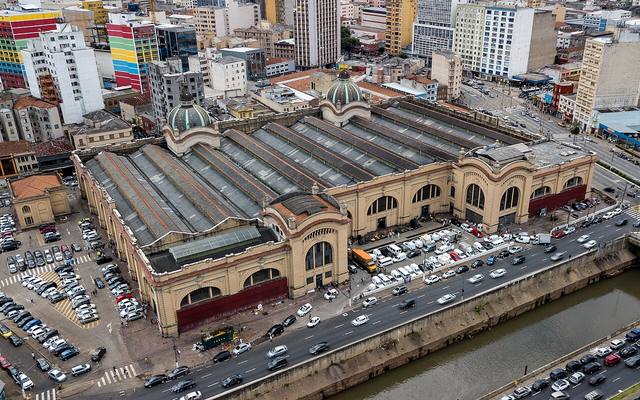 Municipal Market, the MercadãoNeighborhoods, markets, and views · 1 h 15
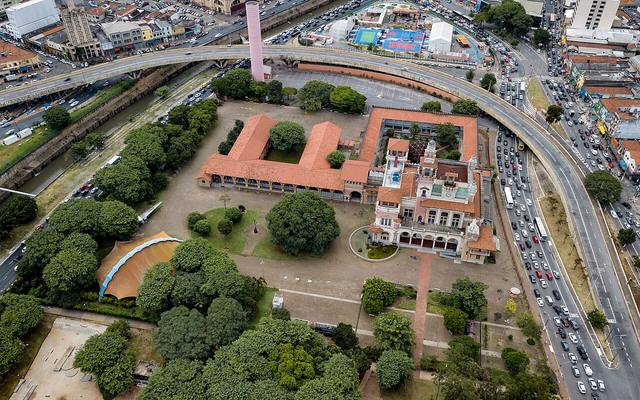 Catavento Museum, the Science MuseumMuseums and science · about 3 h
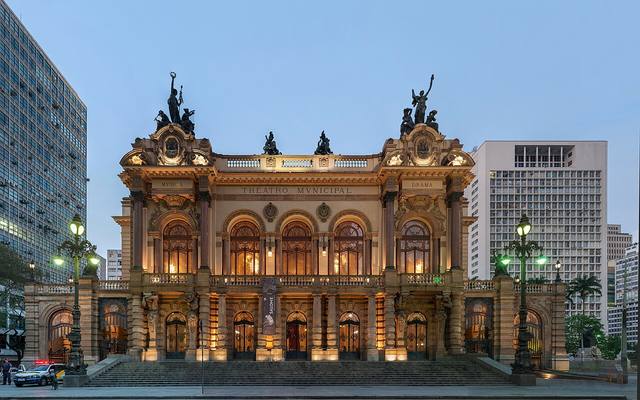 Municipal TheaterMonuments and history · about 1 h
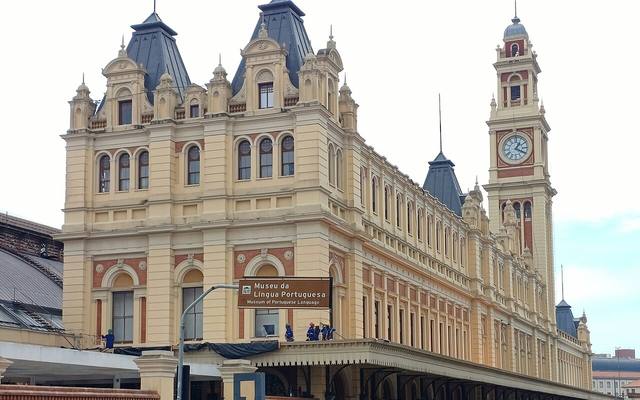 Luz Station and the Portuguese Language MuseumMuseums and science · about 2 h
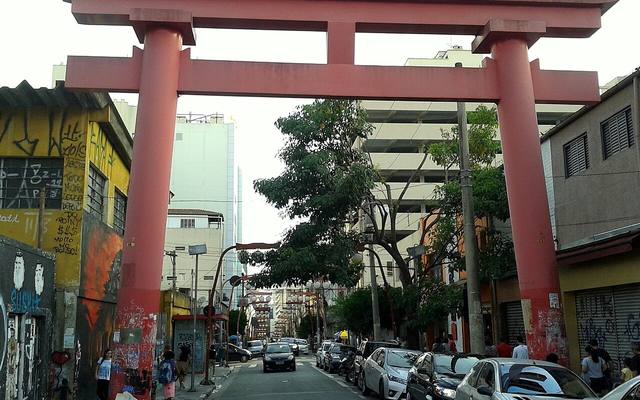 The Liberdade NeighborhoodNeighborhoods, markets, and views · 1 h 30
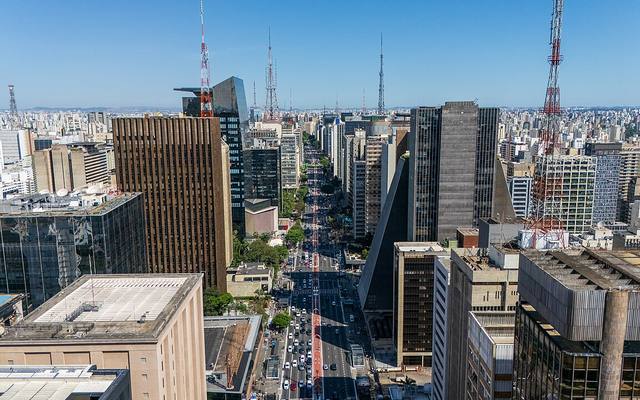 Paulista AvenueNeighborhoods, markets, and views · about 2 h
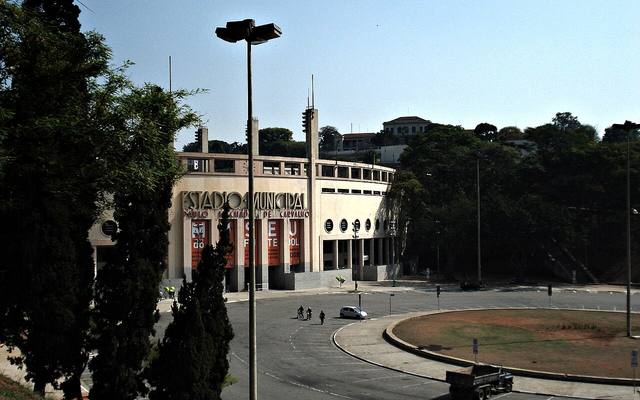 Football MuseumMuseums and science · about 2 h
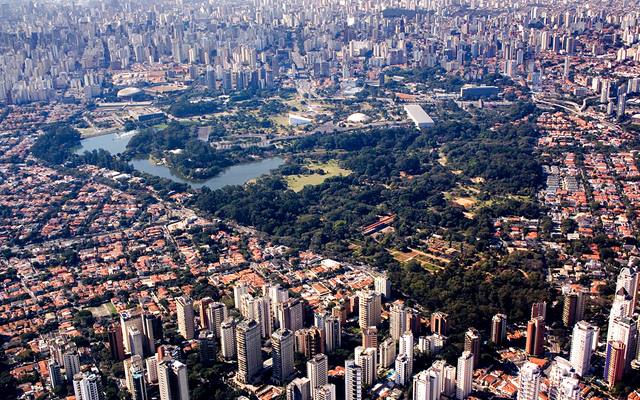 Ibirapuera ParkParks, zoo, and nature · 2 h 30
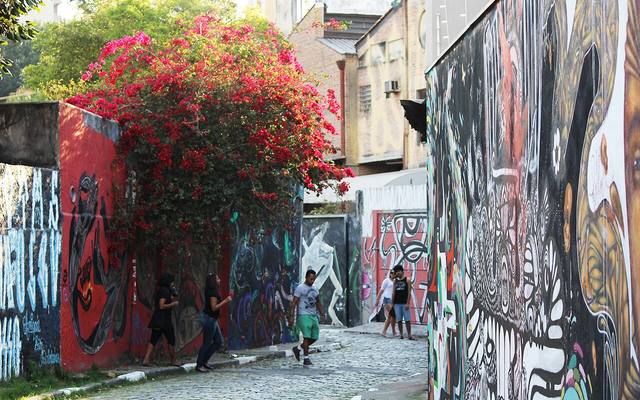 Beco do Batman, the Graffiti AlleyNeighborhoods, markets, and views · 45 min
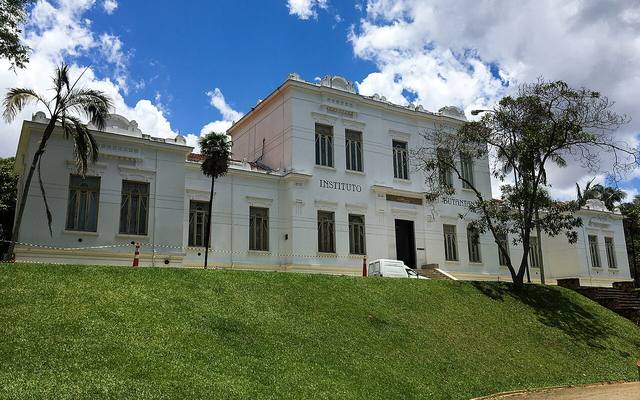 Butantan Institute, Snakes and VaccinesMuseums and science · 2 h 30
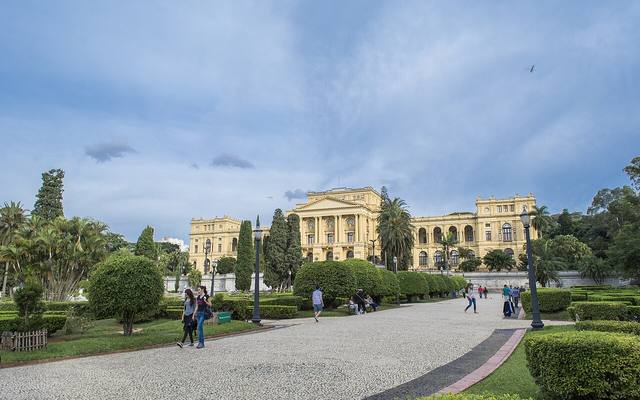 Ipiranga MuseumMuseums and science · 2 h 30
All places
Monuments and history
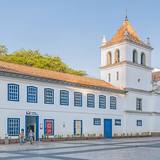 Pátio do Colégio, Where the City Was BornMonuments and history · about 1 h
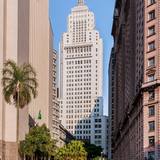 Farol Santander, the Bank's SkyscraperMonuments and history · 1 h 30
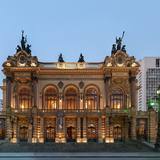 Municipal TheaterMonuments and history · about 1 hMust-see
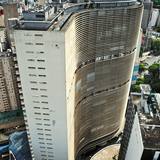 Copan Building and Itália BuildingMonuments and history · 30 min
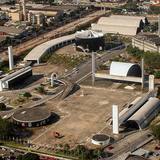 Latin America MemorialMonuments and history · 45 min
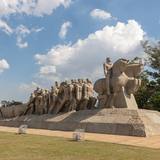 Monument to the Bandeiras and the ObeliskMonuments and history · 30 min
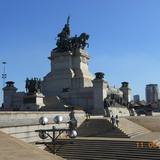 Independence Park and MonumentMonuments and history · 45 min
Museums and science
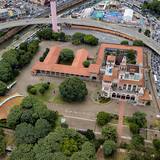 Catavento Museum, the Science MuseumMuseums and science · about 3 hMust-see
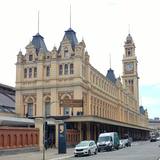 Luz Station and the Portuguese Language MuseumMuseums and science · about 2 hMust-see
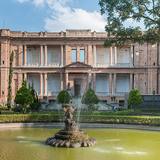 Pinacoteca de São PauloMuseums and science · about 2 h
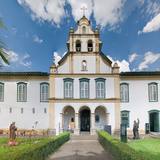 Sacred Art Museum and Its Neapolitan Nativity SceneMuseums and science · about 1 h
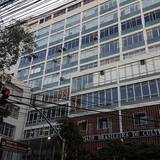 Japanese Immigration Historical MuseumMuseums and science · about 1 h
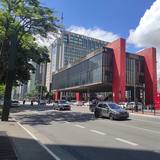 MASP, the Hanging MuseumMuseums and science · about 2 h
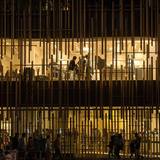 Japan HouseMuseums and science · about 1 h
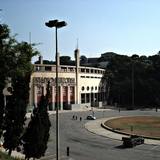 Football MuseumMuseums and science · about 2 hMust-see
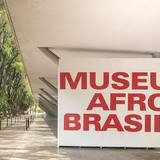 Afro Brasil MuseumMuseums and science · 1 h 30
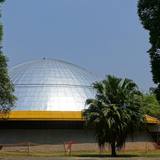 Ibirapuera PlanetariumMuseums and science · about 1 h
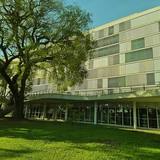 MAC USP and Its Panoramic TerraceMuseums and science · 1 h 15
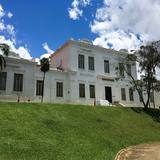 Butantan Institute, Snakes and VaccinesMuseums and science · 2 h 30Must-see
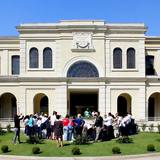 Immigration MuseumMuseums and science · 1 h 30
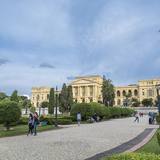 Ipiranga MuseumMuseums and science · 2 h 30Must-see
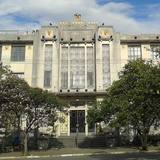 Zoology Museum of the University of São PauloMuseums and science · 1 h 15
Churches and monasteries
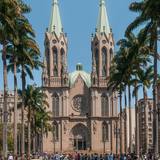
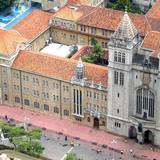
Parks, zoo, and nature
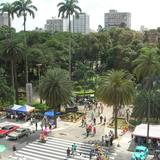 Jardim da LuzParks, zoo, and nature · 40 min
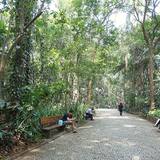 Trianon Park, the Forest Among the TowersParks, zoo, and nature · 40 min
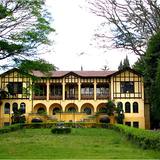 Água Branca ParkParks, zoo, and nature · about 1 h
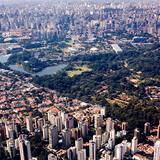 Ibirapuera ParkParks, zoo, and nature · 2 h 30Must-see
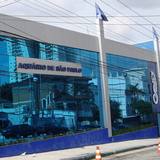 São Paulo AquariumParks, zoo, and nature · 2 h 30
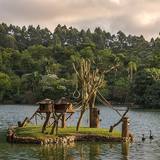 São Paulo ZooParks, zoo, and nature · about 4 h
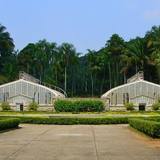 São Paulo Botanical GardenParks, zoo, and nature · about 2 h
Neighborhoods, markets, and views
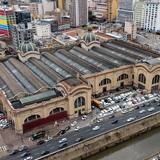 Municipal Market, the MercadãoNeighborhoods, markets, and views · 1 h 15Must-see
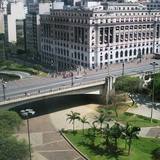 Chá Viaduct and the Anhangabaú ValleyNeighborhoods, markets, and views · 30 min
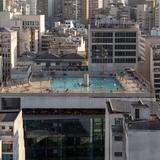 Sesc 24 de Maio and Its Rooftop TerraceNeighborhoods, markets, and views · about 1 h
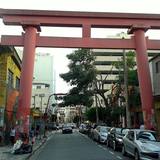 The Liberdade NeighborhoodNeighborhoods, markets, and views · 1 h 30Must-see
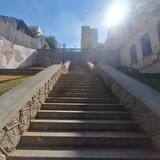 Bixiga, the Italian NeighborhoodNeighborhoods, markets, and views · about 1 h
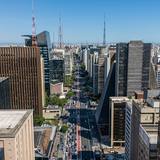 Paulista AvenueNeighborhoods, markets, and views · about 2 hMust-see
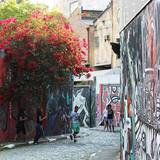 Beco do Batman, the Graffiti AlleyNeighborhoods, markets, and views · 45 minMust-see
Day trips
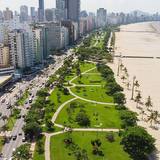 Santos, the Coffee Port and Its BeachesNeighborhoods, markets, and views · about 6 h
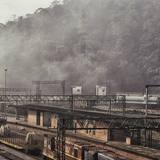 Paranapiacaba, the English Village in the FogMonuments and history · about 5 h
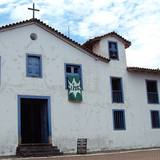 Embu das Artes and Its Crafts FairNeighborhoods, markets, and views · about 3 h
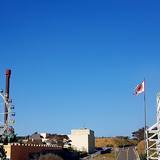 Hopi Hari, the Amusement ParkParks, zoo, and nature · about 7 h
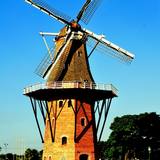 Holambra, the town of flowers and the windmillNeighborhoods, markets, and views · about 5 h

The full stories, the audio, the offline map and the challenges for kids.