 Peekwick
Butantan Institute, Snakes and Vaccines
São Paulo · Vila Madalena, Pinheiros, and Butantã · Museums and science · 2 h 30
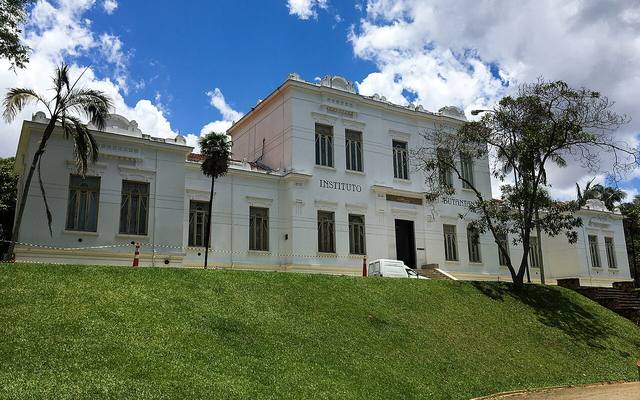
An Answer to the Plague
The Butantan Institute was born from an epidemic. At the end of 1899, bubonic plague spread from the port of Santos, and the state of São Paulo feared it would reach the capital. The physician Adolfo Lutz sent his assistant Vital Brazil to Santos, who diagnosed the disease. With Oswaldo Cruz, he prepared a plan to fight it. To set up a serum laboratory, the state's health director, Emílio Ribas, proposed acquiring the Butantan farm. It was far from the center, on the other side of the Pinheiros River, at a time when there were no bridges. In February 1901, the laboratory became an autonomous institution, with Vital Brazil as its first director. The name Butantan comes from Tupi. According to one philologist, it means very hard earth.
In the app, this story goes on for 7 parts, to read or listen to, with one voice for grown-ups and another for kids.
The Doctor and the Snakes
His name was Vital Brazil, and he was a doctor. In a small town in the interior of the state of São Paulo, he saw people bitten by snakes. Many died, because nobody knew how to treat them well. So he began to study venoms. His big discovery was that each snake needs its own remedy. In 1901, he became the first director of a new institute, Butantan. And he gave his invention to the state, so that the remedies would be free.
In the app, this story goes on for 7 parts, to read or listen to, with one voice for grown-ups and another for kids.

The full stories, the audio, the offline map and the challenges for kids.