 Peekwick
Ibirapuera Park
São Paulo · Ibirapuera Park · Parks, zoo, and nature · 2 h 30
A Park to Celebrate the City
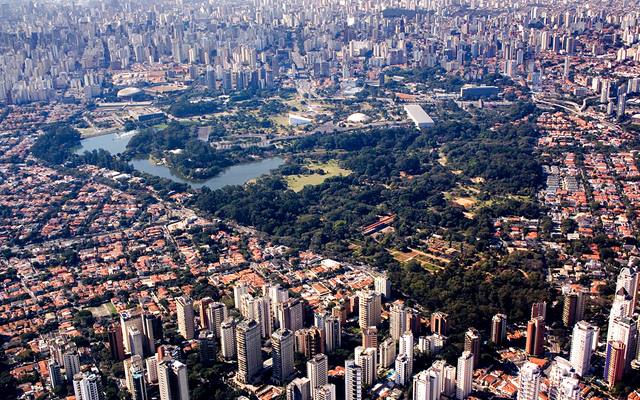
Ibirapuera Park was born from a birthday. In 1954, São Paulo celebrated its four hundredth anniversary. The city had been founded by the Jesuits in 1554, and it wanted a great place to celebrate. In 1951, Governor Lucas Nogueira Garcez created a commission bringing together public authorities and private companies. The park was supposed to open on January 25, 1954, the city's birthday, but it was not ready. The inauguration took place on August 21, 1954, seven months later, with six hundred forty stands from thirteen Brazilian states and nineteen countries. The land was nothing like a garden. It was a swampy area that had once been part of an Indigenous village before colonization. In the 1920s, Manuel Lopes de Oliveira, known as Manequinho Lopes, planted hundreds of Australian eucalyptus trees there to dry out the soil. The name Ibirapuera comes from ancient Tupi and is most often translated as old trees.
In the app, this story goes on for 7 parts, to read or listen to, with one voice for grown-ups and another for kids.
A Giant Birthday Present
Do you know why this huge park exists? For a birthday! In 1954, the city of São Paulo celebrated its four hundredth anniversary. For the party, it wanted to give its people an enormous garden, in the middle of the buildings. On opening day, August 21, 1954, there were six hundred forty stands, from nineteen countries. Today, millions of people come here every year. And entry is free, just like on the very first day.
In the app, this story goes on for 7 parts, to read or listen to, with one voice for grown-ups and another for kids.

The full stories, the audio, the offline map and the challenges for kids.