 Peekwick
Seochon and Tongin Market
Seoul · Gyeongbokgung, Gwanghwamun, and Seochon · Neighborhoods and Markets · 1 h 30
The Village of the West
Seochon means village of the west. The neighborhood extends west of Gyeongbokgung Palace, at the foot of Inwangsan Mountain. It still has more than six hundred hanok, those traditional tile-roofed houses, packed along narrow lanes. People often repeat that the powerful lived in Bukchon and the middle class in Seochon. The reality is more nuanced. In the early Joseon dynasty, princes and great families lived here. Under King Sukjong, around 1700, the city grew fast. Soldiers and ordinary people settled on land left by former mansions. Later, interpreters, doctors, and artists came in turn.
In the app, this story goes on for 6 parts, to read or listen to, with one voice for grown-ups and another for kids.
His Name Was Yi Do
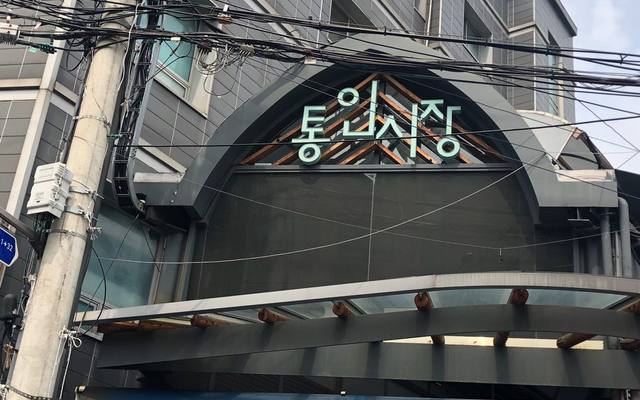
His name was Yi Do, and he was born right here, in this neighborhood, in 1397. At the time, his father was not yet king, and little Yi Do had no idea he would become Sejong, the king who had the Korean alphabet invented. No one knows where his house stood. But a stone at the entrance of Tongin Market recalls his birth. The residents even gave their neighborhood a new name: Sejong Village. Every year, on his birthday, Koreans celebrate their teachers.
In the app, this story goes on for 6 parts, to read or listen to, with one voice for grown-ups and another for kids.

The full stories, the audio, the offline map and the challenges for kids.