 Peekwick
Seoul
South Korea
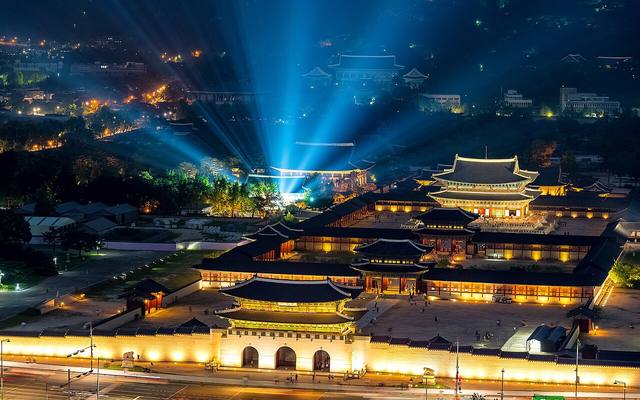
A Capital Two Thousand Years Old
People from the kingdom of Baekje founded a city here in 18 BC, on the banks of the Han River. The word Seoul simply means the capital. The real turning point came in 1394, when Yi Seong-gye, founder of the Joseon dynasty, chose the site of Hanyang for his capital. Gyeongbokgung Palace was completed in 1395, and by 1396 a stone wall ringed much of the city. Seoul remained the capital of the Joseon dynasty for more than five centuries. In 1443, King Sejong created hangeul, the Korean alphabet.
From Ruins to the Miracle on the Han
In 1910, Korea fell under Japanese rule, and the capital was renamed Gyeongseong. After liberation in 1945, the name Seoul became official. The Korean War broke out in 1950. The city changed hands four times and came out of the conflict largely in ruins. Yet it rebuilt itself at astonishing speed, a feat known as the Miracle on the Han River. Seoul hosted the Summer Olympics in 1988, then matches of the football World Cup in 2002. Today it is also the capital of the Korean wave, the world of K-pop, TV dramas, and film.
How to Read the City
Seoul has more than nine million residents, and over twenty-five million with its suburbs, which is more than half the country. Four mountains surround the center, and the Han River splits the city in two. In the north you visit the Joseon palaces, lanes of traditional houses called hanok, and the big markets. In the south, Gangnam, whose name means south of the river, is a forest of glass towers and shopping malls. A restored royal palace can stand at the foot of a skyscraper. The subway links all these worlds, and it sets the rhythm of the city.
A Capital Between Four Mountains
Look up, wherever you are in Seoul: there is almost always a mountain at the end of the street. Four big mountains surround the center, and a stone wall still climbs along their ridges. Today, more than nine million people live here, and the Han River cuts the city in two. The name of the city is very simple: Seoul means the capital.
The Guardian Against Fire
Long ago, the palaces were made of wood, and fire threatened them. So people placed stone guardians in front of them, the haechi, also called haetae. They have a lion's body, scales, and a horn on the forehead. According to tradition, they protect against fire and watch over justice. Today, the haechi is even the mascot of Seoul. You will find some in front of Gwanghwamun Gate, on the plaza side.
The Guardian Challenge
During your trip, become a guardian hunter. Count every haechi you spot, on gates and in palaces. Look up at the roofs too: along the ridges, little figurines in a row, the japsang, stand watch like a team. Finally, look for the faces of mischievous goblins, the dokkaebi. At the end of your trip, add it all up. More than ten guardians, and you are a true Seoul explorer.
The Quiz
Why, in many Korean homes, do people take off their shoes and happily sit on the floor? Answer: because the floor is heated. Traditionally, the heat from the kitchen fire travels under the floor through channels. This is called ondol. People live, eat, and sleep on a warm floor, which has to stay clean.
Don't miss
Gyeongbokgung PalacePalaces, Temples, and History · about 2 h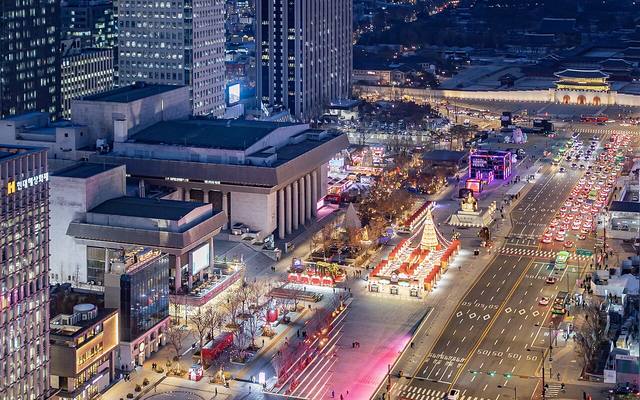 Gwanghwamun PlazaNeighborhoods and Markets · 45 min
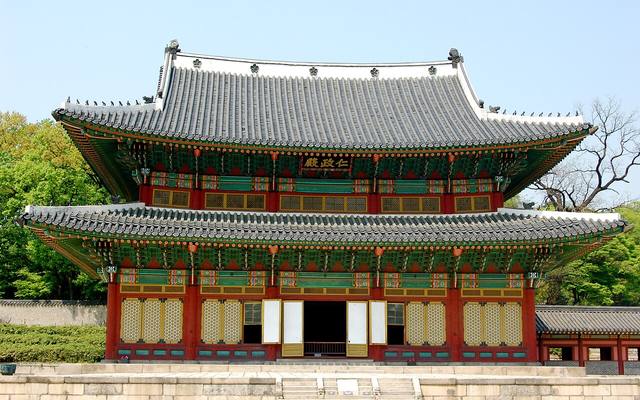 Changdeokgung Palace and the Secret GardenPalaces, Temples, and History · about 2 h
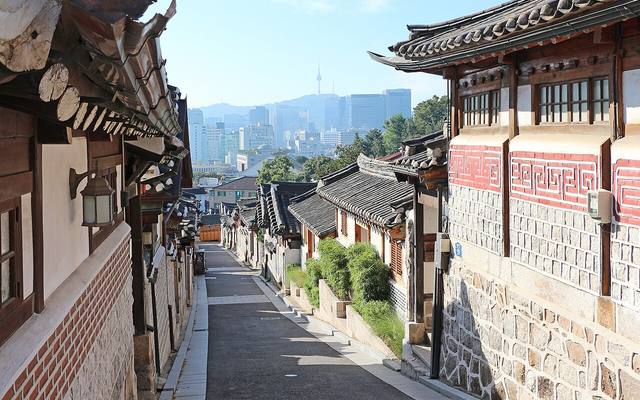 Bukchon Hanok VillageNeighborhoods and Markets · 1 h 30
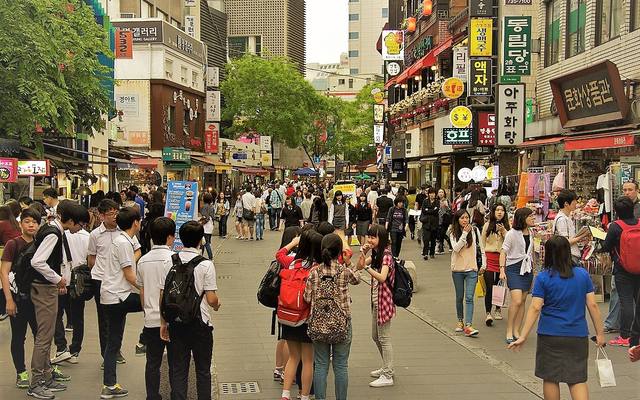 Insa-dong StreetNeighborhoods and Markets · 1 h 15
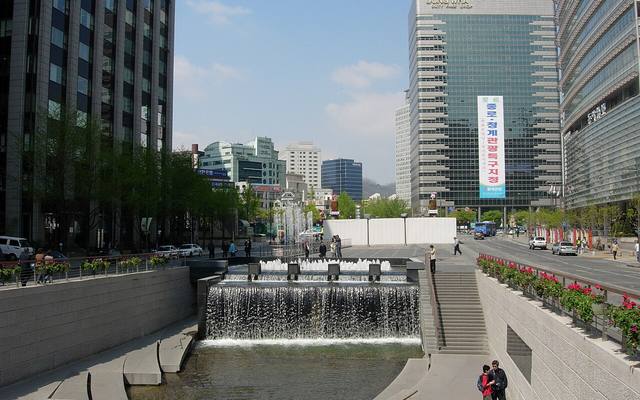 Cheonggyecheon StreamParks, River, and Mountain · 1 h 15
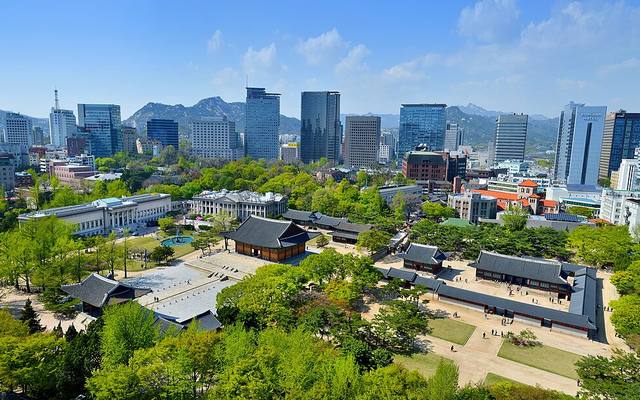 Deoksugung PalacePalaces, Temples, and History · 1 h 15
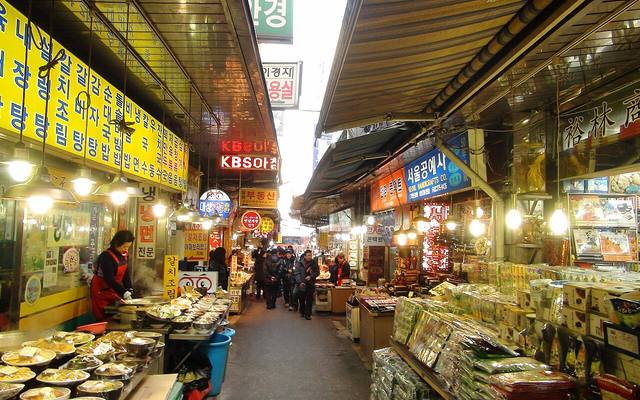 Namdaemun MarketNeighborhoods and Markets · 1 h 15
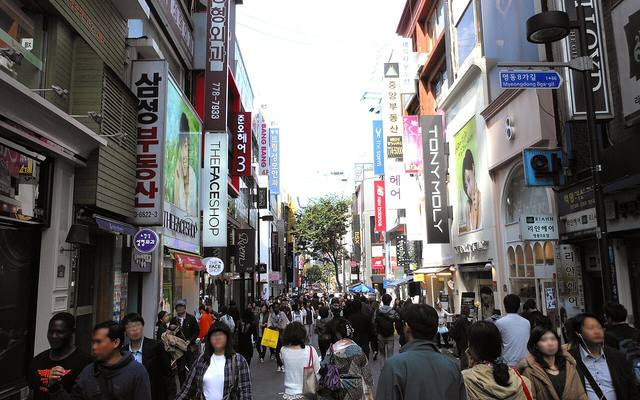 Myeongdong, the Cosmetics StreetNeighborhoods and Markets · about 1 h
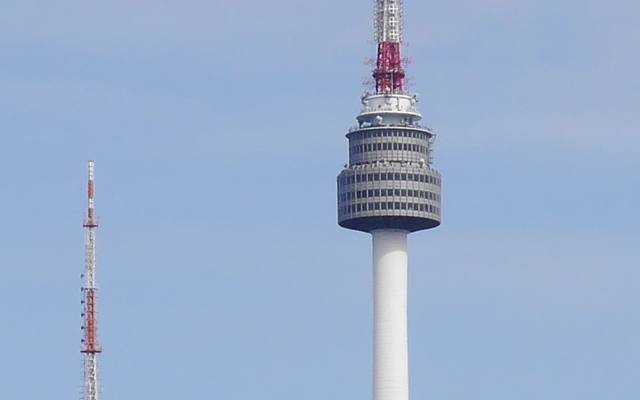 N Seoul Tower, on Top of NamsanTowers and Architecture · about 2 h
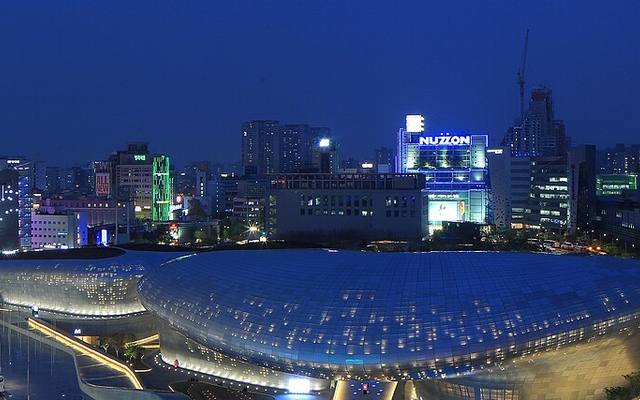 Dongdaemun Design PlazaTowers and Architecture · 1 h 15
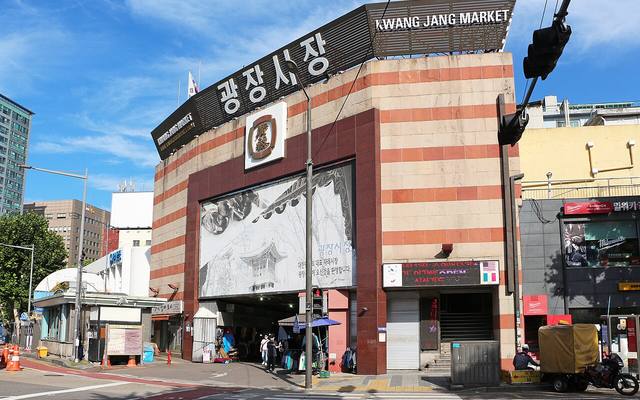 Gwangjang MarketNeighborhoods and Markets · 1 h 15
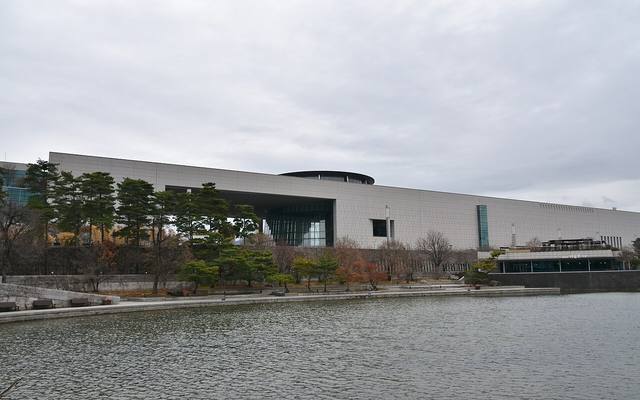 National Museum of KoreaMuseums · 2 h 30
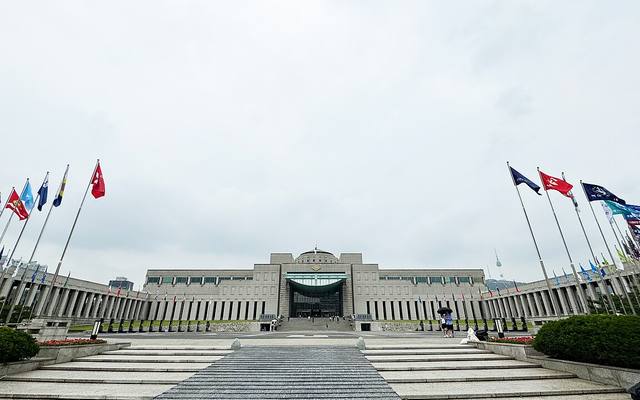 War Memorial of KoreaMuseums · about 2 h
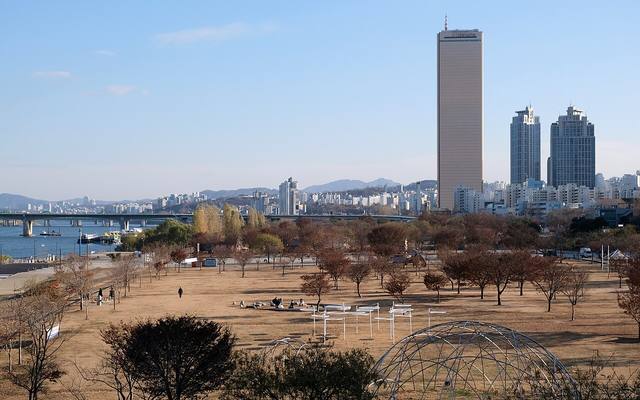 Han River Park at YeouidoParks, River, and Mountain · 1 h 30
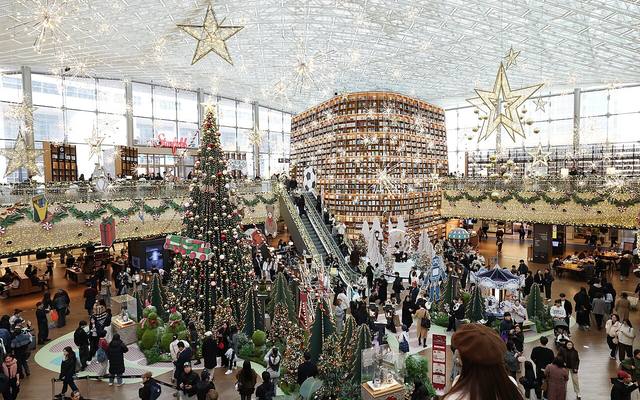 Starfield Library at COEXTowers and Architecture · about 1 h
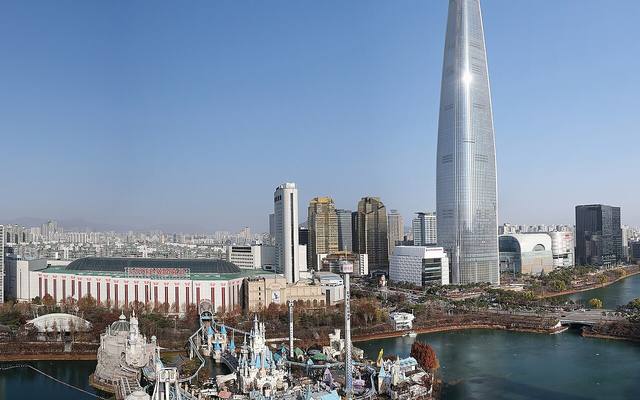 Lotte WorldAmusement Parks, Zoos, and Aquariums · about 5 h
All places
Palaces, Temples, and History
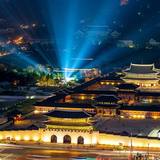 Gyeongbokgung PalacePalaces, Temples, and History · about 2 hMust-see
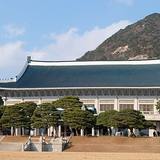 Cheongwadae, the Former Blue HousePalaces, Temples, and History · 1 h 15
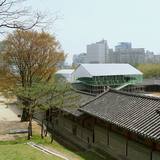 Gyeonghuigung Palace and Seoul Museum of HistoryPalaces, Temples, and History · 1 h 15
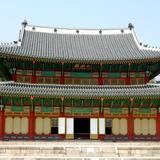 Changdeokgung Palace and the Secret GardenPalaces, Temples, and History · about 2 hMust-see
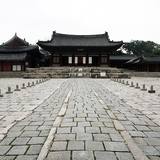 Changgyeonggung PalacePalaces, Temples, and History · 1 h 15
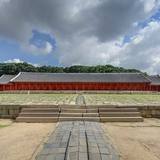 Jongmyo Royal ShrinePalaces, Temples, and History · 1 h 30
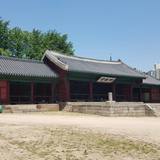 Sungkyunkwan, the Old Confucian UniversityPalaces, Temples, and History · about 1 h
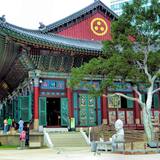 Jogyesa TemplePalaces, Temples, and History · 45 min
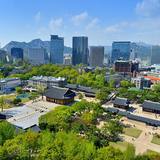 Deoksugung PalacePalaces, Temples, and History · 1 h 15Must-see
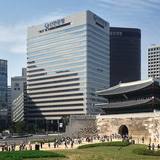 Sungnyemun Gate, or NamdaemunPalaces, Temples, and History · 30 min
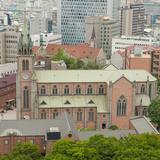 Myeongdong CathedralPalaces, Temples, and History · 30 min
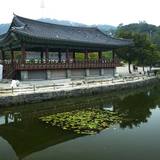 Namsangol Hanok VillagePalaces, Temples, and History · about 1 h
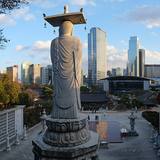 Bongeunsa TemplePalaces, Temples, and History · 45 min
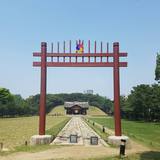 Seolleung and Jeongneung Royal TombsPalaces, Temples, and History · 1 h 15
Museums
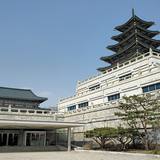 National Folk Museum of KoreaMuseums · 1 h 15
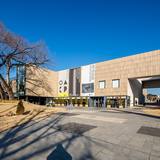 National Museum of Modern and Contemporary Art, SeoulMuseums · 1 h 30
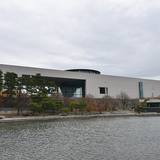 National Museum of KoreaMuseums · 2 h 30Must-see
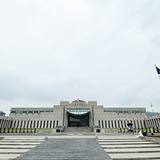 War Memorial of KoreaMuseums · about 2 hMust-see
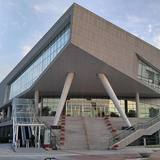 National Hangeul MuseumMuseums · about 1 h
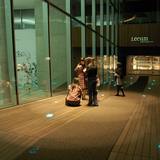 Leeum, Samsung Museum of ArtMuseums · 1 h 30
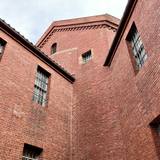 Seodaemun Prison History HallMuseums · 1 h 30
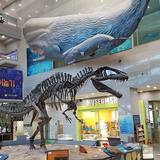 Seodaemun Museum of Natural HistoryMuseums · about 2 h
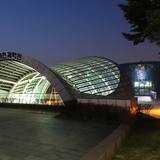 Gwacheon National Science MuseumMuseums · 2 h 30
Neighborhoods and Markets
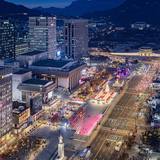 Gwanghwamun PlazaNeighborhoods and Markets · 45 minMust-see
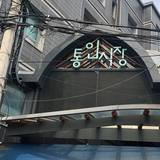 Seochon and Tongin MarketNeighborhoods and Markets · 1 h 30
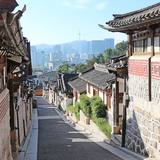 Bukchon Hanok VillageNeighborhoods and Markets · 1 h 30Must-see
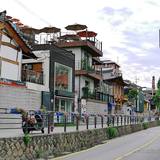 Samcheong-dong, the Gallery StreetNeighborhoods and Markets · about 1 h
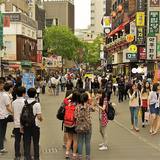 Insa-dong StreetNeighborhoods and Markets · 1 h 15Must-see
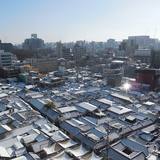 Ikseon-dong, the Hanok LanesNeighborhoods and Markets · about 1 h
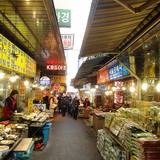 Namdaemun MarketNeighborhoods and Markets · 1 h 15Must-see
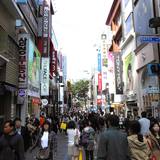 Myeongdong, the Cosmetics StreetNeighborhoods and Markets · about 1 hMust-see
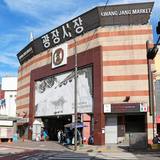 Gwangjang MarketNeighborhoods and Markets · 1 h 15Must-see
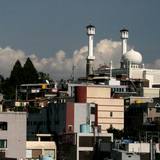 Itaewon and Hannam, the World NeighborhoodNeighborhoods and Markets · 1 h 15
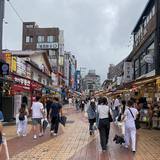 Hongdae, the Youth NeighborhoodNeighborhoods and Markets · 1 h 15
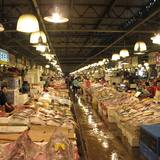 Noryangjin Fish MarketNeighborhoods and Markets · about 1 h
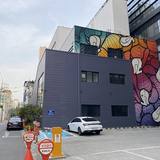 Seongsu-dong, the Brooklyn of SeoulNeighborhoods and Markets · 1 h 15
Parks, River, and Mountain
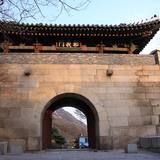 Bugaksan City Wall TrailParks, River, and Mountain · 2 h 30
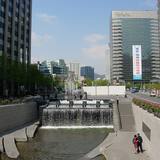 Cheonggyecheon StreamParks, River, and Mountain · 1 h 15Must-see
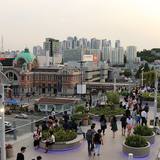 Seoullo 7017, the Garden on the Old OverpassParks, River, and Mountain · about 1 h
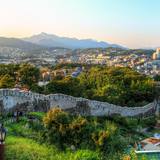 Naksan Park and Ihwa Mural VillageParks, River, and Mountain · 1 h 30
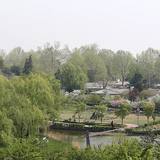 Yongsan Family ParkParks, River, and Mountain · about 1 h
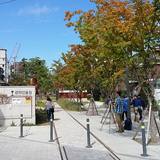 Gyeongui Line Forest ParkParks, River, and Mountain · about 1 h
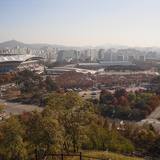 World Cup Park and Haneul ParkParks, River, and Mountain · about 2 h
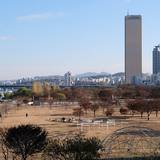 Han River Park at YeouidoParks, River, and Mountain · 1 h 30Must-see
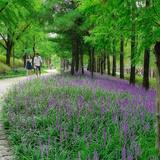 Seonyudo ParkParks, River, and Mountain · about 1 h
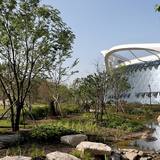 Seoul Botanic ParkParks, River, and Mountain · about 2 h
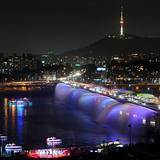 Banpo Bridge and Rainbow FountainParks, River, and Mountain · about 1 h
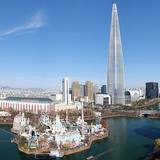 Seokchon LakeParks, River, and Mountain · about 1 h
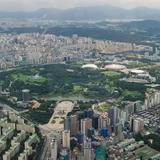 Olympic ParkParks, River, and Mountain · about 2 h
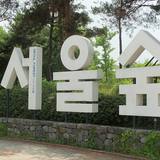 Seoul ForestParks, River, and Mountain · about 2 h
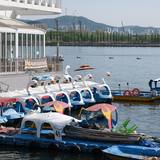 Ttukseom Park on the Han RiverParks, River, and Mountain · 1 h 30
Amusement Parks, Zoos, and Aquariums
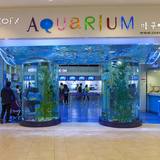 COEX AquariumAmusement Parks, Zoos, and Aquariums · 1 h 30
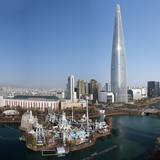 Lotte WorldAmusement Parks, Zoos, and Aquariums · about 5 hMust-see
 Lotte World AquariumAmusement Parks, Zoos, and Aquariums · 1 h 30
 Children's Grand ParkAmusement Parks, Zoos, and Aquariums · 2 h 30
 Seoul Grand Park, the Zoo and the ForestAmusement Parks, Zoos, and Aquariums · about 4 h
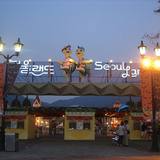 Seoul LandAmusement Parks, Zoos, and Aquariums · about 5 h
Towers and Architecture
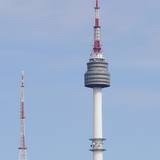 N Seoul Tower, on Top of NamsanTowers and Architecture · about 2 hMust-see
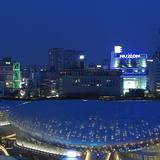 Dongdaemun Design PlazaTowers and Architecture · 1 h 15Must-see
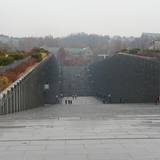 Ewha University CampusTowers and Architecture · 45 min
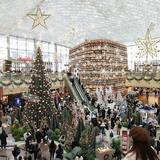 Starfield Library at COEXTowers and Architecture · about 1 hMust-see
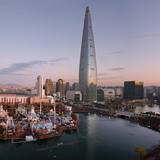 Seoul Sky, Lotte World TowerTowers and Architecture · 1 h 30
Day trips
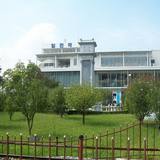 Demilitarized Zone and the Third TunnelPalaces, Temples, and History · about 5 h
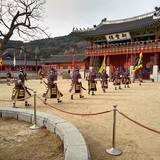 Suwon Hwaseong FortressPalaces, Temples, and History · 4 h 30
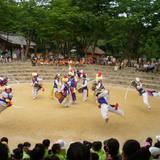 Korean Folk Village in YonginMuseums · about 5 h
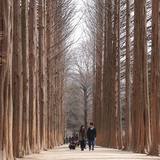 Nami Island and Petite FranceParks, River, and Mountain · about 5 h
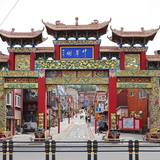 Incheon: Chinatown, the Open Port and SongdoNeighborhoods and Markets · about 6 h
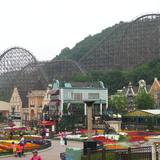 Everland, the Yongin Theme ParkAmusement Parks, Zoos, and Aquariums · about 7 h

The full stories, the audio, the offline map and the challenges for kids.