 Peekwick
Seodaemun Prison History Hall
Seoul · Sinchon, Hongdae, and Seodaemun · Museums · 1 h 30
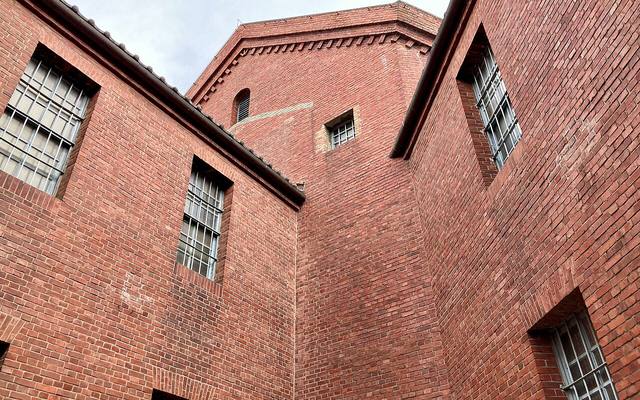
A Prison From the Colonial Period
Seodaemun Prison was born at a time when Korea was gradually losing its independence. From 1905, Japan held strong control over the country, and it annexed it in 1910. Construction began in 1907. The prison opened on October 21, 1908, under the name Gyeongseong Gamok, meaning Gyeongseong Prison, the name the Japanese then gave to Seoul. In 1923, it took the name Seodaemun Prison. Seodaemun means the great west gate, which is also the name of a district. It was designed for about five hundred prisoners, with a separate section for women and girls. After the big peaceful demonstrations of 1919, the number of prisoners rose sharply, and thousands of independence activists were held there. In 1944, it held nearly three thousand prisoners. Today it is one of Korea's most important places of memory for understanding this period.
In the app, this story goes on for 6 parts, to read or listen to, with one voice for grown-ups and another for kids.
A Sixteen-Year-Old Student
Her name was Yu Gwan-sun. In Korea, the family name is said first, so her family is Yu. In 1919, she was sixteen, and a student at Ewha school in Seoul. At that time, Korea was ruled by Japan, and Koreans were no longer free in their own country. On March 1, 1919, Koreans went into the streets, unarmed, to shout that they wanted independence. Yu Gwan-sun took part in those demonstrations. A little later, with others, she prepared a big demonstration in the market of her village, near Cheonan. She was arrested. That is why you hear her name in this place.
In the app, this story goes on for 6 parts, to read or listen to, with one voice for grown-ups and another for kids.

The full stories, the audio, the offline map and the challenges for kids.