 Peekwick
Shanghai
China
A city by the sea
Shanghai means "above the sea." For centuries, it was a town of fishermen and cotton merchants, near the mouth of the Yangtze, the longest river in Asia. In the sixteenth century, it built a wall to protect itself from pirates. The Yu Garden and the lanes of the old city date from that time, and people still eat little soup dumplings there, the xiaolongbao.
The Paris of the East
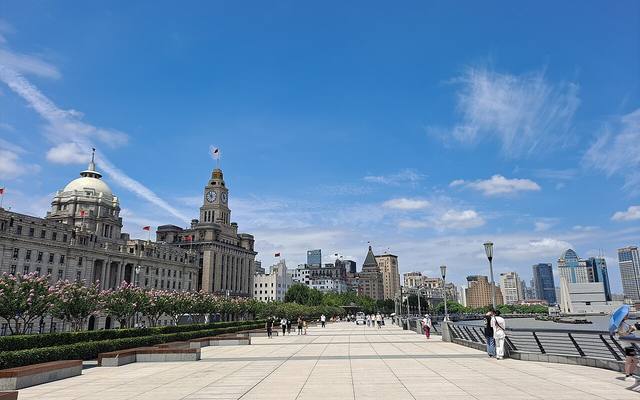
In 1842, after the First Opium War, China had to open Shanghai to foreign trade. The British, Americans, and French each received districts that they ran themselves, called concessions. Along the river, on the Bund, banks and hotels in the European style rose up. In the 1920s and 1930s, Shanghai became the most modern city in Asia, with its movie theaters, jazz clubs, and department stores. In 1921, the Chinese Communist Party even held its first congress here.
The city of the future
During World War II, the city took in nearly twenty thousand Jewish refugees fleeing Nazi Europe, at a time when almost every country had closed its doors to them. In the early 1990s, China decided to make Shanghai its showcase. Across the river, where there had been fields and warehouses, the Pudong district sprang up. Its forest of skyscrapers includes the Shanghai Tower, 632 meters tall.
How to read the city
The Huangpu River cuts Shanghai in two. On the west bank, called Puxi, you find the Bund with its old facades and the old city around the Yu Garden. You also find the former French Concession, with its streets lined with plane trees. On the east bank, Pudong lines up its futuristic towers. The city has more than 25 million people, and the longest subway system in the world.
A forest of skyscrapers
Thirty years: that is barely the time it took to turn fields, farms, and warehouses by a river into a forest of skyscrapers. One of them is among the tallest in the world. That is what happened in Pudong, in Shanghai! Your parents may have already been born when all of this was countryside. At night, the towers light up in every color, and some even change their pictures.
The rocket elevator
Did you know? The Shanghai Tower has one of the fastest elevators in the world. It climbs at more than 70 kilometers per hour and takes you to the 118th floor in under a minute. To help the tower stand up to typhoons, the architects gave it a shape that twists around itself, like a screw. At the very top, a giant weight keeps it from swaying too much in the wind.
The zigzag bridge challenge
In the Yu Garden, a zigzag bridge crosses a pond full of carp. According to an old Chinese belief, evil spirits can only move in a straight line, so the turns stop them from following you! Cross it and count the turns. Then look in the garden for the big stone dragon that winds along the top of a wall.
The quiz
Which train connects the Shanghai airport to the city without rolling on wheels? Answer: the Maglev! It floats above its track thanks to powerful magnets and speeds along at more than 300 kilometers per hour. Watch the speed display closely: the cars on the nearby highway look like they are standing still.
Don't miss
The BundNeighborhoods and Streets · 1 h 30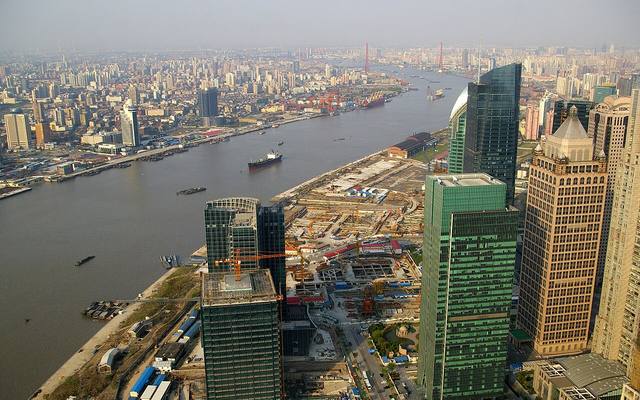 Huangpu River CruiseFamily Fun · 1 h 30
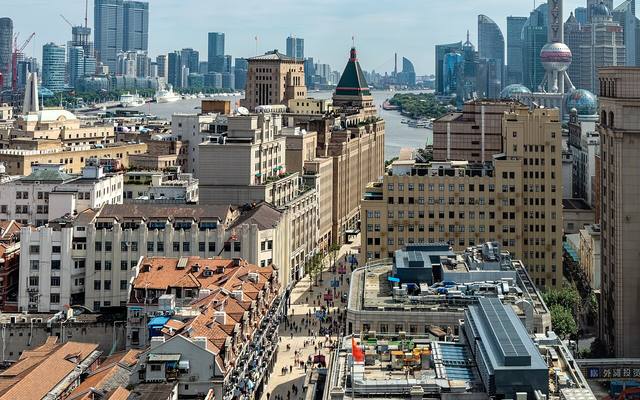 Nanjing RoadNeighborhoods and Streets · 1 h 30
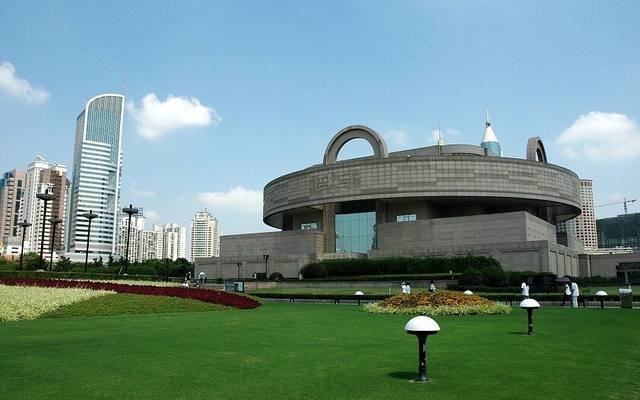 Shanghai MuseumMuseums · about 2 h
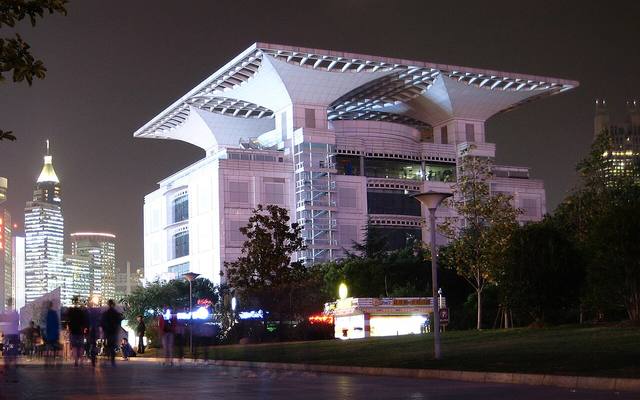 Shanghai Urban Planning Exhibition CenterMuseums · 1 h 30
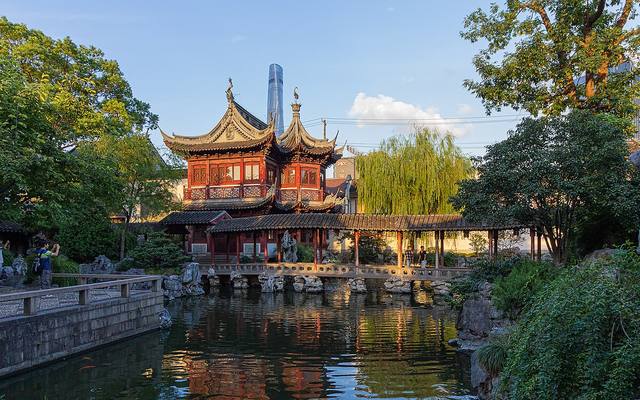 Yu GardenParks and Gardens · 1 h 30
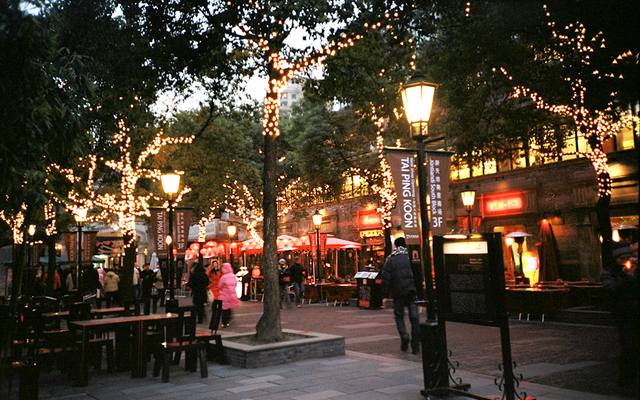 XintiandiNeighborhoods and Streets · 1 h 30
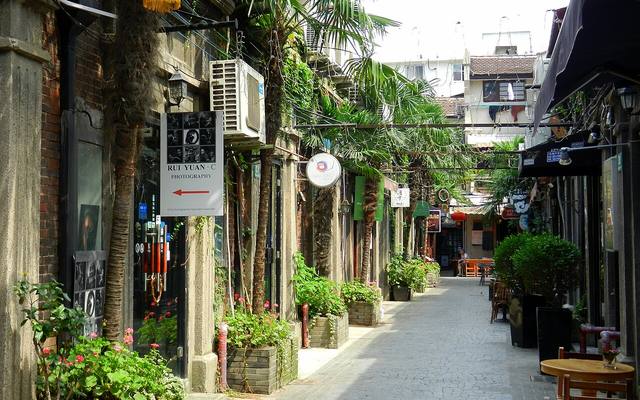 TianzifangNeighborhoods and Streets · 1 h 30
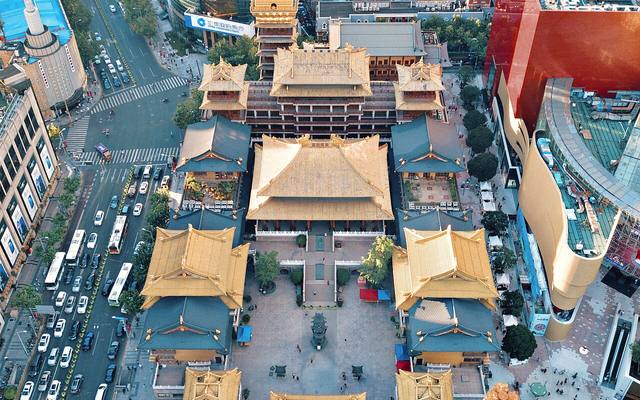 Jing'an TempleTemples and Places of Worship · about 1 h
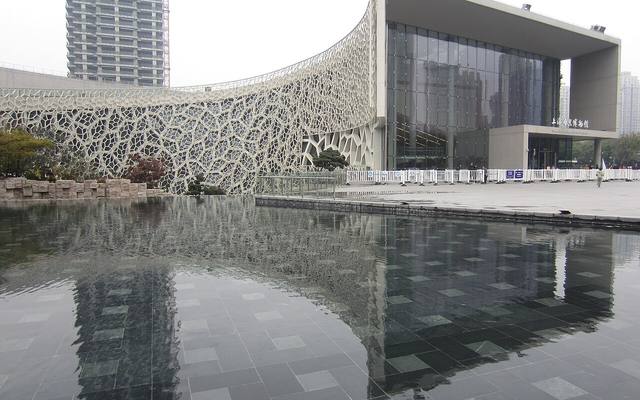 Shanghai Natural History MuseumMuseums · 2 h 30
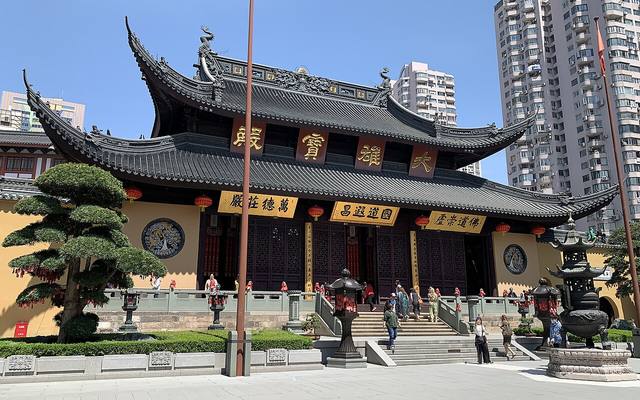 Jade Buddha TempleTemples and Places of Worship · about 1 h
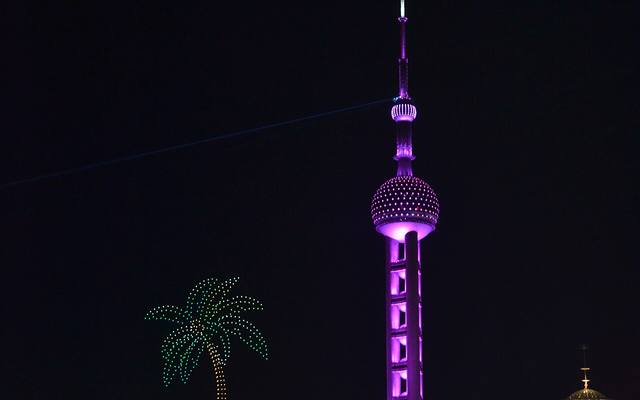 Oriental Pearl TowerMonuments and Towers · 1 h 30
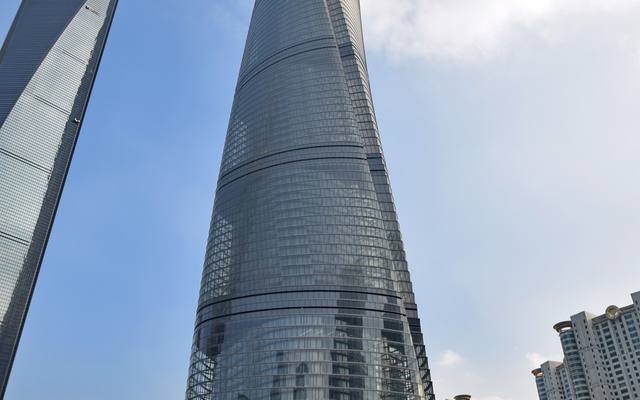 Shanghai TowerMonuments and Towers · 1 h 30
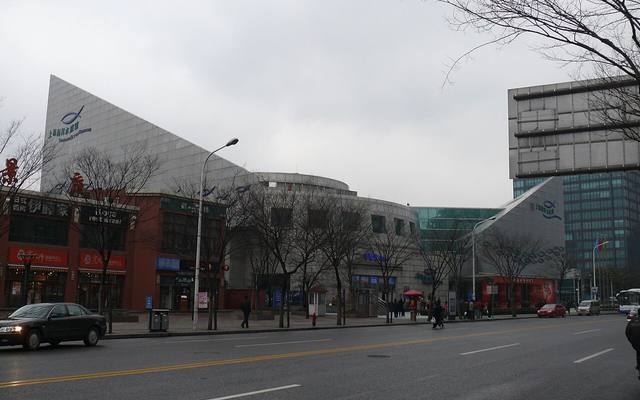 Shanghai Ocean AquariumFamily Fun · 2 h 30
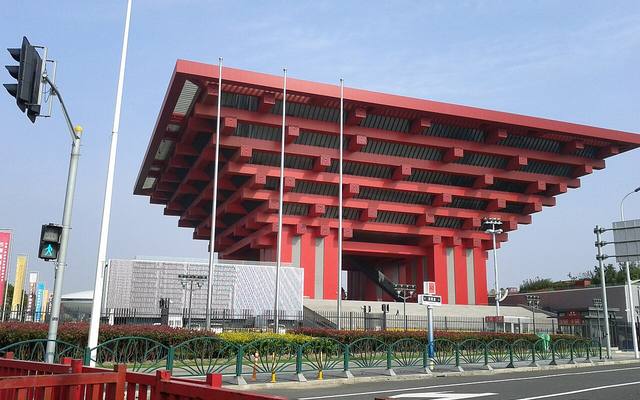 China Art Museum, the Former Expo PavilionMuseums · about 2 h
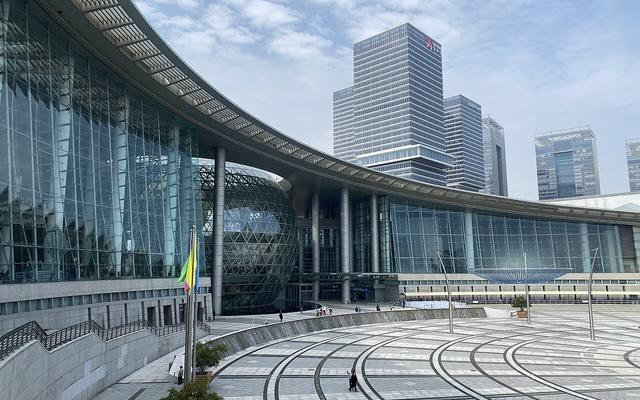 Shanghai Science and Technology MuseumMuseums · about 4 h
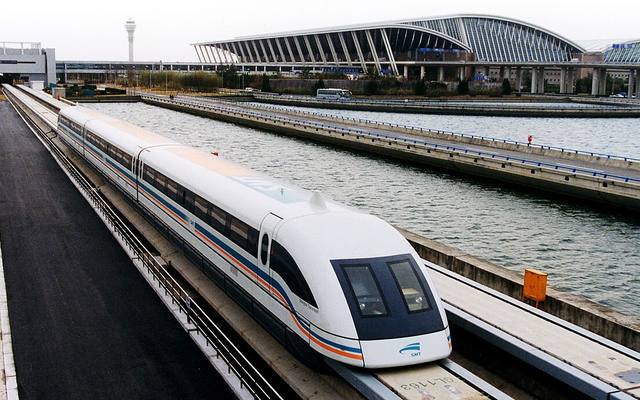 Shanghai MaglevFamily Fun · 1 h 30
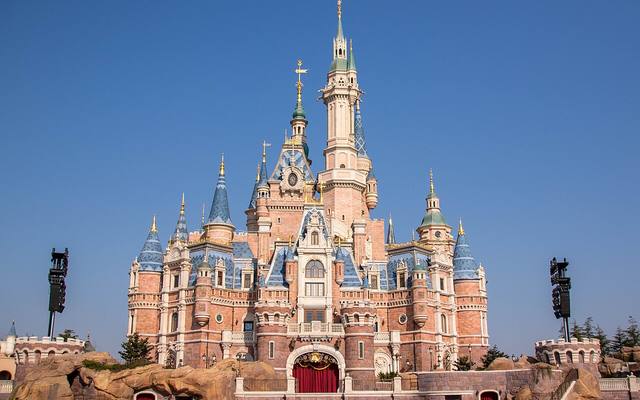 Shanghai DisneylandFamily Fun · about 10 h
All places
Monuments and Towers
 Peace HotelMonuments and Towers · 45 min
 Waibaidu BridgeMonuments and Towers · 20 min
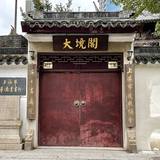 Dajing Tower and City Wall RemainsMonuments and Towers · 30 min
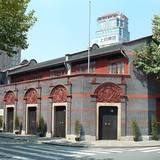 Site of the First Congress of the Chinese Communist PartyMonuments and Towers · about 1 h
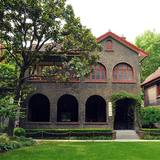 Sun Yat-sen ResidenceMonuments and Towers · about 1 h
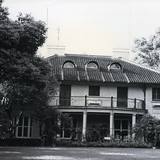 Soong Ching-ling ResidenceMonuments and Towers · about 1 h
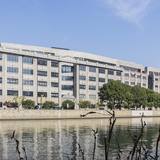 Sihang WarehouseMonuments and Towers · about 1 h
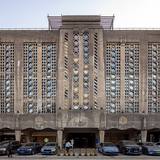 1933 Shanghai, the Old SlaughterhouseMonuments and Towers · about 1 h
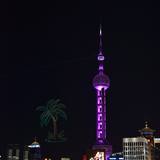 Oriental Pearl TowerMonuments and Towers · 1 h 30Must-see
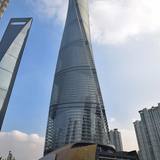 Shanghai TowerMonuments and Towers · 1 h 30Must-see
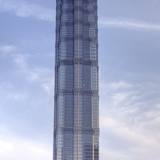 Jin Mao TowerMonuments and Towers · 1 h 15
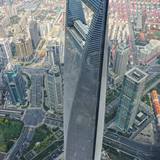 Shanghai World Financial CenterMonuments and Towers · about 1 h
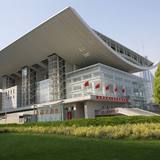 Shanghai Grand TheatreMonuments and Towers · about 1 h
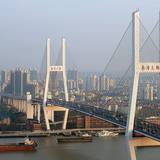 Nanpu Bridge and Its Spiral RampMonuments and Towers · 45 min
Museums
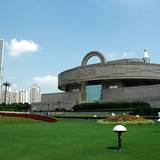 Shanghai MuseumMuseums · about 2 hMust-see
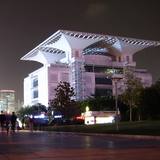 Shanghai Urban Planning Exhibition CenterMuseums · 1 h 30Must-see
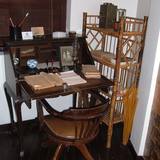 Shikumen House, Wulixiang MuseumMuseums · 45 min
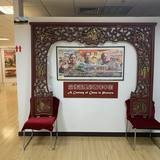 Propaganda Poster Art CenterMuseums · 45 min
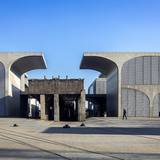 Long Museum West BundMuseums · about 2 h
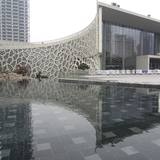 Shanghai Natural History MuseumMuseums · 2 h 30Must-see
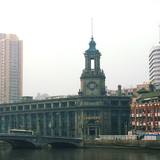 Shanghai Postal MuseumMuseums · about 1 h
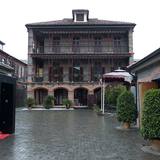 Jewish Refugees Museum, Ohel Moishe SynagogueMuseums · 1 h 15
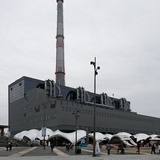 Power Station of ArtMuseums · about 2 h
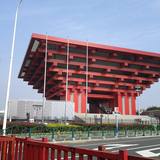 China Art Museum, the Former Expo PavilionMuseums · about 2 hMust-see
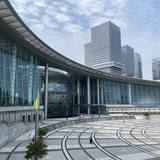 Shanghai Science and Technology MuseumMuseums · about 4 hMust-see
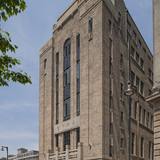 Rockbund Art MuseumMuseums · 1 h 15
Temples and Places of Worship
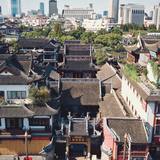 City God TempleTemples and Places of Worship · 45 min
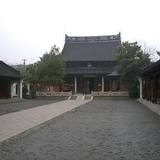 Shanghai Confucius TempleTemples and Places of Worship · about 1 h
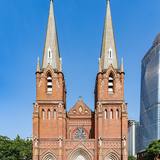 St Ignatius Cathedral, XujiahuiTemples and Places of Worship · 45 min
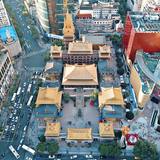 Jing'an TempleTemples and Places of Worship · about 1 hMust-see
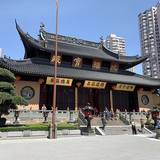 Jade Buddha TempleTemples and Places of Worship · about 1 hMust-see
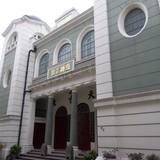 Xiaotaoyuan MosqueTemples and Places of Worship · 40 min
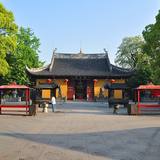 Longhua Temple and Its PagodaTemples and Places of Worship · 1 h 15
Parks and Gardens
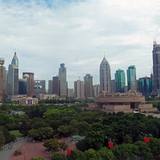 People's ParkParks and Gardens · about 1 h
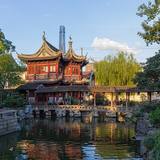 Yu GardenParks and Gardens · 1 h 30Must-see
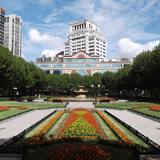 Fuxing ParkParks and Gardens · about 1 h
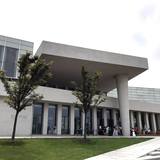 West Bund PromenadeParks and Gardens · about 2 h
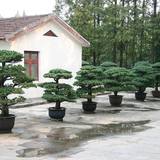 Shanghai Botanical GardenParks and Gardens · about 3 h
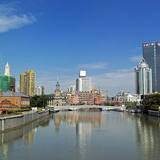 Suzhou Creek RiverbanksParks and Gardens · 1 h 30
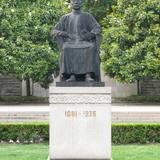 Lu Xun ParkParks and Gardens · 1 h 15
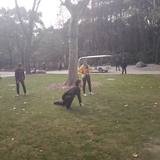 Gongqing Forest ParkParks and Gardens · 2 h 30
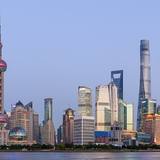 Binjiang Riverside PromenadeParks and Gardens · about 1 h
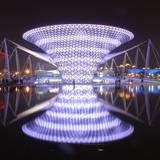 Houtan ParkParks and Gardens · 1 h 30
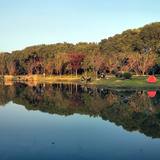 Century ParkParks and Gardens · 2 h 30
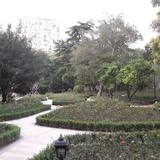 Zhongshan ParkParks and Gardens · 1 h 30
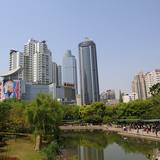 Xujiahui ParkParks and Gardens · 1 h 15
Neighborhoods and Streets
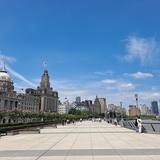 The BundNeighborhoods and Streets · 1 h 30Must-see
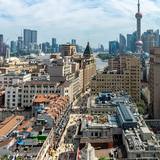 Nanjing RoadNeighborhoods and Streets · 1 h 30Must-see
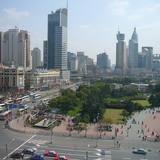 People's SquareNeighborhoods and Streets · about 1 h
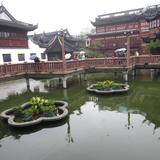 Yuyuan Bazaar and Nine-Turn BridgeNeighborhoods and Streets · about 1 h
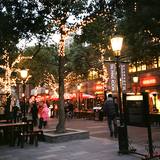 XintiandiNeighborhoods and Streets · 1 h 30Must-see
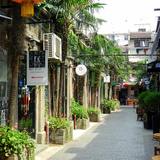 TianzifangNeighborhoods and Streets · 1 h 30Must-see
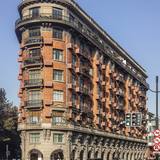 Wukang Road and Wukang MansionNeighborhoods and Streets · 1 h 15
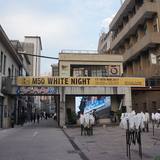 M50 Art DistrictNeighborhoods and Streets · 1 h 30
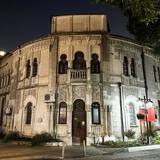 Duolun Cultural StreetNeighborhoods and Streets · 1 h 15
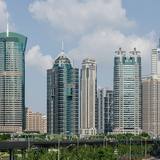 Lujiazui Circular WalkwayNeighborhoods and Streets · 30 min
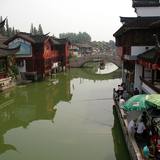 Qibao, the Old Water TownNeighborhoods and Streets · 2 h 30
Family Fun
 Bund Sightseeing TunnelFamily Fun · 30 min
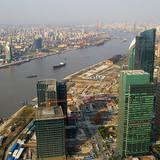 Huangpu River CruiseFamily Fun · 1 h 30Must-see
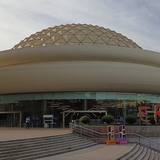 ERA, Intersection of Time at Shanghai Circus WorldFamily Fun · about 2 h
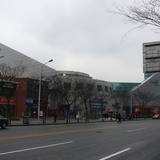 Shanghai Ocean AquariumFamily Fun · 2 h 30Must-see
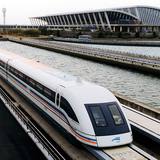 Shanghai MaglevFamily Fun · 1 h 30Must-see
 Shanghai ZooFamily Fun · about 4 h
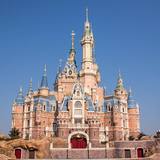 Shanghai DisneylandFamily Fun · about 10 hMust-see

The full stories, the audio, the offline map and the challenges for kids.