 Peekwick
Zagreb
Croatia
Two towns on two hills
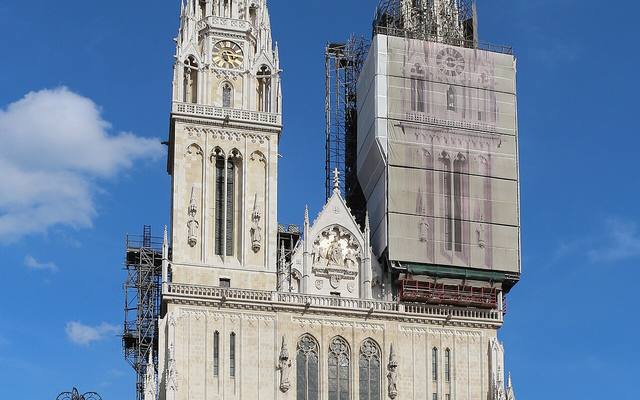
Zagreb was born from two neighbours who watched each other from two hills. On one, Kaptol, a bishopric was founded in 1094 around the cathedral. On the other, Gradec, merchants received a royal charter in 1242, the Golden Bull, which made it a free town. The two districts rivalled each other for a long time, sometimes to the point of brawling. They united in 1850, in the era of Ban Josip Jelačić, whose statue now dominates the main square. The name of Zagreb already appears in a document of 1134.
An Austro-Hungarian capital
Zagreb became the Croatian capital in 1557. It then belonged to the Austro-Hungarian Empire until 1918, which explains its yellow facades, its theatres and its Viennese-style cafés. The lower town, Donji Grad, grew to the south on a grid plan, mostly after the great earthquake of 1880. A chain of squares and parks there forms the Green Horseshoe. In 1918, the city entered a new South Slav state, the future Yugoslavia. It became the capital of independent Croatia in 1991.
A city on a human scale
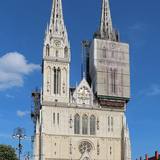
The city has about seven hundred and seventy thousand inhabitants, and more than a million with its surroundings. It is big enough to have museums, a zoo and an opera, and small enough to reach everything on foot or by tram. The earthquake of March 2020 damaged the cathedral and several museums. Some building sites are still going, and you meet them all over the centre.
How to read the city
The key is three levels. To the north-west of the main square, the Upper Town, Gornji Grad, keeps its lanes and its churches on the hill of Gradec, with Kaptol right next to it. In the middle, Jelačić Square acts as a hinge and a meeting point. To the south, the lower town lines up its museums and parks as far as the station. Further north, Medvednica mountain gives locals forests and trails, one tram ride from the centre.
The noon cannon
Every day, at exactly noon, a cannon shot rings out across the whole city. It is fired from the old Lotrščak Tower, on the hill, and has told the time to the townspeople since 1877, with a few breaks. People in Zagreb no longer jump. You should cover your ears, just in case! So you do not miss the bang, arrive a little early, on the promenade in front of the tower.
Manda and the fountain
The story goes that one day a tired and thirsty Croatian warrior asked a young girl named Manda for water. She dipped her jug into a well and gave him a drink. According to this legend, the name Zagreb comes from the word zagrabiti, which means to scoop. Scholars do not all agree, but the Manduševac fountain really exists, on the east side of Jelačić Square.
Your challenge for the whole trip
The trams of Zagreb are blue, and they are everywhere. During your whole stay, count the ones you see. Every evening, write down your total and say which one had the nicest shape. Keep an eye on the tram crossing Jelačić Square: it is the best place to start. At the end, the family votes for the prettiest tram.
The quiz
Question: which word does the word cravat come from? Answer: from the word Croat. In the seventeenth century, Croatian horsemen in the service of France wore a scarf knotted at the neck. The court of Louis XIV found the idea so elegant that it copied it. Zagreb even has a cravat museum, the Cravaticum.
Don't miss
Zagreb CathedralChurches · 45 min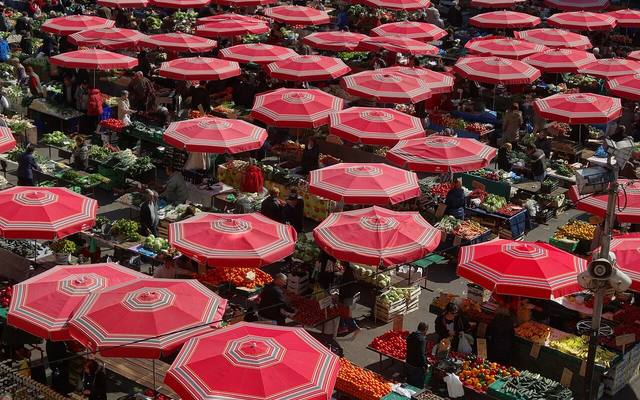 Dolac MarketSquares, streets and markets · about 1 h
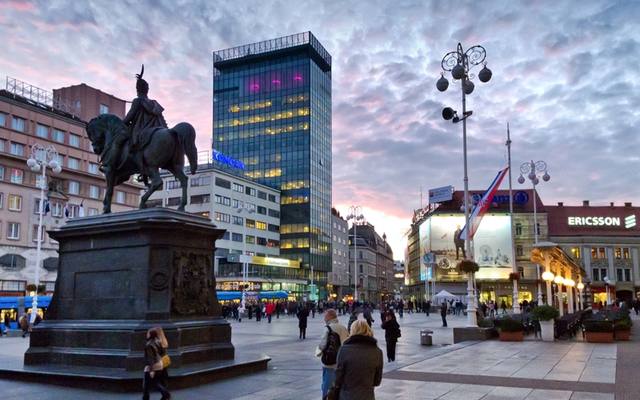 Ban Jelačić SquareSquares, streets and markets · 30 min
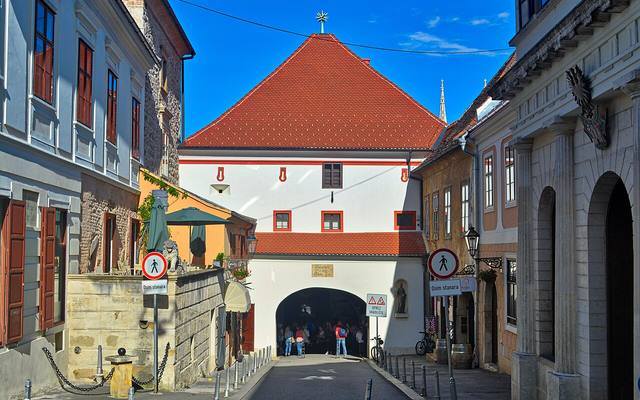 Stone GateMonuments and views · 15 min
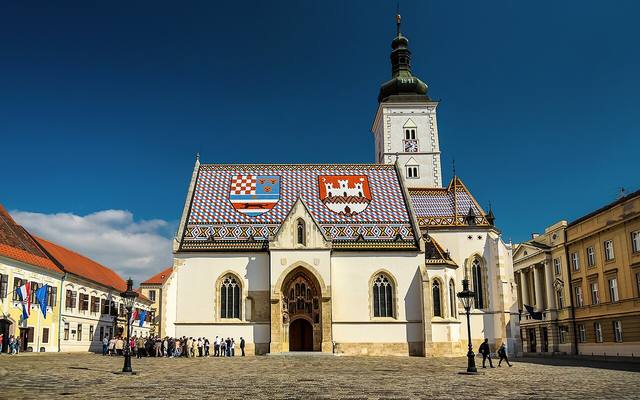 St Mark's ChurchChurches · 25 min
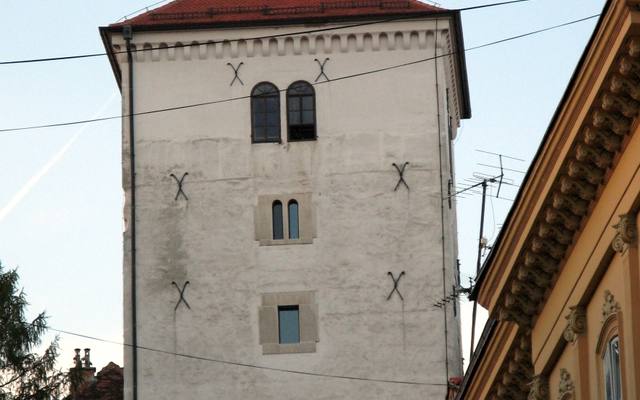 Lotrščak Tower and the Noon CannonMonuments and views · 40 min
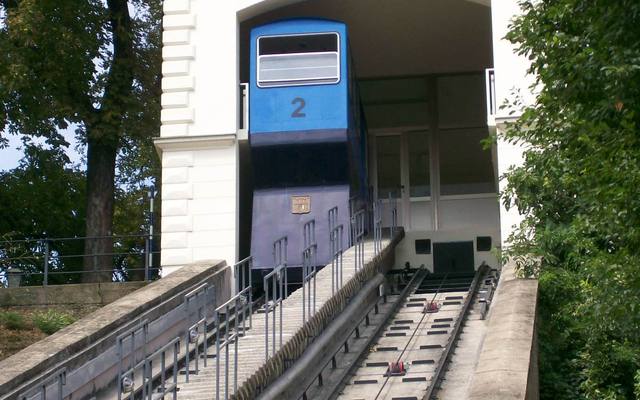 Zagreb FunicularMonuments and views · 20 min
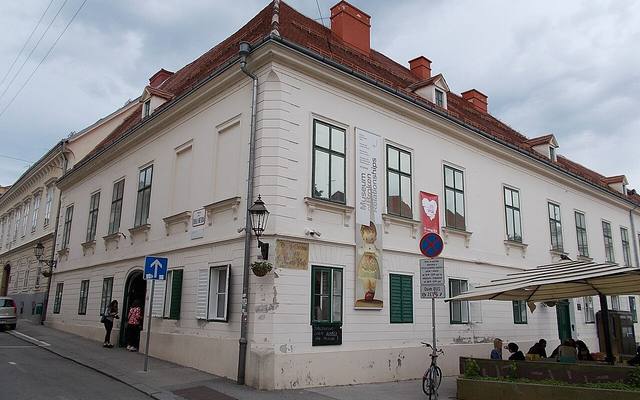 Museum of Broken RelationshipsMuseums · about 1 h
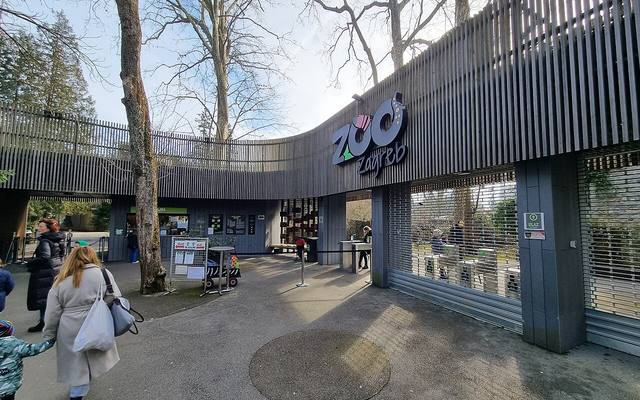 Zagreb ZooFun and animals · about 3 h
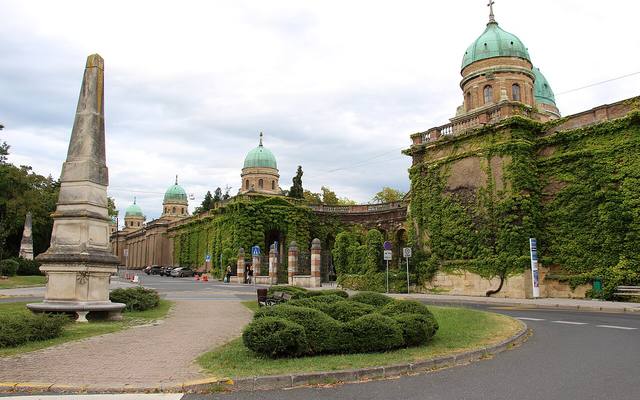 Mirogoj CemeteryMonuments and views · 1 h 30
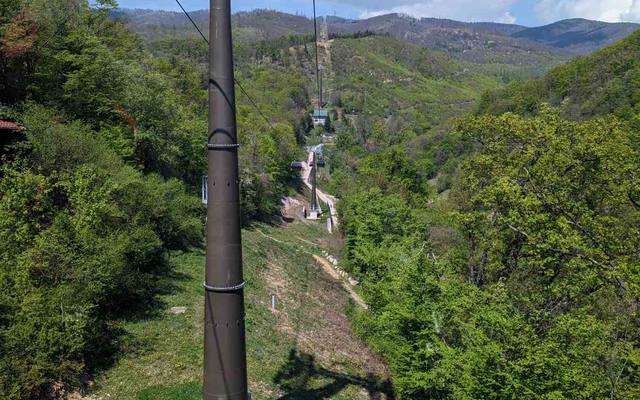 Sljeme and the Medvednica Cable CarParks and nature · about 4 h
All places
Monuments and views
 Zagreb 360, the view from the skyscraper, closedMonuments and views · 45 min
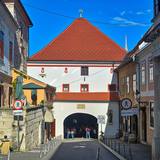 Stone GateMonuments and views · 15 minMust-see
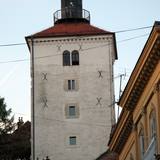 Lotrščak Tower and the Noon CannonMonuments and views · 40 minMust-see
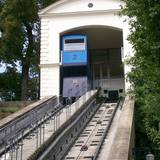 Zagreb FunicularMonuments and views · 20 minMust-see
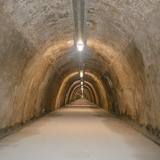 Grič TunnelMonuments and views · 30 min
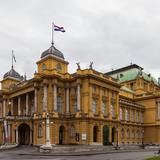 National Theatre and the Fountain of LifeMonuments and views · 25 min
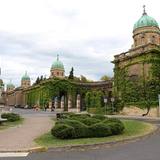 Mirogoj CemeteryMonuments and views · 1 h 30Must-see
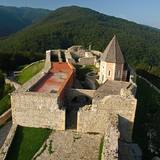 Medvedgrad CastleMonuments and views · 2 h 30
Museums
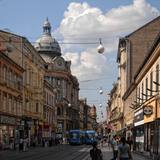 Museum of IllusionsMuseums · 1 h 15
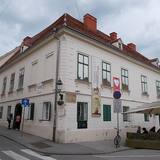 Museum of Broken RelationshipsMuseums · about 1 hMust-see
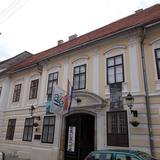 Croatian Museum of Naïve ArtMuseums · 45 min
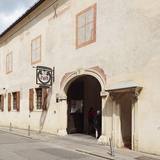 Zagreb City MuseumMuseums · 1 h 30
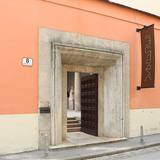 Meštrović AtelierMuseums · 1 h 15
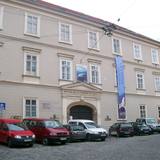 Croatian Natural History MuseumMuseums · 1 h 45
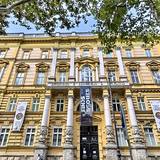 Archaeological MuseumMuseums · 1 h 15
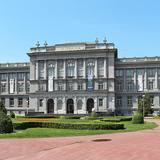 Mimara MuseumMuseums · 1 h 30
 Nikola Tesla Technical MuseumMuseums · about 2 h
 Museum of Contemporary ArtMuseums · about 2 h
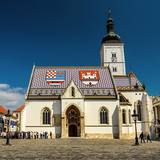
Squares, streets and markets
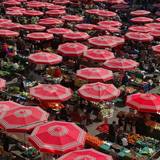 Dolac MarketSquares, streets and markets · about 1 hMust-see
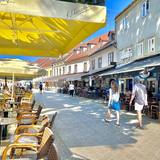 Tkalčićeva StreetSquares, streets and markets · 45 min
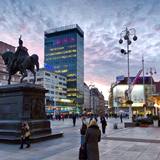 Ban Jelačić SquareSquares, streets and markets · 30 minMust-see
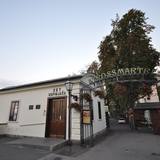 Strossmayer PromenadeSquares, streets and markets · 30 min
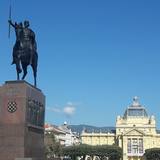 King Tomislav Square and the Central StationSquares, streets and markets · 40 min
Parks and nature
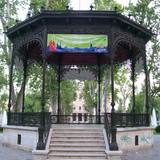 Zrinjevac Park and the Music PavilionParks and nature · 30 min
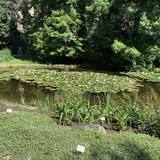 Zagreb Botanical GardenParks and nature · about 1 h
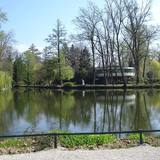 Maksimir ParkParks and nature · about 2 h
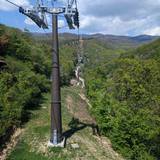 Sljeme and the Medvednica Cable CarParks and nature · about 4 hMust-see
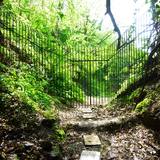 Veternica CaveParks and nature · about 3 h
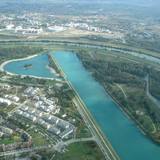 Jarun LakeParks and nature · about 2 h
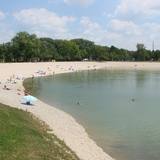 Bundek ParkParks and nature · 1 h 30
Fun and animals
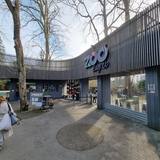
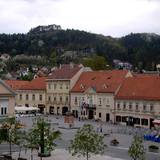

The full stories, the audio, the offline map and the challenges for kids.