 Peekwick
Copenhagen
Denmark
A merchants' harbor
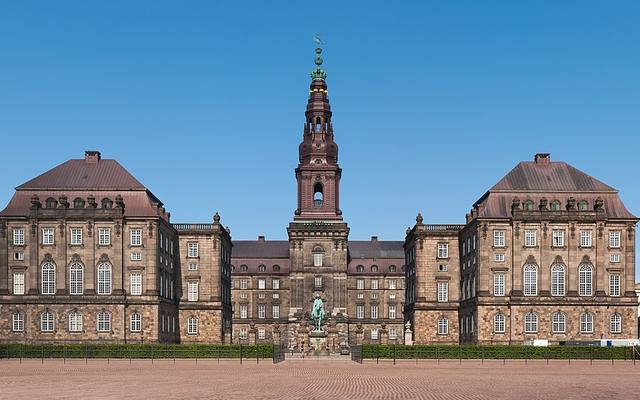
Copenhagen is called København in Danish, which means the merchants' harbor. Around 1167, Bishop Absalon had a fortress built on the little island of Slotsholmen, where Christiansborg Palace stands today. Around the fort, a village of herring fishermen grew into a trading town. It has been the capital of the kingdom since 1416.
A builder king and hard times
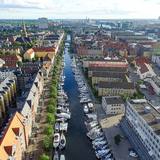
In the seventeenth century, Christian IV gave the city its look. He had Rosenborg Castle, the Round Tower, the Stock Exchange and the Christianshavn district with its canals built. Hard times were not lacking. Two great fires, in 1728 and in 1795, destroyed much of the medieval center. In 1807, the British fleet bombarded the city. During the German occupation, from 1940 to 1945, the Danes organized in 1943 the crossing by boat to Sweden of almost all the Jews in the country. Each time, the city got back on its feet.
A key to understanding it
To understand Copenhagen, look at how people live here. Residents ride bikes in all weather, the streets favor pedestrians, and the harbor water is clean enough to swim in during the summer. The word you hear again and again is hygge, pronounced hoo-gah: the pleasure of being comfortable together, with a candle, a coffee and a pastry. The city is small, flat and easy to get around. Palaces stand side by side with very modern districts. Since 2000, the Øresund Bridge has linked it to Sweden. It is a capital on a human scale, ideal with children.
The land of bikes
In the streets of Copenhagen, there are far more bikes than cars. People go to work by bike, to school by bike, and even to a restaurant by bike, in the rain as in the sun. Some dads and moms take their children in a big box bike called a cargo bike. When you walk, look carefully before crossing the bike lanes. There, the bikes almost never stop.
A mermaid and a flag
Copenhagen keeps a mermaid story. A Danish writer, Hans Christian Andersen, imagined The Little Mermaid in 1837, and a bronze statue has shown her since 1913, sitting on a rock in the harbor. The city also has a flag legend. The story goes that in 1219, during a battle, a red flag with a white cross fell from the sky. The Danes call it the Dannebrog, and it is one of the oldest flags in the world still in use.
Your challenge for the trip
Throughout your stay, play the game of the five treasures. Find a cargo bike with children in it, a Dannebrog flag hanging from a balcony, a colorful boat in the harbor and a swan on a canal. Look also for someone drinking a coffee outside with a blanket over their shoulders. Each treasure you find is worth one point. When you have five, you have won an ice cream.
The quiz
Here is your question: what do the Danes call the pleasure of being comfortable together, with a candle, a hot chocolate and a good cake? The answer is hygge, pronounced hoo-gah. The Danes love this word, and you will see it everywhere, on menus, in shop windows and on the walls of cafés.
Don't miss
Christiansborg PalaceMonuments · 2 h 30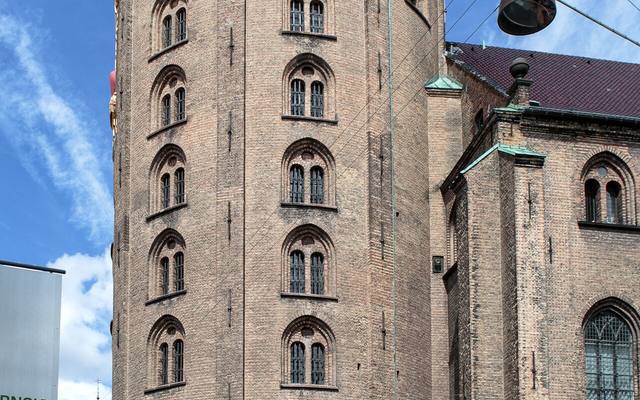 Round Tower, RundetårnMonuments · about 1 h
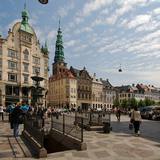
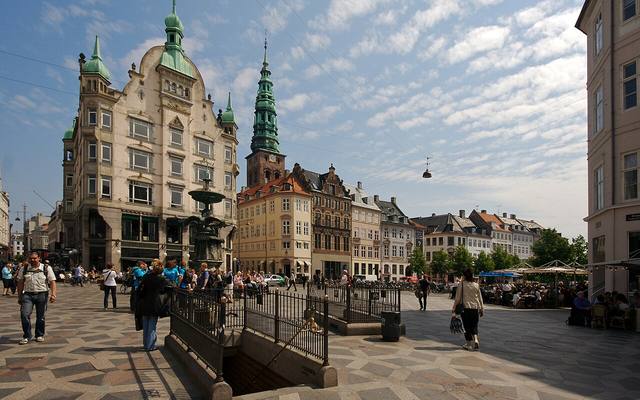 Strøget and its squaresSquares and canals · 1 h 30
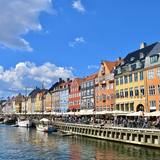
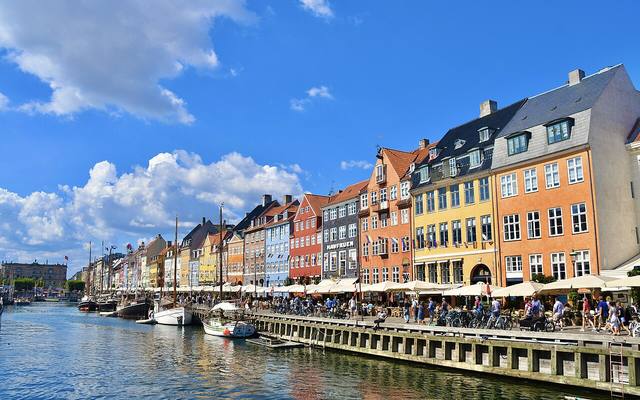 NyhavnSquares and canals · about 1 h
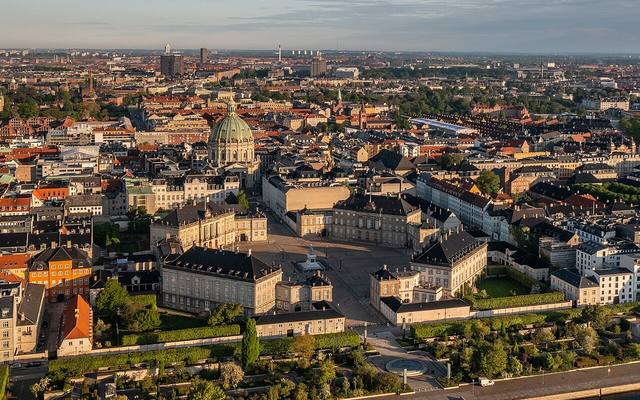 Amalienborg PalaceMonuments · 1 h 30
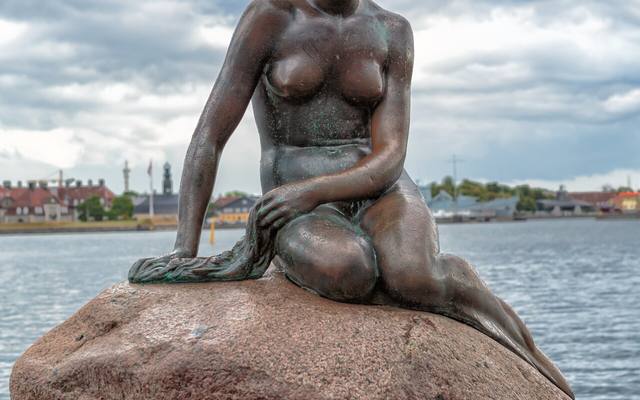 The Little MermaidMonuments · 30 min
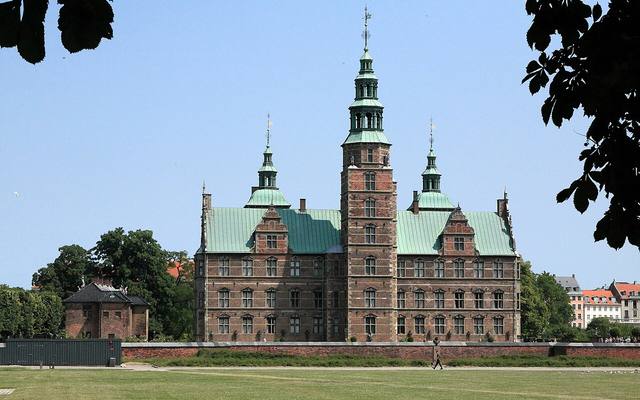 Rosenborg CastleMonuments · 1 h 30
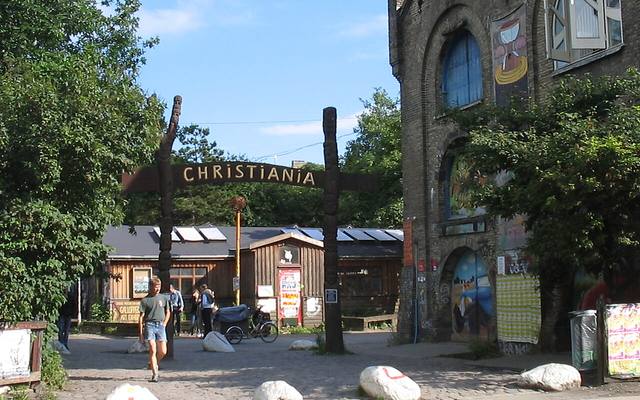 ChristianiaNeighborhoods and views · about 2 h
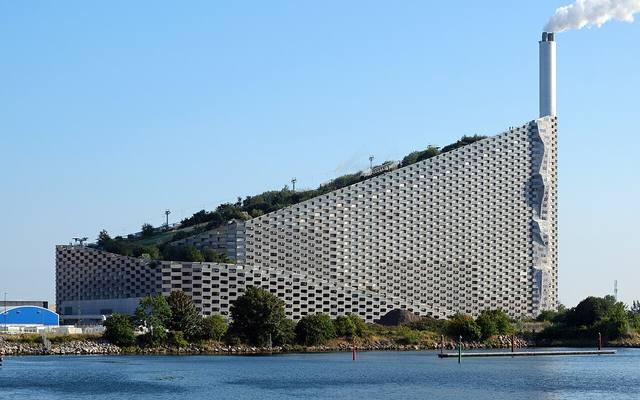 CopenHill, Amager BakkeMonuments · about 2 h
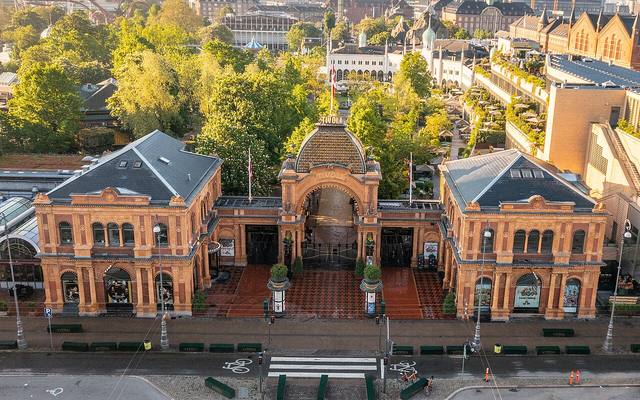 Tivoli GardensParks and gardens · about 4 h
All places
Monuments
 Christiansborg PalaceMonuments · 2 h 30Must-see
 Royal Library, the Black DiamondMonuments · 1 h 15
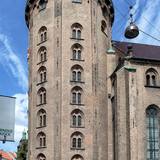 Round Tower, RundetårnMonuments · about 1 hMust-see
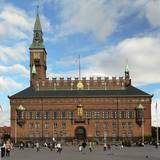 City Hall and RådhuspladsenMonuments · about 1 h
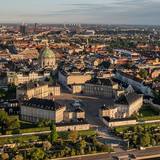 Amalienborg PalaceMonuments · 1 h 30Must-see
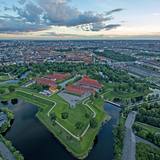 KastelletMonuments · about 1 h
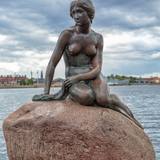 The Little MermaidMonuments · 30 minMust-see
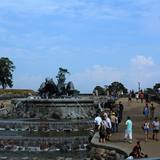 Gefion FountainMonuments · 20 min
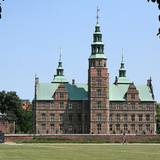 Rosenborg CastleMonuments · 1 h 30Must-see
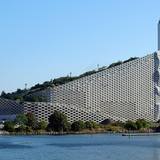 CopenHill, Amager BakkeMonuments · about 2 hMust-see
Museums
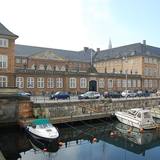 National Museum of DenmarkMuseums · 2 h 30
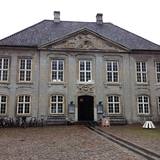 Designmuseum DanmarkMuseums · about 2 h
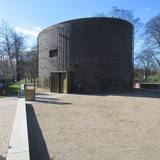 Museum of Danish ResistanceMuseums · about 2 h
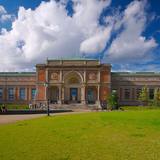 Statens Museum for Kunst, SMKMuseums · about 2 h
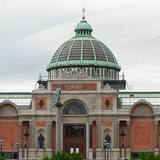 Ny Carlsberg GlyptotekMuseums · 2 h 30
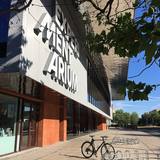 Experimentarium, HellerupMuseums · 3 h 30
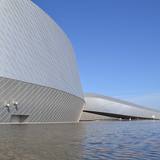 Den Blå Planet, the National AquariumMuseums · 2 h 30
Squares and canals
Churches
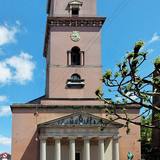
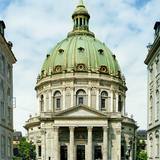
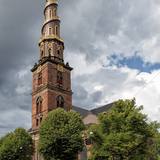
Parks and gardens
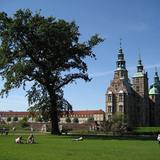 King's Garden, Kongens HaveParks and gardens · 1 h 15
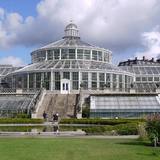 Botanical GardenParks and gardens · 1 h 30
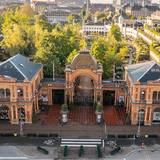 Tivoli GardensParks and gardens · about 4 hMust-see
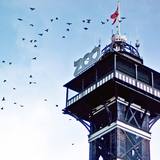 Copenhagen ZooParks and gardens · about 4 h
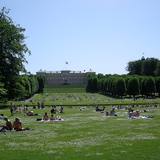 Frederiksberg Have and the PalaceParks and gardens · 1 h 30
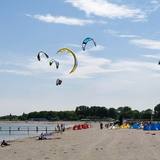 Amager StrandparkParks and gardens · 1 h 30
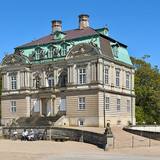 Dyrehaven, the Deer ParkParks and gardens · about 3 h
 Dyrehavsbakken, Bakken, the Oldest Amusement ParkParks and gardens · about 3 h
Neighborhoods and views
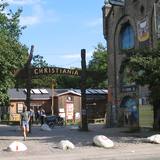
Planning Copenhagen
EventsCopenhagen at Christmas with kids: what to do over the 2026-2027 holidaysCopenhagen at Christmas with kids: Tivoli from 13 November to 3 January, Round Tower, Rosenborg, the aquarium and day trips, with opening times to double-check.November 16, 2026 EventsChristmas markets with kids 2026: 9 cities, dates and tipsVienna, Prague, Brussels, Zagreb, Copenhagen, London: the 2026 dates of Europe's big Christmas markets and festivals, and what kids enjoy in each city.October 13, 2026

The full stories, the audio, the offline map and the challenges for kids.