 Peekwick
Dakar
Senegal
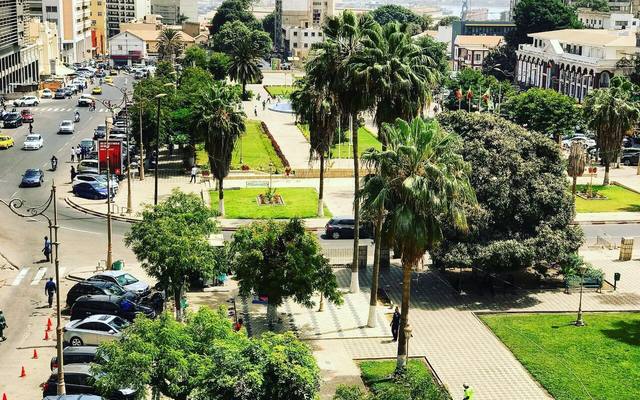
Lebou fishing villages
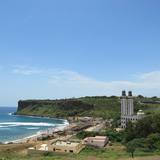
Dakar sits at the tip of a peninsula, the Cape Verde Peninsula, which juts out into the Atlantic. Long before the city, Lebou fishermen lived here in villages such as Ngor, Yoff, Ouakam and Hann. In 1444, the Portuguese navigator Dinis Dias reached these shores. The nearby island of Gorée became a trading post fought over by the Dutch, the English and the French, and France settled there in 1677. Around 1790, the Lebou freed themselves from the rule of the Kingdom of Cayor. They formed a small republic, led by a religious chief, the serigne, and by village assemblies.
From French outpost to capital
In 1857, French soldiers took possession of the coast and built a small fort. A port and a town slowly grew up around it. In 1885, a railway linked Dakar to Saint-Louis. In 1902, Dakar became the capital of French West Africa, a group of French colonies. Blaise Diagne, born on Gorée, was elected to the French parliament in 1914. He was the first Black African deputy to sit there. During the First World War, many Senegalese riflemen, African soldiers in the French army, fought in Europe.
An independent capital
In 1960, Senegal became independent, and Dakar its capital. The poet Léopold Sédar Senghor was its first president, until 1980. Today, more than one Senegalese person in five lives in the Dakar region, about four million people. Yet the region covers less than one percent of the country.
A key to understanding
Dakar is a city that faces the ocean, where the old Lebou villages have become neighborhoods. Remember the word teranga, which means hospitality in Wolof: people greet each other at length, ask after the family, and welcome strangers. More than nine in ten Senegalese are Muslim, and the Christians, who are few, live in harmony with them. French is the official language, but many people also speak Wolof, the most widely spoken language in the country.
A peninsula in the ocean
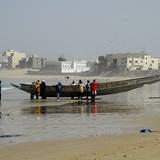
About four million people live around Dakar, on a piece of land that sticks out into the ocean like a finger. Long ago, the peninsula was home mostly to fishing villages, the Lebou people. Their descendants still fish with pirogues, long wooden boats, from beaches like Soumbédioune, Ngor and Yoff. Listen closely around you, and you will hear two languages: French and Wolof.
Where the names come from
Did you know? The Dutch called Gorée Island Goede Reede, which means good anchorage, a place where ships can shelter. Over time, that name became Gorée. For Dakar, nobody knows for sure. One explanation says the name comes from dakhar, the Wolof word for the tamarind tree, which grew all along the coast when the Lebou arrived.
Challenge of the trip
During your whole trip, learn three Wolof words and use them every day. Start with jërëjëf, which means thank you, and ndox, which means water. Choose the third one with your family from the word list. Every time you say one, watch the person's reaction: you will soon see a big smile. If you spot a car rapide, a minibus painted in bright colors, read the words on its body. You will often find Alhamdoulilah, which means praise be to God. On the last evening, say your three words in front of everyone.
The quiz
Where is the westernmost point of Africa, not counting islands? Answer: at the Almadies point, in Dakar! Ahead of you, there is nothing left but the Atlantic Ocean.
Don't miss
Independence SquareMarkets, neighborhoods and traditions · 45 min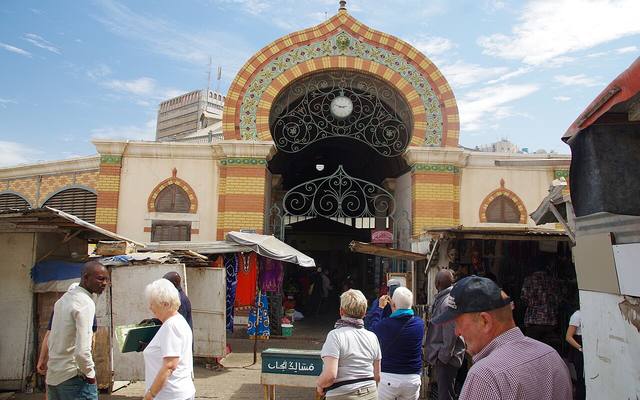 Kermel MarketMarkets, neighborhoods and traditions · 45 min
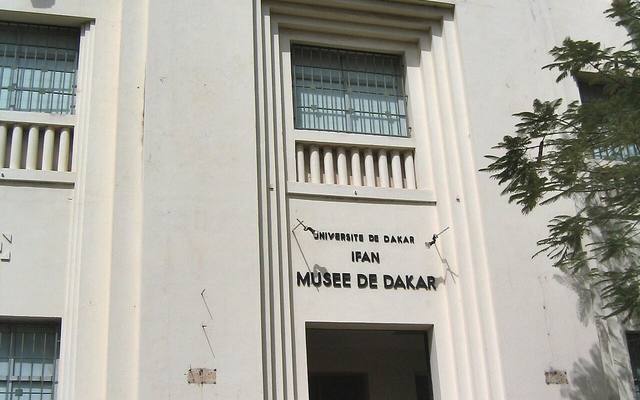 Théodore Monod Museum of African ArtMuseums and arts · 1 h 15
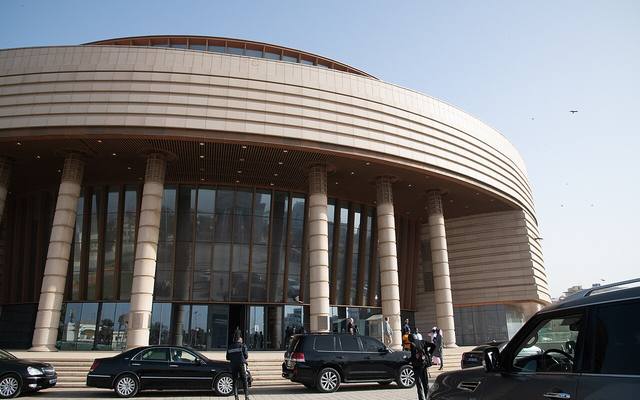 Museum of Black CivilizationsMuseums and arts · 1 h 30
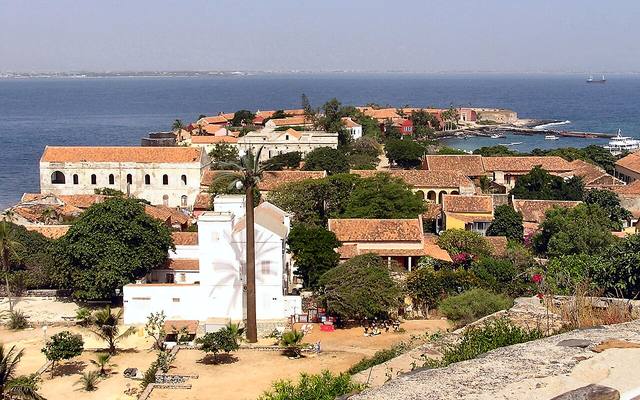 Gorée Island, the Crossing and the AlleysMarkets, neighborhoods and traditions · about 3 h
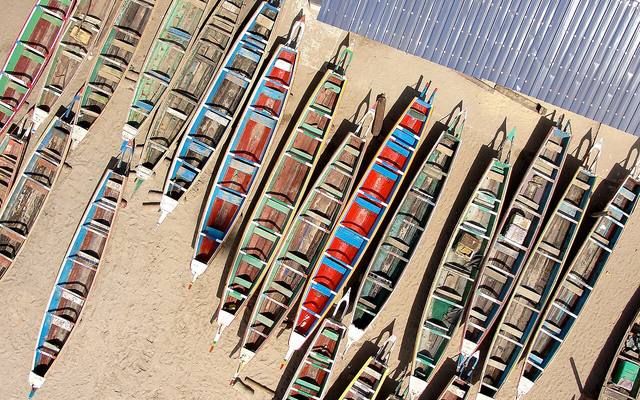 Soumbédioune, Pirogues and Craft VillageMarkets, neighborhoods and traditions · 1 h 15
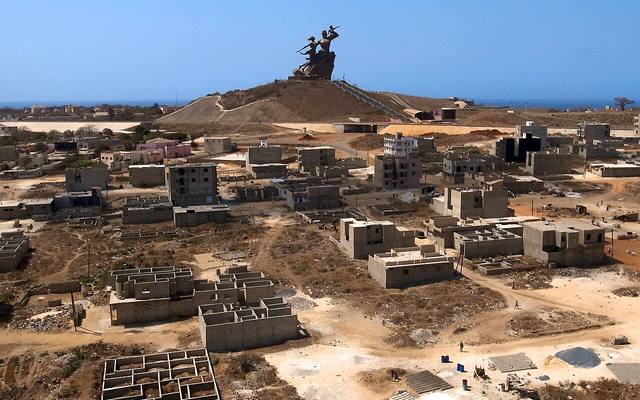 African Renaissance MonumentMonuments and history · 1 h 15
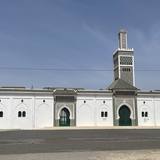
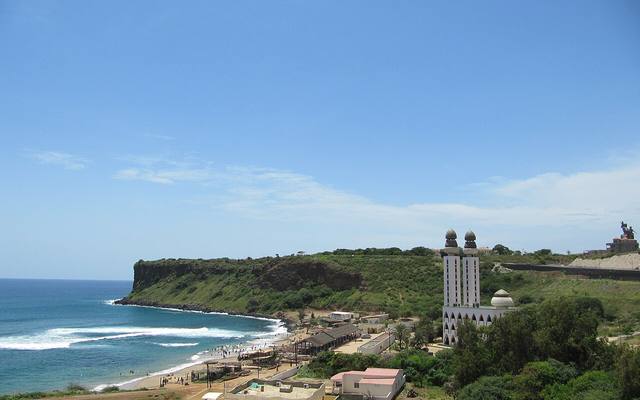 Mosque of the DivinityMosques and churches · 45 min
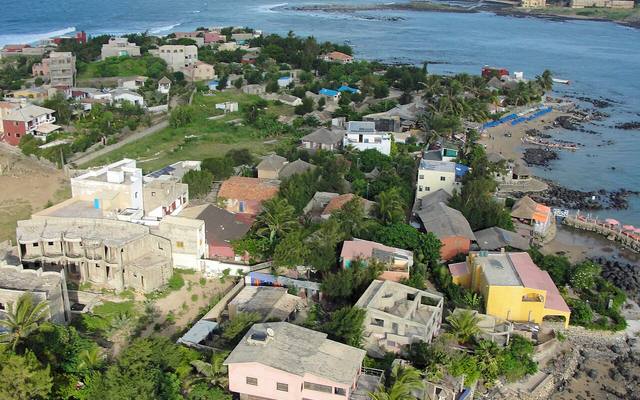 Ngor IslandIslands, beaches and parks · about 3 h
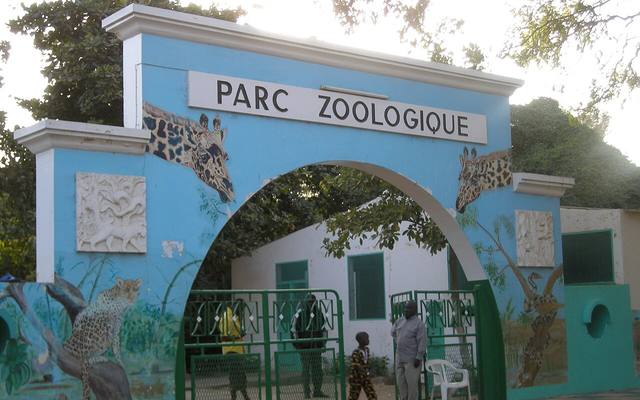 Hann Forest and Zoological ParkIslands, beaches and parks · 2 h 30
All places
Monuments and history
 Presidential PalaceMonuments and history · 20 min
 Dakar Station and the Demba and Dupont StatueMonuments and history · 30 min
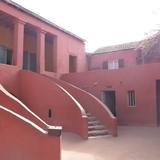 House of SlavesMonuments and history · 45 min
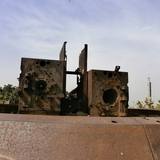 The Castel of GoréeMonuments and history · 45 min
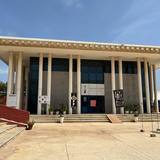 African Remembrance SquareMonuments and history · about 1 h
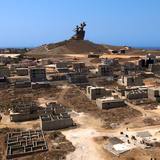 African Renaissance MonumentMonuments and history · 1 h 15Must-see
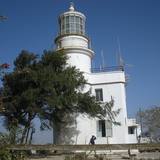 Mamelles LighthouseMonuments and history · about 1 h
Museums and arts
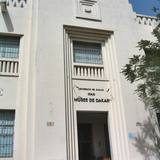 Théodore Monod Museum of African ArtMuseums and arts · 1 h 15Must-see
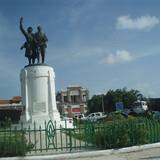 Museum of the Armed ForcesMuseums and arts · 45 min
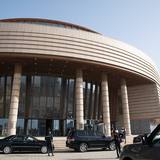 Museum of Black CivilizationsMuseums and arts · 1 h 30Must-see
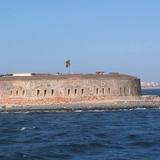 Fort d'Estrées, Historical Museum of SenegalMuseums and arts · about 1 h
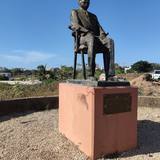 Léopold Sédar Senghor MuseumMuseums and arts · about 1 h
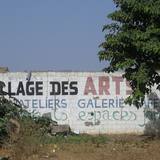 Village des ArtsMuseums and arts · about 1 h
Mosques and churches
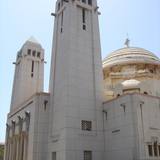
Islands, beaches and parks
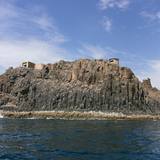 Cap Manuel and Anse BernardIslands, beaches and parks · about 1 h
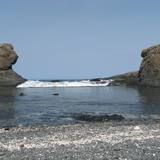 Madeleine Islands National ParkIslands, beaches and parks · 30 min
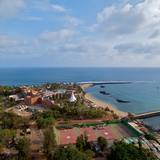 Almadies PointIslands, beaches and parks · 45 min
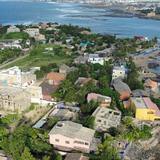 Ngor IslandIslands, beaches and parks · about 3 hMust-see
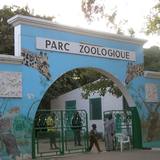 Hann Forest and Zoological ParkIslands, beaches and parks · 2 h 30Must-see
Markets, neighborhoods and traditions
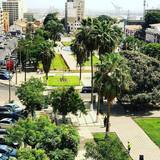 Independence SquareMarkets, neighborhoods and traditions · 45 minMust-see
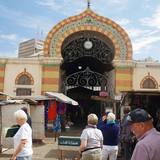 Kermel MarketMarkets, neighborhoods and traditions · 45 minMust-see
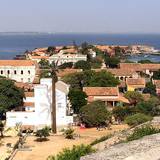 Gorée Island, the Crossing and the AlleysMarkets, neighborhoods and traditions · about 3 hMust-see
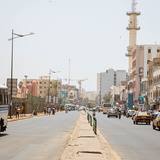 The Medina and Tilène MarketMarkets, neighborhoods and traditions · about 1 h
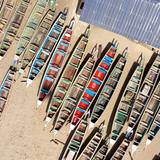 Soumbédioune, Pirogues and Craft VillageMarkets, neighborhoods and traditions · 1 h 15Must-see
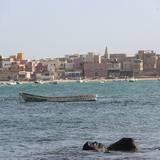 Ngor Village and BeachMarkets, neighborhoods and traditions · about 1 h
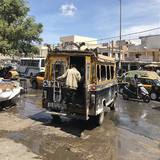 HLM Market, Kingdom of FabricMarkets, neighborhoods and traditions · about 1 h
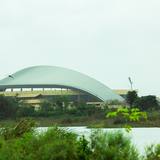 National Arena and Senegalese WrestlingMarkets, neighborhoods and traditions · about 3 h
Day trips

The full stories, the audio, the offline map and the challenges for kids.