 Peekwick
Mumba Devi Temple and the Kalbadevi Bazaars
Mumbai · CSMT Station, Crawford and the bazaars · Temples, mosques and churches · 1 h 15
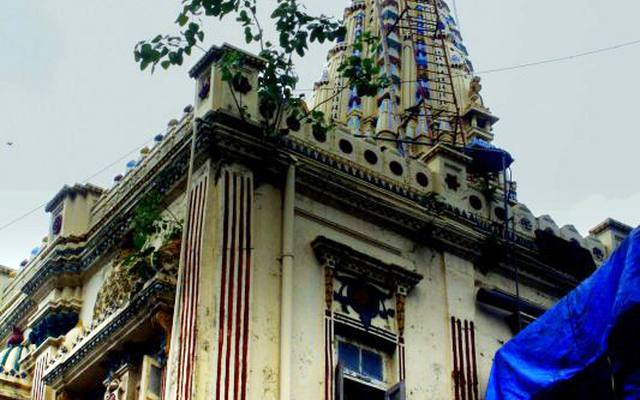
A Goddess for the Fishermen
Before the Portuguese and before the British, the islands in the south of Mumbai were inhabited by the Kolis, fishing people, and by the Agris, who harvested salt. They honored a protective goddess, Mumbadevi, whom they saw as a form of Shakti, the great goddess of strength. Her name gave the city its own. According to worshippers, Mumba comes from Maha Amba, the great mother. Others explain it as Mumba and aai, the Marathi word for mother. The name Bombay is the form that the Portuguese, then the English, gave to this same name. The explanation by Bom Bahia, the good bay, is very widespread, but historians fault it for having no basis. The official name became Mumbai in 1995, after the goddess's name. The Kolis still live in the city.
In the app, this story goes on for 6 parts, to read or listen to, with one voice for grown-ups and another for kids.
A Demon on His Knees
They say that a very long time ago, a demon named Mumbaraka frightened the people of the islands. So Brahma, the god who created the world according to Hindus, sent a goddess with eight arms, Mumbadevi. She defeated the demon. Mumbaraka fell to his knees. He asked her for one thing: to carry his name. The goddess agreed, and he was allowed to build her a temple. It is a legend: nobody can prove it is true, but worshippers like to tell it.
In the app, this story goes on for 6 parts, to read or listen to, with one voice for grown-ups and another for kids.

The full stories, the audio, the offline map and the challenges for kids.