 Peekwick
Beijing
China
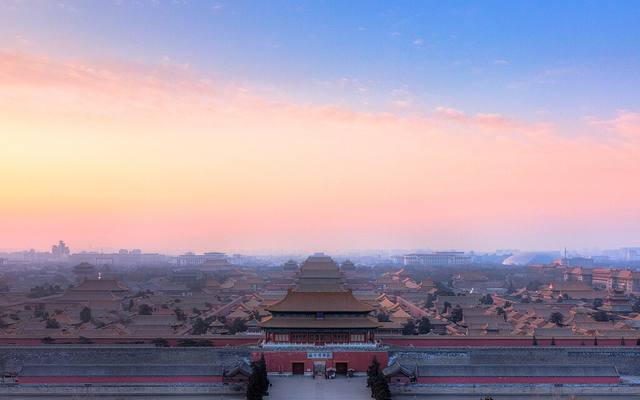
The Capital of the North
In the thirteenth century, Kublai Khan, the grandson of Genghis Khan, conquered China and built his capital on the site of today's Beijing. The Venetian traveler Marco Polo described it with wonder. In the early fifteenth century, the Yongle Emperor of the Ming dynasty moved the capital here for good and gave it its name, Beijing, which means the capital of the north. He had the Forbidden City and the Temple of Heaven built.
The City of Emperors
For five centuries, twenty-four Ming and then Qing emperors ruled China from the Forbidden City, where nobody could enter without permission. The Qing built magnificent gardens around the city, including the Summer Palace. In 1860, during the Second Opium War, French and British troops looted and burned the Old Summer Palace. Its ruins can still be visited today.
Beijing Today
On October 1, 1949, Mao Zedong proclaimed the People's Republic of China from Tiananmen Gate, where his portrait still hangs. Since then, the city has transformed at a dizzying speed. It has more than twenty million inhabitants and a huge subway network. In 2008 and again in 2022, it became the only city ever to host both the Summer and the Winter Olympic Games.
How to Read the City
Beijing is laid out like a great checkerboard around a north to south axis. That axis runs through the Forbidden City, Tiananmen Square and the Qianmen Gate. Ring roads circle the city in successive loops. North of the Forbidden City, the hutongs, old alleys lined with courtyard houses, keep the atmosphere of the old town. The Great Wall winds across the mountains, an hour and a half by road to the north.
The City with Red Walls
Can a whole city stay hidden? This one did, behind tall red walls and a moat full of water, with hundreds of palaces with golden roofs. For five hundred years, nobody could go in without the emperor's permission. It was called the Forbidden City. The legend says it has nine thousand nine hundred and ninety-nine and a half rooms, one fewer than the heavenly palace of the gods. Today, you can walk right in!
The Stone Dragon
Did you know? The Great Wall is not a single wall. It is a collection of walls built over more than two thousand years to protect China from peoples of the north. Put end to end, they would measure more than twenty thousand kilometers, which is half the way around the Earth. Despite a popular belief, you cannot see it from the Moon with the naked eye.
The Roof Animals Challenge
In the Forbidden City, look at the corners of the roofs. A line of little animal statues sits there. There is a dragon, a phoenix, a lion, a flying horse and other creatures, led by a man riding a bird. The more important a building was, the more animals it had. Count them on several roofs, and find the one with the most. It was the throne hall.
The quiz
Which color was only the emperor allowed to use for the roofs of his palaces? Answer: yellow! It was the imperial color. That is why the roofs of the Forbidden City are covered with golden yellow tiles. Ordinary people in Beijing had gray roofs.
Don't miss
Forbidden CityPalaces and monuments · about 4 h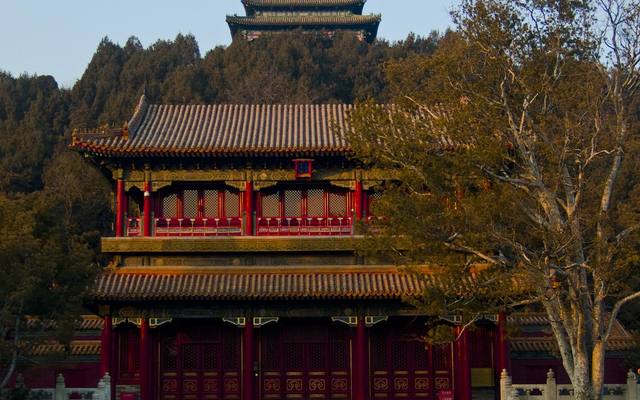 Jingshan ParkParks and gardens · 1 h 15
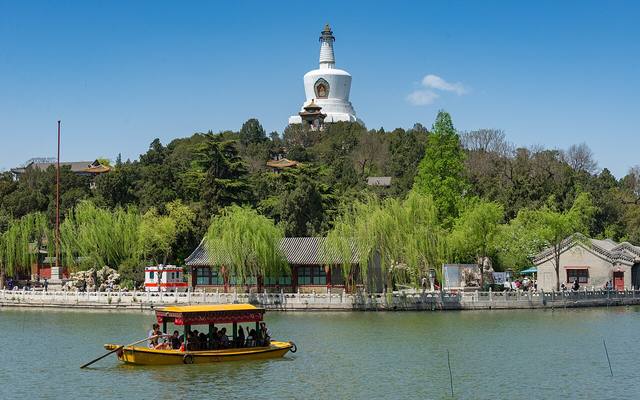 Beihai ParkParks and gardens · about 2 h
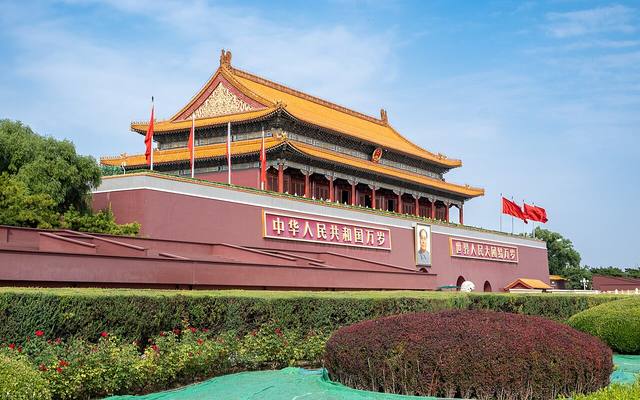 Tiananmen Square and the Gate of Heavenly PeacePalaces and monuments · 1 h 30
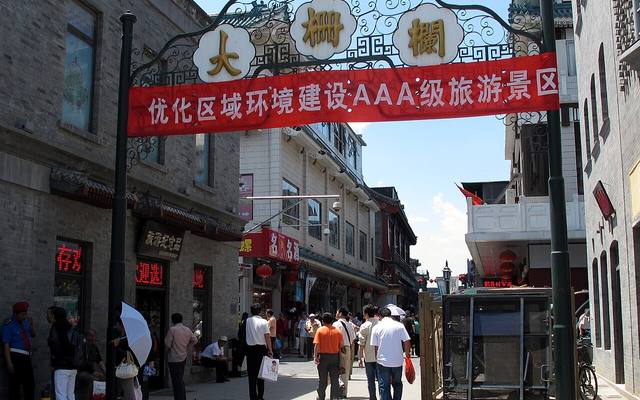 Qianmen Street and the Dashilan HutongsNeighborhoods and streets · about 2 h
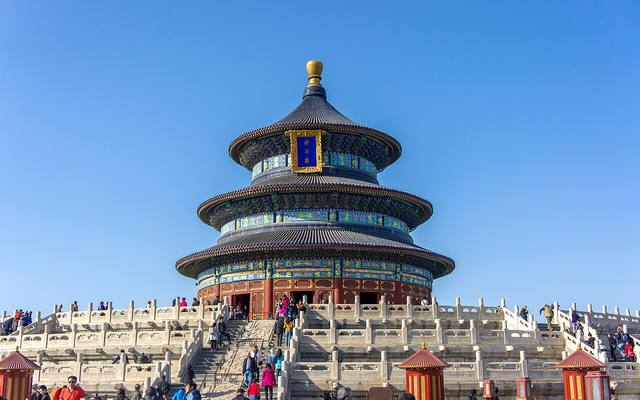 Temple of HeavenTemples · about 3 h
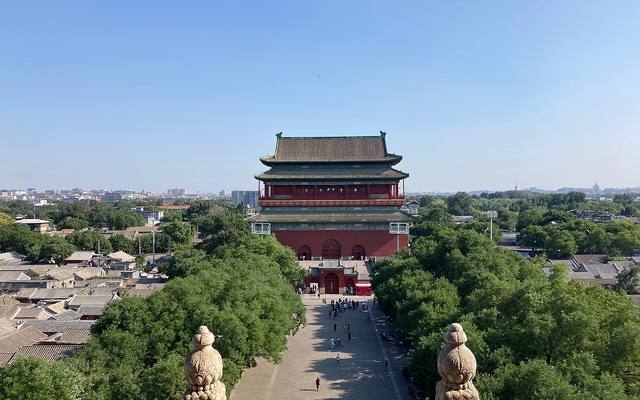 Drum and Bell TowersPalaces and monuments · about 1 h
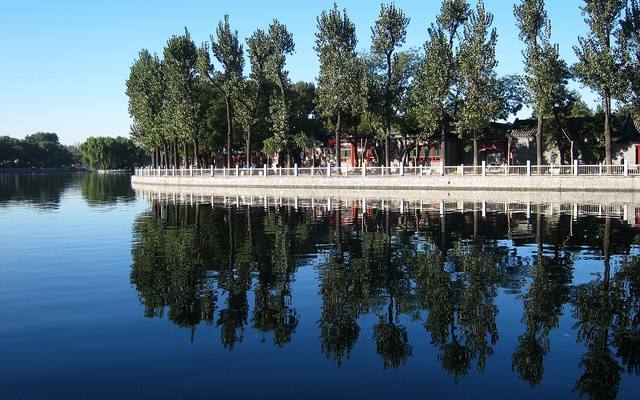 Shichahai LakesNeighborhoods and streets · 1 h 30
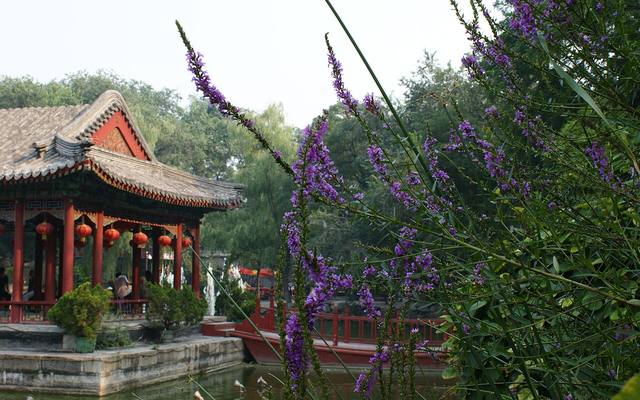 Prince Gong's MansionPalaces and monuments · 1 h 30
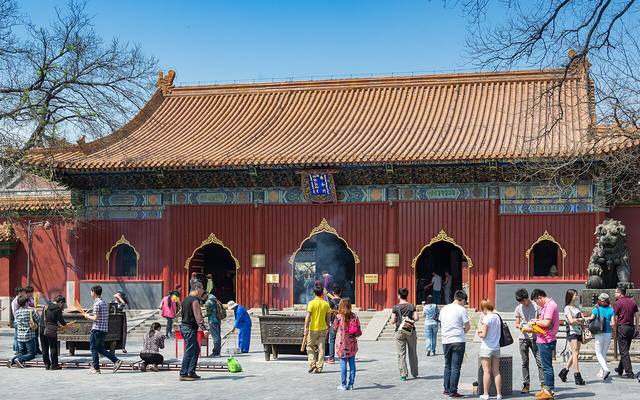 Lama Temple, YonghegongTemples · 1 h 30
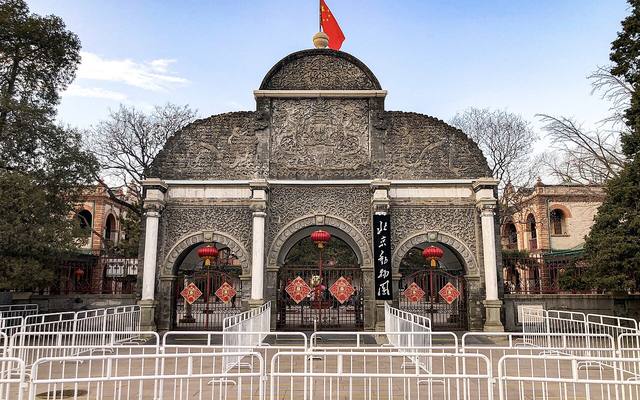 Beijing Zoo and Its PandasParks and gardens · about 4 h
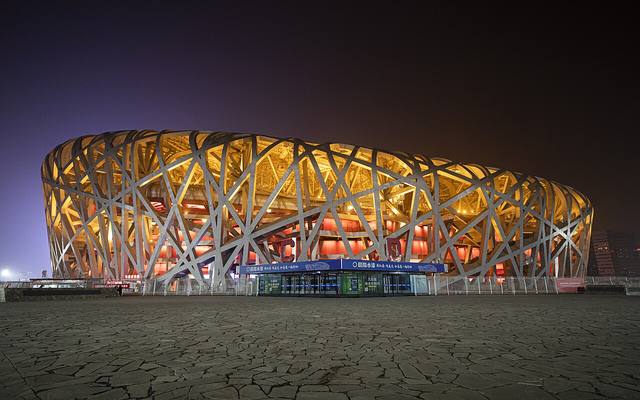 Bird's Nest, National StadiumPalaces and monuments · about 1 h
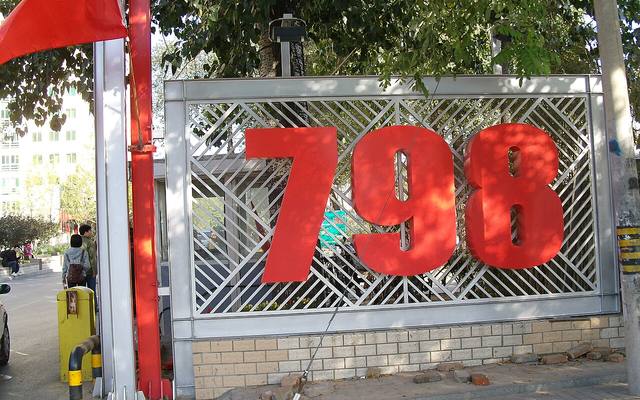 798 Art DistrictNeighborhoods and streets · about 3 h
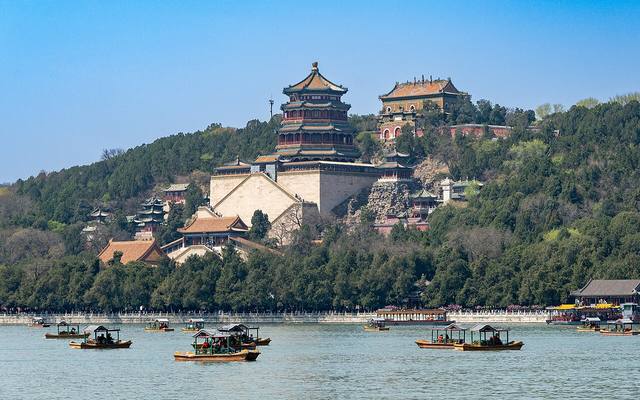 Summer PalacePalaces and monuments · about 4 h
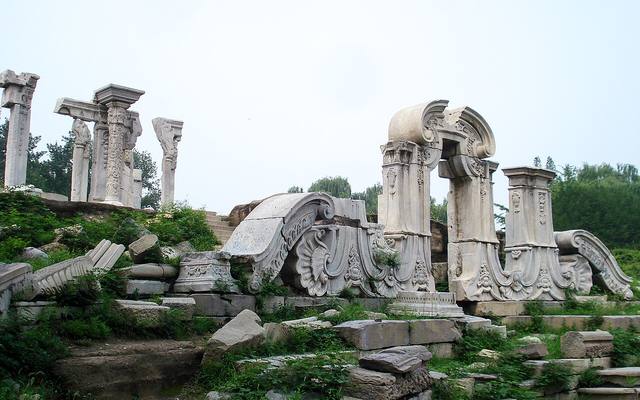 Old Summer Palace, YuanmingyuanParks and gardens · 2 h 30
All places
Palaces and monuments
 Forbidden CityPalaces and monuments · about 4 hMust-see
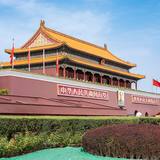 Tiananmen Square and the Gate of Heavenly PeacePalaces and monuments · 1 h 30Must-see
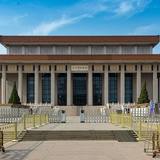 Mao MausoleumPalaces and monuments · 45 min
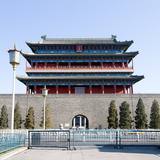 Zhengyangmen Gate, QianmenPalaces and monuments · 45 min
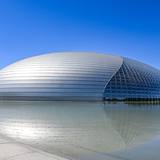 National Grand Theater, the EggPalaces and monuments · about 1 h
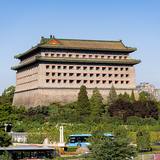 Ming City Wall Ruins ParkPalaces and monuments · about 1 h
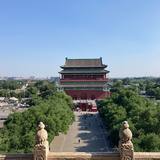 Drum and Bell TowersPalaces and monuments · about 1 hMust-see
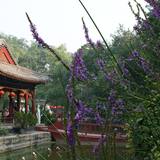 Prince Gong's MansionPalaces and monuments · 1 h 30Must-see
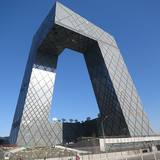 CCTV Tower and the Business DistrictPalaces and monuments · about 1 h
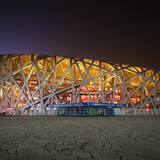 Bird's Nest, National StadiumPalaces and monuments · about 1 hMust-see
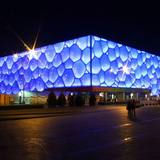 Water Cube, National Aquatics CenterPalaces and monuments · about 1 h
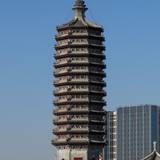 Grand Canal and Pagoda of TongzhouPalaces and monuments · about 2 h
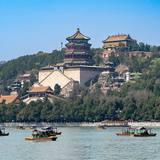 Summer PalacePalaces and monuments · about 4 hMust-see
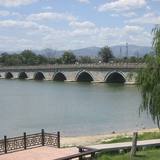 Marco Polo Bridge, LugouqiaoPalaces and monuments · 45 min
Temples
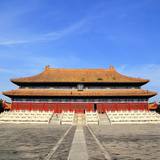 Imperial Ancestral Temple, TaimiaoTemples · about 1 h
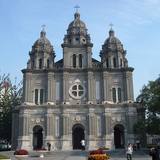 St. Joseph's Church, DongtangTemples · 30 min
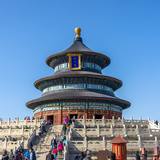 Temple of HeavenTemples · about 3 hMust-see
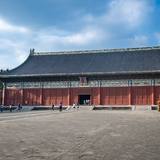 Temple of Agriculture, XiannongtanTemples · about 1 h
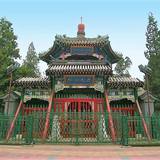 Ox Street Mosque, NiujieTemples · 45 min
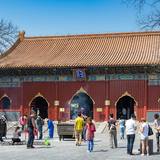 Lama Temple, YonghegongTemples · 1 h 30Must-see
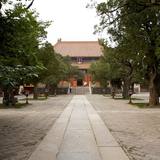 Confucius Temple and GuozijianTemples · 1 h 15
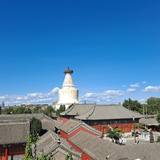 White Pagoda Temple, BaitaTemples · about 1 h
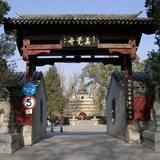 Five Pagoda Temple, WutaTemples · about 1 h
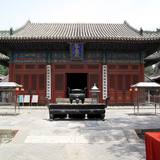 Dongyue TempleTemples · 1 h 30
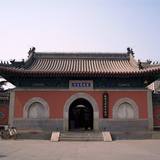 Great Bell TempleTemples · 1 h 15
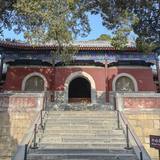 Temple of Azure Clouds, BiyunsiTemples · 1 h 15
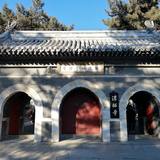 Tanzhe TempleTemples · 2 h 30
Museums
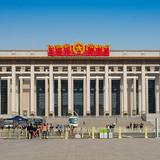 National Museum of ChinaMuseums · about 3 h
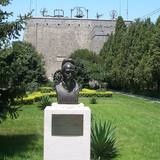 Ancient ObservatoryMuseums · about 1 h
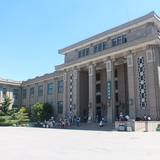 Beijing Natural History MuseumMuseums · about 2 h
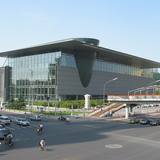 Capital MuseumMuseums · about 2 h
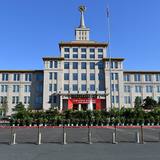 Military Museum of the Chinese People's RevolutionMuseums · 2 h 30
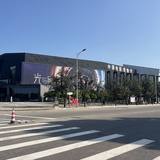 China Film MuseumMuseums · 2 h 30
 China Science and Technology MuseumMuseums · about 3 h
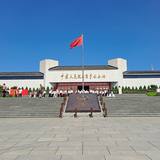 Museum of the War of Chinese People's Resistance Against Japanese AggressionMuseums · about 2 h
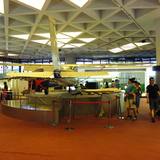 China Aviation MuseumMuseums · about 2 h
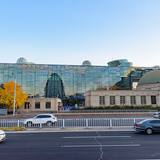 Beijing PlanetariumMuseums · about 2 h
Parks and gardens
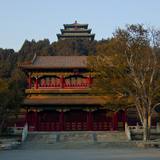 Jingshan ParkParks and gardens · 1 h 15Must-see
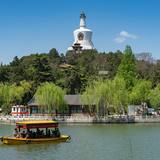 Beihai ParkParks and gardens · about 2 hMust-see
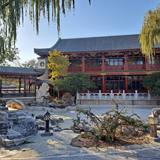 Zhongshan Park and the Altar of Land and GrainParks and gardens · about 1 h
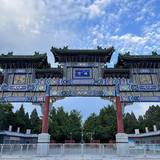 Ditan Park, the Temple of EarthParks and gardens · 1 h 15
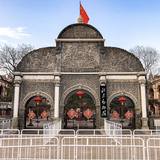 Beijing Zoo and Its PandasParks and gardens · about 4 hMust-see
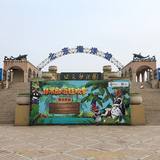 Beijing AquariumParks and gardens · 2 h 30
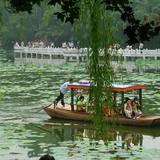 Purple Bamboo ParkParks and gardens · 1 h 30
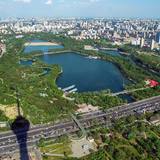 Yuyuantan ParkParks and gardens · 1 h 30
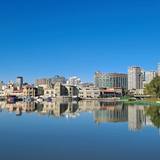 Chaoyang ParkParks and gardens · about 2 h
 Ritan Park, the Temple of the SunParks and gardens · about 1 h
 Olympic Forest ParkParks and gardens · about 2 h
 Ethnic Minorities Culture ParkParks and gardens · 2 h 30
 Happy Valley Amusement ParkParks and gardens · about 5 h
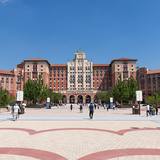 Universal Beijing ResortParks and gardens · about 8 h
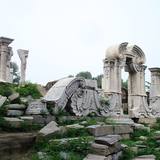 Old Summer Palace, YuanmingyuanParks and gardens · 2 h 30Must-see
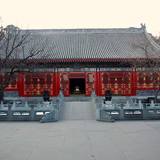 Fragrant Hills Park, XiangshanParks and gardens · about 3 h
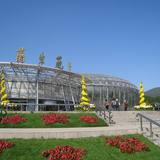 Beijing Botanical GardenParks and gardens · 2 h 30
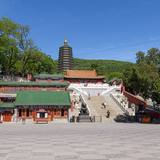 Badachu Park, the Eight Great SitesParks and gardens · about 3 h
Neighborhoods and streets
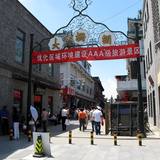 Qianmen Street and the Dashilan HutongsNeighborhoods and streets · about 2 hMust-see
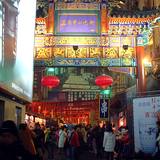 Wangfujing Street and the Snack MarketNeighborhoods and streets · 1 h 30
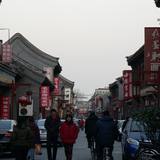 Liulichang StreetNeighborhoods and streets · about 1 h
 Hongqiao Pearl MarketNeighborhoods and streets · about 1 h
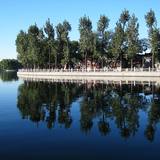 Shichahai LakesNeighborhoods and streets · 1 h 30Must-see
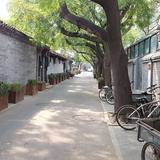 Nanluoguxiang AlleyNeighborhoods and streets · about 1 h
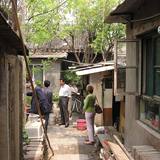 Tricycle Ride Through the HutongsNeighborhoods and streets · 1 h 30
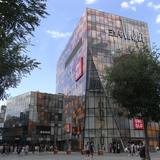 Sanlitun DistrictNeighborhoods and streets · about 2 h
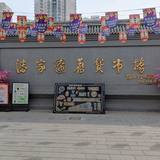 Panjiayuan Flea MarketNeighborhoods and streets · 2 h 30
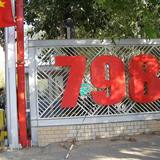 798 Art DistrictNeighborhoods and streets · about 3 hMust-see
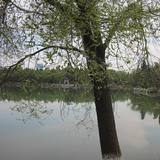 Peking University CampusNeighborhoods and streets · 1 h 30
Day trips
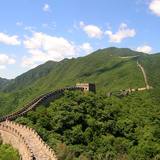 Great Wall at MutianyuThe Great Wall · about 4 hMust-see
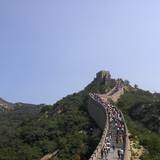 Great Wall at BadalingThe Great Wall · 3 h 30Must-see
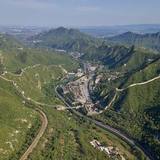 Juyongguan PassThe Great Wall · about 2 h
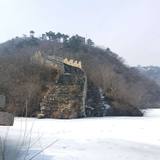 Great Wall at HuanghuachengThe Great Wall · about 3 h
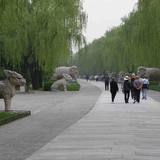 Ming Tombs and the Sacred WayPalaces and monuments · about 4 hMust-see
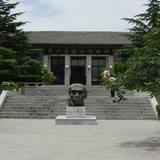 Peking Man Site at ZhoukoudianMuseums · about 3 h
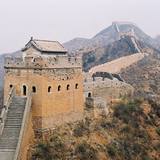 Great Wall at JinshanlingThe Great Wall · about 5 h
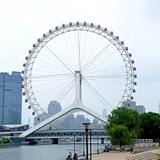 Tianjin, the City on the Haihe RiverNeighborhoods and streets · about 5 h

The full stories, the audio, the offline map and the challenges for kids.