 Peekwick
Porto
Portugal
A Roman port that became Portugal
Porto was born on the north bank of the Douro, where the Romans set up a port called Portus Cale. The name of all of Portugal comes from it. In the fourteenth century, the city surrounded itself with walls. Prince Henry, known as the Navigator, was probably born here in 1394. In 1415, King John I's fleet set out to conquer Ceuta, in Morocco, with Prince Henry aboard, and Porto had supplied it. According to legend, the locals kept only the tripe for themselves, which is how they got their nickname, the tripeiros, or tripe eaters.
The river and the wine
The Douro made Porto rich. Wine from the upper valley floated down the river by boat, then aged in the cellars of Vila Nova de Gaia, on the opposite bank. In 1756, the future Marquis of Pombal, the king's minister, founded a company to protect this wine and mark out its region. The Dom Luís I Bridge opened in 1886, at first with only its upper deck. Today its two iron decks link the two banks. Before it, people crossed by rowboat, then on a bridge of boats, then on a suspension bridge.
A city of trade
Porto was built on trade, the sea and industry, much more than on the royal court. In the nineteenth century, it withstood a long siege, from 1832 to 1833, during the war between liberals and absolutists. Today it has about two hundred thirty thousand inhabitants, and more than one and a half million with the neighboring towns. Its historic center has been a UNESCO World Heritage Site since 1996.
How to read Porto
To understand Porto, remember three words: work, river and wine. The city drops in steps down to the Douro, with its granite alleys, golden churches and façades covered in azulejos, painted ceramic tiles. You discover it on foot, going up and down, with the river as your landmark. Across the water, Gaia tells the other half of the story: the story of wine.
A city that slopes down to the river
Look up, then look down: in Porto, everything is on a slope! The city clings to a hill, and below flows the Douro, a big river that comes from Spain. You will climb stairs, go down alleys and cross iron bridges. Pack good shoes, because the streets are paved with granite, a very hard gray stone. In the evening, the lights of both banks shimmer in the water.
The legend of the tripe eaters
They say that in 1415, King John I and his son, Prince Henry, prepared a huge fleet to sail to Morocco. The people of Porto gave him all their meat. For themselves, only the tripe was left, pieces of a cow's stomach. Ever since, people from Porto have been nicknamed the tripeiros. It is only a legend, but everyone here knows it, and it is still told today.
Challenge for your stay
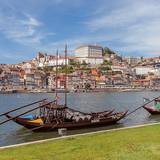
Azulejos are painted ceramic tiles, often blue and white. In Porto, they cover churches, train stations and even houses. During your stay, count the azulejo façades you find, and choose your favorite. Also look for a rabelo boat on the Douro, an old flat-bottomed boat that carried the wine barrels. How many façades did you count by the end?
The quiz
Where does the name of Portugal come from? Answer: from Porto! The Romans built a port here called Portus Cale. Over time, the name of this port became the name of the whole region, then of the entire country.
Don't miss
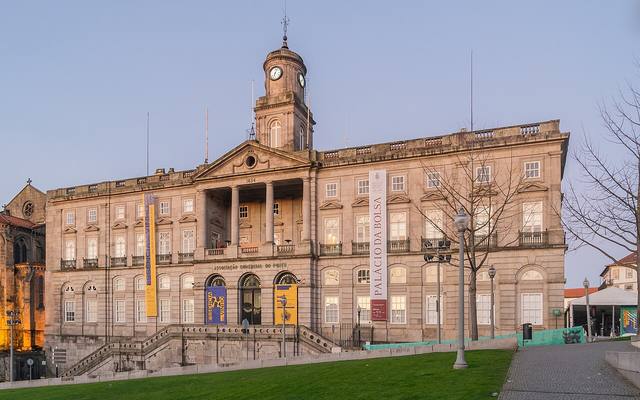
Stock Exchange Palace, Palácio da BolsaMonuments · about 1 h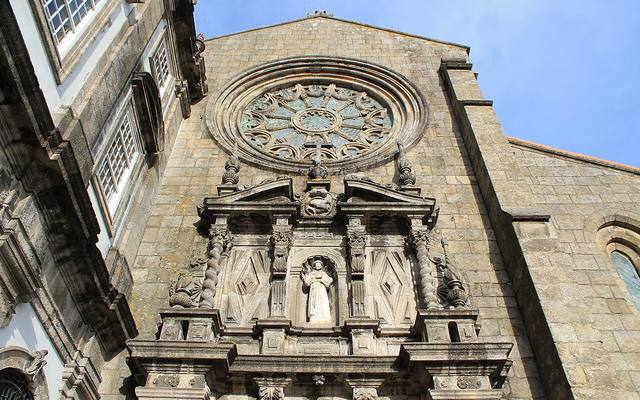 São Francisco ChurchChurches · 45 min
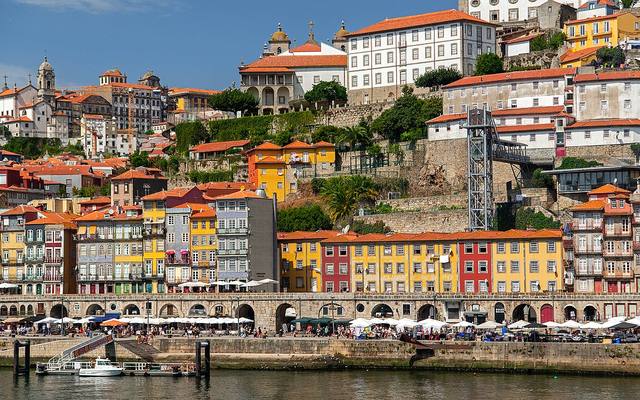 The Ribeira and its quaysSquares, quays and markets · 1 h 30
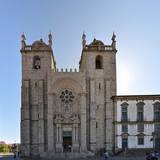
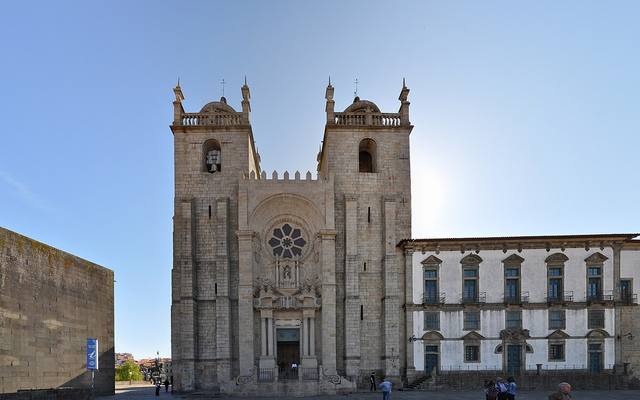 Porto Cathedral, Sé do PortoChurches · about 1 h
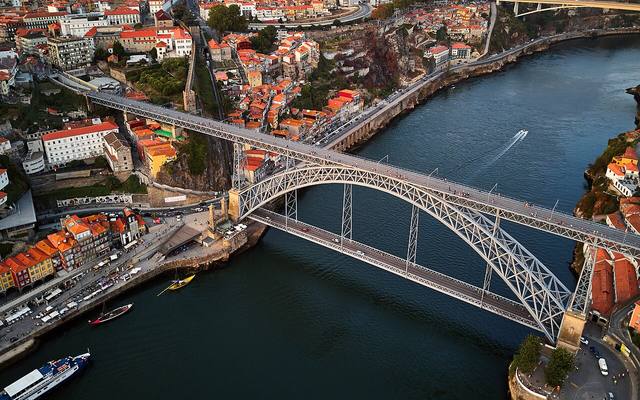 Dom Luís I BridgeMonuments · 45 min
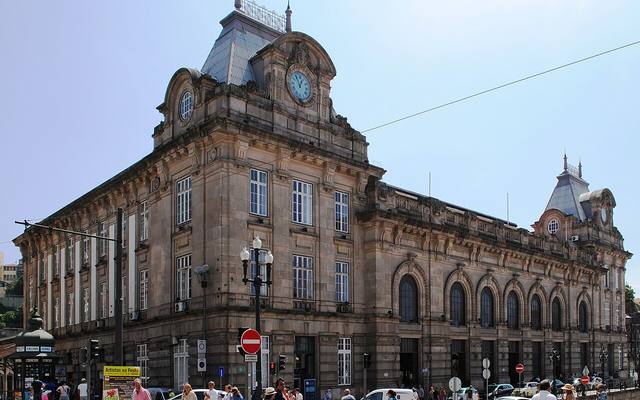 São Bento StationMonuments · 25 min
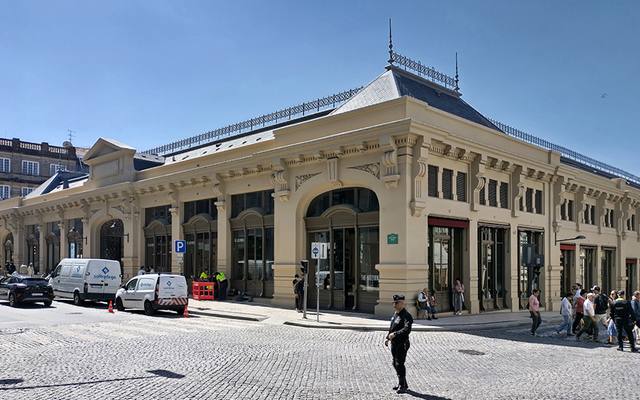 Bolhão MarketSquares, quays and markets · about 1 h
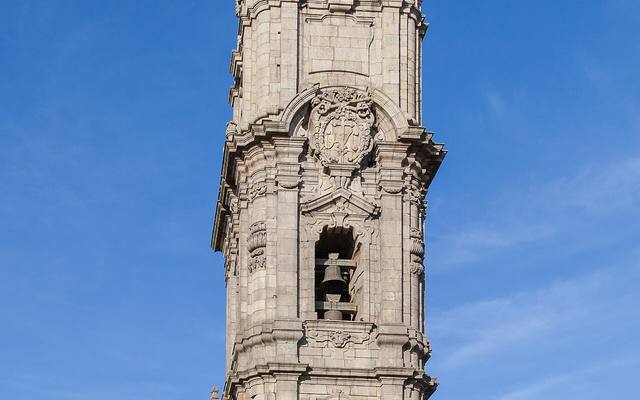 Clérigos TowerMonuments · 50 min
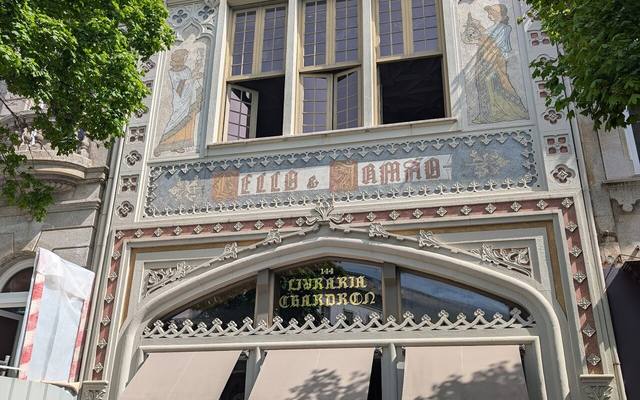 Livraria LelloMonuments · 45 min
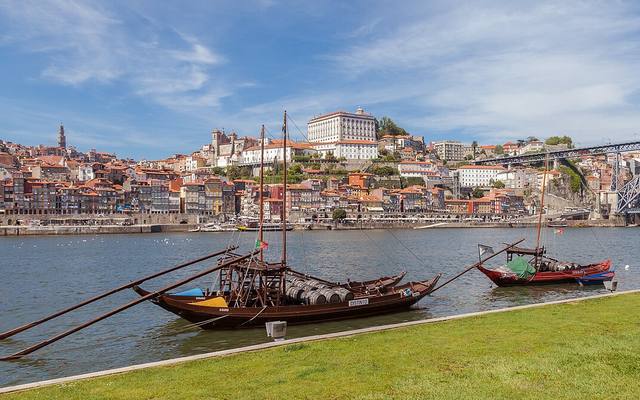 The Port Wine Cellars in GaiaOutings and cellars · 1 h 15
All places
Monuments
 Stock Exchange Palace, Palácio da BolsaMonuments · about 1 hMust-see
 Casa do InfanteMonuments · 40 min
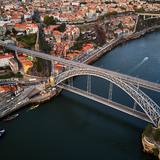 Dom Luís I BridgeMonuments · 45 minMust-see
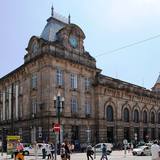 São Bento StationMonuments · 25 minMust-see
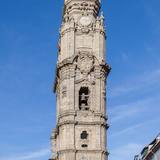 Clérigos TowerMonuments · 50 minMust-see
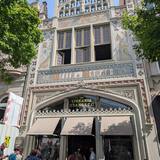 Livraria LelloMonuments · 45 minMust-see
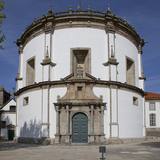 Serra do Pilar MonasteryMonuments · 50 min
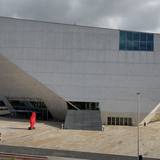 Casa da MúsicaMonuments · about 1 h
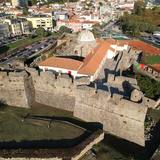 Fort of São João da FozMonuments · 40 min
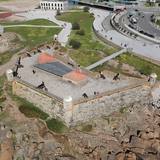 Cheese Castle, Castelo do QueijoMonuments · 30 min
Museums and science
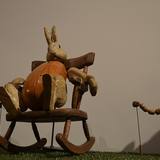 Puppet Museum, Museu das Marionetas do PortoMuseums and science · 45 min
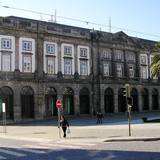 University Museum of Natural History and ScienceMuseums and science · 45 min
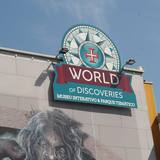 World of DiscoveriesMuseums and science · 1 h 15
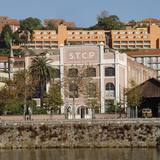 Porto Tram Museum, Museu do Carro EléctricoMuseums and science · about 1 h
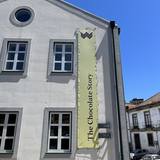 WOW World of WineMuseums and science · about 2 h
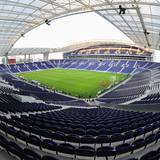 Dragão Stadium and the FC Porto MuseumMuseums and science · about 2 h
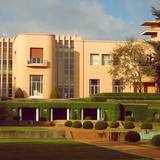 Serralves Foundation: Park, Villa, and MuseumMuseums and science · about 3 h
Churches
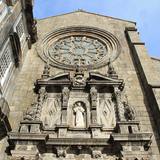
Squares, quays and markets
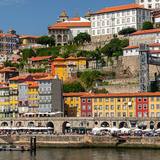 The Ribeira and its quaysSquares, quays and markets · 1 h 30Must-see
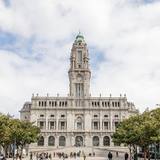 Avenida dos Aliados and Praça da LiberdadeSquares, quays and markets · 40 min
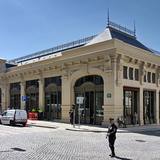 Bolhão MarketSquares, quays and markets · about 1 hMust-see
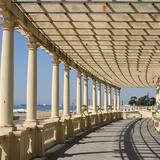 Foz do DouroSquares, quays and markets · 1 h 15
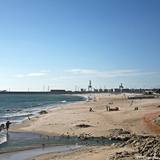 Matosinhos: Beach and Fish MarketSquares, quays and markets · 1 h 30
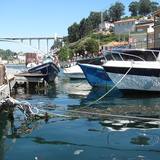 Afurada, a Fishing VillageSquares, quays and markets · 1 h 30
Parks and gardens
Outings and cellars

The full stories, the audio, the offline map and the challenges for kids.