 Peekwick
Pátio do Colégio, Where the City Was Born
São Paulo · Historic Center: Sé, São Bento, and the Mercadão · Monuments and history · about 1 h
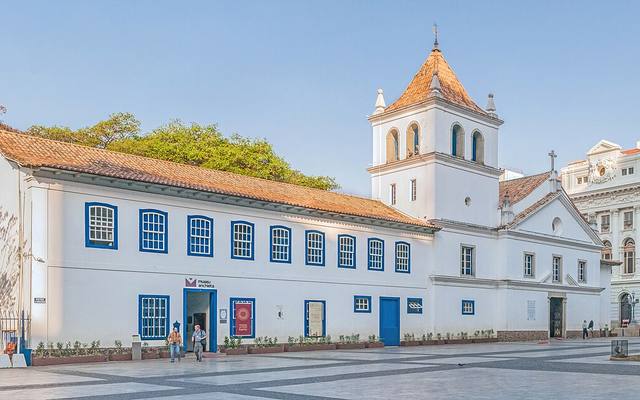
A Hut on a Hill
On January 25, 1554, a handful of Jesuits say Mass in front of a hut covered with palm leaves. It stands on a flat hill between two rivers, the Tamanduateí and the Anhangabaú. On that day, in the Christian tradition, people celebrate the conversion of the apostle Paul. That is why the city is called São Paulo. The priests have come from the coast, from São Vicente, and have climbed the Serra do Mar. There are thirteen of them, including Manuel da Nóbrega, head of the Jesuits in Brazil, and a nineteen-year-old novice, José de Anchieta, born in the Canary Islands. According to the State Legislative Assembly, the Mass is said by Father Manuel de Paiva. The hut measures about ninety square meters. Anchieta describes it this way: ten paces by fourteen. It serves as chapel, school, and living quarters all at once. The plateau is called Piratininga, a Tupi word that roughly means "dried fish." After the Tietê River flooded, Anchieta tells us, thousands of fish lay drying on its banks.
In the app, this story goes on for 6 parts, to read or listen to, with one voice for grown-ups and another for kids.
Mass Under the Leaves
It is January 25, 1554. On a flat hill between two rivers, men in black robes huddle in front of a hut made of branches and palm leaves. There is no bell, no stained glass, no stone house. A priest says Mass, and on that day, without knowing it, he gives a city its birthday. It is called São Paulo because on this January 25, Christians celebrate Saint Paul.
In the app, this story goes on for 7 parts, to read or listen to, with one voice for grown-ups and another for kids.

The full stories, the audio, the offline map and the challenges for kids.