 Peekwick
Deoksugung Palace
Seoul · Cheonggyecheon, Myeongdong, and Namdaemun · Palaces, Temples, and History · 1 h 15
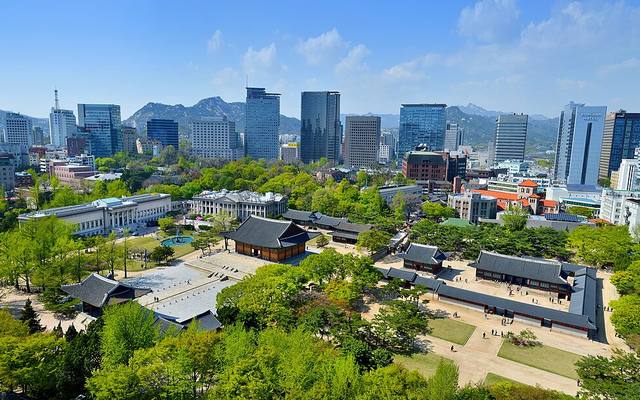
From a Prince's House to a Palace
The Deoksugung site first held the residence of Prince Wolsan, older brother of King Seongjong. During the Japanese invasions from 1592 to 1598, the capital's palaces were destroyed or abandoned. When King Seonjo returned to Seoul in 1593, he moved into houses in this neighborhood, which then served as a temporary palace. He died there. In 1611, King Gwanghaegun turned the place into a real palace and named it Gyeongungung. In 1623, King Injo returned most of the buildings to their former owners, and the palace kept only a modest role.
In the app, this story goes on for 7 parts, to read or listen to, with one voice for grown-ups and another for kids.
A King Who Became Emperor
His name was Gojong, and he was the king of Korea. In 1897, he decided to proclaim himself emperor. According to historians, he wanted to show that his country was free and independent. For his palace, he chose a spot in the very center of Seoul, right next to City Hall Plaza. This palace is called Deoksugung, and it is one of the easiest to visit for a family, because it is in the middle of the city.
In the app, this story goes on for 7 parts, to read or listen to, with one voice for grown-ups and another for kids.

The full stories, the audio, the offline map and the challenges for kids.