 Peekwick
Sungnyemun Gate, or Namdaemun
Seoul · Cheonggyecheon, Myeongdong, and Namdaemun · Palaces, Temples, and History · 30 min
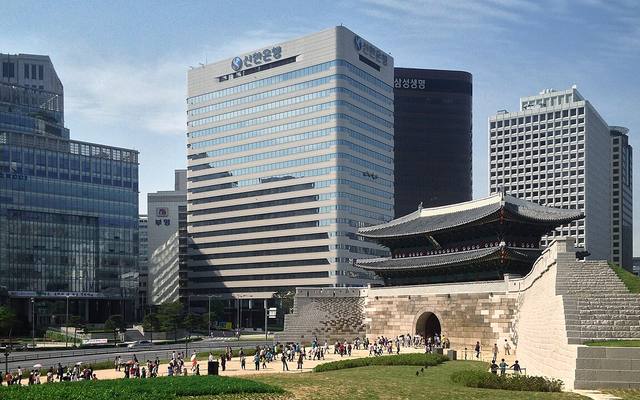
A Gate for the Capital
In 1392, General Yi Seong-gye became King Taejo and founded the Joseon dynasty. Korean names put the family name first, which is why he is Yi Seong-gye. In 1394, he chose Hanyang, the future Seoul, as his capital, with the help of advisers in pungsu, the Korean version of feng shui. A city wall was to surround the town. Work began in 1395. Four big gates and four small ones opened through this wall. Sungnyemun is the great south gate, and it is also called Namdaemun. Nam means south, dae means great, and mun means gate. Its first construction was completed in 1398. Under King Sejong it was rebuilt in 1447, and the work ended in 1448. So Seoul has kept a fifteenth-century building, with repairs, for more than five hundred years. In those days, the city gates opened and closed to the sound of the great Bosingak bell, at dawn and at the start of the night.
In the app, this story goes on for 6 parts, to read or listen to, with one voice for grown-ups and another for kids.
A Name Written Straight Up and Down
Do you know why this gate's name is written in a column, from top to bottom, when signs are usually read from left to right? Look up at the big wooden board above the arch. Here is what tradition says. South of the city stands Mount Gwanaksan. The people of old thought it sent fiery energy toward the palaces of Seoul. To guard against that fire, the name of the gate was supposedly set in a column. It is an explanation passed down from generation to generation, not a proof. It is also the only one of the eight gates with its name written this way. But remember this story about fire, because it comes back later in this tale.
In the app, this story goes on for 7 parts, to read or listen to, with one voice for grown-ups and another for kids.

The full stories, the audio, the offline map and the challenges for kids.