 Peekwick
Gyeongbokgung Palace
Seoul · Gyeongbokgung, Gwanghwamun, and Seochon · Palaces, Temples, and History · about 2 h
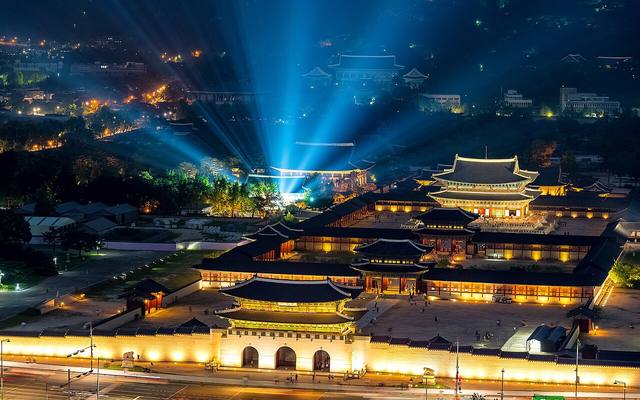
A Palace for a Dynasty
In 1392, General Yi Seong-gye became king under the name Taejo and founded the Joseon dynasty. In Korea, the family name comes before the given name, and kings have a temple name, like Taejo. He needed a capital. In 1394, he chose Hanyang, the future Seoul, with the help of advisers in geomancy. Koreans call this art pungsu, close to Chinese feng shui. They look for a mountain behind and water in front. Here, Bugaksan Mountain protects the north, and the Cheonggyecheon stream flows toward the Han River. Work began at the end of 1394, and the first phase was finished in September 1395. The minister Jeong Do-jeon then gave the palace its name: Gyeongbokgung. Gung means palace, and the whole name translates as Palace of Great Blessings. The name comes from a line of a very old Chinese poem, the Book of Songs. The layout follows Confucian ethics, the state doctrine of the Joseon. It separates three zones: one for ceremonies and offices, one where the king governed, and one where the royal family lived. Three successive gates lead to the heart of the palace.
In the app, this story goes on for 7 parts, to read or listen to, with one voice for grown-ups and another for kids.
The Guardians of the Great Gate
You are standing in front of Gwanghwamun, the palace's great gate. Mun means gate. On each side, a stone creature keeps watch over you: these are haechi, half lion, half unicorn. People say they drive away fire and evil spirits. The haechi has even become the mascot of Seoul. This gate has a secret: it moved. Between 2006 and 2010, workers tore down the old concrete gate and rebuilt it in its true spot, fourteen and a half meters farther south. They chose pine wood, as in the days of the kings. Today, guards in period costume sometimes stand watch in front of it.
In the app, this story goes on for 7 parts, to read or listen to, with one voice for grown-ups and another for kids.

The full stories, the audio, the offline map and the challenges for kids.