 Peekwick
Tokyo
Japan
Edo, the shogun's city
Tokyo used to be called Edo, a small fishing village at the head of a bay. In the fifteenth century, a lord built a castle there. In 1603, the shogun Tokugawa Ieyasu, the military leader who really ruled Japan, made it the seat of his power. Every great lord in the country had to live there every other year. By the eighteenth century, Edo had about one million people, which made it one of the largest cities in the world.
The Eastern Capital
In 1868, the emperor took power back from the shogun and left Kyoto to move into Edo Castle, which became the Imperial Palace. The city was renamed Tokyo, which means Eastern Capital. In the twentieth century, it was destroyed twice, by the great earthquake of 1923 and then by the bombings of 1945. Each time, it rose again. In 1964, it hosted the Olympic Games and opened the world's first high-speed train.
The biggest city in the world
The Tokyo metropolitan area has more than thirty-five million people, more than any other city in the world. Yet it feels surprisingly calm, clean, and safe. Japanese children even ride the subway to school by themselves. Behind the skyscrapers and giant screens, temples, shrines, gardens, and lanes of low houses survive, where time seems to have stopped.
How to read the city
Tokyo has no single center, but a multitude of neighborhoods, each with its own personality. The circular Yamanote Line goes all the way around and links the main ones. Tokyo and Ginza are to the east, Ueno and Akihabara to the north, Shinjuku and Shibuya to the west. Asakusa keeps the feel of old Edo. To the south, the artificial islands of Odaiba, on the bay, bring together modern museums and fun attractions.
Crossing without bumping into anyone
How can thousands of people cross a street at the same time without bumping into each other? At the Shibuya crossing in Tokyo, as soon as the light turns green for walkers, everyone sets off in every direction, even diagonally. Nobody crashes! All around, giant screens glow on the buildings. Tokyo is the biggest city in the world, but also one of the calmest and cleanest.
The dog who waited
Did you know? A hundred years ago, a dog named Hachiko walked his owner, a professor, to Shibuya Station every morning, and came back to wait for him there every evening. One day, the professor died at work and never came back. Still, for almost ten years, Hachiko returned to the station to wait for him, every single day. The Japanese built him a statue, which became a famous meeting spot.
The vending machine challenge
Tokyo is full of vending machines: hot and cold drinks, ice cream, little capsule toys, and sometimes far stranger things. During your stay, count them on a single street, then write down the weirdest product you find. In some machines, the same can may be hot or cold, so look closely at the red and blue labels.
The quiz
Why do cloth carp float above Japanese houses at the beginning of May? Answer: for Children's Day on May 5! According to a legend, a carp bravely swam up a waterfall and turned into a dragon. Families hang these carp to wish their children to be strong and brave.
Don't miss
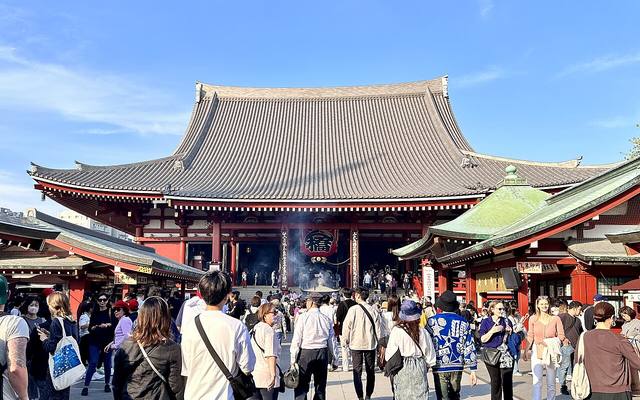
Sensō-jiTemples and shrines · about 1 h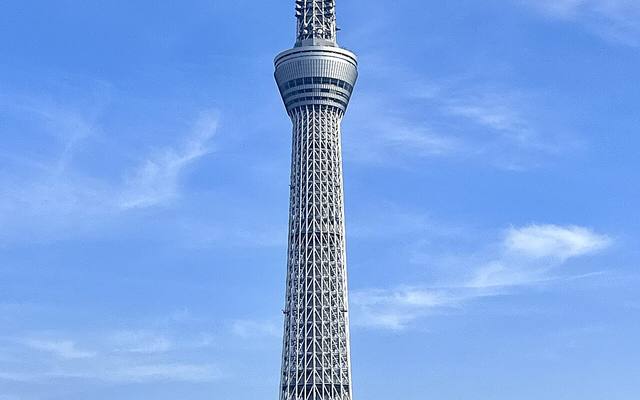 Tokyo SkytreeMonuments and towers · 1 h 30
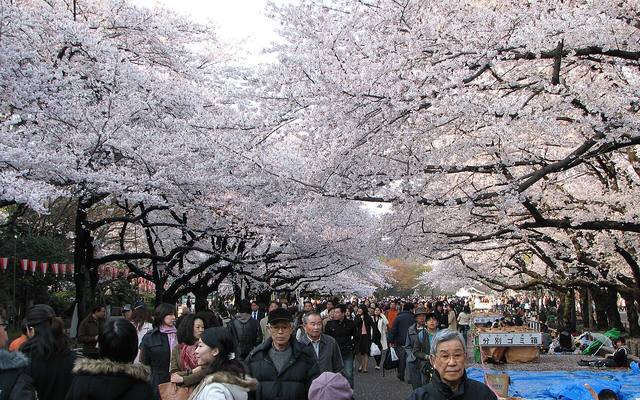 Ueno ParkParks and gardens · about 1 h
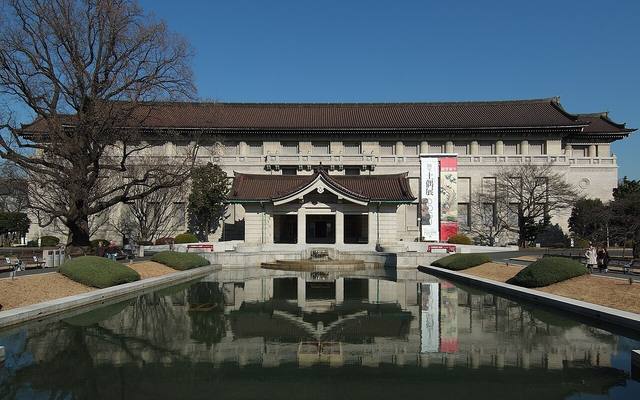 Tokyo National MuseumMuseums and aquariums · 1 h 30
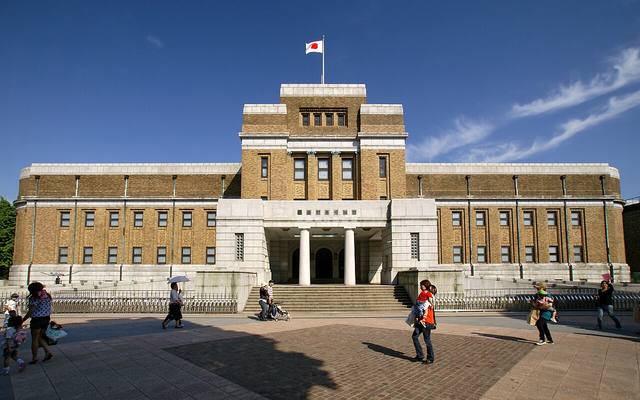 National Museum of Nature and ScienceMuseums and aquariums · 1 h 30
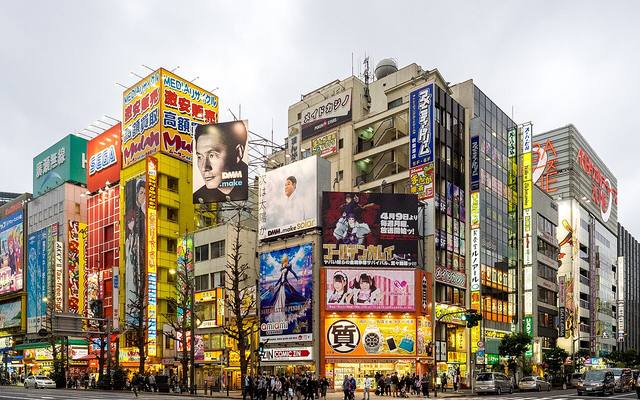 Akihabara Electric TownNeighborhoods and atmospheres · about 1 h
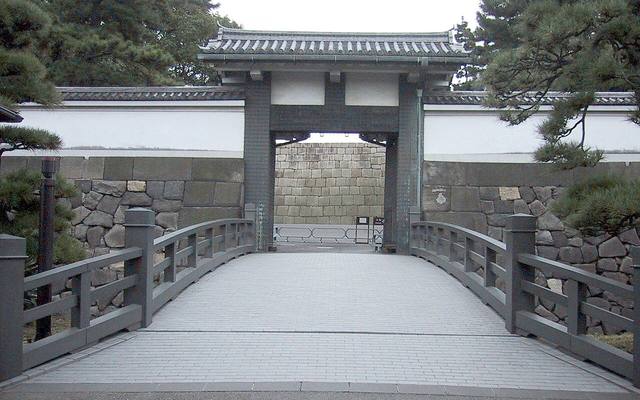 Imperial Palace East GardensParks and gardens · about 1 h
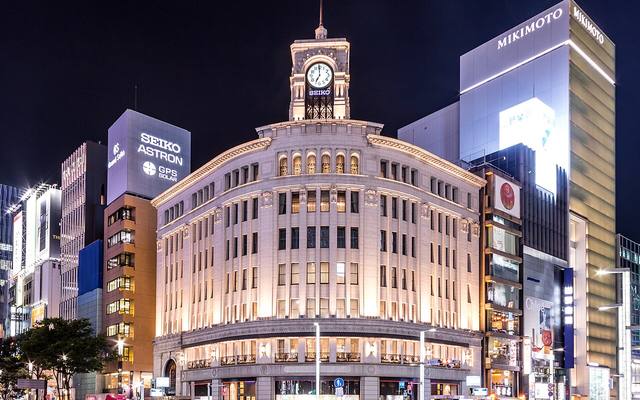 GinzaNeighborhoods and atmospheres · about 1 h
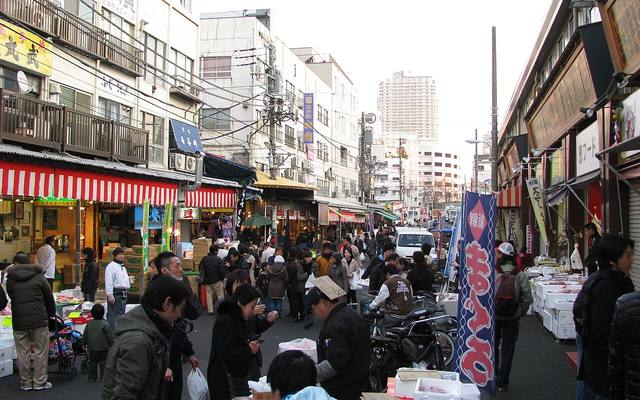 Tsukiji Outer MarketMarkets and street food · about 1 h
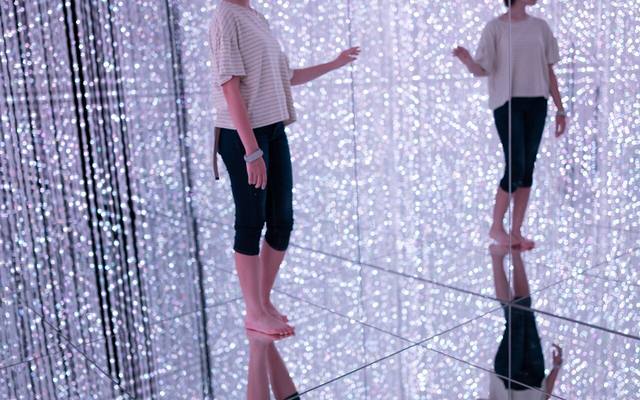 teamLab Planets TOKYOMuseums and aquariums · 1 h 30
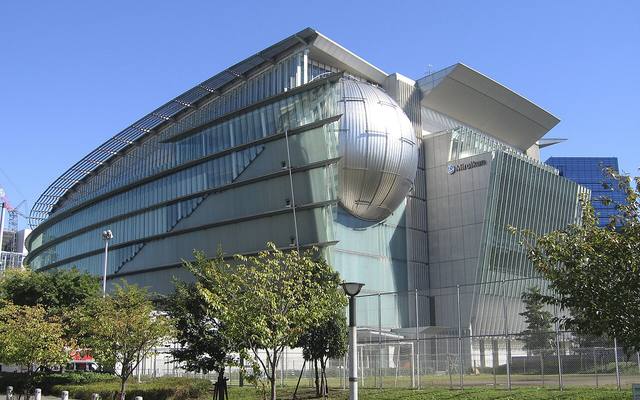 MiraikanMuseums and aquariums · about 2 h
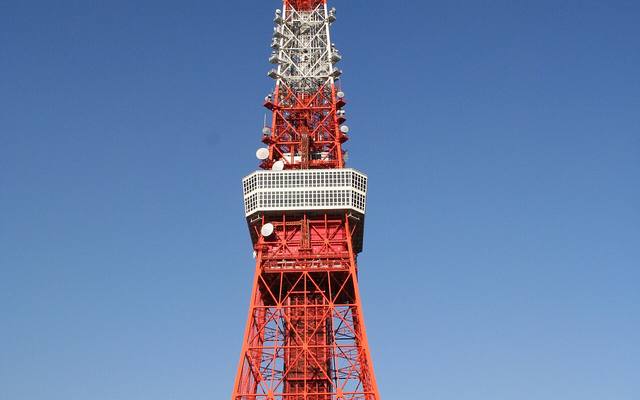 Tokyo TowerMonuments and towers · about 1 h
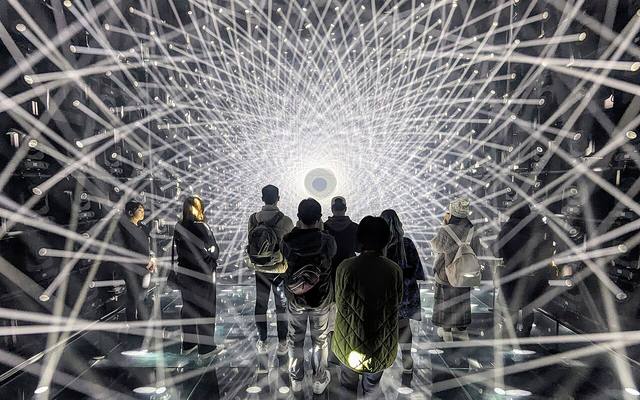 teamLab BorderlessMuseums and aquariums · 2 h 30
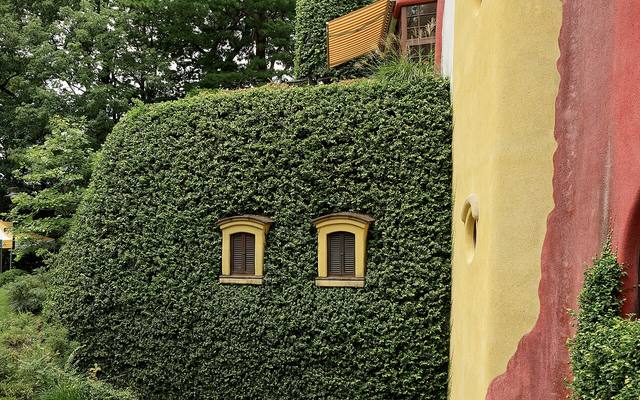 Ghibli MuseumMuseums and aquariums · about 2 h
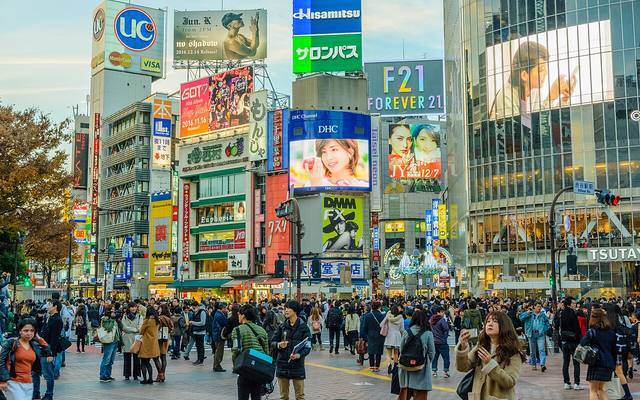 Shibuya CrossingNeighborhoods and atmospheres · 20 min
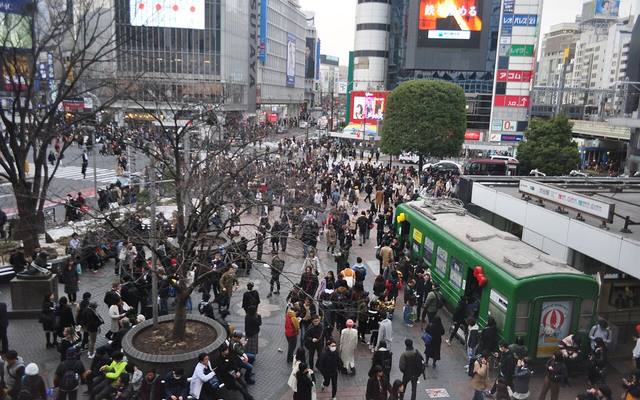 Hachiko StatueMonuments and towers · 10 min
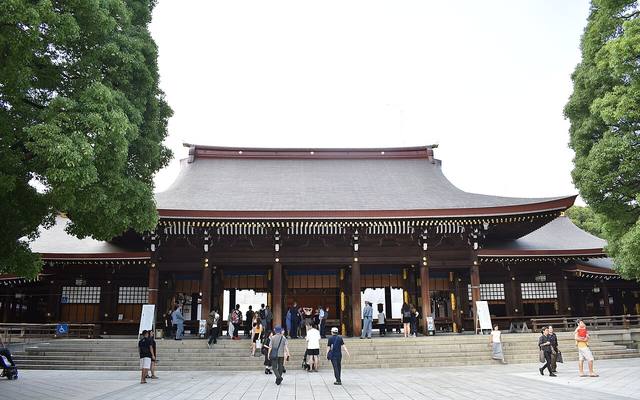 Meiji ShrineTemples and shrines · 1 h 15
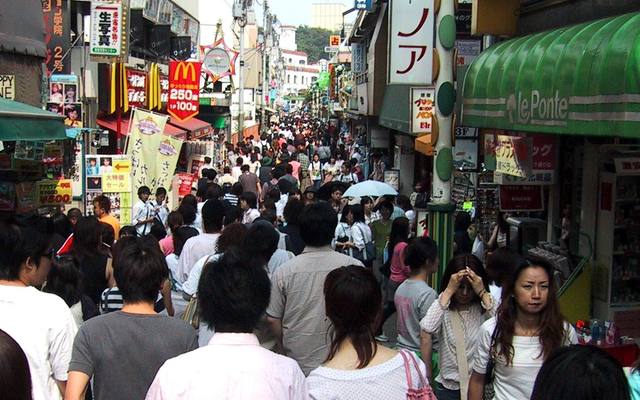 Takeshita DoriNeighborhoods and atmospheres · 30 min
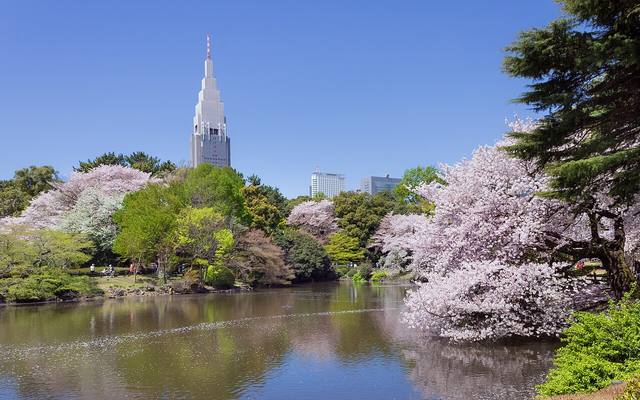 Shinjuku Gyoen National GardenParks and gardens · 1 h 30
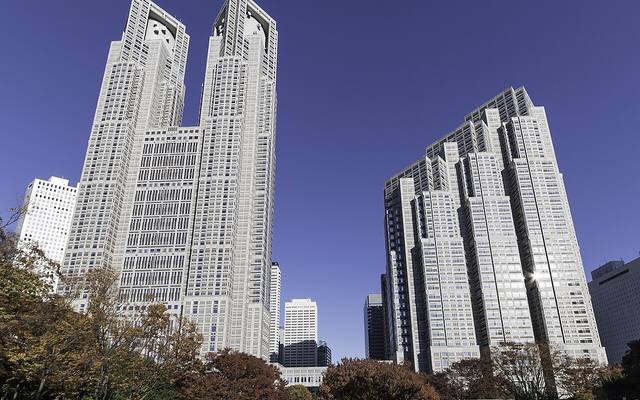 Tokyo Metropolitan Government Building ObservatoryMonuments and towers · 45 min
All places
Monuments and towers
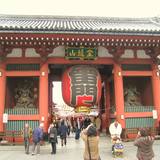 KaminarimonMonuments and towers · 15 min
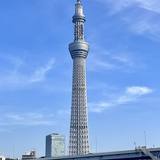 Tokyo SkytreeMonuments and towers · 1 h 30Must-see
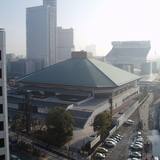 Ryōgoku KokugikanMonuments and towers · 30 min
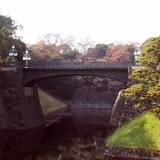 Nijūbashi BridgeMonuments and towers · 15 min
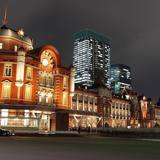 Tokyo StationMonuments and towers · 30 min
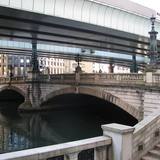 Nihonbashi BridgeMonuments and towers · 15 min
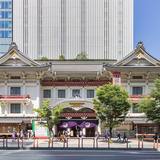 Kabukiza TheatreMonuments and towers · 20 min
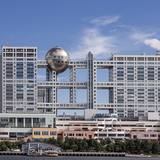 Fuji Television BuildingMonuments and towers · 30 min
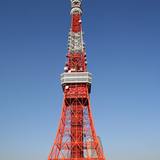 Tokyo TowerMonuments and towers · about 1 hMust-see
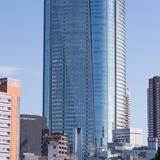 Roppongi Hills and Mori TowerMonuments and towers · about 1 h
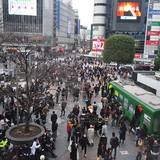 Hachiko StatueMonuments and towers · 10 minMust-see
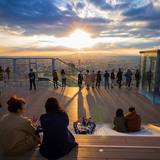 Shibuya SkyMonuments and towers · about 1 h
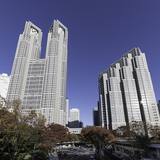 Tokyo Metropolitan Government Building ObservatoryMonuments and towers · 45 minMust-see
Temples and shrines
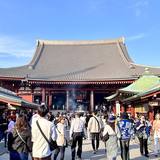 Sensō-jiTemples and shrines · about 1 hMust-see
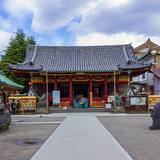 Asakusa-jinjaTemples and shrines · 20 min
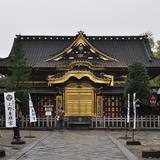 Ueno Tōshō-gū ShrineTemples and shrines · 20 min
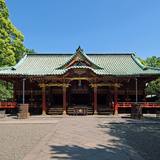 Nezu-jinja ShrineTemples and shrines · 30 min
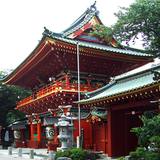 Kanda Myōjin ShrineTemples and shrines · 20 min
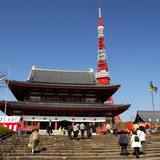 Zojo-ji TempleTemples and shrines · 30 min
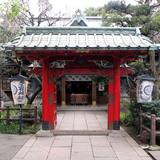 Atago ShrineTemples and shrines · 20 min
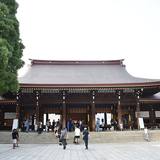 Meiji ShrineTemples and shrines · 1 h 15Must-see
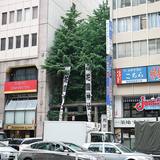 Hanazono ShrineTemples and shrines · 20 min
Museums and aquariums
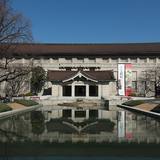 Tokyo National MuseumMuseums and aquariums · 1 h 30Must-see
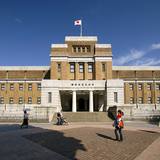 National Museum of Nature and ScienceMuseums and aquariums · 1 h 30Must-see
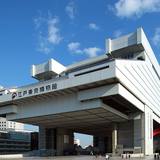 Edo-Tokyo MuseumMuseums and aquariums · 1 h 30
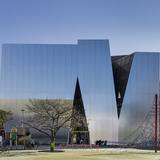 Sumida Hokusai MuseumMuseums and aquariums · about 1 h
 teamLab Planets TOKYOMuseums and aquariums · 1 h 30Must-see
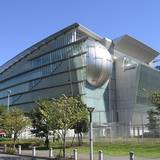 MiraikanMuseums and aquariums · about 2 hMust-see
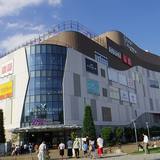 Gundam Base TokyoMuseums and aquariums · 45 min
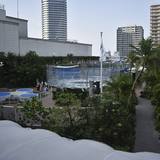 Sunshine AquariumMuseums and aquariums · about 1 h
 teamLab BorderlessMuseums and aquariums · 2 h 30Must-see
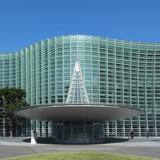 The National Art Center, TokyoMuseums and aquariums · about 1 h
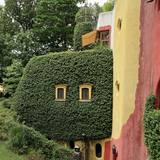 Ghibli MuseumMuseums and aquariums · about 2 hMust-see
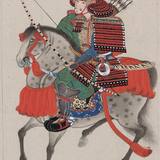 Samurai Museum ShinjukuMuseums and aquariums · about 1 h
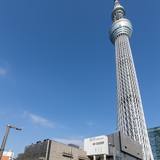 Sumida AquariumMuseums and aquariums · 1 h 30
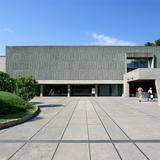 National Museum of Western ArtMuseums and aquariums · 1 h 30
Parks and gardens
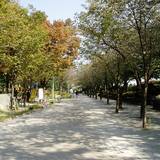 Sumida ParkParks and gardens · 30 min
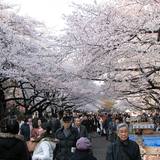 Ueno ParkParks and gardens · about 1 hMust-see
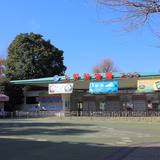 Ueno ZooParks and gardens · 1 h 30
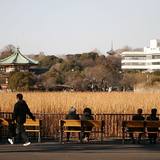 Shinobazu PondParks and gardens · 20 min
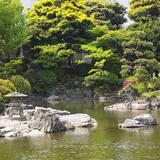 Kyū-Yasuda-teien GardenParks and gardens · 20 min
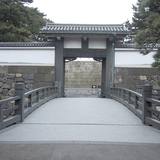 Imperial Palace East GardensParks and gardens · about 1 hMust-see
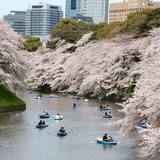 ChidorigafuchiParks and gardens · 30 min
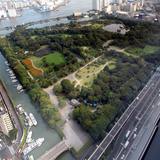 Hama-rikyu GardensParks and gardens · 45 min
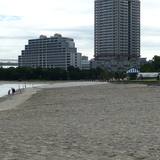 Odaiba Seaside ParkParks and gardens · 45 min
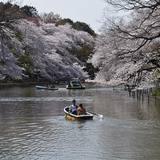 Inokashira ParkParks and gardens · about 1 h
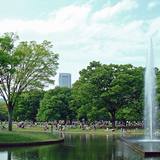 Yoyogi ParkParks and gardens · 45 min
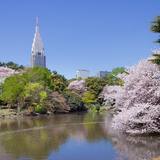 Shinjuku Gyoen National GardenParks and gardens · 1 h 30Must-see
Markets and street food
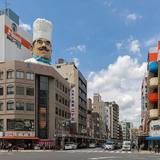 Kappabashi-dōgu-gaiMarkets and street food · 30 min
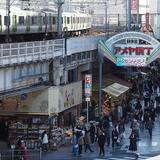 Ameyoko MarketMarkets and street food · 45 min
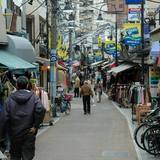 Yanaka GinzaMarkets and street food · 45 min
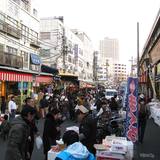 Tsukiji Outer MarketMarkets and street food · about 1 hMust-see
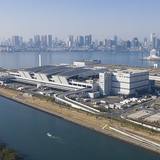 Toyosu MarketMarkets and street food · about 1 h
 Harmonica YokochoMarkets and street food · 30 min
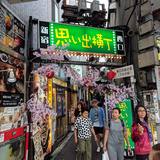 Omoide YokochoMarkets and street food · 30 min
Neighborhoods and atmospheres
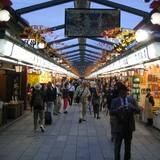 Nakamise-dōriNeighborhoods and atmospheres · 30 min
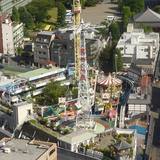 Asakusa HanayashikiNeighborhoods and atmospheres · 1 h 30
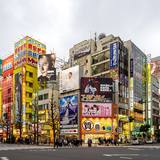 Akihabara Electric TownNeighborhoods and atmospheres · about 1 hMust-see
 Akihabara Gachapon KaikanNeighborhoods and atmospheres · 25 min
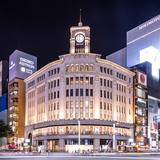 GinzaNeighborhoods and atmospheres · about 1 hMust-see
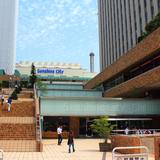 Sunshine City and the Pokémon CenterNeighborhoods and atmospheres · 45 min
 Namja TownNeighborhoods and atmospheres · 1 h 30
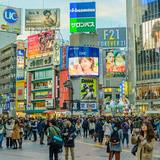 Shibuya CrossingNeighborhoods and atmospheres · 20 minMust-see
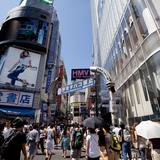 Shibuya Center GaiNeighborhoods and atmospheres · 30 min
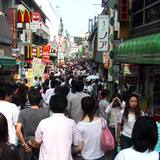 Takeshita DoriNeighborhoods and atmospheres · 30 minMust-see
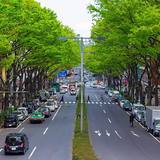 Omotesando AvenueNeighborhoods and atmospheres · 45 min
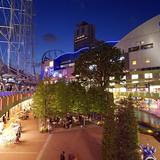 Tokyo Dome CityNeighborhoods and atmospheres · 2 h 30
Day trips
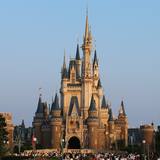 Tokyo Disney ResortNeighborhoods and atmospheres · about 8 h
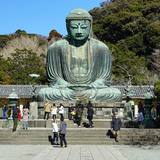 KamakuraNeighborhoods and atmospheres · about 7 hMust-see
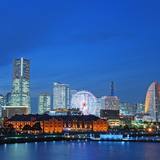 YokohamaNeighborhoods and atmospheres · about 6 h
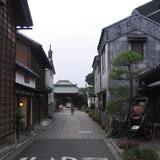 Kawagoe, Little EdoNeighborhoods and atmospheres · about 5 h
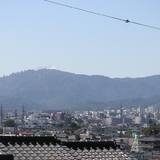 Mount TakaoParks and gardens · about 5 h
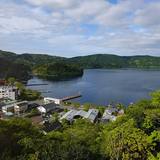 HakoneParks and gardens · about 8 h
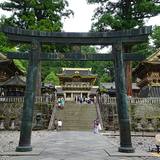 Nikko and Toshogu ShrineTemples and shrines · about 7 hMust-see

The full stories, the audio, the offline map and the challenges for kids.